
Returning to school after age 50 is increasingly common. As employers seek talent with updated skills and credentials, many workers find they need further education to qualify for in-demand roles. Tuition remains a major barrier, however, and that’s why a growing number of companies now cover education costs in ways that let employees earn degrees or certifications without leaving their jobs.
Walmart

Credit: Wikimedia Commons
Walmart’s Live Better U program pays 100% of tuition and books for students attending partner schools, with costs billed directly to the institutions rather than reimbursed later. This model removes the need for employees to front tuition before enrolling. The program is available to hourly workers and includes structured degree pathways aligned with real job roles, creating a clear and affordable route into new fields without adding financial strain.
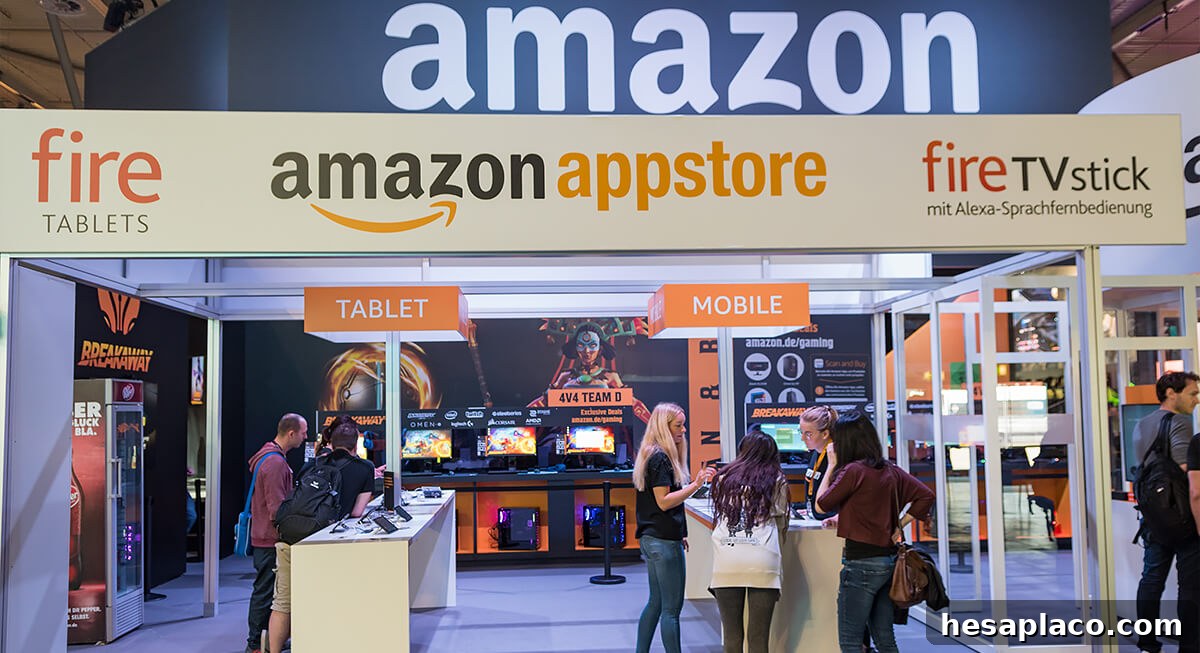
Amazon
Credit: Wikimedia Commons
Amazon’s Career Choice program funds training in fields such as healthcare, IT, and logistics, and it does not require graduates to stay with Amazon—employees can use the credentials for opportunities inside or outside the company. Eligibility begins after a designated period of employment, and tuition is paid directly to approved education providers rather than as a post-course reimbursement.
Starbucks

Credit: Wikimedia Commons
Starbucks’ College Achievement Plan, offered in partnership with Arizona State University, covers full tuition for an accredited bachelor’s degree. The program is delivered online following ASU’s standard curriculum and awards the same degree that on-campus students receive. Because the credential is issued by a recognized university, it carries value beyond employment with Starbucks.
Chipotle

Credit: Wikimedia Commons
Chipotle offers two education tracks: fully funded degree programs through partner universities and tuition reimbursement for programs outside that network. The debt-free pathway pays full tuition at selected schools, while the reimbursement option provides annual support for employees who prefer to continue coursework at institutions of their choice. This flexibility allows employees to choose between a structured degree track and the freedom to pursue previous academic commitments.
Target

Credit: Wikimedia Commons
Target’s Dream to Be program removes the typical reimbursement delay by covering tuition at the point of enrollment for selected programs. Employees can pursue full degrees or shorter certifications depending on their goals. This approach is especially helpful for people who prefer to build credentials step by step rather than committing to a single, long-term program up front.
Home Depot

Credit: Wikimedia Commons
Home Depot offers broad tuition reimbursement that spans many fields, from associate degrees to graduate study. Rather than limiting employees to a narrow list of approved programs, the company allows individuals to choose what they want to study. This is useful for people who already know their goals and need financial support rather than a prescriptive educational path. Funding caps vary by role, with higher limits typically available to salaried employees.
UPS

Credit: Wikimedia Commons
UPS’s Earn and Learn program is designed to help employees balance work and study. It provides annual tuition support and offers scheduling accommodations so employees can attend classes while maintaining their jobs. The program is widely available across locations and does not require enrollment at a specific institution, making long-term education more manageable for working students.
Disney

Credit: Wikimedia Commons
Disney’s Aspire program covers 100% of tuition for approved programs and eliminates common extra costs such as application fees. The initiative also includes coaching and enrollment support to help employees navigate academic processes and coursework. Because it pairs financial coverage with hands-on guidance, Aspire can be particularly valuable for individuals returning to school after a long gap.
Verizon

Credit: Wikimedia Commons
Verizon’s tuition assistance targets business, technology, and related fields that match long-term industry demand. The program focuses on building durable skills that remain relevant as industries evolve and supports both undergraduate and graduate study in company-approved subjects. Reimbursement is issued after successful course completion, and eligibility depends on employment status and tenure.
Humana
Credit: Youtube
Humana provides tuition reimbursement combined with internal career pathways tied to healthcare roles. Because many positions in healthcare require formal credentials, Humana’s approach links education directly to job progression within the company. Funding is typically issued after course completion and often requires meeting grade criteria. With healthcare demand expected to stay strong, this model creates a clear route into a stable and growing field.
These employer-sponsored education programs offer a variety of approaches—direct tuition payment, reimbursement, structured degree pathways, flexible options, and coaching support—so employees can find a model that fits their goals and circumstances. For those considering a return to school later in life, company-funded education can remove financial barriers and make it practical to pursue new careers or advance within an existing field.