
Charlie Munger, the late vice chairman of Berkshire Hathaway and Warren Buffett’s closest partner, was an exceptional investor and an avid lifelong reader. He championed the idea of building a “latticework of mental models” — a broad collection of ideas from many disciplines that together improve decision-making. The following books were among the core resources Munger recommended or relied on to develop clear thinking and practical judgment.
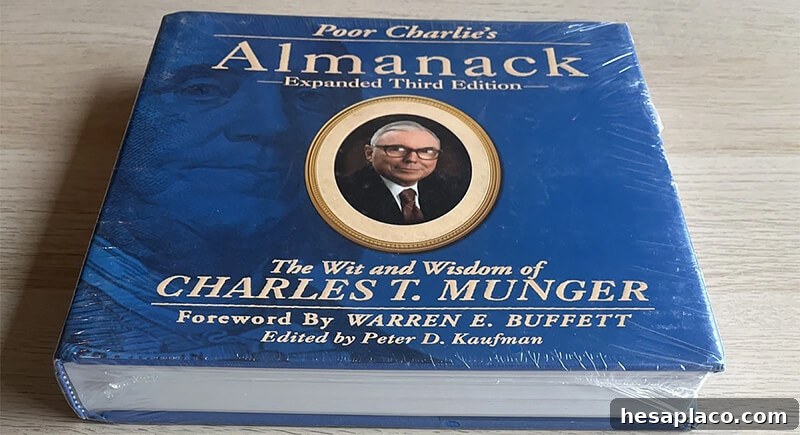
Poor Charlie’s Almanack by Charlie Munger
Credit: Ebay
Poor Charlie’s Almanack collects Munger’s speeches, commentary, and quotations, presenting his approach to multidisciplinary thinking and practical wisdom. It serves as a handbook for sharp, disciplined thought — focused on real-world application rather than abstract theory.
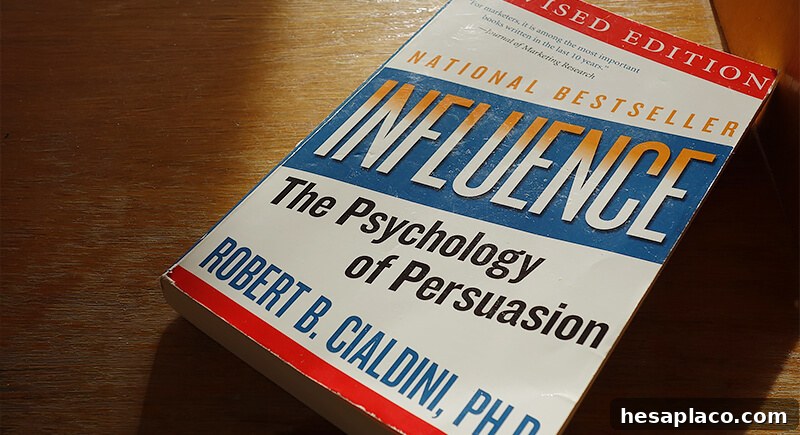
Influence: The Psychology of Persuasion by Robert Cialdini
Credit: Wikimedia Commons
Cialdini’s book explains the psychological triggers that drive human behavior — reciprocity, commitment, social proof, authority, liking, and scarcity. Munger emphasized how incentives and psychological biases distort judgment; this book makes those forces explicit so you can recognize and counteract them.
The Selfish Gene by Richard Dawkins

Credit: Ebay
Dawkins’ evolutionary perspective reframes behavior in terms of competition, survival, and replication. Munger valued biological thinking because it sheds light on incentives and behavior in markets and organizations. Recognizing evolutionary dynamics helps make sense of seemingly irrational or ruthless actions.
Guns, Germs, and Steel by Jared Diamond

Credit: Ebay
Diamond examines how geography, agriculture, and disease shaped the development of civilizations. Munger admired its logical, cross-disciplinary explanation of why some societies advanced faster than others. The book encourages thinking about long-term structural causes rather than attributing outcomes to simple traits.
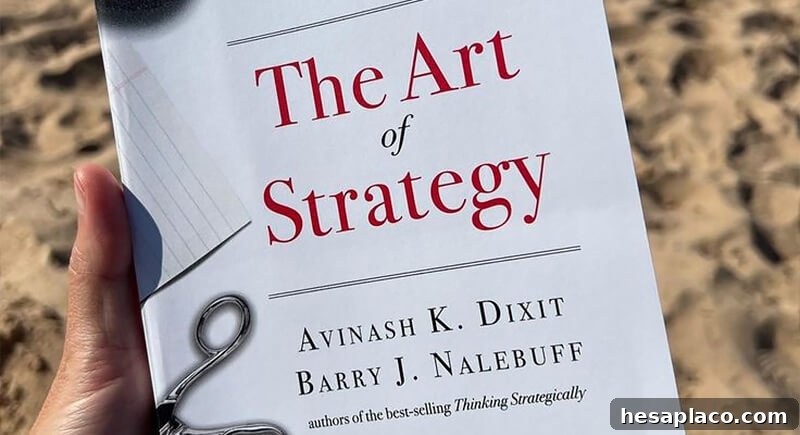
The Art of Strategy by Avinash K. Dixit and Barry J. Nalebuff
Credit: Facebook
This accessible introduction to game theory shows how strategic thinking applies to negotiations, competition, and everyday choices. Munger admired works that connected disciplines; game theory teaches structured ways to anticipate others’ moves and make better decisions in competitive settings.
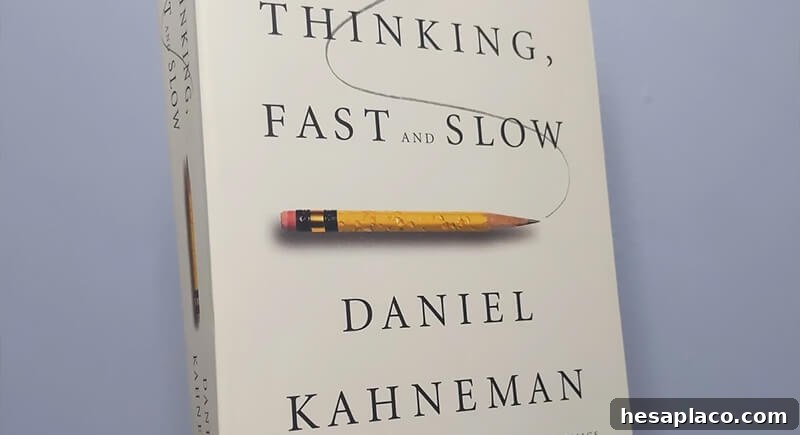
Thinking, Fast and Slow by Daniel Kahneman
Credit: Ebay
Kahneman’s analysis of fast, intuitive thinking and slow, deliberative thinking highlights the biases and heuristics that lead to systematic errors. Munger prized any framework that exposed human fallibility; this book is a rigorous, evidence-based guide to better judgment.
The Psychology of Human Misjudgment by Charlie Munger

Credit: Reddit
Although originally delivered as a speech, this work concisely catalogs common cognitive errors — from social proof to envy — and explains how they undermine decision-making. Munger’s blunt, example-driven style makes the lessons practical and memorable.
Business Adventures by John Brooks

Credit: Amazon
These Wall Street case studies illustrate how human behavior drives business outcomes. Munger and Buffett recommended this collection because it highlights management mistakes, hubris, and the human causes behind big corporate successes and failures — the Ford Edsel episode being a classic example.
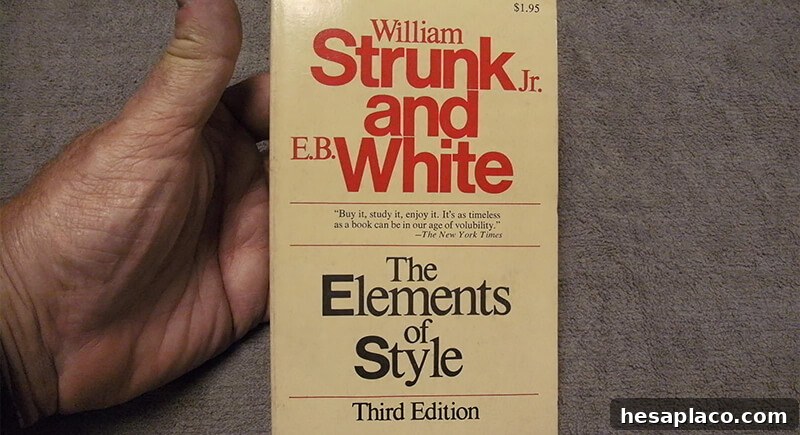
The Elements of Style by William Strunk Jr. and E.B. White
Credit: Ebay
Munger prized clear, concise communication. Strunk and White teach how to write simply and precisely — an essential skill for explaining ideas, persuading others, and avoiding confusion. Good writing reflects clear thinking.
The Checklist Manifesto by Atul Gawande

Credit: Ebay
Gawande shows how simple checklists reduce errors in medicine, aviation, and business. Munger valued practical systems that prevent avoidable mistakes — especially in high-stakes environments — and this book demonstrates the power of procedural discipline.
Man’s Search for Meaning by Viktor Frankl

Credit: Ebay
Frankl’s account of surviving Auschwitz and developing logotherapy offers profound lessons in resilience and purpose. Munger respected thinkers who endured difficult experiences and extracted thoughtful, psychological insights useful for living and working effectively.
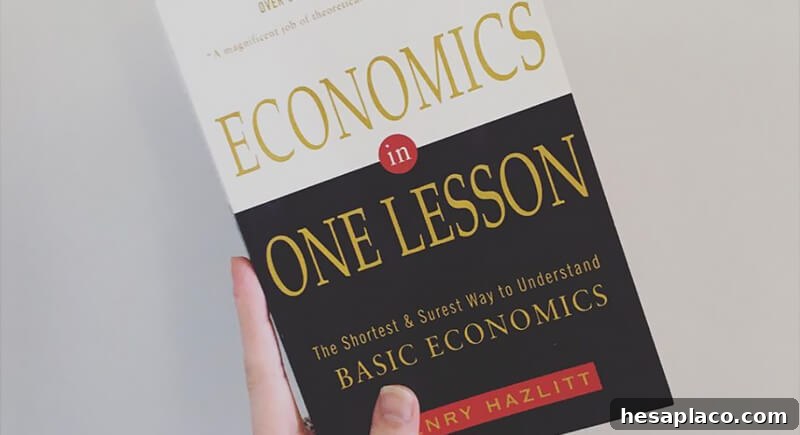
Economics in One Lesson by Henry Hazlitt
Credit: Facebook
Hazlitt’s concise introduction to economic thinking stresses the importance of considering long-term and secondary consequences. Munger recommended it for its clear examples that counter common policy fallacies and sharpen practical economic reasoning.
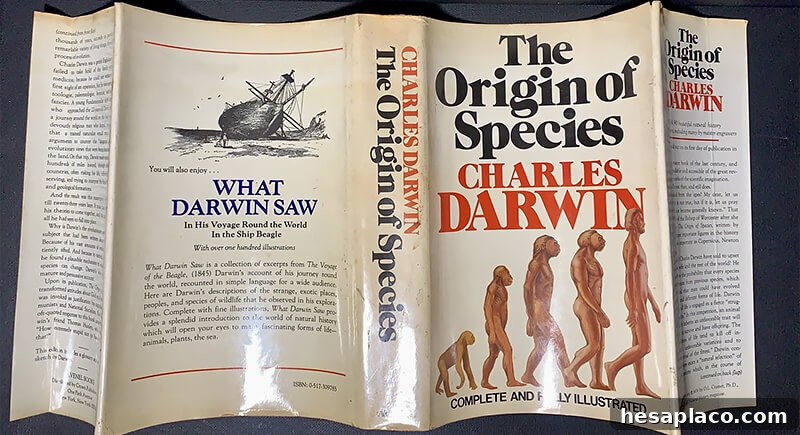
On the Origin of Species by Charles Darwin
Credit: Ebay
Darwin’s theory of evolution offers a framework for understanding adaptation, competition, and change. Munger applied these concepts to business and investing: organizations and strategies that fail to adapt often decline, while those that evolve can survive and prosper.
Extraordinary Popular Delusions and the Madness of Crowds by Charles Mackay

Credit: Ebay
Mackay traces historical episodes of collective folly — from tulip mania to speculative bubbles — illustrating how crowds can abandon reason. Munger frequently cited this book to explain how groupthink and mass enthusiasm create opportunities and dangers for investors.
The Structure of Scientific Revolutions by Thomas S. Kuhn

Credit: Amazon
Kuhn’s idea of paradigm shifts — sudden changes in foundational assumptions — resonated with Munger. In investing, when common models fail and prevailing beliefs change, those who recognize the shift early can find significant risks and rewards.
Surely You’re Joking, Mr. Feynman! by Richard P. Feynman

Credit: Ebay
Feynman’s curiosity, humor, and emphasis on honest inquiry embodied the intellectual virtues Munger admired: humility, relentless questioning, and the willingness to learn across fields. The book’s anecdotes encourage playful but rigorous thinking.
Security Analysis by Benjamin Graham and David Dodd

Credit: Youtube
Graham and Dodd’s Security Analysis is a foundational text of value investing. It teaches rigorous analysis of businesses, margin of safety, and the discipline to separate price from intrinsic value. Munger and Buffett built their investment approach on these principles.
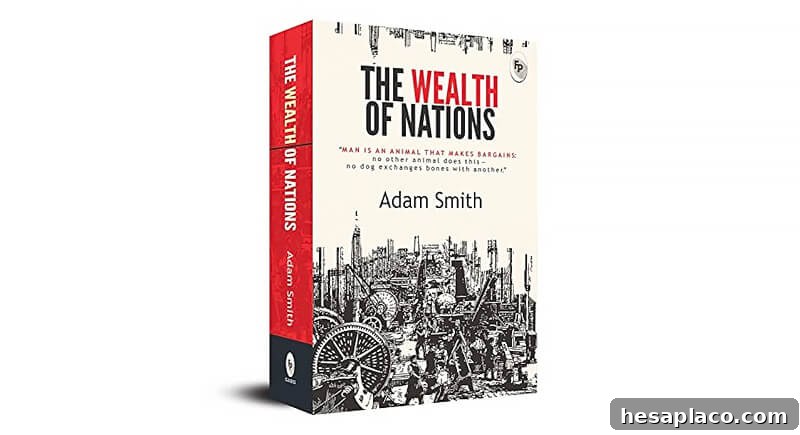
The Wealth of Nations by Adam Smith
Credit: Amazon
Adam Smith’s exploration of markets, division of labor, and the moral and practical limits of self-interest influenced Munger’s economic thinking. Smith’s insights on incentives and the risks of monopolies and corruption remain relevant to investors and policymakers.
Titan: The Life of John D. Rockefeller, Sr. by Ron Chernow

Credit: Instagram
Chernow’s biography of Rockefeller offers a nuanced look at ambition, strategy, and the moral complexity of building enormous enterprises. Munger valued detailed biographies because they reveal the habits, choices, and trade-offs behind major business success.
Deep Simplicity by John Gribbin

Credit: eBay
Gribbin explores complexity, chaos, and how simple rules can generate unexpected patterns. For Munger, mastering ideas about systems and emergence was essential to understanding markets and institutions. This book sharpens thinking about structure, unpredictability, and practical decision-making in complex environments.
Together, these works reflect the intellectual breadth Munger championed: psychology, economics, biology, history, science, and clear communication. Reading across disciplines builds the latticework of models that help you evaluate problems more reliably, spot hidden risks, and find more rational pathways to better decisions.