
Sitting hunched over a screen for hours may seem normal, but it quietly harms your spine. You don’t need to give up your job or live at the gym to protect your posture—small, consistent changes make a big difference. If you’re tired of feeling like a curved question mark, these practical tips will help.
Your Chair Might Be the Problem, Not You

Credit: Canva
Many office chairs prioritize looks over support. Poor lumbar support is a frequent contributor to lower back pain. If your chair doesn’t allow your feet to rest flat on the floor or lacks a gentle curve to support the lower back, it can increase strain and discomfort. Evaluate your seat: adjust the height so your hips are level or slightly higher than your knees and consider a lumbar cushion if needed.
Stop Staring Down at Your Screen

Credit: iStockphoto
Laptops and monitors set too low force your neck into a constant downward tilt. Even a slight forward head posture can place the equivalent of 50 to 60 pounds of force on the neck. Raise your screen so that the top third of the display aligns with your eye level; this reduces neck strain and encourages a more neutral head position.
Stretch Like You Mean It, Not Just Once a Day

Credit: iStockphoto
One stretch at lunchtime won’t undo hours spent seated. Your body benefits from movement roughly every 30 minutes. Stand up to open your chest, rotate your shoulders, do gentle neck rolls, or reach overhead. Frequent, short movements prevent muscles from tightening into uncomfortable knots that build up over the day.
Desk Setup Needs a Reality Check

Credit: iStockphoto
Arrange your workspace so the screen is at arm’s length, your elbows form about a 90-degree angle, and your wrists remain neutral—not flexed up or down. A poor setup encourages hunching, leaning, and forward craning. Spend five minutes adjusting your keyboard height, monitor distance, and chair to promote a more comfortable, aligned posture.
Beware the Perils of “Perching”

Credit: iStockphoto
Sitting on the edge of your chair may feel productive but it removes support and forces your muscles to work harder to stay upright. Over time this creates tension and misalignment. Sit back fully so the backrest supports your lumbar spine; this conserves energy and keeps your muscles from overworking.
Neck Pain? Check Your Phone Habits Too

Credit: iStockphoto
Even with solid desk posture, hours of phone use with your head tilted down will undo your progress. “Tech neck” from repetitive downward gazing leads to forward head posture and tightness across the shoulders and upper back. Hold your phone at eye level when possible and use voice-to-text features to reduce repetitive neck strain.
Try the 20-8-2 Rule for Better Movement

Credit: iStockphoto
Research supports a 30-minute cycle that balances sitting and movement: sit for 20 minutes, stand for 8, and move for 2. This rhythm helps break the stiffness cycle without disrupting your workflow. Simple actions—walking to get water, doing calf raises during a call, or standing while reading—re-engage muscles and reduce prolonged loading on the spine.
Strengthen the Muscles That Keep You Upright
Credit: iStockphoto
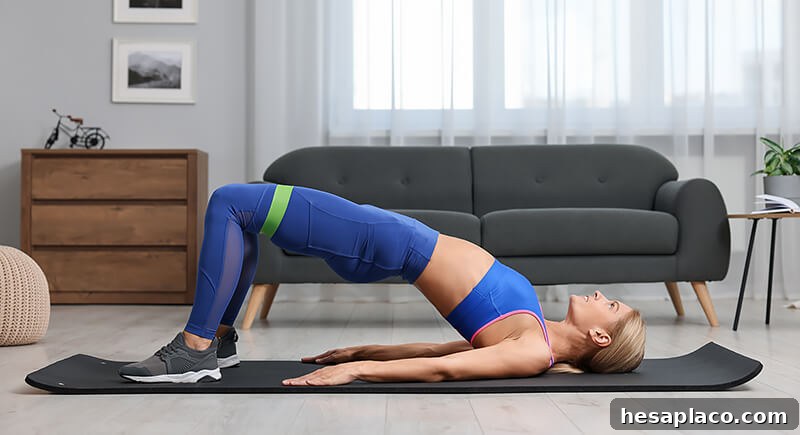
Good posture depends on muscular endurance as much as skeletal alignment. Weak glutes, a soft core, and tight hip flexors create imbalances that lead to slouching. Incorporate exercises like planks, glute bridges, and wall sits into your weekly routine to build the support your spine needs during long periods of sitting.
Breathing Could Be Ruining Your Alignment

Credit: iStockphoto
Shallow chest breathing can tighten neck and shoulder muscles, worsening discomfort. Diaphragmatic breathing—breathing into the belly—helps relax those areas. Practice inhaling slowly through the nose so your belly expands, then exhale through pursed lips. This technique also improves focus and lowers stress, which indirectly supports better posture.
Slouching Is Contagious – Fix Your Surroundings

Credit: iStockphoto
People often mirror the posture of those around them. Poor seating, dim lighting, and cluttered workspaces all encourage slumping. Create cues for better posture: tidy your desk, position a mirror to check your alignment, or add a lumbar pillow as a gentle reminder to sit back and support your lower back.
Mindfulness Isn’t Just for Stress – It Helps Posture Too

Credit: iStockphoto
When deep in work, it’s easy to lose awareness of your body. Pausing for a quick mental check—“Where are my shoulders? Is my jaw tense?”—can break autopilot and prevent tension from building. Use timers or posture reminder apps to bring attention back to how you’re sitting before discomfort sets in.
Foot Position Can Make or Break Your Spine

Credit: iStockphoto
Dangling feet, crossed legs, or sitting on your toes alters spinal alignment. Keep both feet flat on the floor or on a footrest to provide a stable base for the pelvis and spine. This simple habit helps distribute weight evenly and reduces strain from your ankles up through your neck.
Hydration Isn’t Just About Energy – It Affects Joints Too

Credit: iStockphoto
Dehydrated spinal discs lose some of their cushioning, which can increase pressure on vertebrae and promote slouching. Staying well hydrated helps keep discs more supple and joints moving smoothly. A practical bonus: regular water breaks create natural movement pauses throughout the workday.
You Don’t Need to “Sit Up Straight” All the Time

Credit: iStockphoto
Rigidly forcing yourself into a straighter-than-normal position can backfire. Healthy posture is about a neutral spine and gentle movement, not locking into a stiff pose. Allow small, controlled shifts while maintaining support—think mobility and balance rather than immobility.
Uncross Your Legs for Pelvic Balance
Credit: iStockphoto
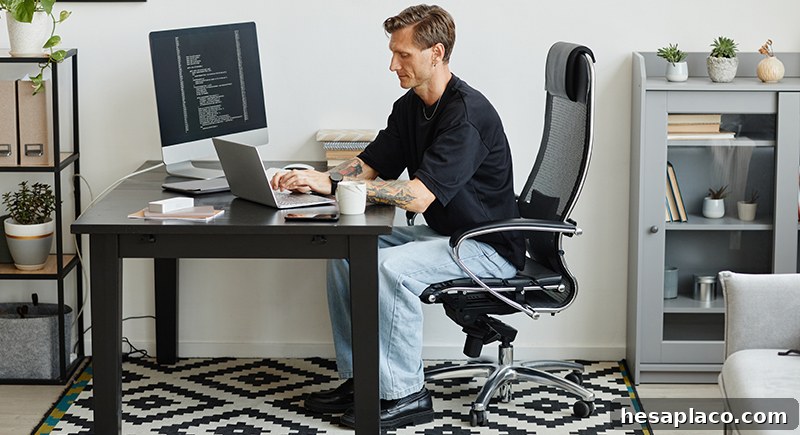
Crossing your legs regularly can gradually tilt your hips and create uneven pressure on the lower back. Sitting with both feet flat on the floor helps keep your pelvis level and your spine better supported. This small adjustment reduces asymmetric strain and promotes more even muscle activation.
Utilize the “Chin Tuck” to Reset Your Neck

Credit: iStockphoto
If your head drifts forward during the day, the chin tuck is an easy reset. Gently draw your chin straight back—like forming a subtle double chin—without tilting your head up or down. This movement helps realign the neck and eases the load on muscles that are working overtime.