
Landing a well-paying job without a college degree may once have seemed unlikely, but hiring trends in 2026 show growing opportunities for skilled candidates regardless of formal credentials. While degree holders still tend to earn more—on average about $1,543 per week compared with roughly $738 to $930 for those without degrees—many employers increasingly value demonstrable skills, practical experience, and strong on-the-job performance. Companies across industries are expanding roles that prioritize hands-on ability, communication, and problem-solving over academic credentials, and they often provide training, benefits, and clear advancement paths for employees who prove themselves.
Apple

Credit: pexels
Apple hires for many positions—such as retail specialists and technical support roles—where a degree is not a strict requirement. Employers focus on customer communication, problem-solving skills, and an ability to learn quickly. Apple offers a comprehensive benefits package that often includes health coverage, paid time off, and tuition assistance through internal programs like Apple University. Additional perks such as product discounts and stock opportunities make positions attractive for those seeking long-term career growth.

Credit: Wikimedia Commons
Google increasingly emphasizes demonstrated ability for roles such as network specialists and account strategists. Applicants who can show technical competence, analytical thinking, and effective collaboration often advance even without formal degrees. In addition to competitive pay, Google is known for on-campus amenities, subsidized meals, fitness facilities, and tuition reimbursement programs that support continuous learning and career development.
Penguin Random House

Credit: Facebook
Penguin Random House, a major publisher with a global workforce, often hires for creative and editorial roles where writing, editing, and content skills matter more than a degree. Positions like editorial assistant and social media manager can be accessible to candidates with strong portfolios, internships, or relevant hands-on experience. Employees typically benefit from flexible schedules, generous time off, and workplace perks that reflect the company’s literary culture.
Ernst & Young

Credit: Wikimedia Commons
Ernst & Young (EY) has opened pathways for certain consulting and technical roles that place greater weight on relevant skills and practical performance than on academic credentials. Roles such as machine learning engineers or positions within tax services may be offered to candidates who demonstrate technical competency, problem-solving ability, and a capacity for client-focused work. EY invests heavily in structured training programs and mentorship to help employees build industry-ready expertise and advance their careers.
Hilton
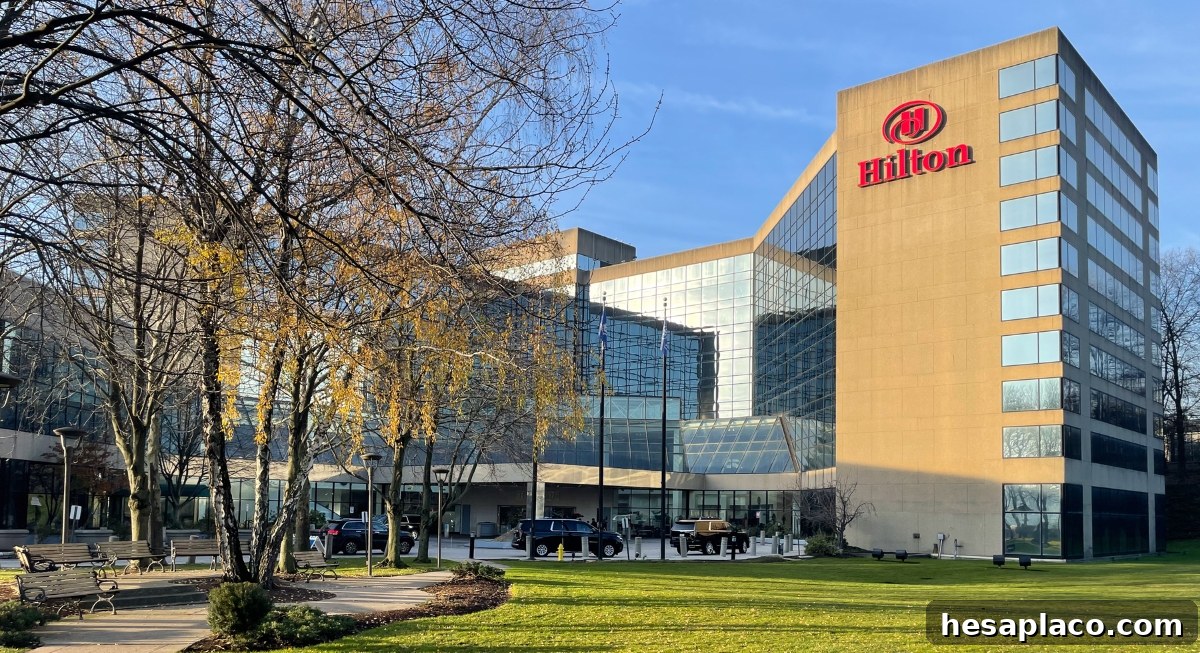
Credit: Wikimedia Commons
Hilton often hires employees for hospitality roles based on hands-on experience and strong service skills rather than formal degrees. Jobs such as night auditor or food and beverage supervisor emphasize reliability, customer service, and operational knowledge. Hilton provides benefits like employee travel discounts, meals while on shift, and health coverage, along with retirement plan options and education support. Many hourly employees progress into supervisory and management roles after gaining experience.
Costco Wholesale

Credit: Wikimedia Commons
Costco challenges the stereotype that retail work must be low-paying. Many entry-level positions like stockers and cashier assistants do not require degrees yet offer competitive wages, benefits, and opportunities for advancement. Employees often receive warehouse membership perks, potential seasonal bonuses, and a workplace culture that supports internal promotion—making these roles viable long-term employment options for those who perform well.
Whole Foods

Credit: Wikimedia Commons
Whole Foods emphasizes on-the-job training for roles that require specialized skills learned through practice. Positions like cake decorator, meat cutter apprentice, and other trade-focused roles provide structured apprenticeships and hands-on learning, enabling employees to build valuable capabilities on the job. Benefits commonly include a standard employee discount, health coverage, and mental health support, along with pathways to more advanced roles as skills improve.
Starbucks

Credit: Wikimedia Commons
Starbucks provides robust training for entry-level employees and offers education assistance and commuter benefits. The company’s structured training programs prepare baristas for leadership and store management opportunities, and stock purchase programs provide potential long-term financial benefits. With hundreds of thousands of employees worldwide, Starbucks remains a notable example of a company that builds career pathways from entry-level positions.
Nordstrom

Credit: Wikimedia Commons
Nordstrom, a long-established retailer, continues to hire across stores and distribution centers with many roles that prize experience and customer-service skills. Positions such as retail sales associate and beauty counter manager often emphasize proven performance, an ability to connect with customers, and product knowledge. Employees typically have access to benefits including health insurance and retirement plans, and paid time off that varies by hours worked.
IBM

Credit: Wikimedia Commons
IBM hires for a wide range of roles where demonstrated skills often outweigh formal degrees. Jobs such as data scientist or systems services representative are increasingly open to candidates who can show technical proficiency, relevant project experience, and problem-solving ability. IBM commonly offers competitive salaries, health benefits, retirement plans, flexible scheduling, and remote work options—supporting varied career paths for employees with diverse backgrounds.
Overall, the employment landscape in 2026 shows that a degree is no longer the only route to stable, well-compensated work. Candidates who invest in building applicable skills, practical experience, and a strong work ethic can access meaningful opportunities at major companies—often with benefits, training, and promotion potential that help turn entry-level roles into long-term careers.