
I didn’t set out to be a minimalist — it happened gradually and unexpectedly. The biggest surprise wasn’t how much lighter my luggage felt, but how much freer my finances became. Reducing possessions and commitments changed what I could afford and how I lived. My bank account showed the impact before I fully registered how my lifestyle had shifted.
Below are the practical changes that made the biggest difference.
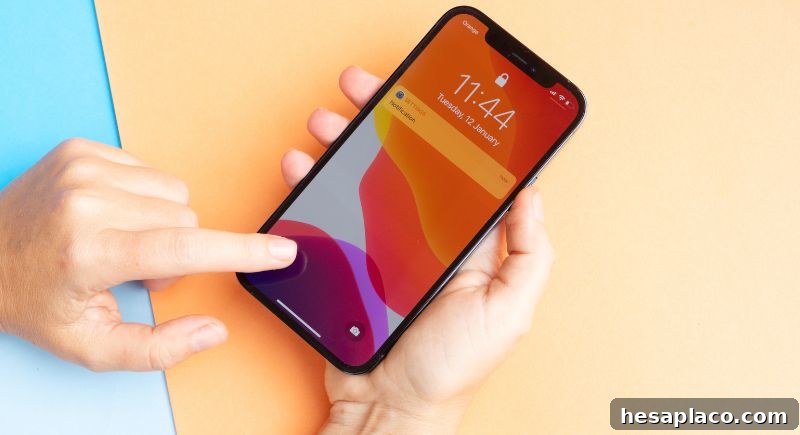
Simplifying My Phone Cut Monthly Costs to Under $5
Credit: Canva
I cancelled an expensive U.S. phone plan and started using an unlocked phone with a prepaid SIM while abroad. It provided the connectivity I needed without the heavy monthly bill. That small change freed budget space for better food, more travel, and actual savings. My phone expenses now run around three dollars a month.
Downsizing My Home Slashed Living Costs in Half

Credit: Getty Images
Moving from a large house to a smaller space felt like a compromise at first, but the bills told a different story. Mortgage payments dropped, utility costs decreased, and there were fewer repairs and less upkeep. Life became simpler and more affordable — and there’s less floor to clean, which is a small but real bonus.
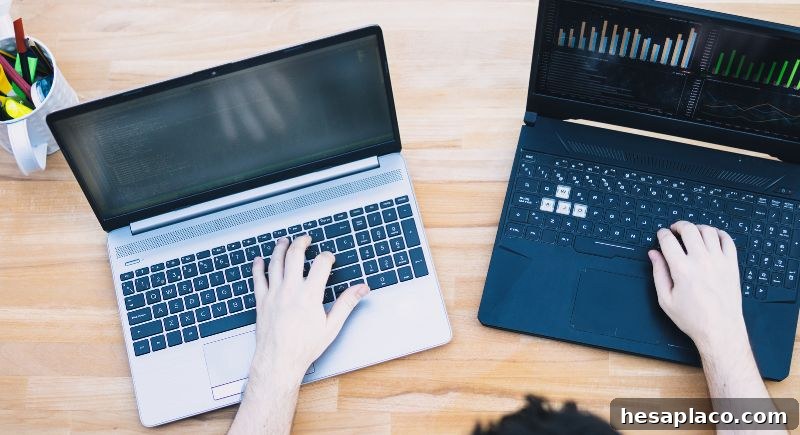
Ditching Duplicate Devices Reduced Repairs and Stress
Credit: Getty Images
Keeping backups and multiples — a second laptop, extra headphones, duplicate kitchen tools — feels safe but quietly increases costs and clutter. Letting go of redundant items left me with the essentials I actually used and reduced the time and money spent on storage and maintenance.
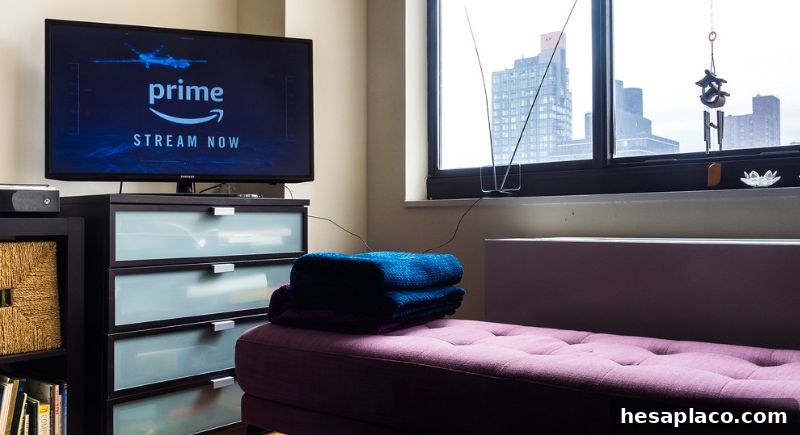
Replacing Cable With Streaming Trimmed Over $100 Monthly
Credit: flickr
I cancelled an expensive cable package and kept only the internet plus two streaming services I actually watch. That single decision cut nearly $120 from my monthly expenses, and I don’t miss the channels I never used.
Letting Go of Prestige Lowered My Financial Burnout

Credit: Getty Images
Moving to a less flashy neighborhood and resisting the pressure to keep up with bigger homes and nicer cars was uncomfortable at first. Over time I noticed less financial anxiety. When I stopped equating worth with a fancy zip code, my financial priorities became clearer and less draining.
Cooking at Home Saved Thousands Without Sacrifice

Credit: Getty Images
Eating out had slowly become the default, and the cost added up quickly. When I tracked spending the reality hit me. Switching to simple home-cooked meals, meal planning, and a few reliable recipes dramatically reduced my food budget without feeling like sacrifice. The money saved was immediate and significant.
Pausing Unused Subscriptions Freed Up Surprise Cash

Credit: Proxima Studio
A careful review of my statements uncovered subscriptions I never used: a meditation app untouched for a year, multiple streaming accounts, and a digital magazine that only made me feel inadequate. Canceling these freed up roughly $80 a month and simplified my digital life.
Simplifying My Wardrobe Made Mornings and Budgets Easier

Credit: Studio Mexico
I kept buying clothes but always reached for the same few outfits. I decluttered impulsive and ill-fitting purchases and kept a smaller, cohesive wardrobe of pieces I actually love and wear. Mornings became faster and shopping became less impulsive, which helped the budget.
Bye-Bye Second Car, Hello Sanity

Credit: Getty Images
My partner and I owned a second car “just in case” but rarely used it. Selling that vehicle eliminated an insurance payment, registration fees, and recurring maintenance costs. It also removed a small but persistent source of friction.
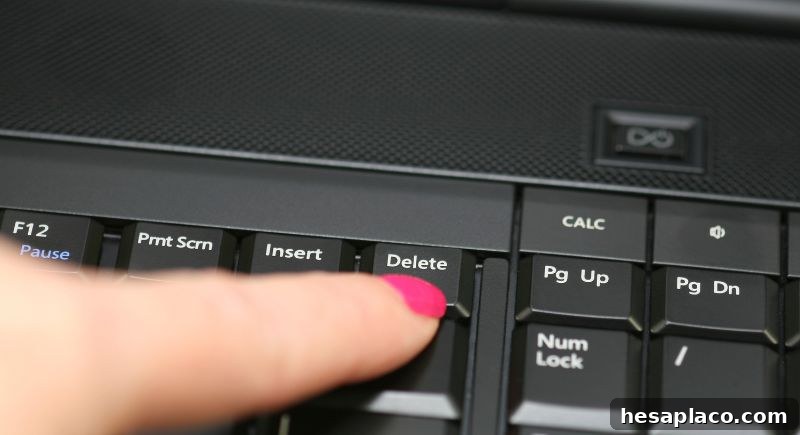
Digital Decluttering Was Surprisingly Satisfying
Credit: Getty Images
One rainy weekend I deleted unused apps, organized files, and emptied my downloads folder. The result was smoother devices, less distraction, and a reduced urge to spend on unnecessary upgrades. It saved time and felt ethically simple.
Choosing Quality Over Quantity Reduced Future Spending

Credit: Canva
Cheap items break and need replacing, which drains money over time. I now buy fewer items but choose better-made ones. A single durable backpack replaced three flimsy ones, and a high-quality frying pan has outlasted several cheaper replacements. Investing in quality reduced long-term spending and waste.
Dropped the Gym, Kept the Gains

Credit: Getty Images
After months of feeling guilty about a barely used gym membership, I cancelled it. I walk more, follow free online workouts, and actually enjoy exercising. The money I saved now goes into savings instead of paying for guilt.
Reframing ‘Stuff’ as Temporary Freed Up Emotional Space

Credit: Getty Images
The most meaningful change was emotional. Downsizing shifted how I measured success: my possessions stopped being trophies, and my identity stopped being tied to what I owned. That mental shift made it easier to let go of things and keep only what genuinely supports my life.
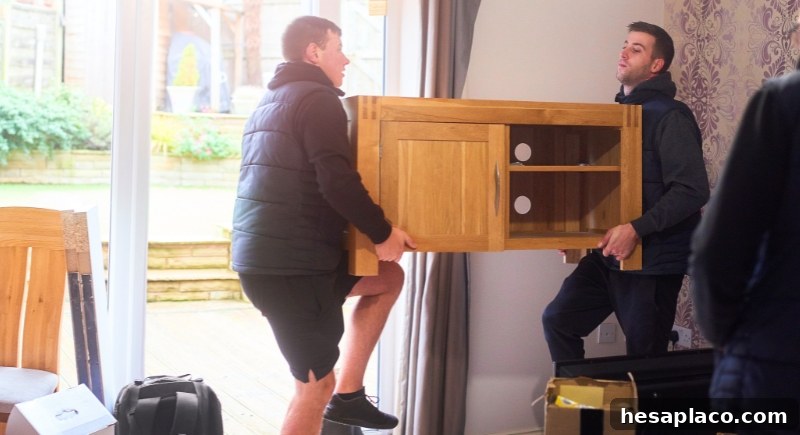
Selling Unused Furniture and Decor Put Cash Back in My Pocket
Credit: Getty Images
I was surprised by how much value was hidden in items I no longer used. Listing an extra chair, unused shelves, and decorative pieces brought in quick cash and cleared space. Selling felt like being paid to simplify.
Swapping Single-Use Tools for Multi-Purpose Alternatives Saved Space and Money

Credit: Canva
I used to own a gadget for every task, most of which rarely got used. Replacing single-use appliances with multi-purpose tools changed that quickly. One strong blender replaced three small gadgets, reducing clutter, repairs, and wasted money on items that sit unused.