Turning 60 is a natural moment to reassess spending and possessions. What once felt like small rewards—gadgets, extra décor, or premium services—can begin to strain a budget meant for travel, family, or simply peace of mind. Prioritizing function over brand names and reducing clutter helps preserve savings, simplifies daily life, and aligns possessions with shifting priorities in retirement.
Unnecessary Kitchen Gadgets
Credit: Getty Images
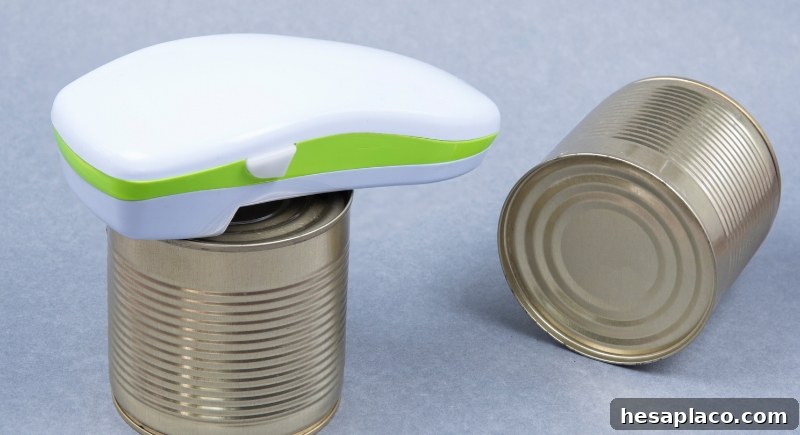
Many specialized kitchen tools promise convenience but end up taking space and causing hassle. Electric can openers, single-use appliances, and niche devices often require extra storage, batteries or electricity, and added cleaning. A few well-designed manual tools with ergonomic grips are usually safer and easier to maintain for someone over 60.
Extra Furniture
Credit: Canva
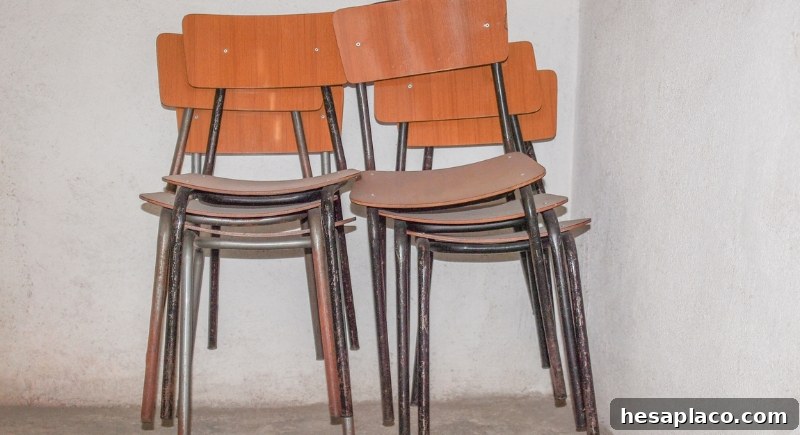
Too much furniture can turn living areas into obstacle courses. Extra chairs, side tables, and decorative pieces reduce clear pathways and make daily movement harder, increasing the risk of trips or falls. Clearing unnecessary items creates more open space, improves safety, and simplifies cleaning and mobility.
Low-Quality Cookware

Credit: freepik
Cheap pots and pans can be false economies. Thin metal, warped bottoms, or loose handles increase the risk of uneven cooking and accidental burns. Investing in a few durable, well-made pieces will last longer, perform better, and reduce safety hazards in the kitchen.
Physical Books
Credit: pexels
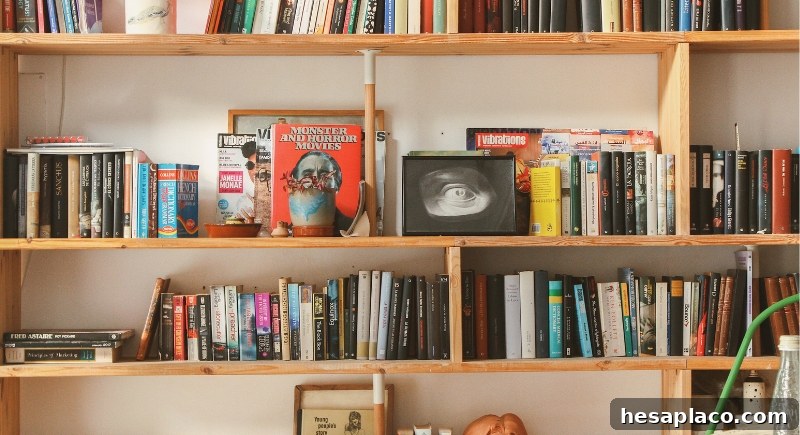
Large collections of physical books can become cumbersome as mobility or vision changes. Unread volumes take up shelf and floor space, and moving them can be tiring. E-readers or a curated selection of favorite paper books with good lighting make reading easier and free up room.
Processed Snacks

Credit: Getty Images
Shiny bags of chips, sugary cookies, and other highly processed snacks often lead to energy crashes, weight gain, and digestive discomfort. Swapping them for whole-food snacks—nuts, fruit, plain yogurt—can improve energy levels and overall health while reducing grocery waste and cost.
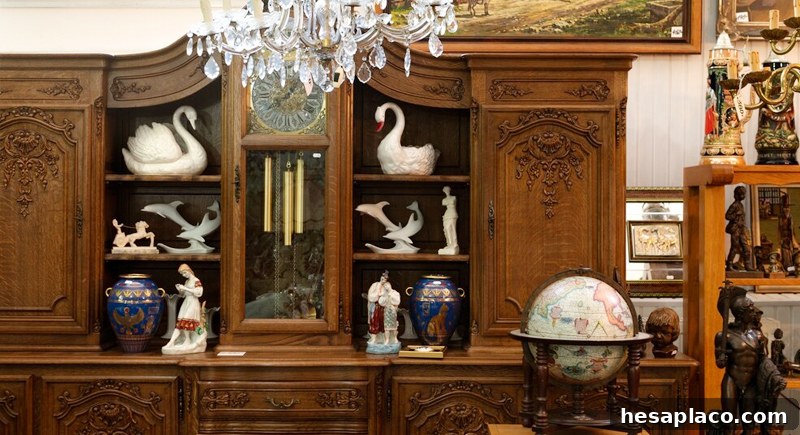
Excess Knick-knacks
Credit: freepik
Souvenirs and small decorative items can create visual clutter and physical obstacles. While some keepsakes are meaningful, too many fragile objects increase dusting and the risk of accidents. Select a few treasured pieces and store or donate the rest to simplify living spaces.
Ill-fitting Clothes

Credit: Canva
Bargain or nostalgic clothing that doesn’t fit well can make daily dressing harder. Tight garments, complex fastenings, or slippery soles increase discomfort and the likelihood of trips. Focus on comfortable, well-fitting clothes with easy closures and supportive shoes for safety and convenience.
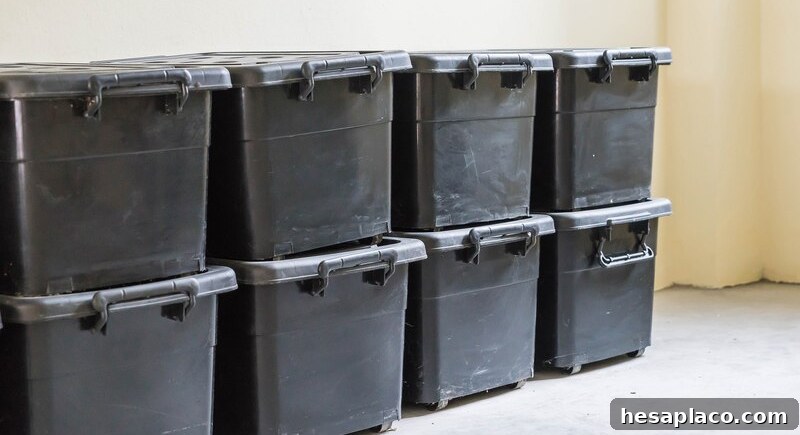
Storage Bins
Credit: freepik
While storage containers can be helpful, they often mask an underlying problem: too much stuff. Closets and corners fill quickly with bins, making retrieval harder and clutter more persistent. Reducing new purchases and decluttering regularly decreases dependence on storage solutions.
Disposable Decoration Pieces

Credit: Canva
Seasonal decorations that are used briefly and then discarded add clutter and cost over time. Choosing a few durable, reusable decorations in classic styles reduces waste, simplifies storage, and makes seasonal decorating less stressful.
Latest Electronic Gadgets

Credit: Canva
Constantly upgrading devices often adds complexity without meaningful benefit. Many people over 60 find older phones, tablets, and laptops meet essential needs—calling, texting, browsing—without frequent updates or confusing new features. Keep technology that works and only upgrade when it clearly improves usability or security.
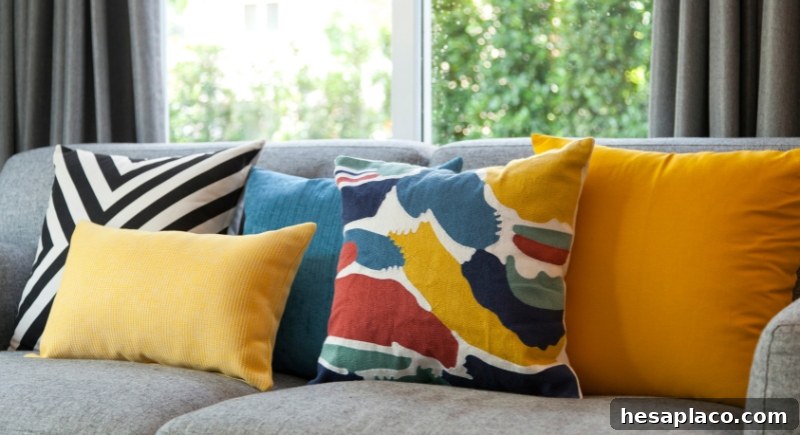
Decorative Pillows
Credit: Getty Images
Throw pillows can look cozy but often end up as tripping hazards or clutter. Too many pillows make sitting and moving around furniture harder and add to cleaning time. Keep a small number of functional, non-slip cushions that add comfort without creating obstacles.
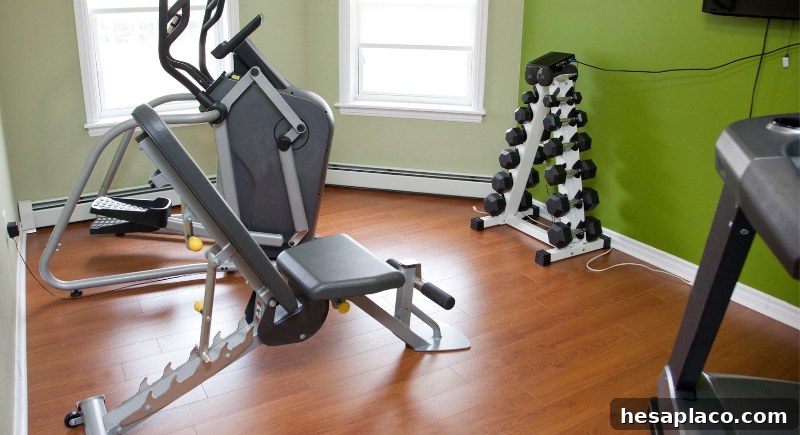
Bulky Gym Machinery
Credit: Getty Images
Large, heavy gym equipment often sits unused and consumes space. For most people, light dumbbells, resistance bands, and a stable chair for seated exercises provide safe, effective strength and mobility work. These options are cheaper, easier to move, and suitable for home routines.
Specialized Cleaning Products

Credit: Getty Images
Multiple cleaners for different surfaces can clutter cabinets and complicate chores. Lifting heavy bottles and handling strong chemicals may also irritate skin or lungs. Simple, multi-purpose solutions like vinegar, baking soda, and mild soap are often sufficient and gentler to use.
Trendy Shoes

Credit: Getty Images
Fashionable seasonal footwear is tempting but often impractical. Many trendy styles lack the cushioning, arch support, or non-slip soles that promote safe walking. Prioritize comfortable shoes with good traction and support to reduce falls and foot pain.
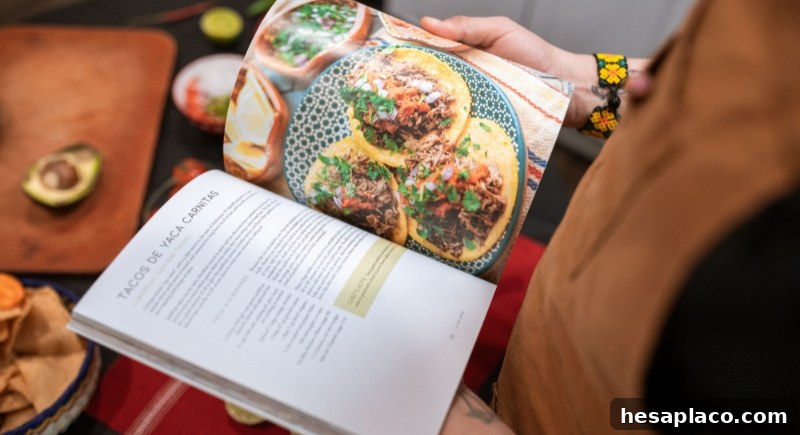
Oversized Cookbooks
Credit: pexels
Large, glossy cookbooks with complex recipes can be inspiring but often remain unopened. Exotic ingredients and long prep steps aren’t always practical for daily meals. A concise collection of simple, reliable recipes tailored to personal tastes is easier to use and store.
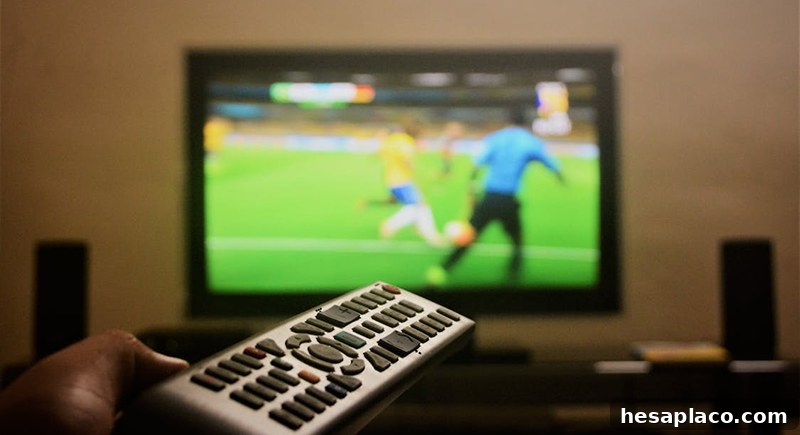
Premium Cable TV Packages
Credit: pexels
Expensive cable bundles often include channels you never watch and add recurring costs. Streaming services and a la carte options can provide the shows you enjoy at lower monthly prices. Trimming a cable bill or switching to flexible streaming saves money and simplifies entertainment choices.
High-Maintenance Landscaping

Credit: pexels
Ornate gardens and manicured lawns look beautiful but often require regular work, water, and expense. Switching to low-maintenance landscaping—native plants, drought-tolerant ground cover, and simpler beds—reduces upkeep, lowers costs, and keeps outdoor areas pleasant without heavy labor.
Reevaluating what you buy and keep after 60 isn’t about denying enjoyment—it’s about making smarter choices that protect health, safety, and finances. Streamlining possessions, choosing quality over quantity, and focusing on practical, comfortable items can make everyday life easier and more enjoyable during retirement.