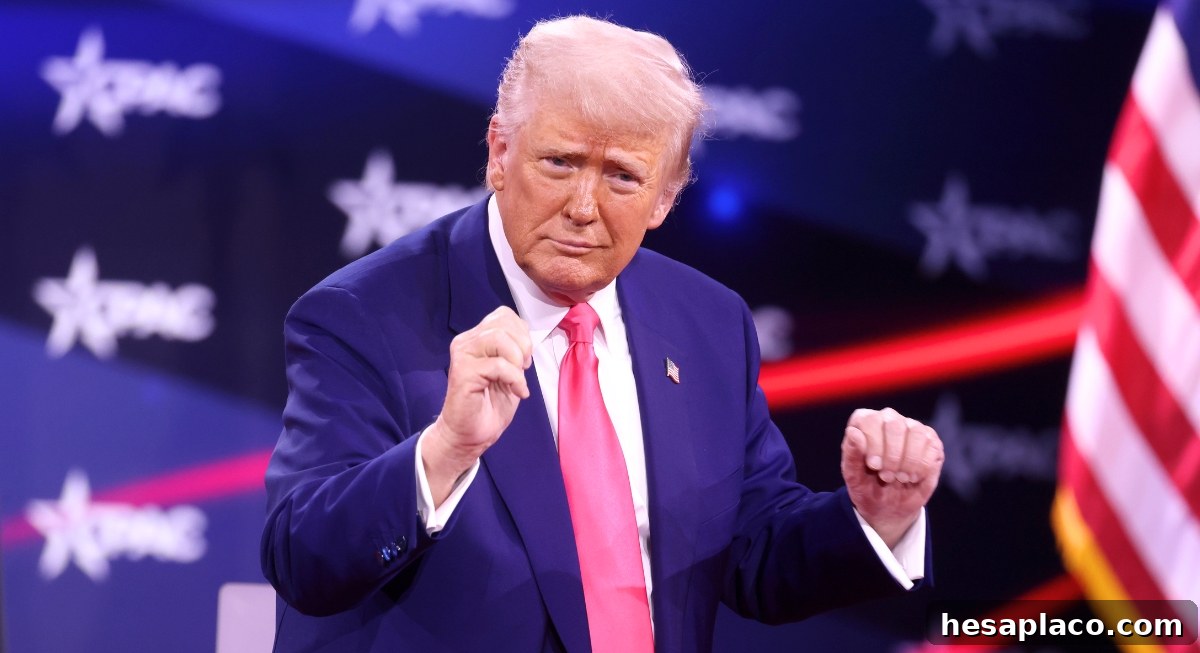
Twenty states have mounted a coordinated legal challenge to the Trump administration’s latest education directive, which conditions federal funds on the elimination of diversity, equity, and inclusion (DEI) programs. The administration warned it could withhold federal education dollars unless states certify that their schools do not engage in prohibited DEI activities. Several judges have already issued temporary pauses on enforcement, and the states are seeking a definitive court ruling to block the directive permanently.
States Push Back Against the Directive
Credit: flickr
The lawsuit filed in Massachusetts contends the administration’s demands are so vague they leave educators uncertain about routine practices—such as supporting student cultural clubs or mentorship programs for underrepresented students. Plaintiffs argue the directive jeopardizes academic freedom and efforts to ensure equitable opportunities for all students.
Public Schools Reacted with Alarm
Credit: flickr
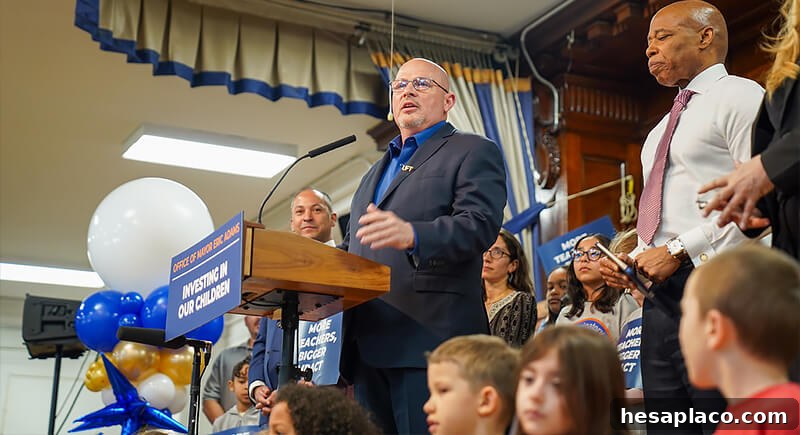
On April 3, 2025, many school administrators reported confusion and concern. Leaders scrambled to determine whether long-standing student organizations, curriculum adjustments, or specialized supports might suddenly be deemed impermissible. Unlike earlier disputes that focused mainly on higher education admissions, this policy directly affects K–12 systems where DEI initiatives often support lesson planning, student services, and special education.
February Memo Set the Stage
Credit: Reddit
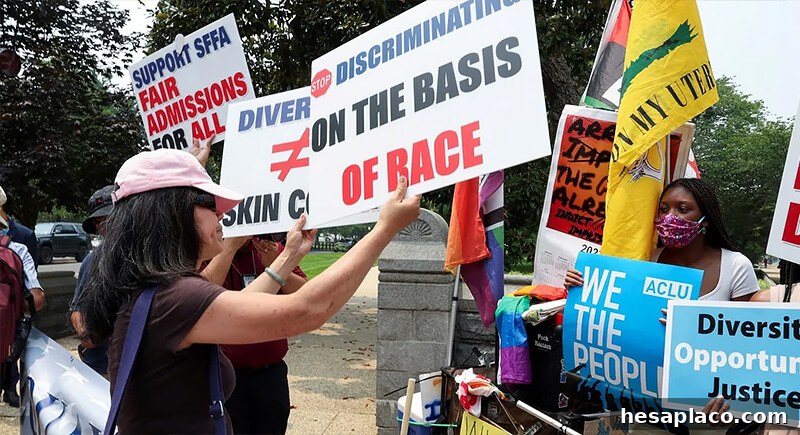
The April directive builds on a February memo aimed at eliminating practices that treat people differently based on race in public education. By early April, that guidance evolved into a requirement for states to certify that “illegal DEI practices” do not take place in their schools—language that many education officials found unclear and sweeping.
States Reject a Rushed April Deadline

Credit: freepik
Many states refused to comply with the administration’s rushed April 24, 2025 certification deadline, arguing the requirements lack necessary clarity and may exceed federal authority. Connecticut, among others, paused to scrutinize the mandate before taking any action.
Massachusetts Takes the Lead in Court
Credit: Facebook
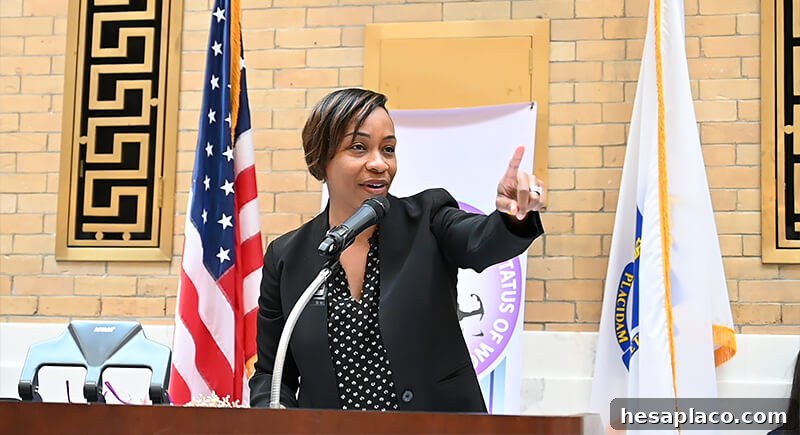
Massachusetts Attorney General Andrea Joy Campbell has led the legal challenge, asserting that DEI programs are lawful and play an essential role in creating safe, welcoming schools. The states maintain that these programs help students feel seen and supported while promoting equitable educational outcomes.
States Seek to Protect $13.8 Billion in Education Funding
Credit: flickr
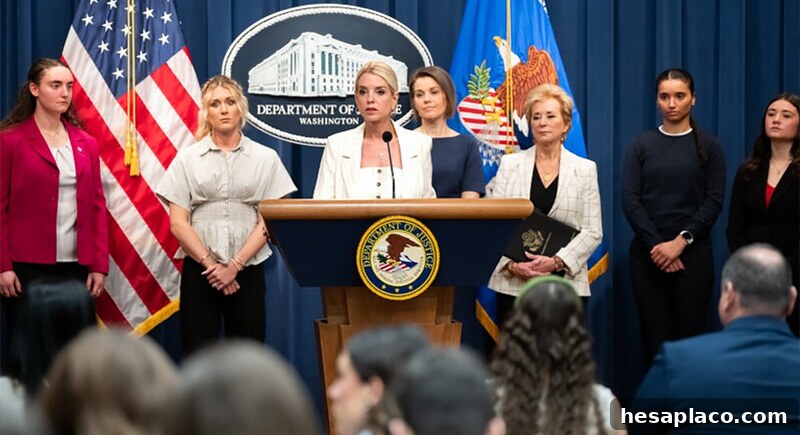
The stakes are substantial: the challenge seeks to protect more than $13.8 billion in federal education support. States argue they will not accept having critical funding used as leverage to force policy changes that are ambiguous and potentially unlawful.
Longstanding Programs Left in Limbo

Credit: flickr
Programs developed over years—often in partnership with families and community organizations—were suddenly uncertain. By suing, these states aim to preserve program stability and the trust schools have built with students and families, resisting shifting political directives that could disrupt services.
Education Secretary Defends the Certification

Credit: flickr
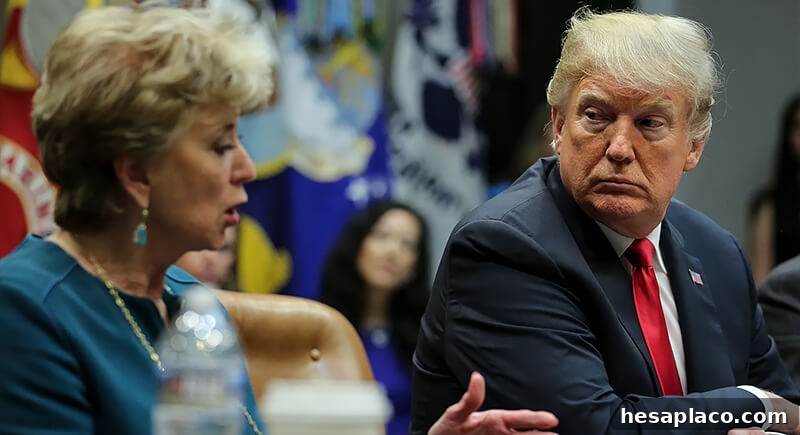
Education Secretary Linda McMahon has defended the directive as a routine measure to ensure compliance with civil rights laws. She described the certification form as a standard administrative check similar to other paperwork schools already complete.
Critics Warn of Confusion and Chilling Effects
Credit: X
Opponents warn the vague language could result in funding cuts or fines and chill legitimate DEI activities. There is concern that well-intentioned programs aimed at supporting underrepresented students could be mischaracterized as discriminatory under the directive’s broad wording.
Which States Are Suing
Credit: flickr
The 20 states participating in the lawsuit are Maine, Massachusetts, California, Colorado, Connecticut, Delaware, Hawaii, Illinois, Maryland, Michigan, Minnesota, Nevada, New Jersey, New Mexico, New York, Oregon, Rhode Island, Vermont, Washington, and Wisconsin. Their collective action represents a cross-regional coalition opposing the directive.
Concerns About Free Speech in Classrooms

Credit: flickr
Legal observers and some judges have warned the directive could chill teachers’ speech and classroom discussion. Recent rulings in Maryland, Washington, D.C., and New Hampshire have already blocked related efforts, signaling judicial skepticism about overly broad restrictions on educational practices.
Judges Express Constitutional Concerns
Credit: Reddit
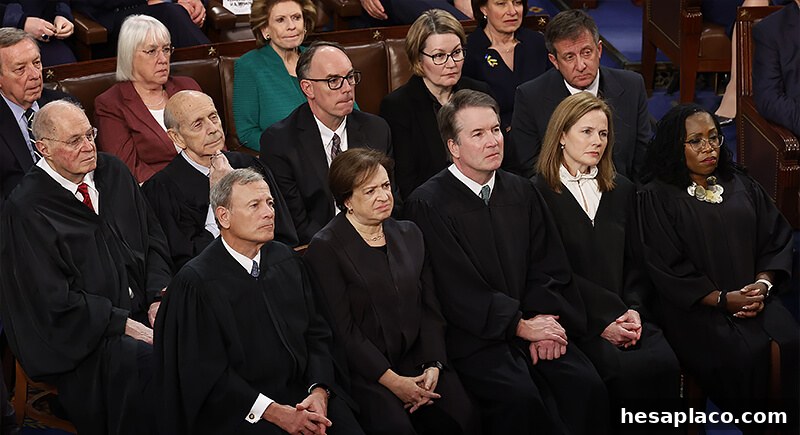
In cases challenging similar measures, judges have questioned whether the administration can lawfully impose such conditions and whether the directive infringes on constitutional protections for free expression. Courts have cited the potential for sweeping, unclear restrictions that could stifle constructive classroom conversations about race, identity, and equity.
Anti-DEI Push Reaches Beyond Schools
Credit: flickr
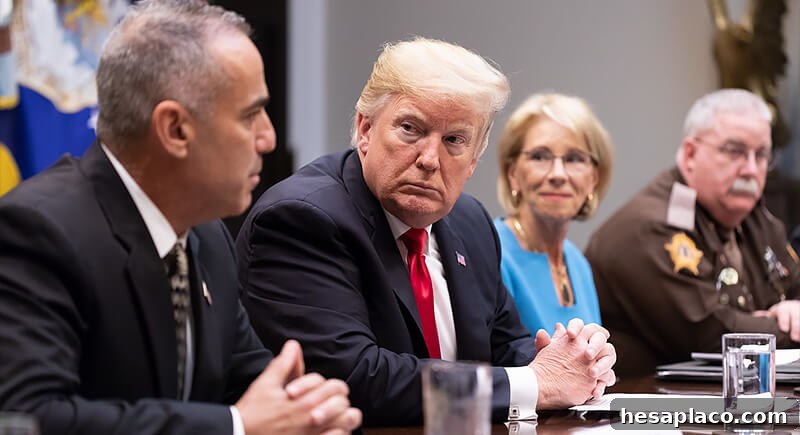
The administration’s actions on DEI in public education are part of a broader movement affecting businesses and government agencies. Efforts to limit or roll back inclusion initiatives have appeared across multiple sectors, prompting wider debates about how public policy should treat diversity and equity efforts.
Court Temporarily Blocks Enforcement
Credit: Wikimedia Commons
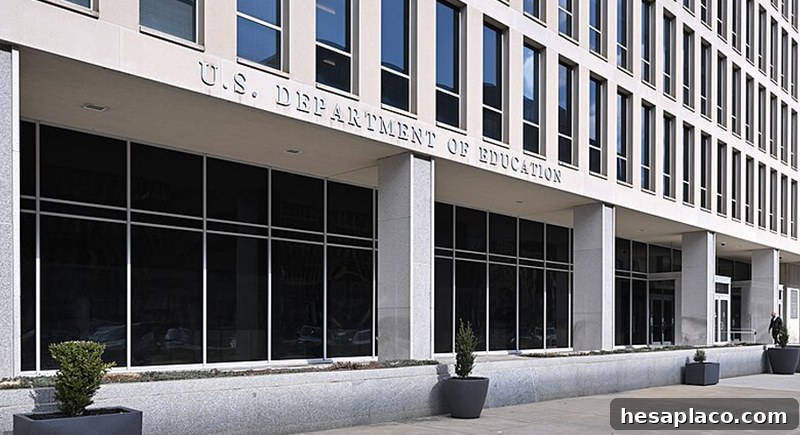
Federal judges intervened after several states sued, issuing temporary injunctions that block enforcement of the Education Department’s funding conditions. Courts cited the directive’s vague terms and questioned whether the agency had the authority to impose such conditions on states. The rulings pause immediate pressure on schools while litigation continues.
Separate Lawsuit Targets USDA Funding Conditions
Credit: Instagram
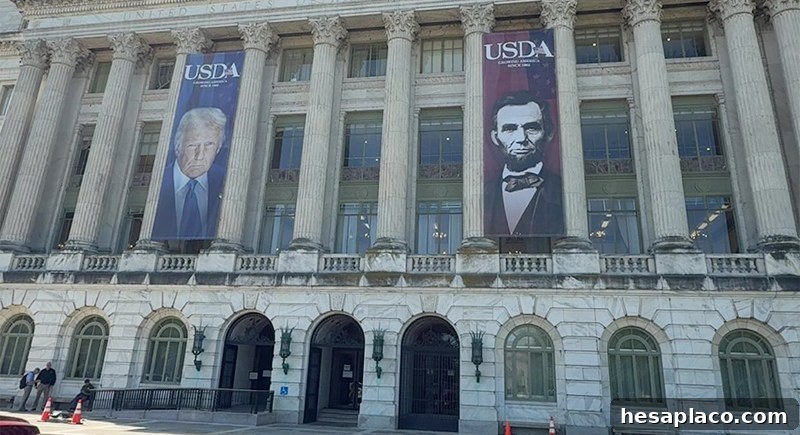
The dispute has spilled over beyond education: several states have filed a separate lawsuit challenging conditions tied to USDA funding. Plaintiffs argue those conditions are similarly vague and exceed the agency’s statutory authority. By contesting both actions, states aim to push back against what they describe as an expansive federal approach to conditioning aid on specific policy changes.