A well-aged bottle in your cellar can be a collector’s treasure. Whether your taste has changed, you’ve inherited more Bordeaux than you can drink, or a long-cherished vintage has finally matured, selling it requires preparation beyond curiosity and a corkscrew.
Knowing What Your Bottle Is Worth
Credit: Getty Images
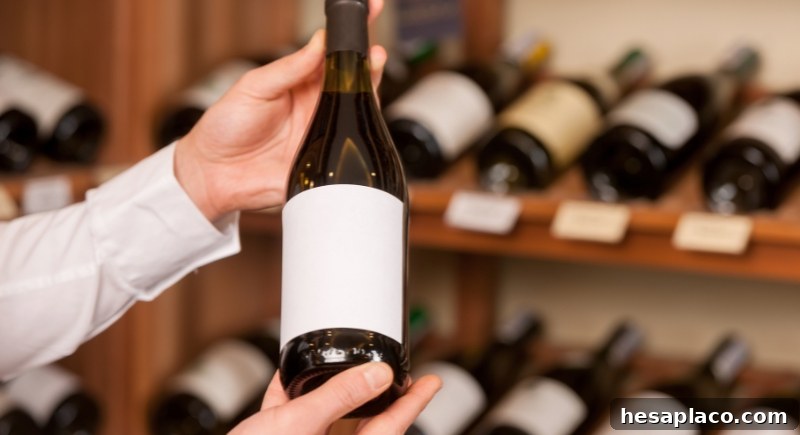
Before listing a bottle, determine its market value. Relying on what you paid or retail listings won’t satisfy serious buyers. Use auction databases and pricing tools that aggregate decades of results to find comparable sales. Accurate pricing helps set realistic expectations and attracts qualified buyers.
Understanding the Costs
Credit: Canva
Fees can significantly reduce your net proceeds. Seller commissions, buyer premiums, shipping, and insurance often add up—commissions alone can approach 10% or more. Factor in all charges when setting your asking price so you understand how much you’ll actually receive after the sale.
Significance of Physical Attributes
Credit: Getty Images
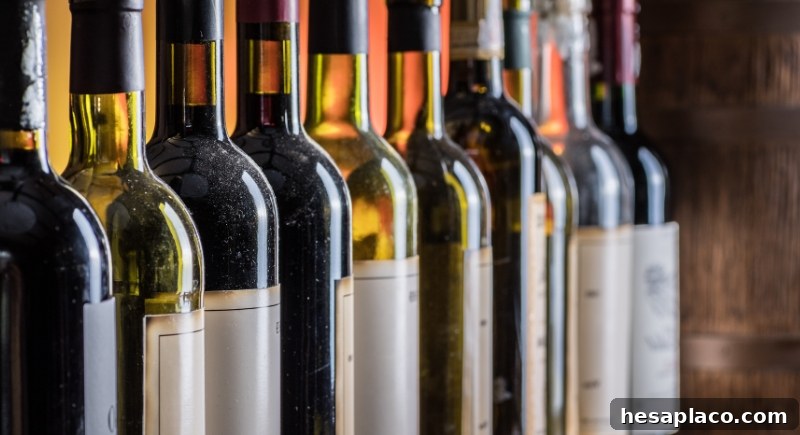
Physical condition matters. Collectors and auction houses closely inspect fill level (ullage), label integrity, capsule condition, and any signs of damage. A high fill level signals proper storage and minimal evaporation, while low fill or stained labels can indicate potential oxidation or poor handling and lower value.
Your Drink’s Story Helps It Sell
Credit: Getty Images
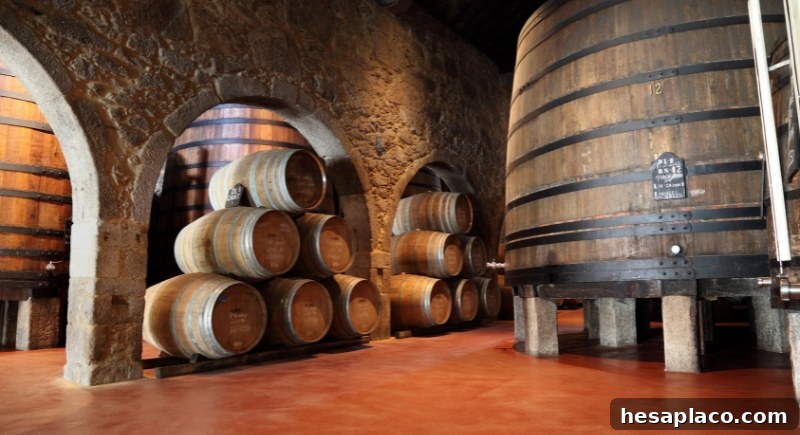
Provenance strengthens a listing. Buyers want to know how a bottle was stored and who handled it. Clear documentation—purchase receipts, storage records, and a consistent ownership history—reduces buyer uncertainty and can increase confidence and price.
Terroir and Vinification’s Influence
Credit: Canva
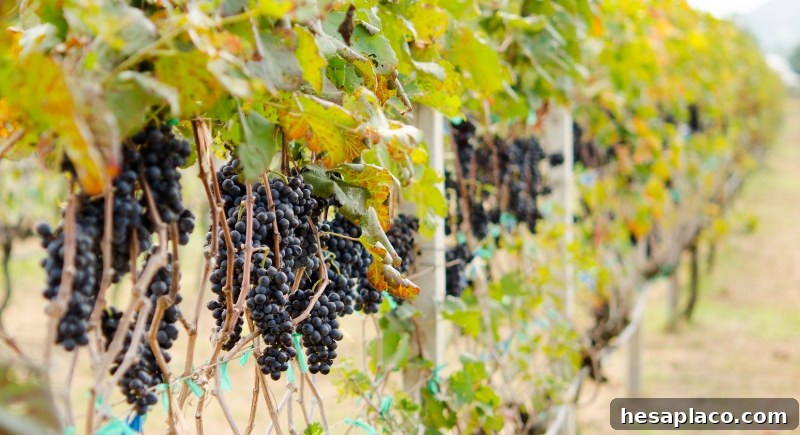
Where and how the grapes were grown—terroir—affects taste and desirability. Soil, microclimate, grape variety, vintage conditions, and winemaking choices like oak aging all shape a bottle’s character. Collectors pay attention to these factors when assessing quality and investment potential.
Following the Rules
Credit: Getty Images
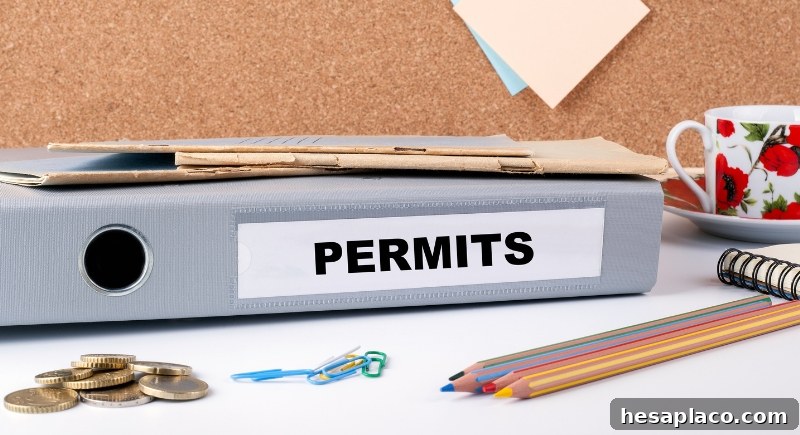
Know and follow local regulations. Laws on selling alcohol vary by jurisdiction and may require permits or licenses, especially for sales to businesses. Always verify age and identity of buyers. Consulting a local legal expert can prevent violations and save time down the road.
Good Places to Auction

Credit: flickr
Auction houses reach serious collectors and can deliver strong results. Online platforms offer convenience and broad exposure, while specialist auctioneers handle high-value bottles with meticulous cataloging and marketing. Choose a platform that aligns with your bottle’s quality and your desired sales timeline.
Using a Broker
Credit: freepik
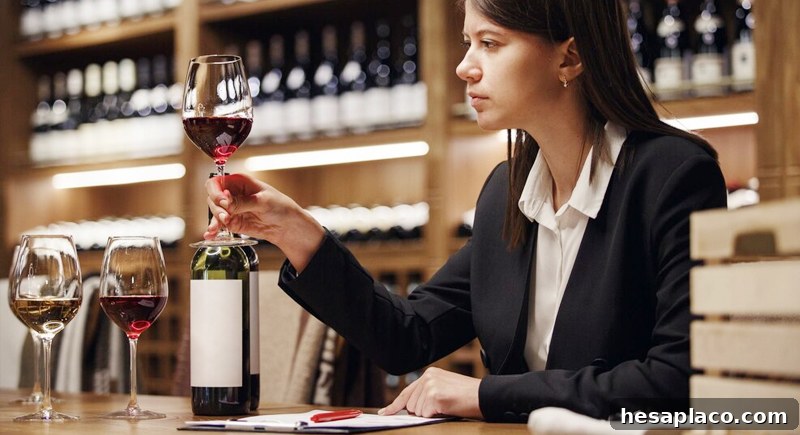
Brokers offer two main paths: consignment or direct sale. Consignment can yield a higher price because the broker markets the bottle to the right buyers, but it takes time. A direct sale provides immediate payment but typically at a lower price. Consider your priorities—speed versus maximizing return—when choosing.
The Tricky Laws About Selling

Credit: freepik
Alcohol regulations differ widely. In many U.S. states, private retail sales are restricted even with licenses; the UK also enforces strict licensing requirements. Make sure you understand regional rules and obtain necessary permits to avoid fines or legal issues.
Making the Bottle Look Good
Credit: freepik
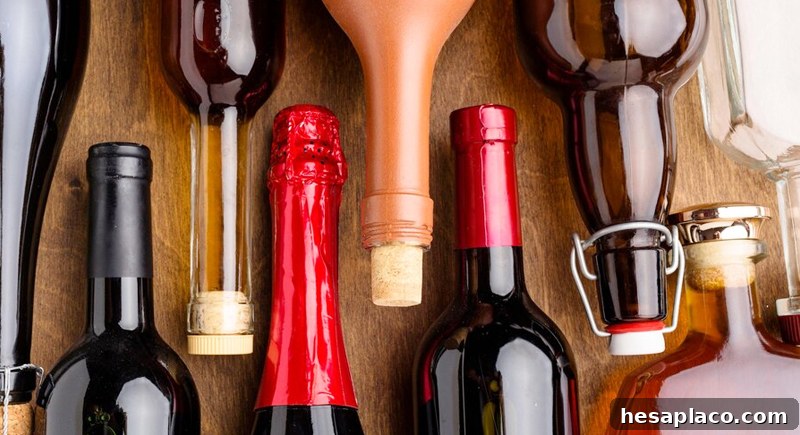
Presentation matters. Clean the bottle gently, ensure the label and capsule are intact, and take clear, high-resolution photos showing the label, capsule, and fill level. Good visuals improve buyer confidence and make your listing stand out.
Giving Buyers All the Important Details

Credit: Getty Images
Include essential information: vintage, producer, region, and any awards or critical praise. Describe storage conditions and note anything unique—limited production, single-vineyard status, or special bottlings. Transparency builds trust and makes buyers more comfortable bidding or purchasing.
Getting an Expert Appraisal

Credit: Canva
An expert appraisal adds credibility, particularly for older vintages or rare labels with limited market history. Appraisers consult pricing databases, review provenance, and assess storage impact to give a reliable valuation useful for selling, insurance, or estate planning.
Facilitating Buyer Due Diligence

Credit: Getty Images
Be prepared to answer questions. Offer purchase receipts, storage records, and clear photos that show label, capsule, and fill level. The more information you provide, the faster buyers can decide and the smoother the sale process will be.
Shipping Safely
Credit: freepik
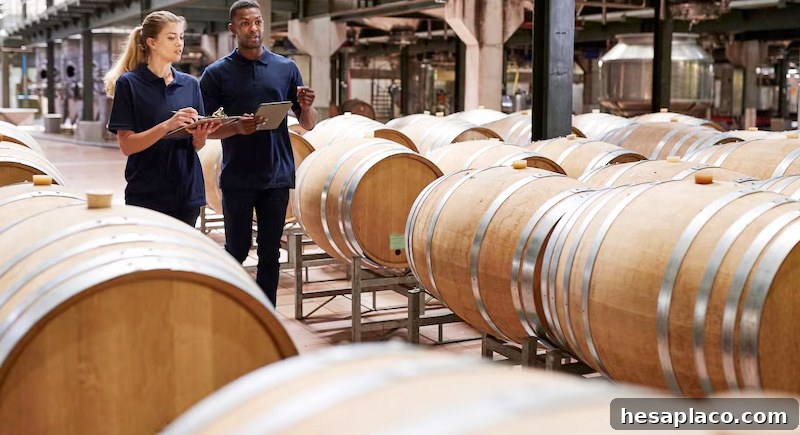
Pack carefully to avoid damage. Use sturdy shipping boxes designed for bottles, with inserts or dividers that secure each bottle. Wrap bottles in bubble wrap or foam sleeves, fill voids with padding, and label the package clearly as fragile to ensure safe transit.
Insuring Against Loss

Credit: freepik
Insurance is essential for valuable bottles. It protects against loss, breakage, and shipping mishaps. For international sales, confirm import rules and required documentation to prevent delays, fines, or confiscation.
Authenticity and Counterfeit Prevention
Credit: iStockphoto
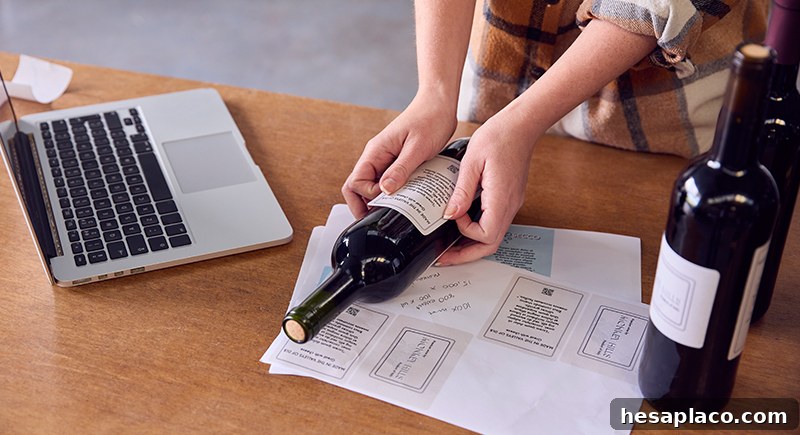
Buyers expect proof of authenticity. Keep labels and capsules intact and provide any original receipts or provenance documents when available. Because counterfeit bottles exist, documentation and clear images that verify the bottle help set your listing apart and reassure buyers.
Seasonal Timing for Sales
Credit: iStockphoto
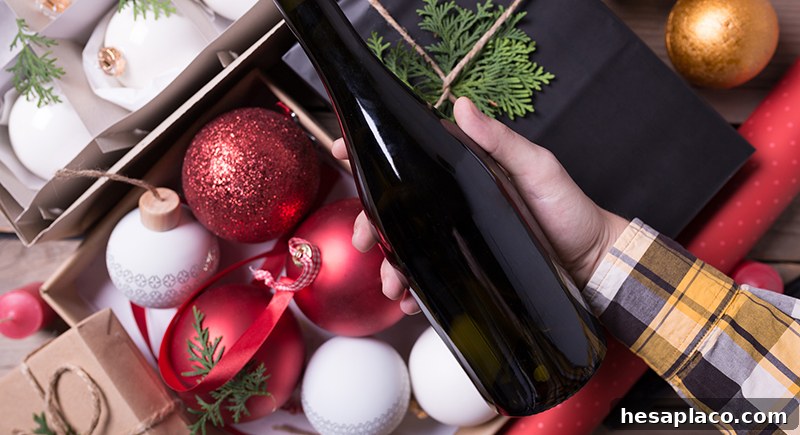
Timing can influence interest and final price. Holiday seasons, major auctions, and cooler months typically draw more collectors. List when your target audience is most active to increase visibility and the chance of a competitive sale.