
Not all jobs are created equal, and the place where you work can matter as much as the employer. People Managing People’s 2025 workplace culture report evaluates all 50 states and the District of Columbia using 22 data points, including pay, benefits, turnover, and workplace protections. Below is a clear, state-by-state overview highlighting areas where workers face the greatest challenges and where employers and policymakers are setting strong examples.
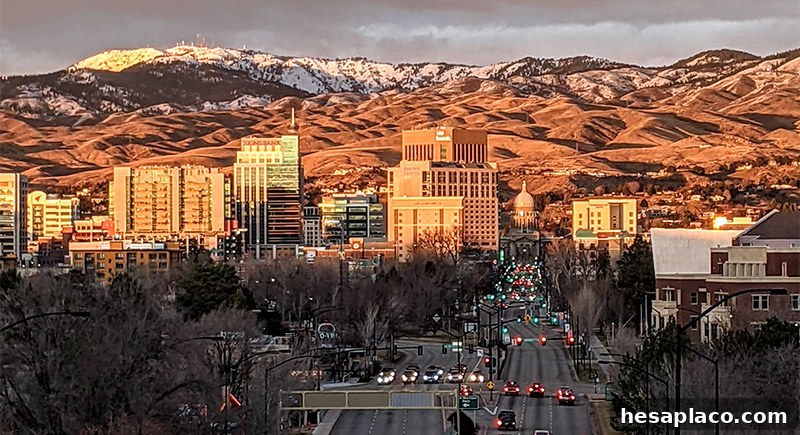
Idaho Has the Nation’s Most Dissatisfied Workers
Credit: Wikimedia Commons
Idaho ranks at the bottom overall. Compensation is below the national average, but the issue extends beyond pay: access to mental health services is limited, job flexibility is scarce, and wellness support is minimal. The state also lacks comprehensive employment protections, leaving many workers without meaningful workplace safeguards.
Wyoming Struggles with Turnover and Lack of Support

Credit: flickr
Wyoming’s high turnover—among the highest in the country—drives its poor ranking. Paid leave is uncommon, overtime incentives are limited, and employee development programs are scarce. Many workers face long hours and few opportunities for advancement or recognition.
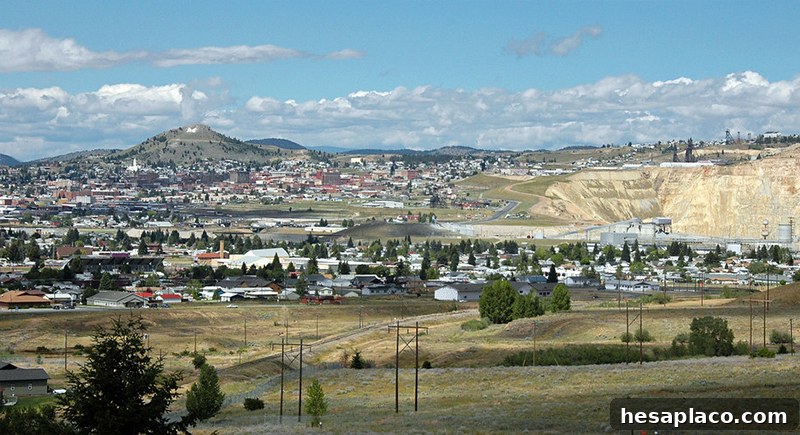
Montana Offers Scenic Views but Tough Work Conditions
Credit: flickr
Although Montana is known for its natural beauty, workplace indicators are weak. Resignation rates and limited income opportunities point to a troubling trend of employees leaving jobs. Paid holidays, retirement offerings, and comprehensive health plans are often lacking, especially outside larger metropolitan areas.
Nevada Falls Short on Job Security and Leave Packages

Credit: flickr
Nevada’s hospitality-driven economy contributes to unpredictable schedules, shift work, and comparatively low vacation averages. The quit rate remains above the national median, and many employees lack access to reliable health insurance or paid sick days.
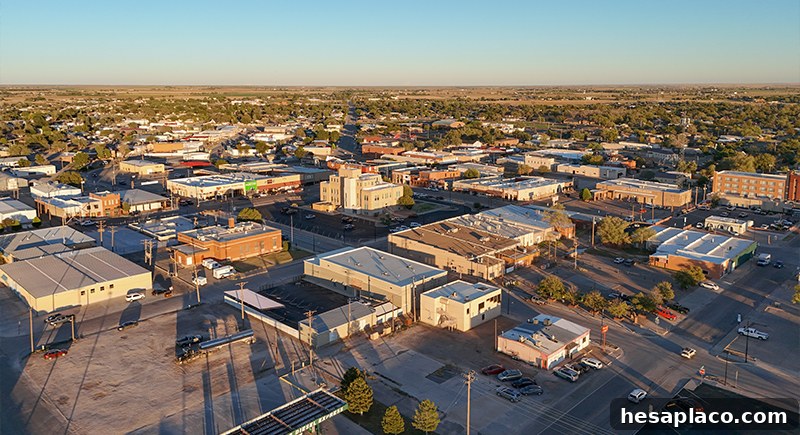
New Mexico Struggles to Keep Workers Happy
Credit: Wikimedia Commons
Workers in New Mexico report low job satisfaction tied to limited family-support leave, lower average wages, and minimal employee assistance programs. Rural communities, in particular, face gaps in benefits and workplace flexibility that make retention difficult.
Arizona Misses the Mark on Health and Wages

Credit: Wikimedia Commons
Arizona’s challenges include subpar earnings and limited wellness programs. Paid sick leave is often minimal, and high stress with little employer support contributes to morale problems. Although job growth exists, it has not consistently translated into better working conditions.
Utah Offers Fast Growth but Few Worker Protections

Credit: flickr
Despite a booming tech-driven economy, Utah’s employment growth has not always brought robust benefit packages. Average pay lags behind other high-growth states, union representation is low, and workers frequently report burnout and poor work-life balance.
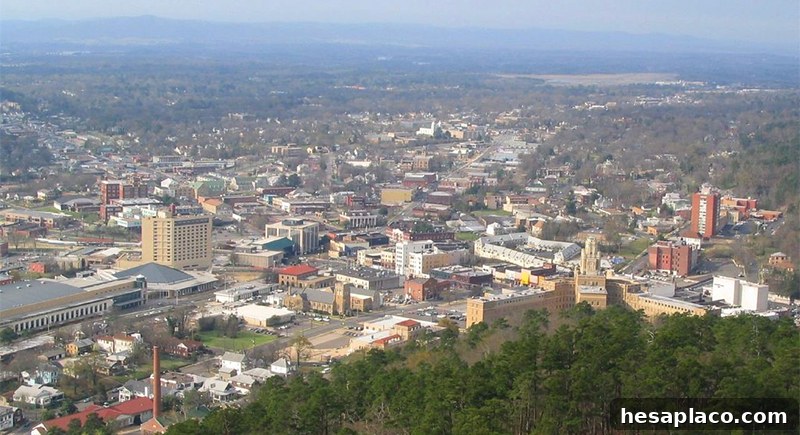
Arkansas Lacks in Compensation and Career Support
Credit: flickr
Arkansas faces persistent challenges with one of the nation’s lowest median incomes and limited time-off allowances. Many workers hold multiple jobs to cover basic expenses. Employer-sponsored health care and career development programs are often sparse, particularly among small businesses.
Texas Sees High Quit Rates and Workload Stress

Credit: flickr
Texas attracts businesses but often provides fewer worker protections: paid sick and parental leave are not required at the state level, and training programs and safety oversight can be inconsistent. Long hours and high attrition contribute to workplace stress for many employees.
Oklahoma Offers Low Wages and Few Benefits

Credit: Wikimedia Commons
In Oklahoma, average wages sit well below the national mean and many positions lack medical coverage or paid vacation. Labor laws don’t mandate paid parental or sick leave, and retirement planning options are limited—issues that disproportionately affect older workers and those with caregiving responsibilities.
Maryland Balances Pay with Flexibility

Credit: flickr
Maryland ranks among the better states thanks to competitive salaries, paid sick leave, and active enforcement of workplace safety. Many employers provide hybrid and remote options, and retirement planning resources are widely available, contributing to job security and higher long-term retention.
Ohio Surprises with Steady Work Conditions

Credit: flickr
Ohio earns a spot among the more stable states with low staff turnover and growing investment in employee well-being. While wages are moderate, a reasonable cost of living combined with employer-provided training and wellness perks helps maintain workplace satisfaction.
California Sets the Bar with Worker-Friendly Laws

Credit: Getty Images
California enforces many progressive labor standards: paid family leave, robust wage levels, mandatory health benefits in many contexts, and strong anti-discrimination protections. Fair scheduling laws and guaranteed meal and rest breaks also contribute to better employee well-being and workplace fairness.
Washington State Embraces Paid Time and Fair Wages

Credit: flickr
Washington is notable for a high minimum wage and comprehensive paid sick leave laws. Strong job training initiatives and worker protections help employers recruit and retain talent across sectors, contributing to a generally positive work environment.
Connecticut Prioritizes Leave and Labor Rights

Credit: flickr
Connecticut ranks highly thanks to 12 weeks of paid family leave, strong workplace safety enforcement, and above-average salaries. Employer-sponsored health care and retirement plans are common, and resignation rates remain relatively low due to balanced labor protections.
Massachusetts Wins on Flexibility and Security

Credit: flickr
Massachusetts offers paid sick leave, generous unemployment benefits, and protections for part-time workers. Hybrid schedules are common, laws limit excessive hours, and average wages are strong—factors that support a healthier work-life balance and higher retention.
New Jersey Combines High Pay with Time Off

Credit: flickr
New Jersey places among the top states thanks to high average salaries and one of the strongest paid family leave programs nationwide. Strong enforcement against wage theft and active union protections further support worker stability.
Illinois Promotes Longevity and Labor Rights

Credit: Wikimedia Commons
Illinois ranks highly because of strict anti-retaliation laws, retirement plan access, and investments in workforce development. Cities like Chicago offer well-paying opportunities and programs that support long-term career growth.
New York Supports Workers Through Pay and Policy

Credit: pexels
New York benefits from a strong minimum wage, mandated sick leave, and extensive worker protections. Fair scheduling rules, job-protected family leave, and high union participation help workers access career support and wellness benefits, especially in major metropolitan areas.
Washington, D.C. Ranks Best for Pay and Protection
Credit: Getty Images
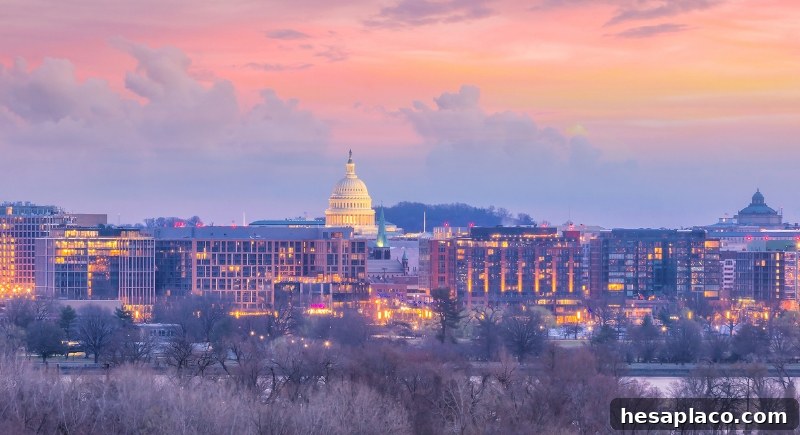
Washington, D.C. tops the list with the highest average salaries, shorter workweeks, and strong labor regulations. Turnover is low, and most jobs include paid sick leave and ample vacation. Active labor organizations and regulatory protections also contribute to higher employee satisfaction.
Vermont Leads the Way in Workplace Wellness
Credit: Getty Images
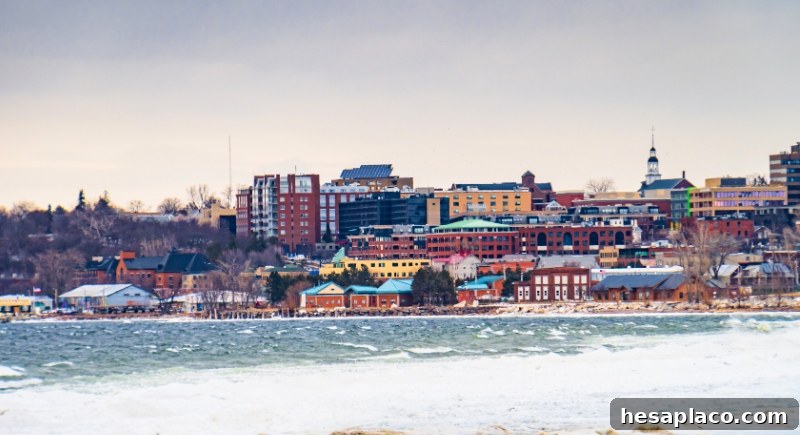
Vermont consistently scores well for employee well-being initiatives. Statewide programs encourage mental health support, physical activity, and family-friendly policies, and employers increasingly invest in wellness measures that improve satisfaction and productivity.
Oregon Sets the Standard for Employee Equity
Credit: Getty Images
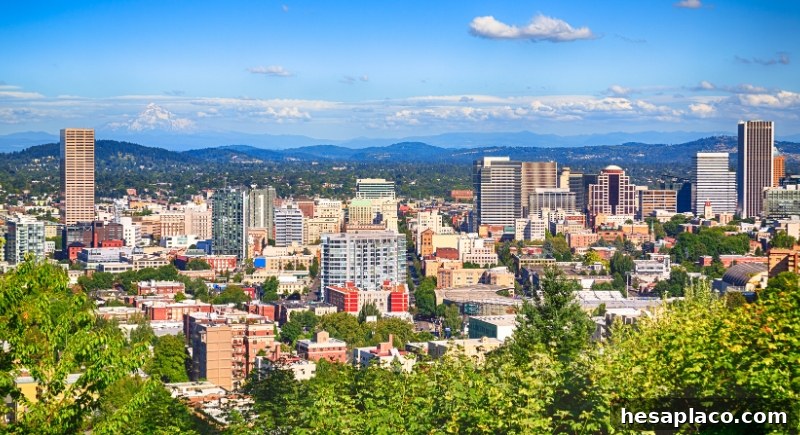
Oregon emphasizes fairness and inclusion, backed by policies and employer practices that support equity across workplaces. Research shows that inclusive cultures enhance team performance and create more effective, supportive work environments.