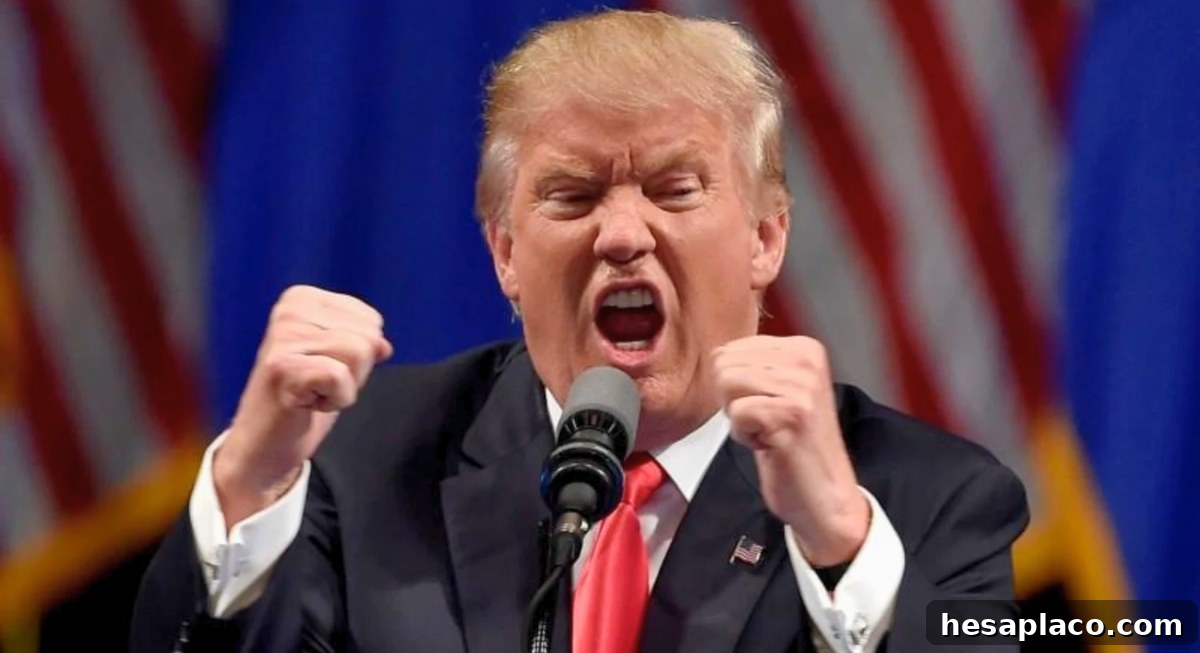
Donald Trump’s business history extends beyond high-rise buildings and licensing agreements. It also includes a long list of discontinued ventures and failed brands. While some of these enterprises collapsed due to changing market conditions, others faltered because of poor management, ill-timed launches, or branding that didn’t match consumer demand. Reviewing these failures helps illuminate how the Trump name has been used across industries—and why some products and ventures never gained traction.
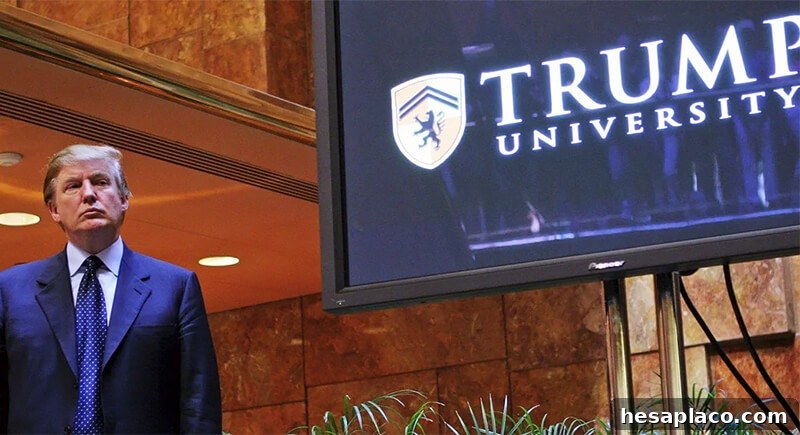
Trump University
Credit: Reddit
Presented as an insider program for learning real estate investing, Trump University operated without formal accreditation and relied on instructors whose credentials were frequently questioned. The program faced multiple lawsuits alleging deceptive practices and false promises. In 2017 the organization agreed to a $25 million settlement, closing a chapter that left many participants feeling misled.
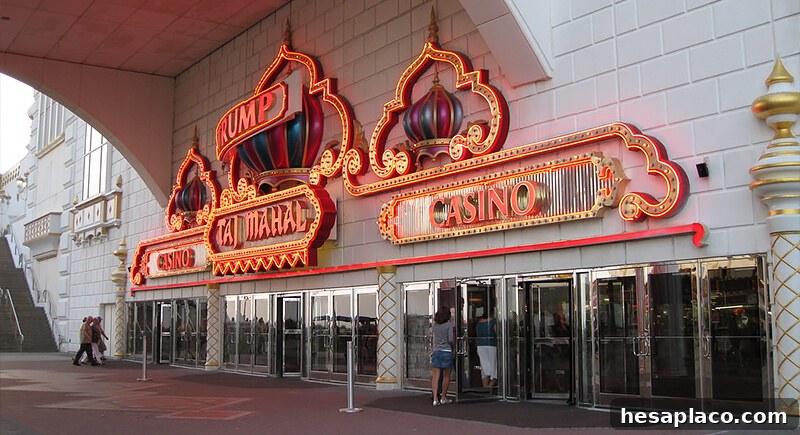
Trump Casinos
Credit: flickr
The Trump-branded casino properties—such as the Trump Taj Mahal, Trump Plaza, Trump Castle and Trump World’s Fair—aimed to deliver opulence but ran into persistent financial problems. The Taj Mahal filed for bankruptcy multiple times and eventually closed in 2016. Heavy debt loads, operational costs, and competitive pressures led to sales or rebranding under new ownership for several properties.
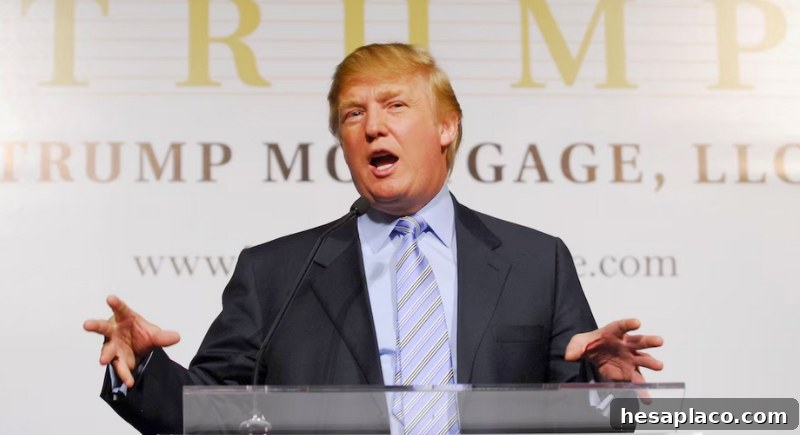
Trump Mortgage
Credit: X
Launched in 2006 as the housing market headed toward crisis, Trump Mortgage struggled to gain credibility and sustainable business. The company’s leadership faced scrutiny over exaggerated credentials, and the 2008 mortgage collapse delivered an additional blow. The operation folded within roughly a year and a half of its debut.
Truth Social

Credit: flickr
Created in 2022 as an alternative social platform, Truth Social positioned itself as a site free from mainstream content moderation. Despite initial curiosity and high-profile promotion, the platform struggled with technical problems, limited advertising revenue, and slow user growth. By 2025 the parent company, Trump Media & Technology Group, reported sizable losses and continued uncertainty about the platform’s long-term prospects.
Trump Steaks
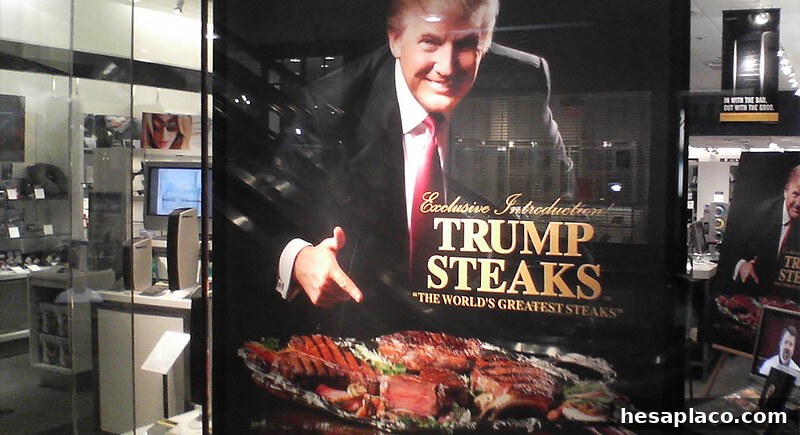
Credit: flickr
Introduced in 2007 as a premium meat line, Trump Steaks were sold through nontraditional channels for food—most notably The Sharper Image and QVC. The product saw brisk promotional activity but very weak sales. Within a few months the line was discontinued, with retailers and executives later admitting demand had been negligible.
The Trump Network
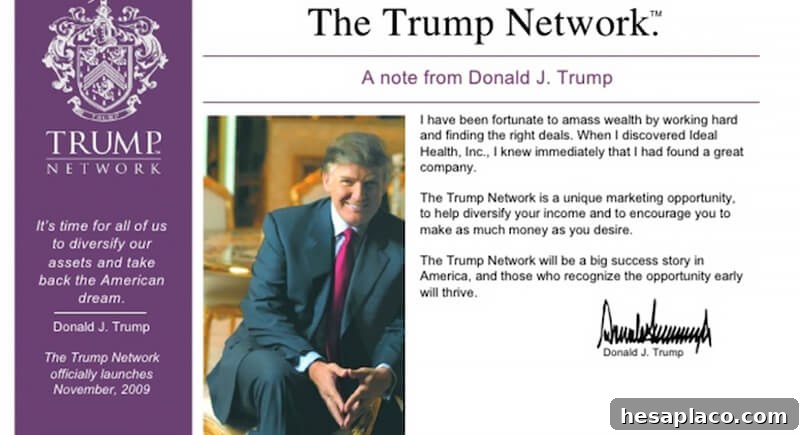
Credit: Republic Report
Backed by Trump in 2009, The Trump Network operated as a multi-level marketing company selling wellness supplements and a home testing kit called the PrivaTest. The scientific basis for the product claims was thin, and the MLM structure left many distributors financially exposed when the company quietly closed in 2012.
Trump Vodka
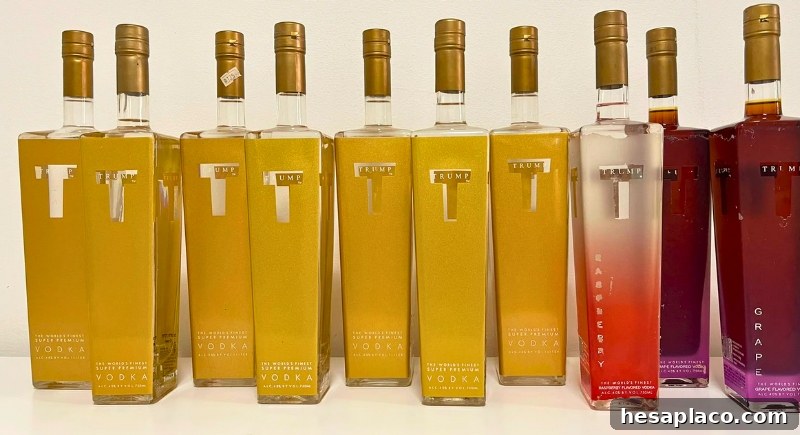
Credit Reddit
Launched in 2006 with a gold-accented bottle and luxury positioning, Trump Vodka sought to compete with premium vodkas on the market. Distribution challenges and limited consumer interest meant it never developed a loyal following. By about 2011 both the brand and the associated distillery had ceased operations.
Trump Shuttle
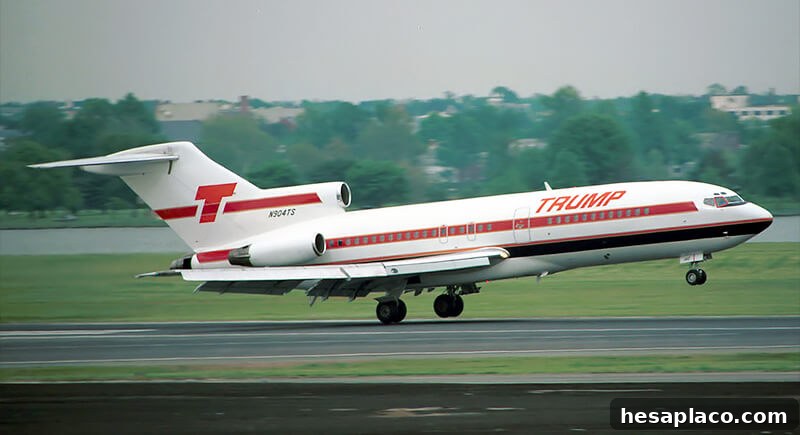
Credit: flickr
Trump acquired Eastern Air Lines’ shuttle operation in 1989 and repositioned it as a premium service, complete with upgraded interiors and enhanced amenities. Despite the rebranding, the shuttle was hampered by mounting debt, labor disputes and rising fuel costs. The business was sold within a few years after failing to achieve profitability.
GoTrump.com
Credit: Wikimedia Commons
Launched in 2006, GoTrump.com aimed to enter the competitive online travel market using Trump branding and curated travel offerings. Despite partnerships with established booking engines, the site failed to attract sufficient consumers and quietly shuttered about a year after its launch.
Trump Ice
Credit: flickr
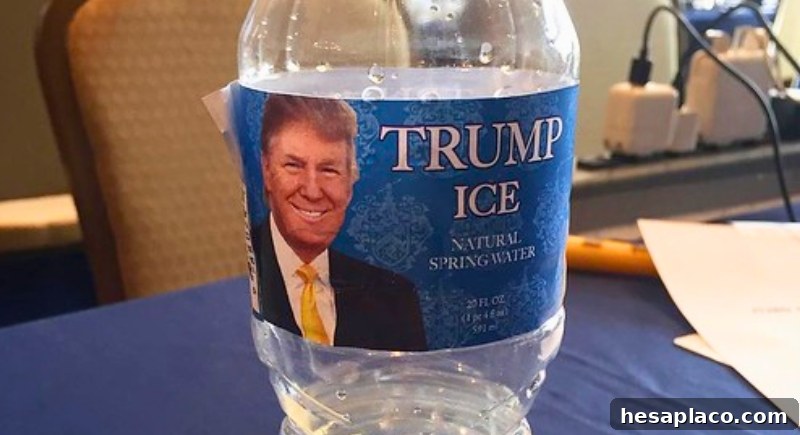
Marketed as a premium bottled water in the early 2000s, Trump Ice used sleek packaging and upscale positioning to stand out in a crowded category. The product largely faded from the market by 2010, resurfacing only occasionally for promotional uses. Ultimately it failed to secure a lasting foothold among established water brands.
Trump Home
Credit: Wikimedia Commons
The Trump Home furniture collection, launched around 2007, aimed to translate the Trump aesthetic into lifestyle products. The line was carried initially by some national retailers but saw declining sales and strained retail partnerships over time. The collection was gradually discontinued as demand fell.
Trump Fragrances
Credit: flickr
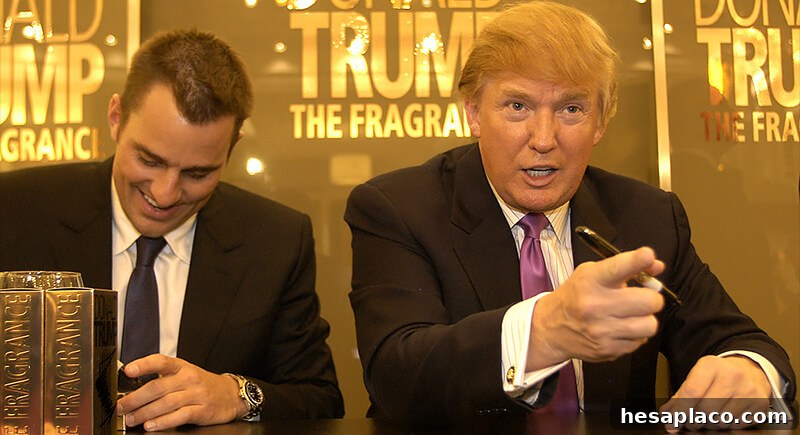
Fragrances such as “Success by Trump” and “Empire” were introduced to capture a luxury market. Initially available at major retailers, the scents gained some attention but faced stiff competition from established perfume houses. As political controversy around the brand intensified, retailers began to drop the lines and sales declined.
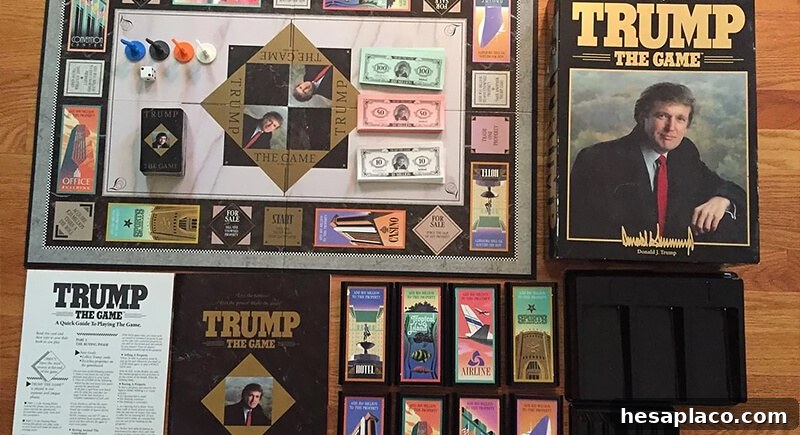
Trump: The Game
Credit: Reddit
First released in 1989, Trump: The Game emulated real estate deal-making in a Monopoly-like format. Sales were disappointing and the game was discontinued soon after. A relaunched edition in 2004 tied to the popularity of The Apprentice generated limited renewed interest, but neither version achieved lasting commercial success.
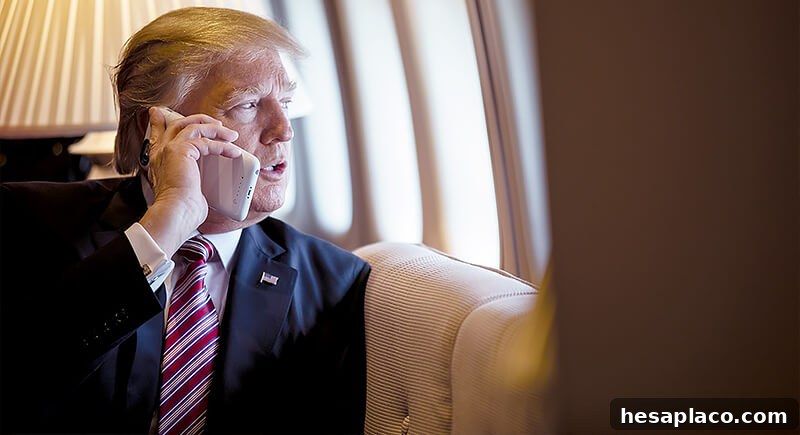
Trump Communications (Trumpet)
Credit: flickr
Trump attempted to enter telecommunications with a venture called Trumpet, which planned to offer services like long-distance calling. The company never secured the necessary infrastructure or customer base and folded before it could serve any paying customers.
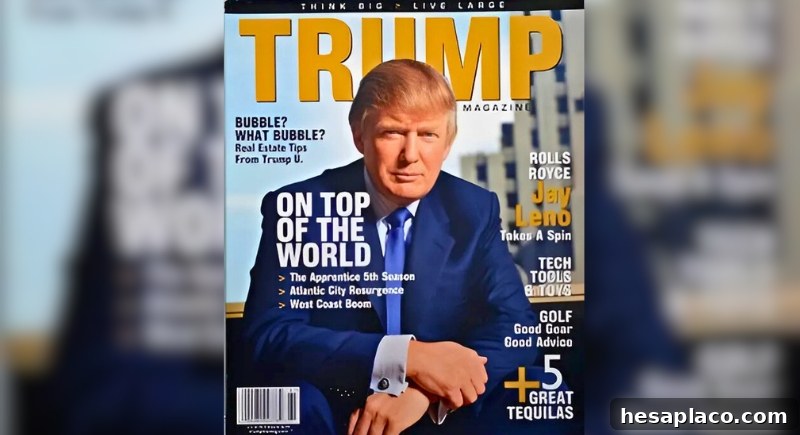
Trump Magazine
Credit: Wikimedia Commons
Originally launched as Trump Style in 1997 and later rebranded as Trump World and Trump Magazine, the publication aimed to showcase a luxury lifestyle tied to Trump properties. It began as a complimentary offering for VIP guests but struggled to remain financially viable as print advertising declined. By 2009 it had ceased operations amid unpaid bills and staffing departures.
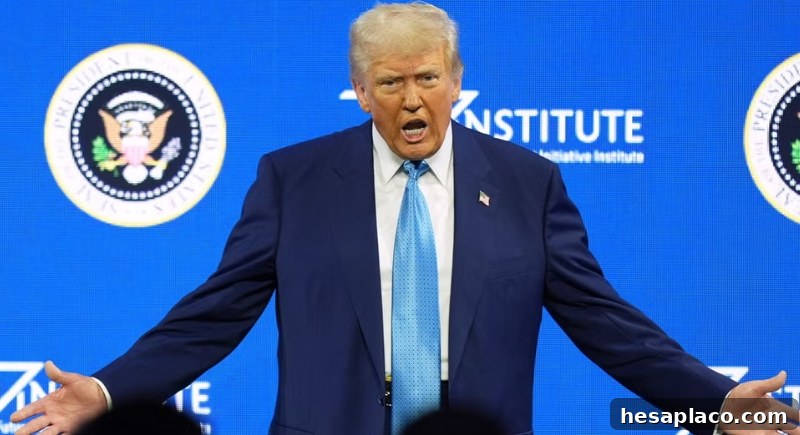
Trump Institute
Credit: Facebook
Separate from Trump University but similar in purpose, the Trump Institute ran seminars and workshops from 2005 to 2009 claiming to teach Trump-style real estate techniques. The program attracted criticism for using reused or plagiarized materials, making inflated promises, and appearing to prioritize revenue over substantive instruction. Controversy and legal scrutiny contributed to its closure.
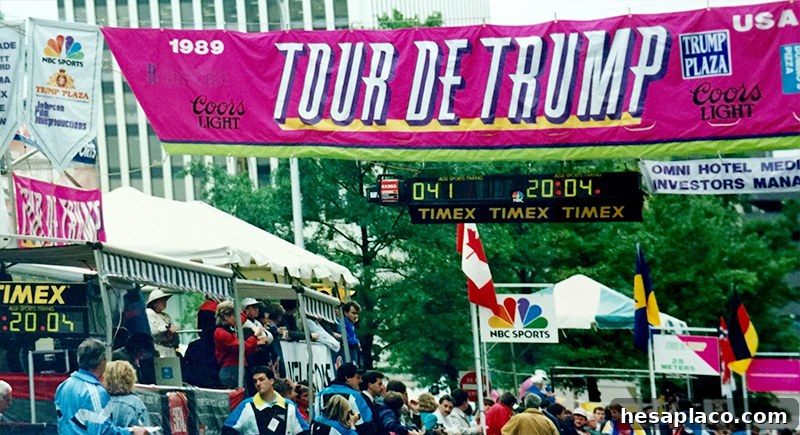
Tour de Trump
Credit: Wikimedia Commons
In 1989 Trump lent his name to a high-profile cycling event intended to challenge the prominence of Europe’s major races. The Tour de Trump drew international riders and sponsorship interest, but escalating costs and logistical challenges overwhelmed the venture. After two editions the event was discontinued due to financial losses.
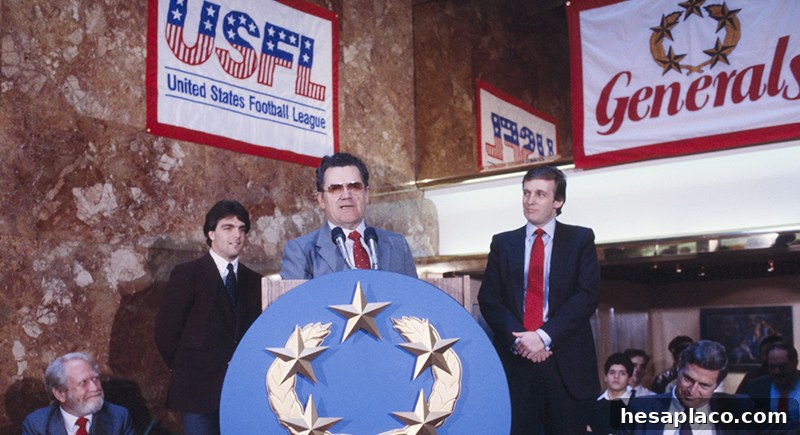
New Jersey Generals
Credit: Wikimedia Commons
Trump purchased the New Jersey Generals of the United States Football League in 1983 and pushed the league to move into direct competition with the NFL by switching to a fall schedule. The league’s antitrust suit against the NFL resulted in a symbolic $3 award in damages, and the USFL soon folded—ending the Generals’ run and contributing to the broader collapse of the league.
Across these ventures, common themes emerge: aggressive branding, big ambitions, and varying degrees of operational or market failure. Some enterprises collapsed quickly after launch; others lingered while losing money. Taken together, these efforts reveal the risks of extending a personal brand across many disparate industries without consistent execution or product-market fit.