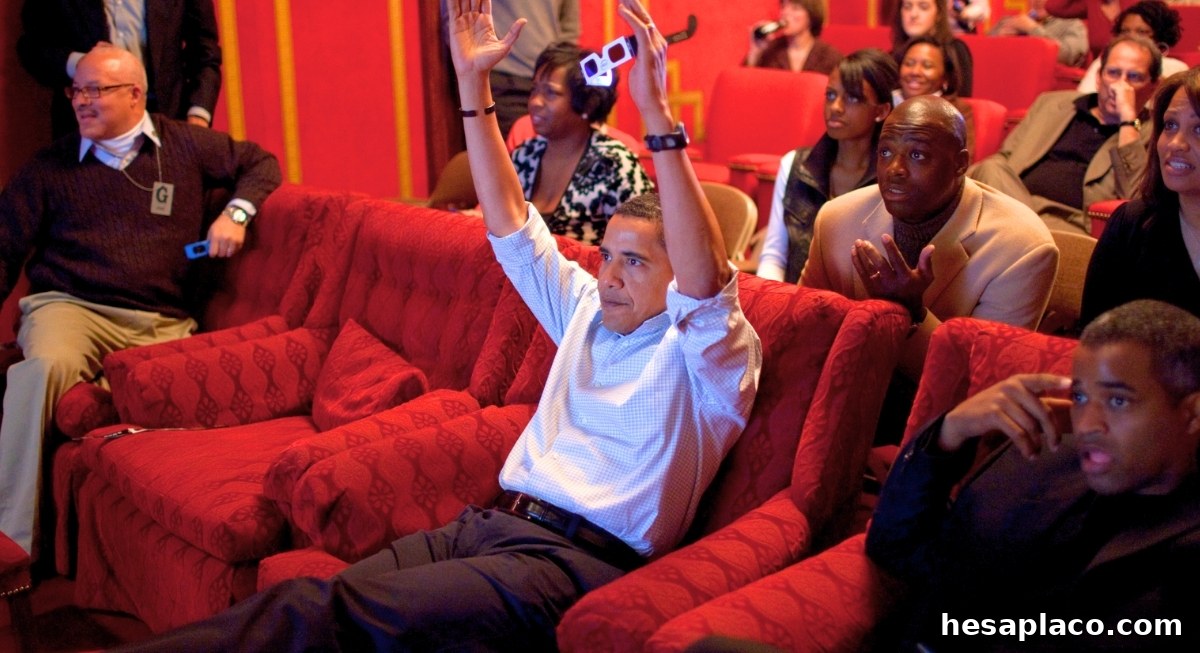
Being President of the United States involves far more than signing bills and delivering speeches. Alongside the responsibilities and scrutiny come extraordinary privileges and long-lasting benefits that set the office apart. From lifelong security to exclusive travel and living arrangements, these perks reflect the unique demands and stature of the presidency. Below is a clear, SEO-optimized overview of some of the most notable privileges afforded to sitting and former U.S. presidents.
Secret Service for Life
Credit: Wikimedia Commons
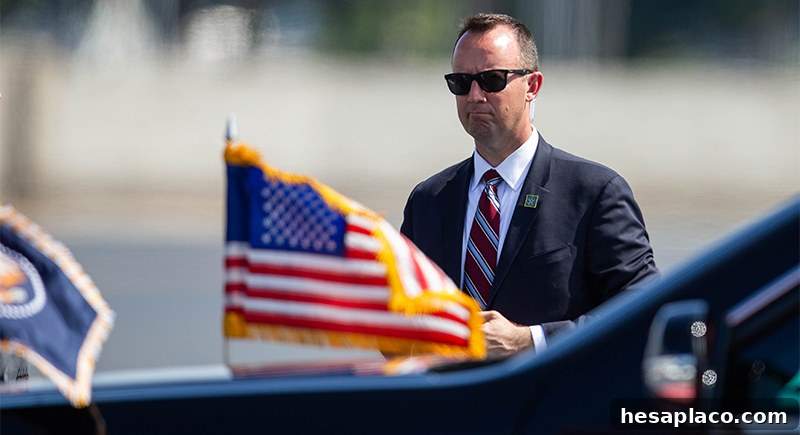
Presidents never truly lose their security detail. Former presidents continue to receive full-time Secret Service protection after leaving office. Highly trained agents accompany them to public appearances, personal errands, and private travel—ensuring safety around the clock.
Nuclear Football Access
Credit: flickr
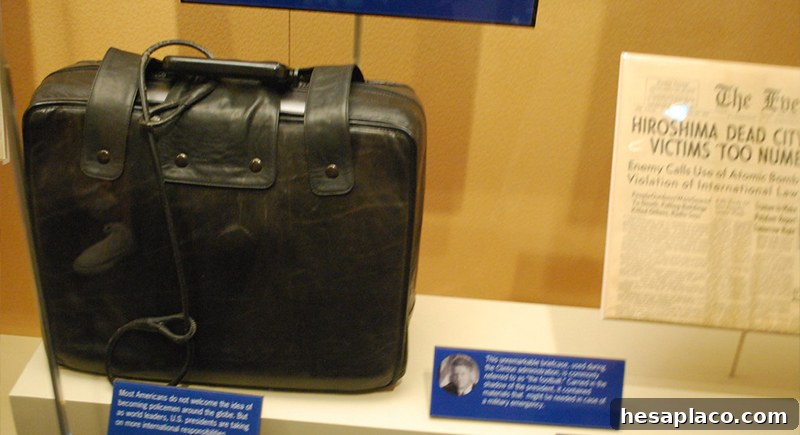
Wherever the president goes, a military aide carries the so-called “nuclear football.” This briefcase contains secure communications equipment and the authentication codes needed to authorize the use of nuclear weapons. It enables the president to exercise command authority from anywhere in the world.
Exclusive Invitations to Major Events
Credit: flickr
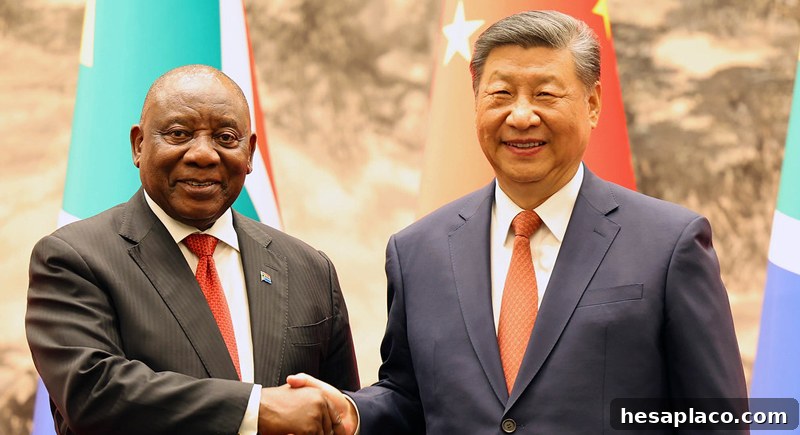
Sitting and former presidents typically receive front-row access to major cultural and sporting events—Super Bowl games, award ceremonies, international summits and more. Even after leaving office, former presidents are often invited to high-profile gatherings and frequently sit alongside world leaders, cultural figures, and business leaders.
24/7 Medical Care
Credit: flickr
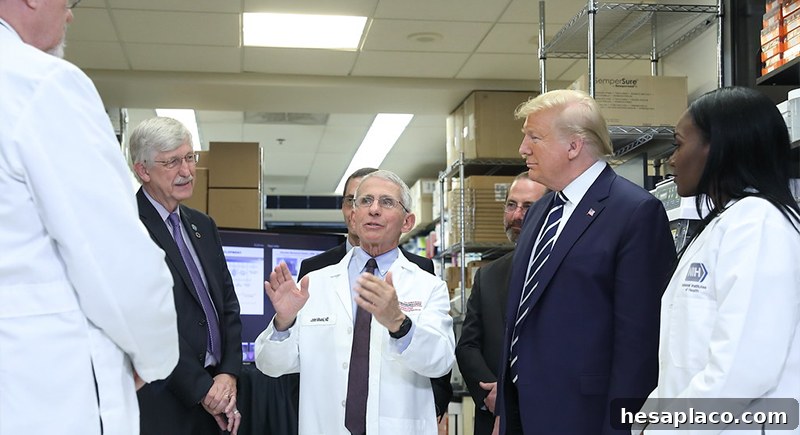
The White House Medical Unit provides continuous medical support to the president and their family. Staffed by physicians, nurses, and emergency personnel, the unit handles routine care, on-site emergency treatment, and medical support during travel, ensuring immediate attention whenever needed.
Residence at the White House
Credit: flickr
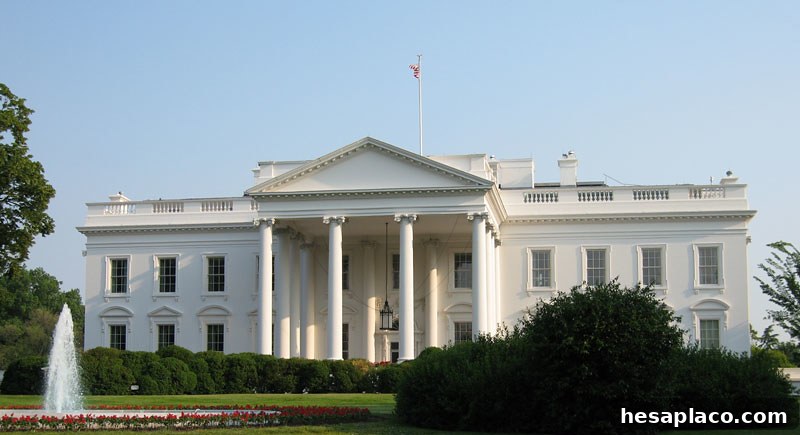
1600 Pennsylvania Avenue is both an iconic address and a functional residence. The White House includes 132 rooms, a private gym, and even recreational features like a bowling alley. While serving, presidents and their families live in a space that blends private living quarters with secure, state-of-the-art facilities.
Blair House Guest Quarters
Credit: flickr
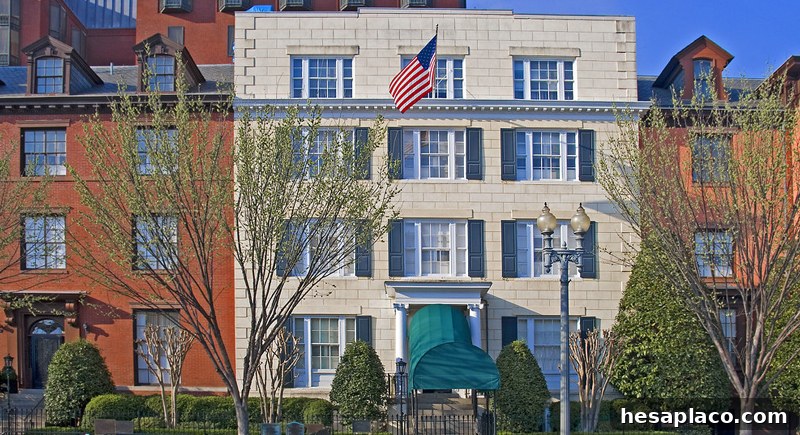
Across Pennsylvania Avenue sits Blair House, the president’s official guest residence. With more than 100 rooms, Blair House hosts visiting heads of state, dignitaries, and, when required, presidential occupants during renovations or transitions.
Air Force One: A Flying Command Center
Credit: Wikimedia Commons
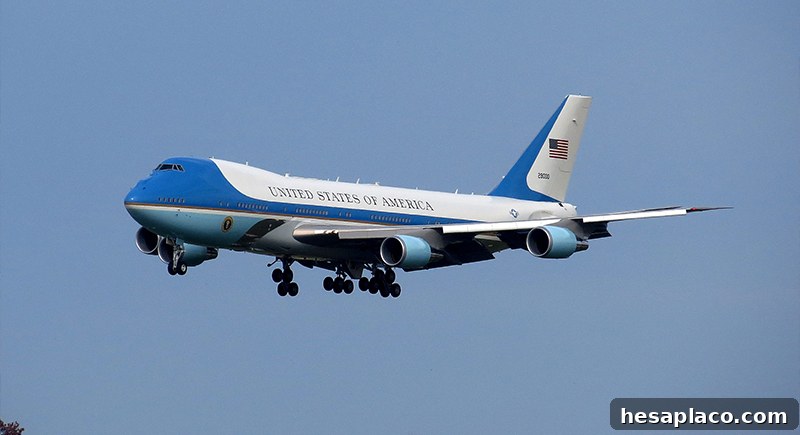
Air Force One functions as a mobile White House. The specially outfitted aircraft includes private suites, conference areas, a full kitchen, and secure communications systems. It can be refueled midair and is equipped to support the president’s command functions under a variety of circumstances.
Marine One Helicopters
Credit: flickr
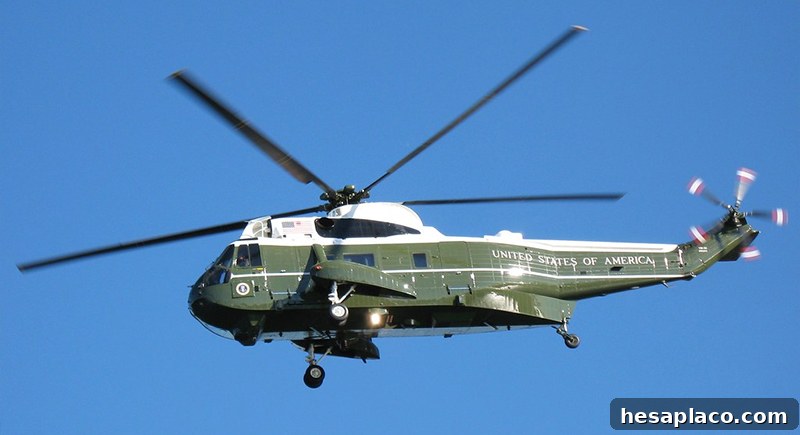
The presidential helicopter fleet, broadly referred to as Marine One when the president is aboard, provides rapid, secure transport from the White House lawn to local destinations. These helicopters operate in diverse weather conditions and often fly with multiple identical aircraft to confuse potential threats.
The Presidential Limousine: “The Beast”
Credit: flickr
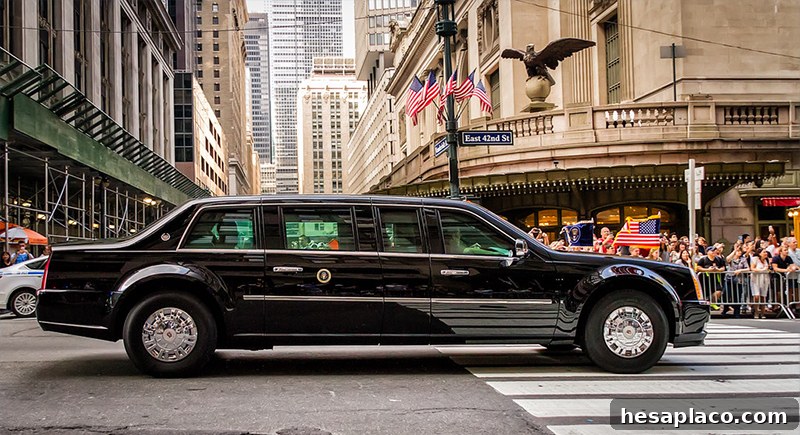
Nicknamed “The Beast,” the presidential state car is a heavily armored limousine designed for maximum protection. It features reinforced armor, sealed interiors to guard against chemical threats, and medical provisions, including the president’s blood type.
Access to Camp David
Credit: flickr
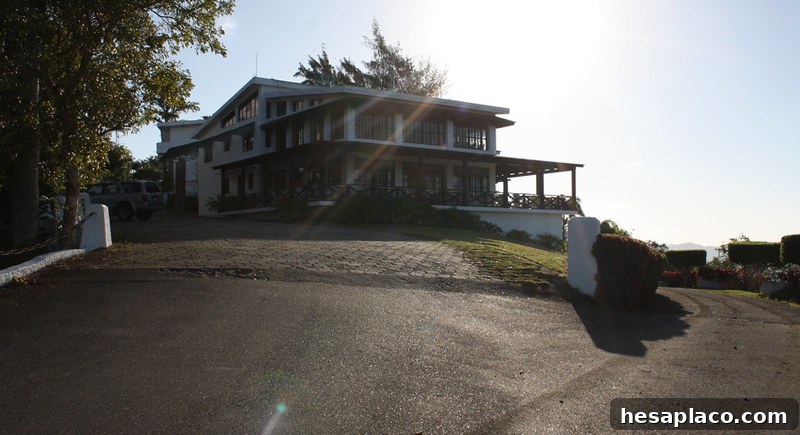
Camp David serves as the presidential country retreat, offering privacy, security, and recreational amenities like hiking trails, swimming facilities, and golfing. It provides a secure, secluded setting for the president to meet with advisors, host foreign leaders, or simply rest away from the capital.
White House Chef and Kitchen Staff

Credit: pexels
The White House Executive Chef and a full kitchen staff are on hand to prepare meals for the president and their guests. Whether it’s a private family dinner, a late-night snack, or an elaborate state banquet, the culinary team provides consistent, high-quality service.
Personal Fitness and Trainer Services
Credit: Wikimedia Commons
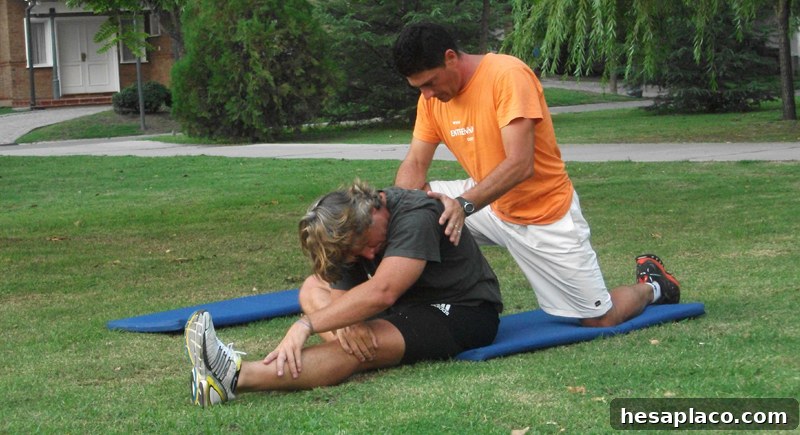
To manage the physical demands of the job, presidents often work with fitness trainers and have access to dedicated exercise facilities. Regular fitness routines—jogging, strength training, and other regimens—help maintain stamina and overall health while in office.
Private Movie Theater
Credit: Wikimedia Commons
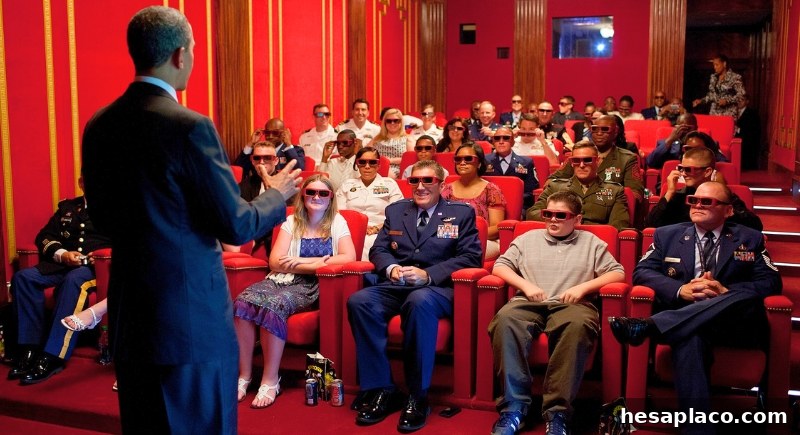
The White House includes a private screening room where presidents and their families can watch films and broadcasts in a secure, comfortable setting. This tradition dates back to Franklin D. Roosevelt and continues to be a quiet retreat from the pressures of office.
Presidential Library and Museum
Credit: flickr
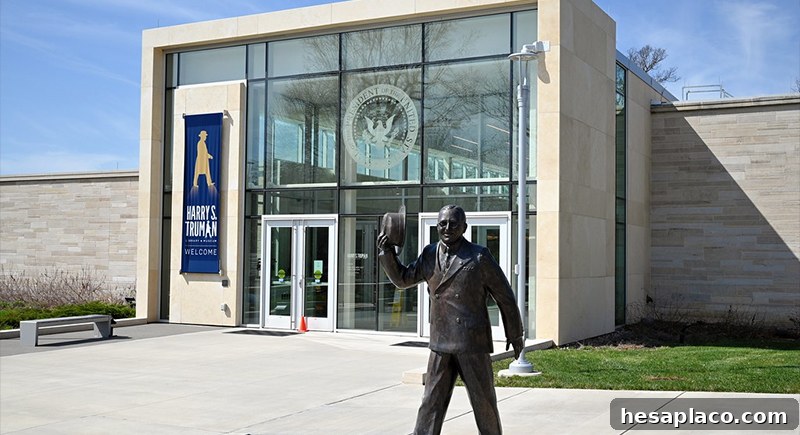
Most presidents are honored with a presidential library and museum after their terms. These institutions preserve documents, artifacts, and exhibits from their administrations and often include replicas of the Oval Office. They serve as public resources for education and research.
Navy Ships and Other Honors
Credit: flickr
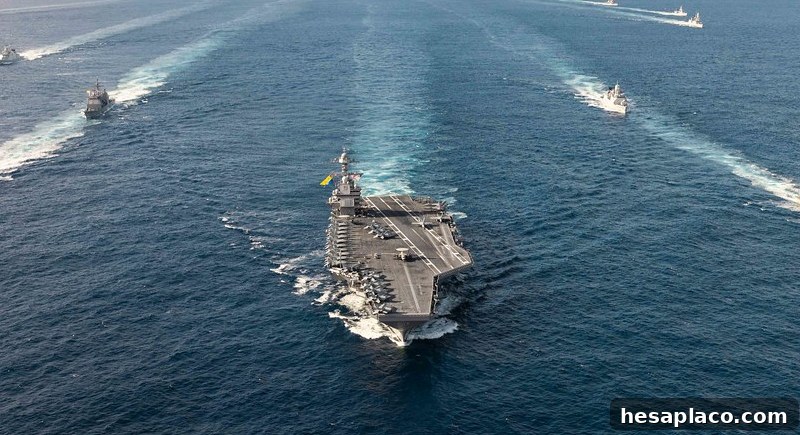
As a lasting tribute, some presidents have had naval ships or other public assets named in their honor. Ships like the USS Ronald Reagan or memorials bearing a president’s name commemorate their legacy and service.
Presidential Pension
Credit: Wikimedia Commons
Former presidents receive a government pension after leaving office, intended to help support public duties, travel, and ongoing commitments. This pension adjusts over time with inflation and forms part of the long-term benefits associated with serving as commander-in-chief.
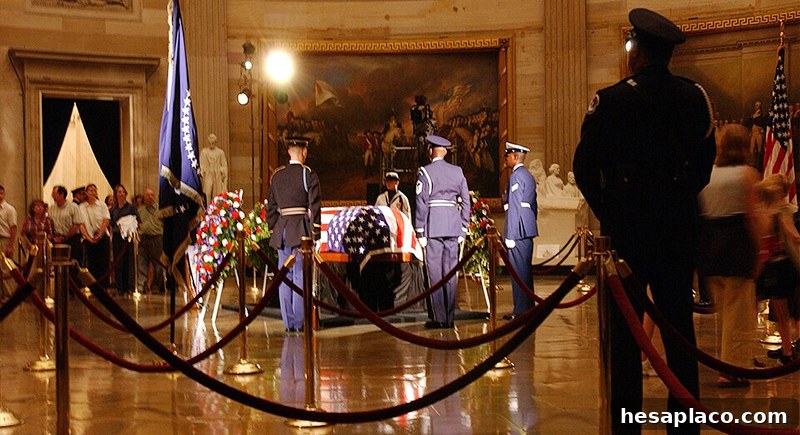
State Funeral with Full Military Honors
Credit: Wikimedia Commons
When a president dies, the nation typically honors them with a state funeral that includes full military honors, ceremonial processions, and a period of national mourning. These carefully planned ceremonies reflect the symbolic weight and historical significance of the presidency.
These privileges and protections underscore the unique nature of the U.S. presidency: a role that combines immense responsibility, constant security needs, and ceremonial recognition. While the office brings intense public scrutiny and demanding duties, it also provides access to resources and honors designed to support both the president’s work and their legacy.