
Buying a house is about much more than layout and yard size. The unseen systems—electricity, gas, water, sewer, and internet—determine how comfortable and affordable day-to-day life will be. If those utilities are aging, poorly maintained, or improperly installed, you may face surprise costs and ongoing headaches. Asking the right questions before you commit can reveal hidden problems and help you avoid buying a home that carries expensive, built-in liabilities.
How Much Do Utilities Cost Each Month?
Credit: Canva
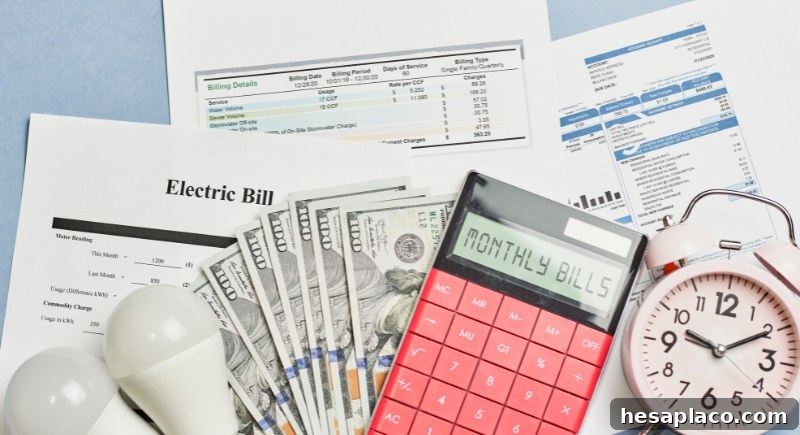
National averages can give a starting point—roughly $330 per month for electricity, gas, water, and internet according to federal estimates—but averages hide local differences and the impact of older systems. Ask the seller for at least a year’s worth of utility bills. Seasonal spikes from summer air conditioning or winter heating can dramatically change your monthly budget, and a full billing history will show those patterns.
Does This House Share Utility Lines With Neighbors?
Credit: Canva
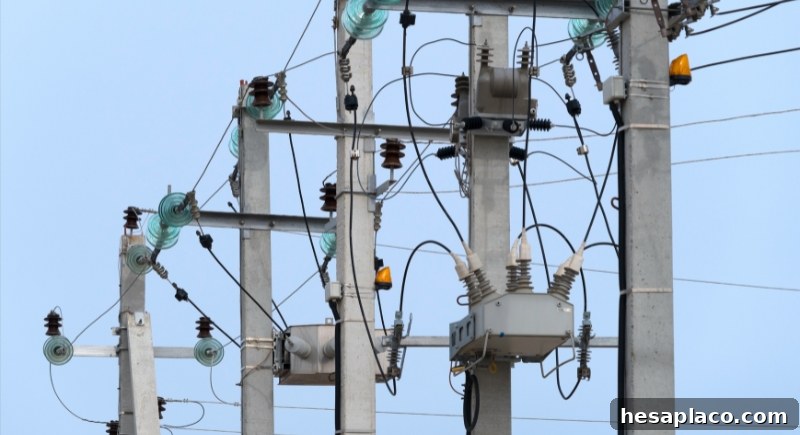
Older homes, duplexes, and row houses sometimes share water or gas lines. Shared service can complicate billing, maintenance, and future renovations. Local regulations may require separation, and the cost to separate utilities can be substantial. Confirm that each utility serving the property is dedicated to that address alone—otherwise you might be paying for your neighbor’s usage alongside your own.
Is There A Smart Meter Installed?

Credit: Getty Images
Many homes now have smart meters that transmit readings directly to the utility company. Ask what type of meter is installed and whether it can be accessed without entry into the living areas. If the home still uses manual readings or relies on estimated bills, you could face unpredictable charges or delays in detecting problems.
How Reliable Are The Utilities Here?

Credit: Getty Images
Turning on a faucet or a light during a showing won’t reveal reliability under stress. Ask whether lights flicker in storms, if internet speeds drop during peak hours, or whether the neighborhood experiences frequent water main breaks. Neighbors and recent utility bills can indicate how well systems perform during high demand or severe weather.
What’s The Age Of The HVAC And Water Heater?
Credit: Getty Images
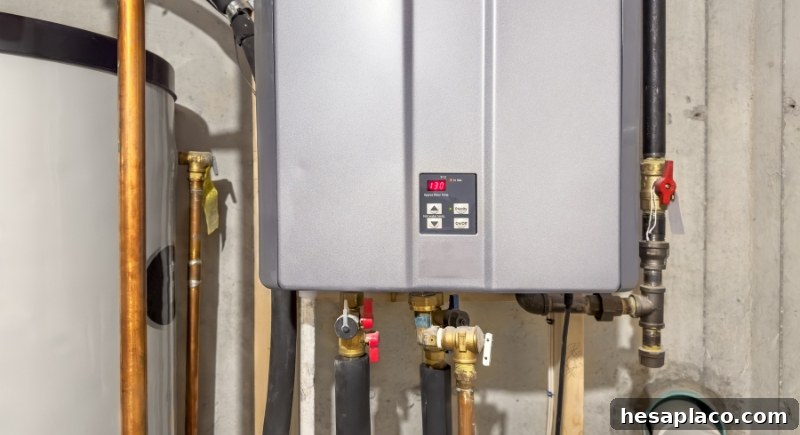
“It works fine” isn’t enough. Find out the installation dates and maintenance history for HVAC units and water heaters. Typical service lives are around 15–20 years for HVAC and 8–12 years for water heaters. Replacing these systems is costly, and financing or insurance may require them to be in good condition. Service records and permits help you assess near-term replacement risk.
Where Are The Utility Meters Located?
Credit: Canva
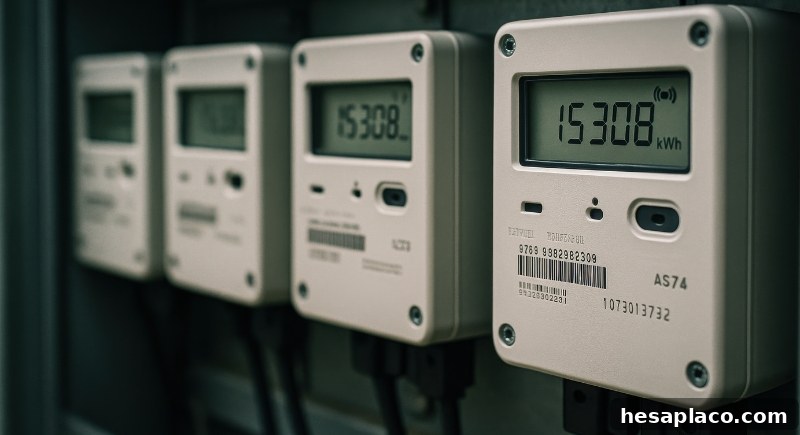
Meter placement affects convenience and privacy. Meters tucked behind cluttered basements or inside the house can make readings and service more intrusive. Exterior, easily accessible meters reduce interruptions and simplify maintenance. It’s a small detail that can save you friction with utility workers and neighbors.
What Condition Is The Roof In?

Credit: Canva
The roof affects more than leaks—its condition influences insulation performance and energy costs. Poor insulation or aging shingles can raise heating and cooling expenses. In some jurisdictions, roof characteristics even affect stormwater fees. Ask about the roof’s age, recent repairs, and insulation levels to understand both immediate repair needs and ongoing energy impacts.
How Energy Efficient Is The Property?
Credit: pixabay
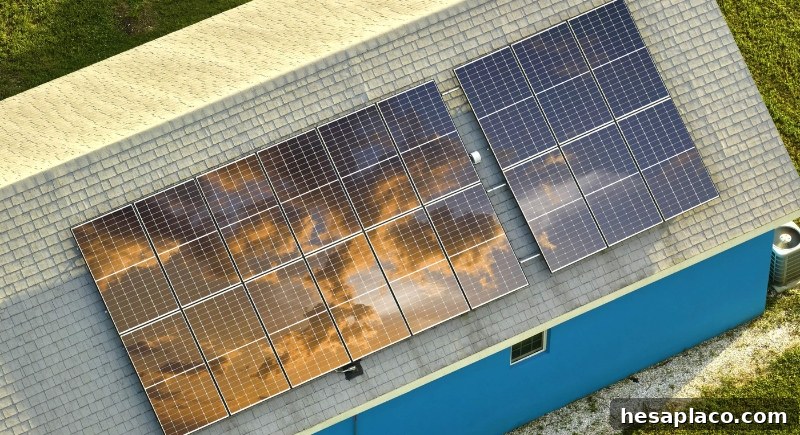
Efficiency comes down to insulation quality, window performance, and the condition of heating and cooling systems. Older homes without upgrades typically have higher utility bills. If the property lacks energy improvements, factor in potential upgrade costs or higher monthly expenses. Insulation, sealing, and modern HVAC equipment can yield noticeable savings over time.
Are There Subsidies Or Assistance Programs Available?
Credit: Getty Images
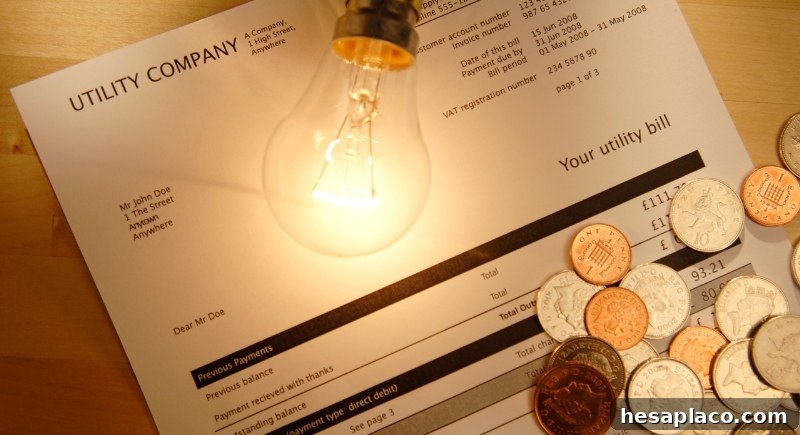
Local and state programs can reduce energy costs or provide temporary bill assistance. Some incentives are income-based; others apply to property improvements such as energy efficiency upgrades or renewable installations. Ask whether the property qualifies for rebates, tax credits, or assistance programs—these options can lower upfront costs or monthly bills and offer extra protection during tight times.
How Are Waste And Sewer Fees Charged?
Credit: Canva
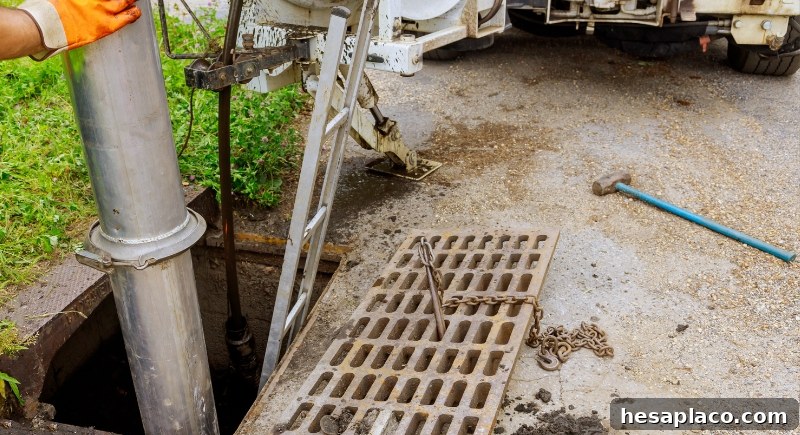
Water charges don’t always include sewer and waste fees. Municipalities may bill sewage treatment, garbage collection, and stormwater separately, and methods vary—based on household size, lot size, or even roof area. Those separate fees can add $50–$100 or more per month. Clarify whether these services are bundled or billed independently to avoid billing surprises.
Have Utility-Related Repairs Been Done Recently?

Credit: Canva
Major work done without permits or by unlicensed contractors can become your liability after purchase. Ask for records of recent electrical, plumbing, HVAC, or gas work and verify permits and contractor credentials. Proper documentation protects you from unexpected compliance costs and ensures repairs were performed to code.
How Fast Do Utility Companies Respond To Problems?
Credit: Getty Images
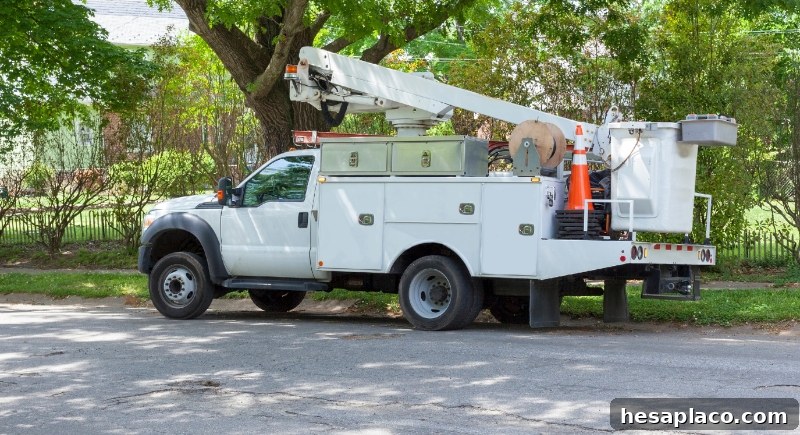
Response times vary widely. An outage is one thing; prolonged delays are another. Ask sellers, neighbors, or local forums whether utility crews respond quickly or whether outages stretch for days. Reliable, timely service—especially for electricity, water, and sewer—reduces the risk that an interruption will turn into a major inconvenience.
Will I Need Extra Equipment To Manage Utilities?

Credit: Getty Images
Some properties require add-ons: water softeners for hard water, whole-home surge protection for older wiring, or mesh Wi‑Fi systems for poor signal. These are often modest investments but can be essential for comfort and longevity. Ask about quirks so you can budget for any required equipment or upgrades before moving in.
What Internet Providers Serve This Address?

Credit: Canva
Internet options depend strongly on location: some streets have fiber, others are limited to DSL, and rural properties may rely on satellite. Don’t rely solely on the seller’s claim—check provider availability and speeds at the specific address. If reliable, fast internet is essential for work or streaming, confirming options ahead of time is critical.
Could Future Renovations Get Complicated By Utilities?

Credit: Canva
Plans to add bathrooms, finish basements, or install solar panels depend on whether current utilities can handle extra load. Limited electrical capacity, shared lines, or an already full service panel can complicate upgrades and increase costs. Ask about the setup and potential constraints so you know whether the house can grow with your plans or will require costly utility work to support renovations.