If you walk through a grocery store, you’ll notice many items that look familiar but don’t always match their labels. Olive oil can contain other vegetable oils, honey may include added syrups, and numerous other staples are frequently diluted, substituted, or mislabeled. These problems aren’t isolated incidents: research, regulatory investigations, and consumer testing have repeatedly shown that food fraud and misleading labeling are common. Such practices affect nutrition, allergy safety, and consumer trust. Knowing which products are most at risk helps shoppers make smarter choices without turning grocery shopping into detective work.
Spices
Credit: Canva
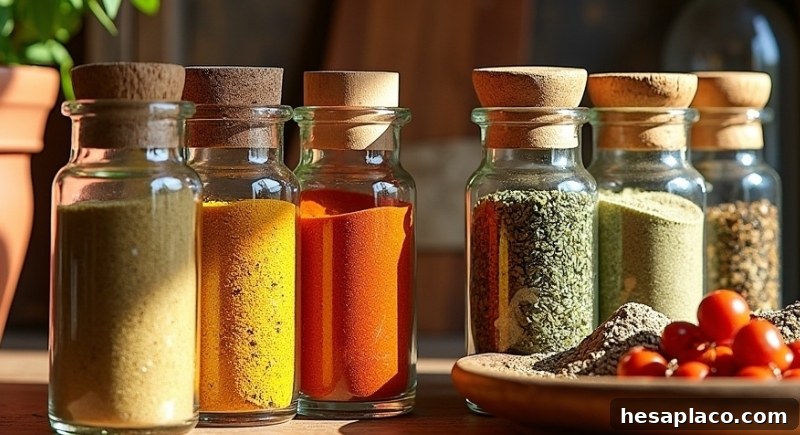
Powdered spices are often bulked up with fillers that dilute flavor and value. Ground black pepper has been found mixed with papaya seeds, starch, and even dyed plant matter, reducing potency and purity. Cinnamon sold in many U.S. supermarkets is commonly cassia, which has a different flavor profile and origin than true Ceylon cinnamon. To get better quality, look for single-ingredient labels, whole spices you grind yourself, or trusted brands with transparent sourcing.
Honey

Credit: Canva
A global study in 2018 tested 100 honey samples and found that more than a quarter were adulterated or mislabeled. Common additions include corn syrup, beet sugar, or cane syrup, and some products misrepresent floral source or country of origin. If traceability matters, seek certification programs such as “True Source Certified” or buy from local beekeepers whose practices you can verify.
Olive Oil
Credit: Canva
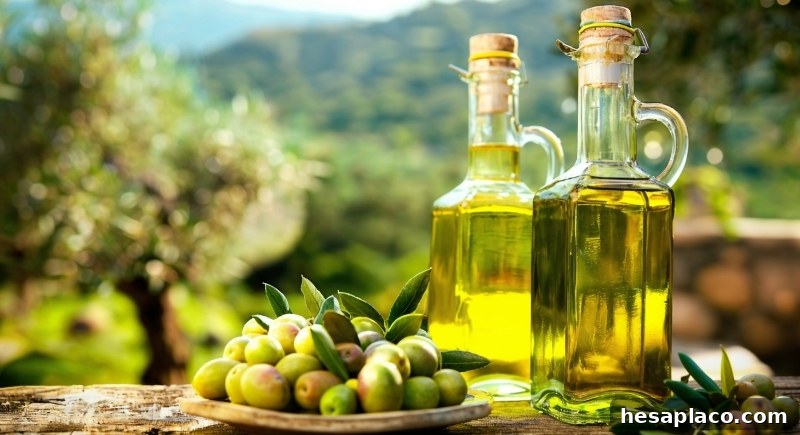
Olive oil fraud has been a long-standing issue, especially in international trade. Oils labeled “extra virgin” sometimes fail chemical and sensory tests and can be blended with cheaper oils such as sunflower, palm, or soybean. Some products labeled “Product of Italy” are simply routed through Italian ports despite being produced elsewhere. Look for protected certifications like PGI or PDO and clear regional indicators for greater assurance of authenticity.
Fish

Credit: Getty Images
Seafood mislabeling is one of the most widespread food fraud problems. Research by consumer groups has found that about one in five seafood samples in the U.S. is mislabeled. “White tuna” is often not tuna at all but escolar, which can cause digestive issues in some people. Red snapper is frequently substituted with cheaper species like rockfish or tilefish. Filleted or processed fish can be particularly hard to verify, so buying from reputable vendors or seeking DNA-verified products can reduce risk.
Maple Syrup
Credit: Canva
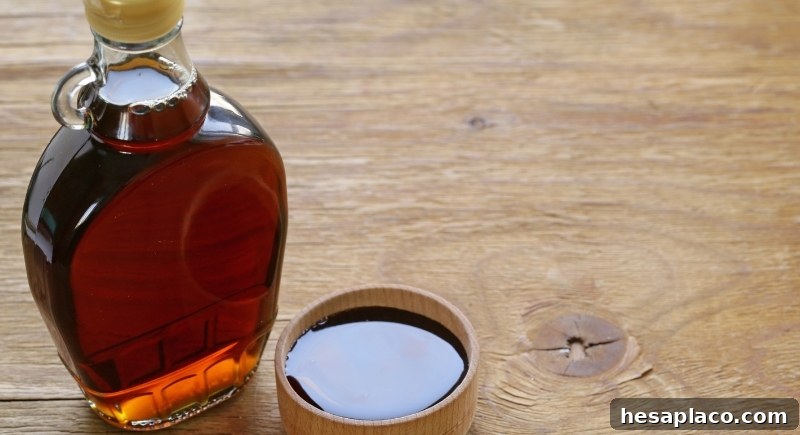
Many pancake syrups are not maple syrup at all but sugary imitations made from high-fructose corn syrup, artificial flavors, and thickeners. These cost less and last longer but lack the nuanced flavor and trace minerals of genuine maple syrup. Real maple syrup is generally thinner, lists only maple sap or syrup and sometimes sugar on the label, and usually states the grade or origin.
Wagyu Beef
Credit: Getty Images
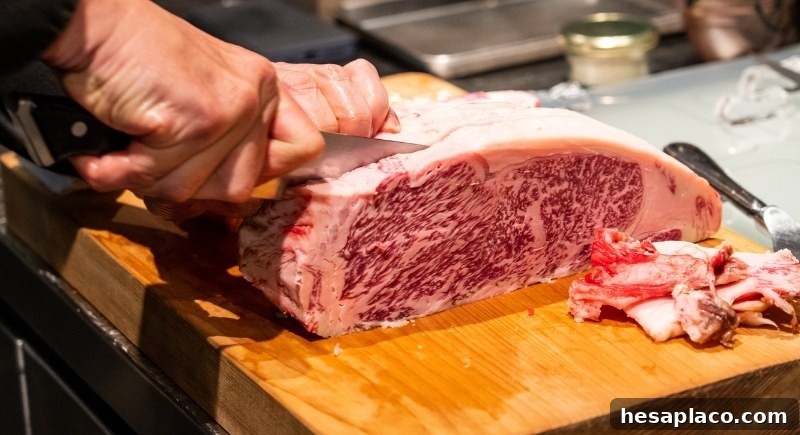
In the U.S., beef labeled as Wagyu often contains only partial Wagyu genetics. Some products are sourced from cattle that are 50 percent Wagyu or less, and blends marketed as Wagyu burgers can contain a modest proportion of Wagyu alongside conventional beef. If you want authentic Wagyu, look for clear breed information, grading details, or direct sourcing from certified producers.
Parmesan Cheese
Credit: Getty Images
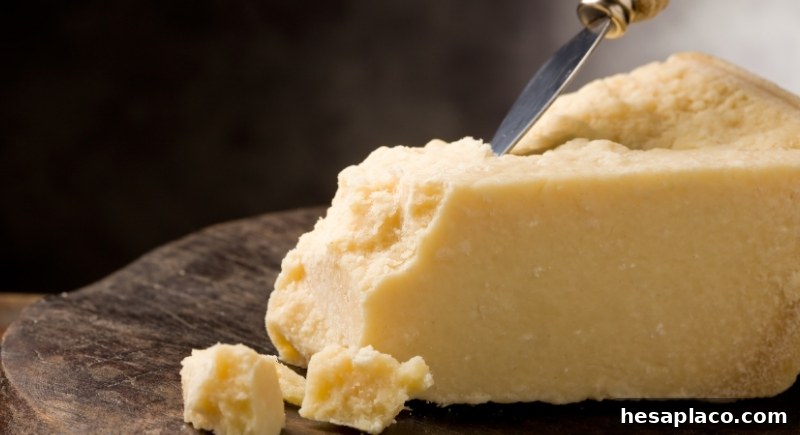
The only cheese that can legitimately be called Parmesan in the traditional sense is Parmigiano Reggiano, made under strict Italian standards and carrying a DOP stamp with its name pressed into the rind. Many supermarket “Parmesan” products—especially pre-grated varieties—are blends of generic hard cheeses with added cellulose or fillers and do not follow the protected production methods or aging process of true Parmigiano Reggiano.
Juice

Credit: Getty Images
Premium fruit juices, such as pomegranate or specialty blends, are frequently mixed with cheaper juices like grape or apple to reduce costs. Even products labeled “100% juice” can be a legally permitted blend from different sources, and some contain additives such as raisin concentrate or malic acid to boost sweetness and color. Don’t rely on color alone—check the ingredient list and look for single-source claims when possible.
Truffle Oil
Credit: Canva
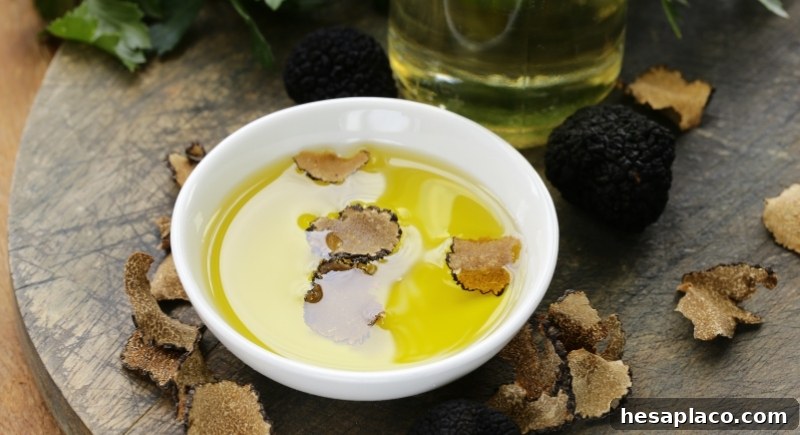
Most commercial truffle oils don’t contain actual truffles; instead they rely on synthetic aroma compounds such as 2,4-dithiapentane to mimic the distinctive scent. This shortcut delivers a strong, one-note truffle aroma without the layered complexity of real truffles and allows producers to charge premium prices without the expensive ingredient. If an oil smells overly intense or chemically sharp, it’s likely artificially flavored.
Wasabi
Credit: Canva
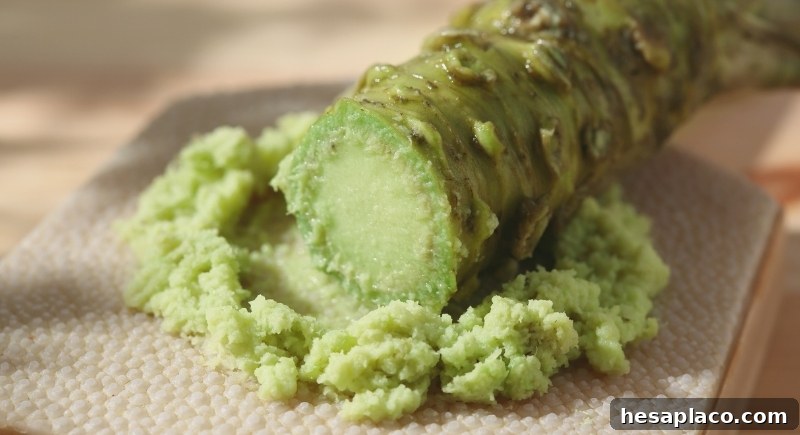
The majority of wasabi served in the U.S. is not made from the genuine wasabi plant. Instead, it’s typically a blend of horseradish, mustard powder, starch, and green dye. Real wasabi root is milder, fresher, and is traditionally grated immediately before serving. Because the plant is difficult to cultivate, authentic wasabi is rare and more expensive.
Being aware of these common substitutions and mislabeling practices helps you make more informed purchases. Check labels carefully, favor short ingredient lists and clear origin or certification claims, and buy from producers you trust when authenticity matters.