
Perceptions of what counts as “luxury” have changed dramatically over the decades. For many Baby Boomers, luxury meant items that felt grown-up, important, or worth saving for—a purchase that rewarded patience, could be displayed with pride, or might one day be passed down to family. But tastes, lifestyles, and technology shifted rapidly, and many once-treasured possessions have lost their market value or cultural appeal in a single generation.
Below is a look at formerly coveted items that have largely fallen out of favor, along with why they no longer hold the same meaning—or resale value—as they once did.
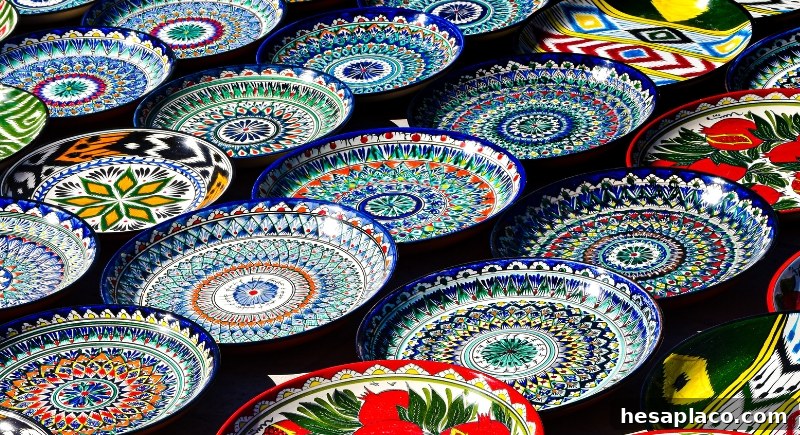
Collector Plates
Credit: pexels
Companies like Franklin Mint and Bradford Exchange promoted limited-edition decorative plates as collectibles. Originally priced at $25 to $75 each, most of these plates now sell for under $10—or fail to sell at all. The combination of mass production and minimal interest among younger collectors has left large inventories of these items without a reliable secondary market.
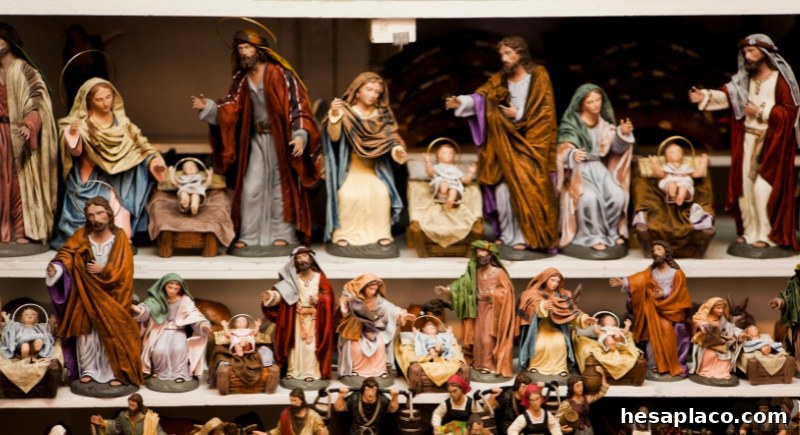
Figurines
Credit: Getty Images
Porcelain figures—from Precious Moments to Hummel—were popular gifts and display pieces from the 1970s through the early 2000s. Once reserved for curio cabinets and special occasions, many of these figurines now fetch only $5 to $20 in resale markets. Younger buyers rarely seek them out, leaving thrift stores and estate sales with more donations than sales.
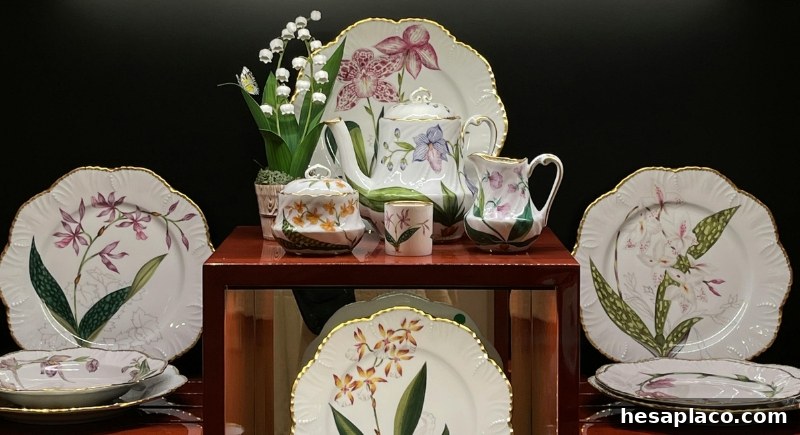
China Cabinets and Formal Dishware
Credit: pexels
For decades a staple of newlyweds’ furniture lists, china cabinets and complete formal dinnerware sets now often feel bulky and impractical in smaller, modern homes. Many families have pared down formal entertaining traditions, and full sets frequently sell for less than $100—if they sell at all. As a result, these pieces are commonly given away or donated.
DVD and VHS Collections

Credit: pexels
Physical media collections were once seen as long-term entertainment investments. Boxed sets, collector editions, and shelves of VHS tapes represented careful curation of favorite films and shows. But media formats age—tape degrades and DVD players are increasingly uncommon—so most DVDs now sell for a dollar or less, while VHS tapes are typically unsellable unless sealed or exceptionally rare.
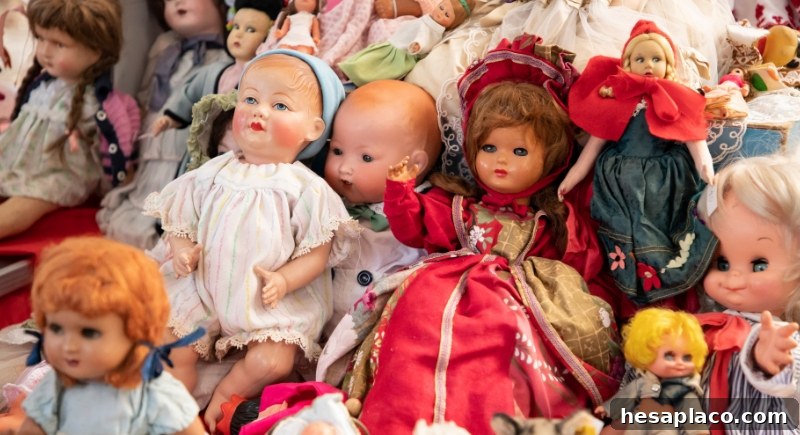
Porcelain Dolls
Credit: Getty Images
Once showcased like museum pieces, porcelain dolls were prized for their craftsmanship and sentimental value. Over time, their market has dwindled—many were mass-produced, and a segment of contemporary buyers find them off-putting. As a result, most porcelain dolls today list for under $15 and can sit unsold for long periods.
Baseball Cards
Credit: Reddit
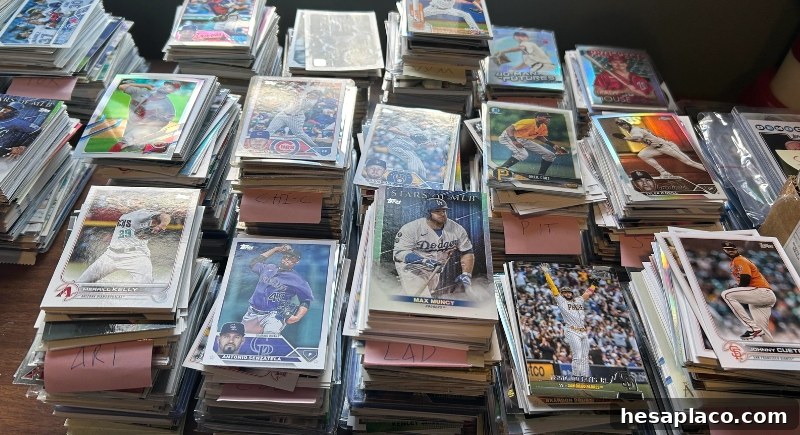
Card collecting soared during an era of overproduction in the mid-1980s through the early 1990s. Because millions of identical cards were printed, the vast majority are now worth only pennies. Only truly rare cards in mint condition—such as rookie cards for future Hall of Famers—retain meaningful value today.
Entertainment Centers

Credit: Getty Images
Bulky entertainment centers were designed to house large box TVs, stereo consoles, and dozens of media components. Once a centerpiece of the living room, they now clash with slim wall-mounted televisions and compact sound systems. Many of these units are offered for free online because they are too heavy, impractical, or outdated for modern setups.
Model Trains
Credit: Wikimedia Commons
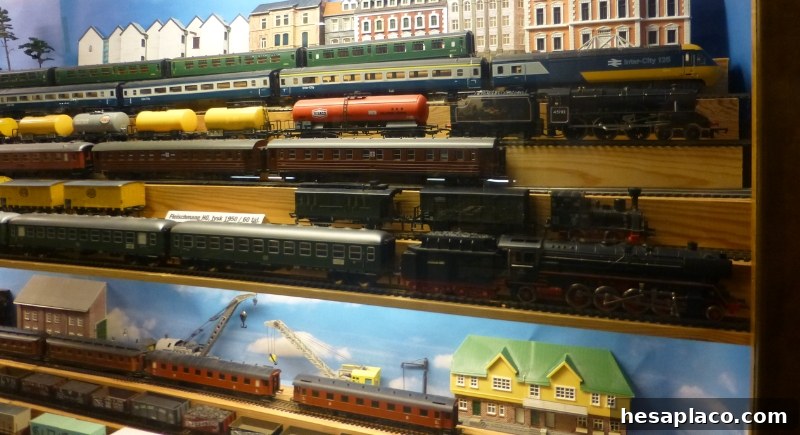
Lionel and other model train sets once attracted wide hobbyist interest, but the market has narrowed considerably. Only rare models in original packaging command good prices; standard or incomplete sets are difficult to sell. Contemporary collectors are generally smaller, more specialized communities rather than broad consumer markets.
Encyclopedias
Credit: Canva
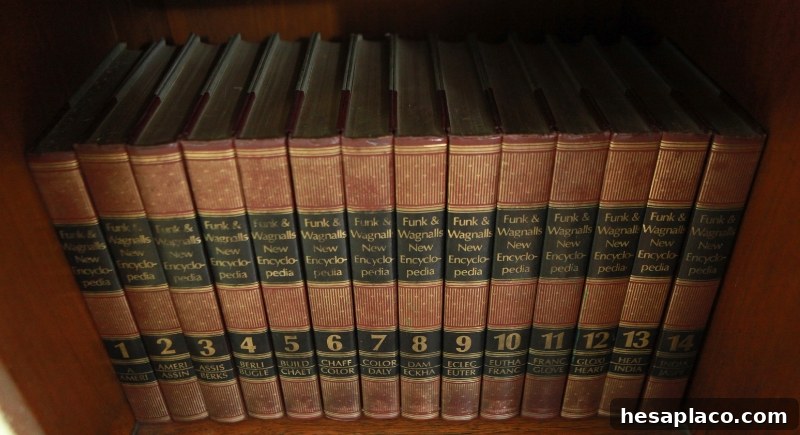
Complete encyclopedia sets were once a common and costly household purchase. Today, most libraries and donation centers decline them because online resources like Wikipedia and digital databases have replaced printed reference volumes. As a consequence, many encyclopedia collections are recycled or discarded.
Beanie Babies
Credit: Reddit
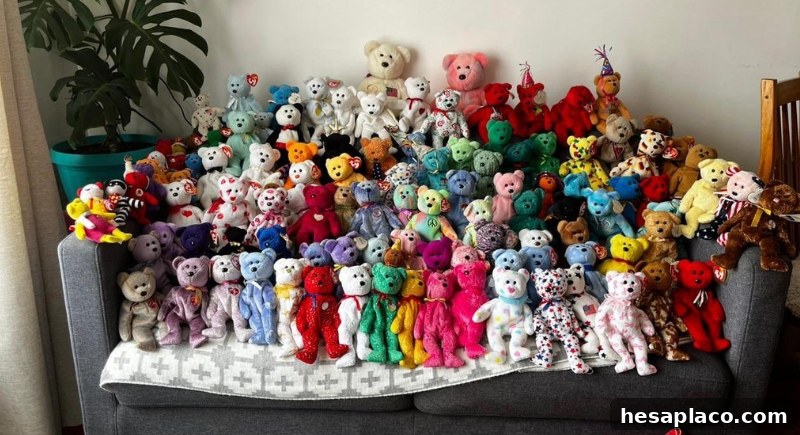
The 1990s Beanie Babies craze spawned predictions of soaring collector value that largely never materialized. While a few rare pieces are valuable, bulk lots of common Beanie Babies typically sell for very low prices, and modest collections—even with dozens of toys—often fetch under $50.
What was once viewed as status, sentimental heritage, or a clever investment has, in many cases, been undercut by changing tastes, advances in technology, and mass production. When assessing the value of inherited or vintage items, it helps to research current demand and realistic resale prices rather than relying on past perceptions of worth.