After years of steady rent increases, some U.S. cities are finally seeing rents ease. This collection highlights 10 markets where rental prices are moderating due to new apartment supply coming online, softer demand, and a post-pandemic market adjustment. Rents remain above 2019 levels in most places, but the recent shift gives renters more leverage and provides useful timing signals for anyone planning a move.
Louisville
Credit: Getty Images
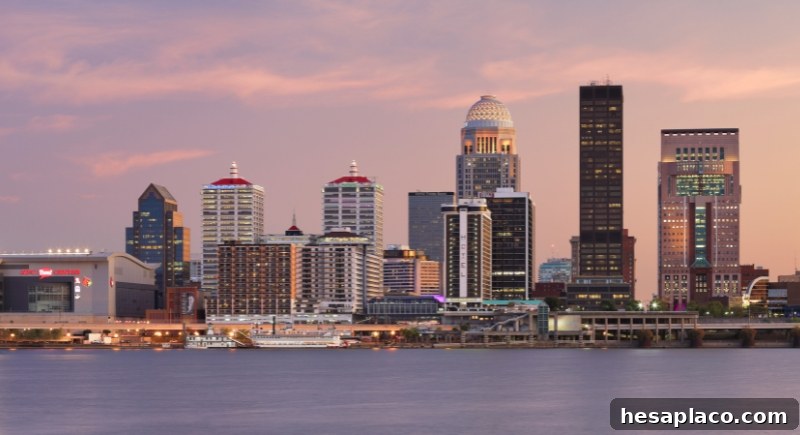
Louisville’s housing market benefits from steady employment in logistics and healthcare, which supports consistent rental demand without the volatility seen in overheated metros. A relatively ample supply of rental units helps keep pricing stable. With median rent near $1,242, Louisville remains one of the more affordable options in the region for renters seeking reliable monthly costs and predictable neighborhoods.
Denver

Credit: Getty Images
For years Denver felt like a nonstop bidding war driven by mountain access and an active outdoor lifestyle. That intensity has cooled: asking rents are roughly 7% below last year’s levels, with many listings near $1,785. The rise of hybrid work and shifting lifestyle priorities mean renters are less compelled to pay downtown premiums, allowing more balance between price and location.
San Diego

Credit: Getty Images
San Diego’s coastal appeal remains strong, but renters are exercising greater selectivity. Average rents hover around $2,720, and leasing timelines have lengthened as population growth slows. Both beach and inland neighborhoods are seeing less frenzied demand, giving tenants more time to shop and evaluate options before committing.
Austin

Credit: Getty Images
Austin’s rental market has cooled since its 2022 peak, with rents down more than 13% and now averaging about $1,436. As tech hiring slowed and migration patterns shifted, landlords lost some of the leverage they held during the boom. The city remains attractive, but pricing reflects a less urgent market where renters can expect more negotiating room and longer vacancy periods.
Jacksonville
Credit: Canva
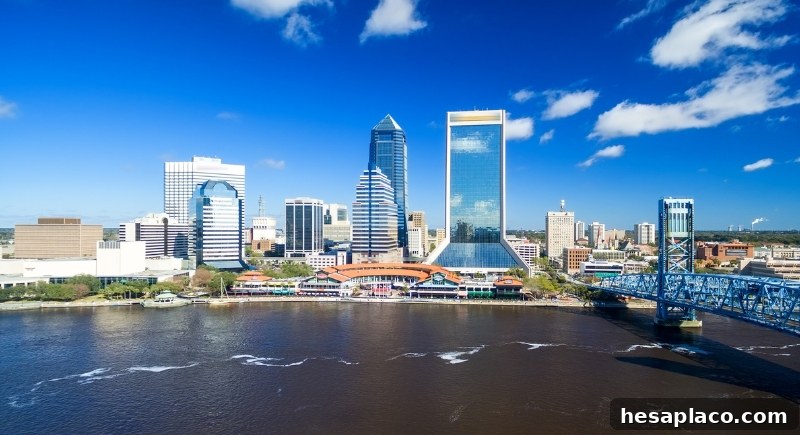
Jacksonville has transitioned from rapid relocation-driven growth to steadier, more sustainable demand. Renters are drawn by affordability, beach access, and a growing healthcare sector rather than migration hype alone. With average rent near $1,482, listings tend to stay active longer, giving prospective tenants additional time to weigh their options.
Phoenix
Credit: Getty Images
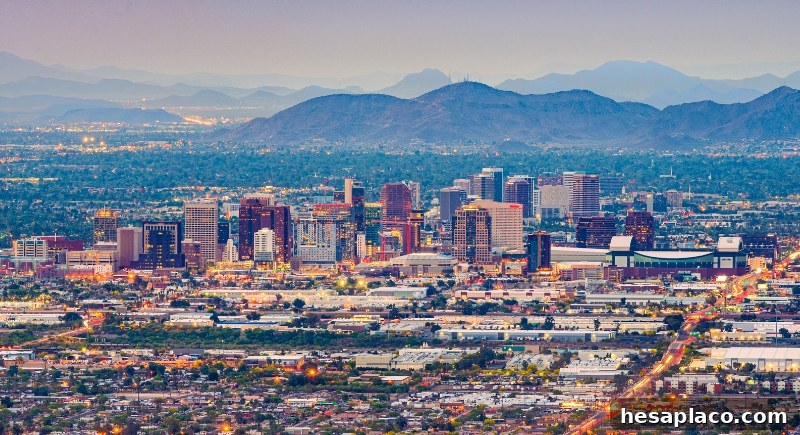
Phoenix cooled rapidly after a red-hot period, with demand moderating and summer seasonal concerns returning to the conversation. Average rent is around $1,471, reflecting an approximate 6.2% year-over-year decline. The local job market remains broadly stable, but renters are more budget-conscious and less likely to stretch finances to secure a place during peaks.
Raleigh
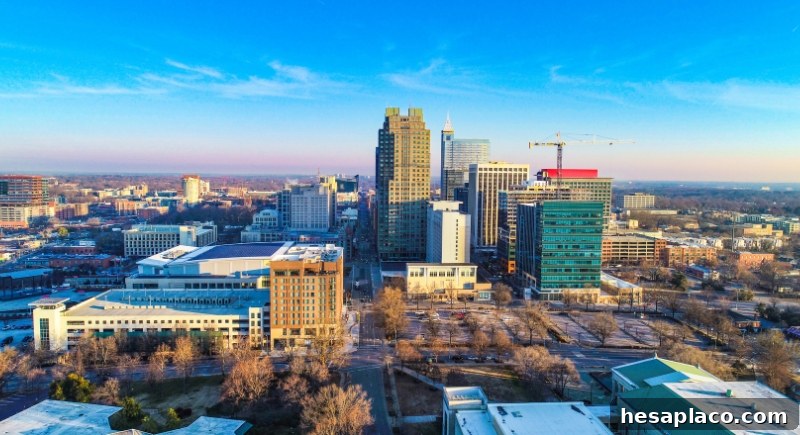
Credit: Getty Images
Raleigh’s market, once characterized by bidding wars tied to tech and research growth, is calmer. Median rent sits near $1,471, about 5.9% lower than a year earlier. With more units available, renters can compare neighborhoods and amenities instead of rushing, which has softened pricing pressure across the area.
Riverside
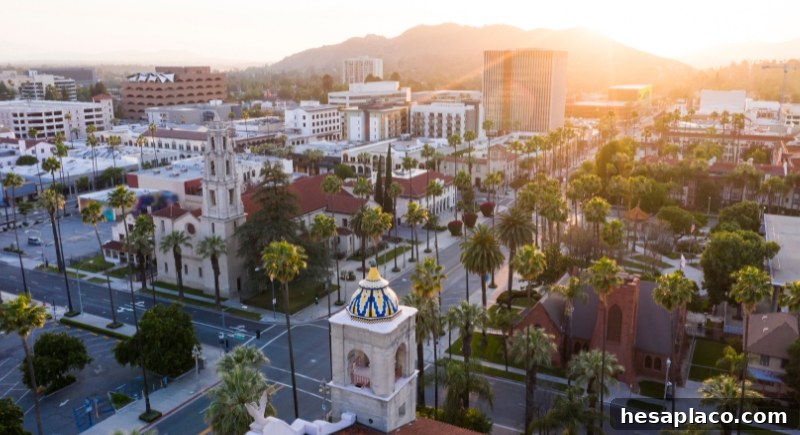
Credit: Getty Images
Riverside reflects shifting priorities among Southern California renters, with many choosing shorter commutes and larger living spaces over high-cost core markets. Median rent is around $2,089. As demand cools and choices expand, leasing has become steadier and less frantic, giving tenants more room to prioritize local amenities and quality of life.
Nashville

Credit: Getty Images
Nashville continues to grow, but at a more manageable pace. Typical rent is about $1,515, roughly 5.1% lower than the previous year. With entertainment workers and remote professionals spreading into surrounding communities, central demand has softened and formerly tight neighborhoods are seeing more movement and occasional price flexibility.
Las Vegas

Credit: Photo Images
Las Vegas has shifted from its boom-era intensity to a more stabilized market. The hospitality-driven economy shows steadier patterns, and renters now benefit from more flexible lease terms and incentives as landlords compete for tenants. Average rent is about $1,443, and rental listings frequently include concessions that were rare during the market’s peak growth years.