
The housing market is behaving oddly right now. For months, a growing number of homeowners have been removing their properties from sale instead of lowering asking prices to attract buyers. Realtor.com reports that delistings rose by nearly 50% compared with last year, and this trend is visible across many U.S. cities. What is driving this surge of disappearing “For Sale” signs?
A Standoff Between Buyers and Sellers
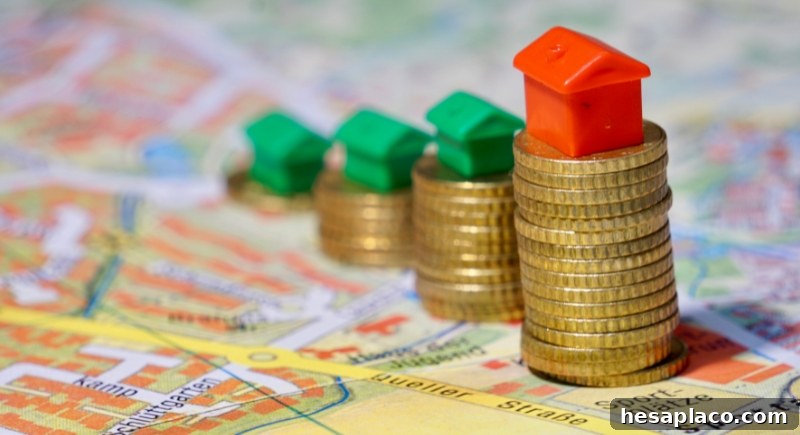
Image via Pixabay/Hobby Fotograf08
Many buyers feel squeezed by mortgage rates that have climbed back toward 7%, leaving them on the sidelines until borrowing costs improve. Sellers, meanwhile, often expect to realize the peak prices they saw in 2021 or during the pandemic housing boom. Rather than lowering their expectations, a significant number of sellers are opting to pull listings off the market.
That mismatch has produced a stalemate. In June, roughly 21 homes were delisted for every 100 new listings, up from 13 the month before. In some markets the disconnect is starker: Miami, for example, saw 59 homes removed from the market for every 100 that were listed.
The “Lock-In” Effect Is Changing
For several years, the lock-in effect kept homeowners in place: those with mortgages at 3% or 4% had little incentive to trade them for loans carrying rates near 7%. But life events—growing families, job changes, relocations—still force moves. A Zillow survey found that 78% of recent sellers moved because of life circumstances rather than a belief that market conditions were ideal.
That dynamic means more homeowners are willing to list their properties even if they might accept a lower price than hoped. At the same time, many will delist rather than accept offers that fall short of their expectations, contributing to the rise in withdrawn listings.
More Homes, But Fewer Buyers

Image via Canva/Studio Roman
Inventory has increased in many regions. Realtor.com reported that the number of homes for sale in July climbed nearly 25% year over year—the highest level since the pandemic. Zillow noted that 23% of listings received a price cut in January, a record for that month. On paper, higher inventory and more price reductions should benefit buyers, but high asking prices combined with elevated borrowing costs continue to limit buyer activity. Pending home sales in July were down about 3% from the prior year.
The imbalance is frustrating for both sides. Buyers now have more options and less urgency to act, while sellers face an environment where deals can unravel over inspection issues, repair requests, or rising insurance costs.
What’s Next for the Market
Delistings don’t necessarily mean these homes are gone permanently. Many sellers intend to relist in the spring when buyer activity normally increases. If a large number of homes return to the market at that time, inventory could spike and give buyers more leverage—potentially pushing prices lower if demand does not rise to match supply. For the time being, however, the housing market feels stalled.
Unless buyers or sellers change their positions, the trend of disappearing “For Sale” signs is likely to continue into the near term.