
You expect the back office to be where the paperwork gets signed. For dealerships, it’s where they often make their biggest profits. Most costly tactics don’t happen during the test drive; they occur when you’re sitting across from a salesperson pointing at numbers on a screen.
Below are common tactics that quietly inflate the total you pay—many buyers never notice them until it’s too late.
Fixating on Monthly Payments

Credit: Canva
Salespeople frequently ask what monthly payment you want and then reshape the deal to hit that number. They can stretch the loan term to 72 or 84 months to lower the visible monthly cost, while you pay much more in interest over time. A lower monthly payment can make the car feel affordable, but the overall expense increases dramatically.
Bundling Trade-In and Purchase

Credit: Getty Images
Dealers often merge trade-in valuation, purchase price and financing into a single transaction. That blending makes it difficult to see where value is being shifted. They may offer more for your trade-in while quietly raising the price of the new car, leaving you unsure whether you actually gained anything.
Adding Extras Without Permission

Credit: iStockphoto
If your contract lists items like tire protection, key fob insurance or window etching and you don’t recall agreeing to them, they were likely added by default. Those high-margin add-ons are not usually required. You have the right to refuse any products or services you did not explicitly approve.
Interest Rate Padding on Loans

Credit: iStockphoto
When a dealer shows a rate—say 7%—that number might be higher than the rate the lender actually offered. Dealers commonly obtain lower lender rates and then mark them up to earn a commission. This practice is legal in many places. Arriving with a pre-approved loan from your bank or credit union can prevent surprise markups and give you clearer control over borrowing costs.
“Yo-Yo” Financing Traps

Credit: Getty Images
Yo-yo financing happens when you drive the car home before financing is finalized. A few days later the dealer calls, saying the deal fell through and asking you to return—now with worse terms. To avoid this, don’t leave with the vehicle until every financing term is signed and confirmed in writing.
The Four Square Shuffle

Credit: Canva
The “four square” worksheet splits the deal into four boxes—price, down payment, trade-in and monthly payment—but it’s designed to let salespeople move numbers between boxes while you focus on one figure, usually the monthly amount. That distraction can conceal increases in price, marked-up financing or other costly adjustments.
Unapproved Preinstalled Add-Ons

Credit: Canva
Some lot vehicles arrive with dealer-installed items—VIN etching, nitrogen-filled tires or paint protection—that you didn’t request. Those charges can appear on final paperwork without prior disclosure. If an item wasn’t part of your agreed deal, insist it be removed before you sign anything.
Overpriced Package Bundles

Credit: freepik
Late in the process you may be offered “convenience” or “protection” packages that bundle floor mats, alarms, maintenance plans and similar items. These bundles are frequently marked up, vaguely priced and poor value. Because they’re raised near the end, many buyers accept them just to avoid restarting negotiations.
Manipulating Lease Money Factors
Credit: iStockphoto
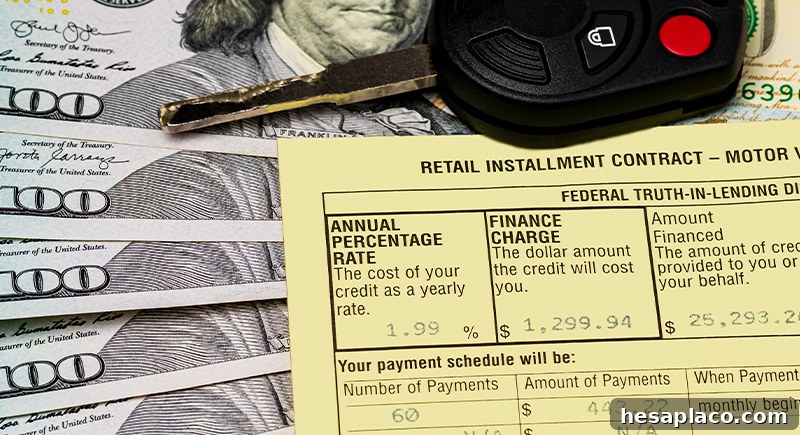
Leases use a “money factor” to calculate interest, and many buyers don’t know how to read it. Dealers can inflate the money factor to raise their profit. Ask to see the money factor and convert it to an approximate APR by multiplying by 2,400; that helps you compare lease interest to standard loan rates and spot inflated figures.
Lowball Trade-In Offers

Credit: pexels
Dealers often start with a trade-in offer well below market value, expecting buyers to come armed with numbers for the new car but not the old one. If you haven’t researched your trade-in’s worth, you’re likely to be shortchanged. Do your homework on market value and be prepared to negotiate or sell privately.
Rolling Debt Into New Loans

Credit: iStockphoto
If you still owe money on your trade-in, a dealer may promise to “handle it” but in practice simply fold that negative equity into your new loan. That increases the principal and can raise monthly payments and the total cost of the new car without making the impact obvious.
Bait-and-Switch Advertising

Credit: freepik
Some promotions advertise attractive deals on specific vehicles that are often already sold by the time you arrive. Salespeople then steer you toward more expensive options; dealers count on your reluctance to leave after traveling to the lot. Call ahead and request written confirmation if a specific car is available before making the trip.
Add-Ons Framed as Tiny Monthly Costs

Credit: iStockphoto
Extras are often presented as small monthly additions—$25 here, $35 there—but spread over a 72-month loan those amounts can add up to thousands. Dealers rely on consumers’ tendency to focus on the monthly figure rather than the lifetime cost.
Last-Minute Surprise Fees
Credit: Getty Images
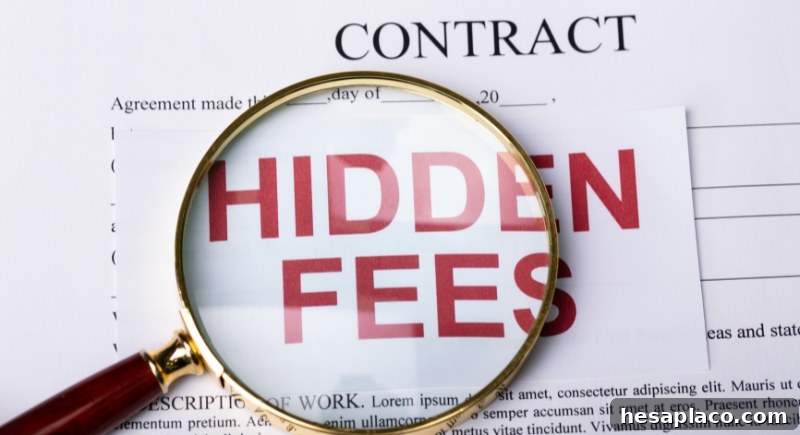
Dealers sometimes add last-minute fees—documentation, preparation or market adjustment charges—right before you sign. Some fees are legitimate, but many are simply revenue padding. Insist on a detailed breakdown of all charges before you agree to anything and be willing to walk away if unexplained fees appear.
Extended Warranties on Leases

Credit: Getty Images
If you lease, the manufacturer’s warranty often covers the vehicle for the entire lease term. Despite that, dealers frequently try to sell extended warranties that overlap existing coverage. Those products can be costly, nonrefundable and unnecessary for most leased vehicles.
Being alert to these tactics, doing research in advance, securing pre-approval for financing and carefully reviewing every line of the contract will help you avoid paying more than you intended. Stay focused on the total price and the full-term cost—don’t let a low monthly payment or last-minute bundling hide the true expense.