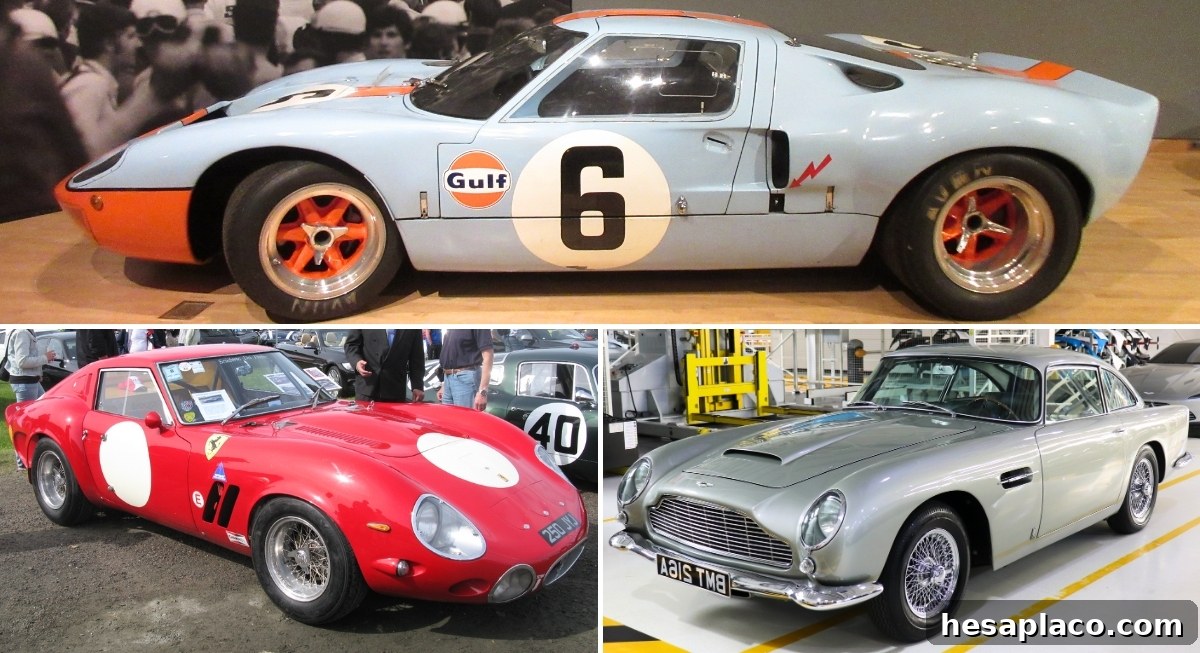
Cars from the 1960s were built before modern regulations and safety standards reshaped the automotive industry. That decade prioritized power, design flair, and engineering experimentation, producing models that perfectly captured the spirit of the era. Most were driven hard and eventually wore out, but a select few survived with their reputations intact. Those remaining examples are highly sought after by collectors today—not only for their looks and performance, but for the era they represent and the scarcity that followed.
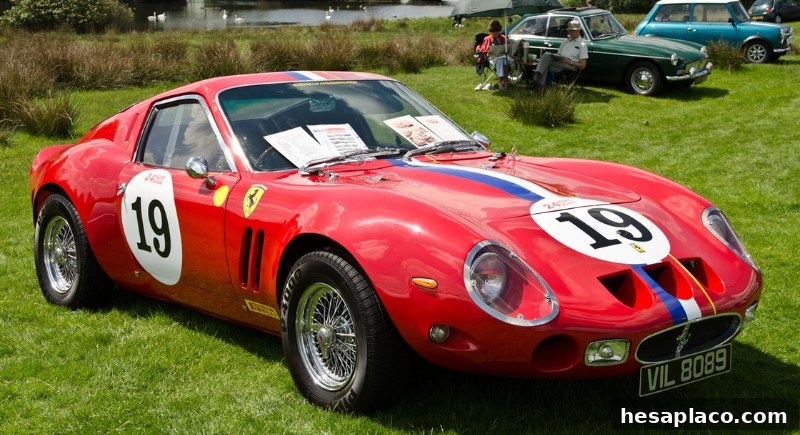
Ferrari 250 GTO
Credit: Wikimedia Commons
The Ferrari 250 GTO was purpose-built for GT racing. Produced in extremely limited numbers between 1962 and 1964—just 36 examples to meet homologation rules—the model achieved competitive success that later drove its market value. Its combination of racing pedigree, striking coachwork, and rarity has made the 250 GTO one of the most valuable collector cars in the world; private sales of top examples have reached eye-catching sums and continue to set benchmarks in the market.
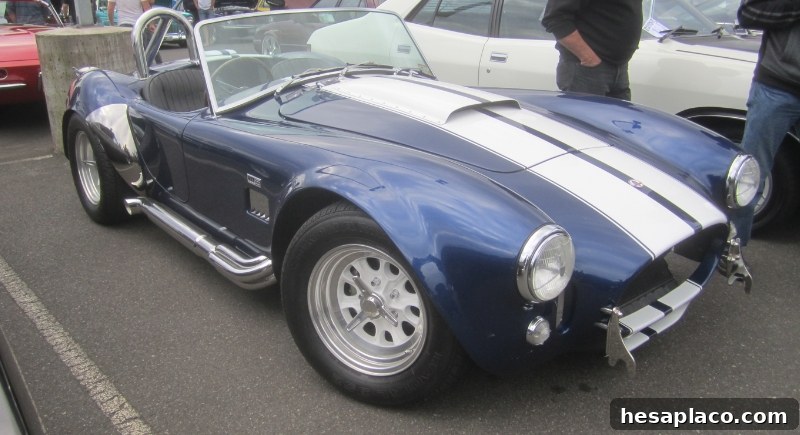
Shelby Cobra
Credit: Wikimedia Commons
Original Shelby Cobras command high prices due to their unique combination of light British chassis and big American V8 power. Carroll Shelby’s aim was simple: beat established European competitors like Ferrari by pairing a nimble frame with a Ford V8. The result was intoxicating straight-line speed and a strong racing record. Today, authentic Cobras start in the high hundreds of thousands and quickly climb into the multimillion-dollar range for competition-winning cars or exceptionally original examples.
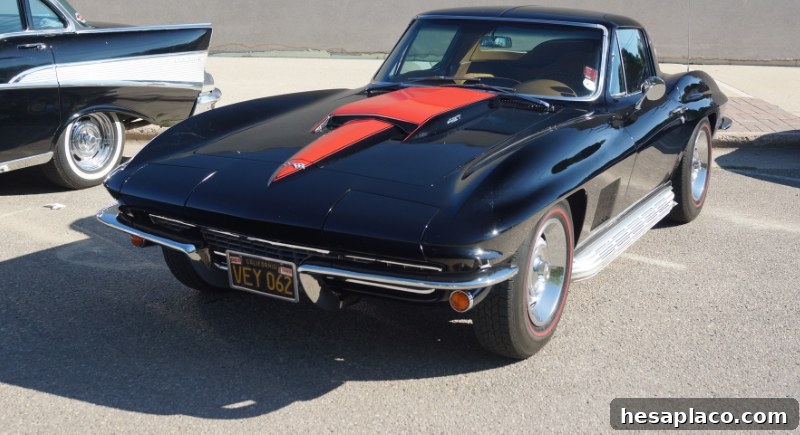
1967 Chevrolet Corvette L88
Credit: Wikimedia Commons
The Corvette L88 was built with serious racing intentions. Its 427 cubic-inch V8 was officially rated conservatively, but with race-spec internals the engine produced far more power than the published figures suggested. With only 216 L88s built between 1967 and 1969, scarcity combined with performance credentials to produce strong collector demand; well-documented, original examples trade for significant sums at auction and in private sales.
Ford GT40
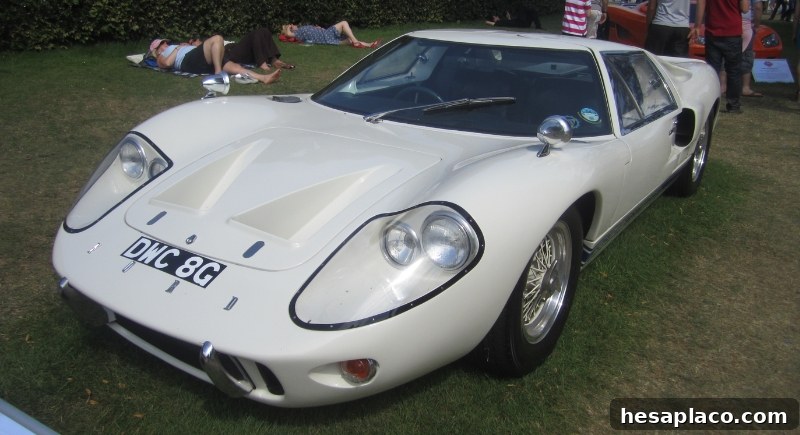
Credit: Wikimedia Commons
The GT40 was born from Ford’s ambition to beat Ferrari at Le Mans after efforts to collaborate with the Italian marque failed. The project produced one of the most successful race cars of the era, claiming four consecutive overall wins at Le Mans from 1966 through 1969. Today, the limited number of surviving GT40s—across both race and road-legal versions—makes them highly prized, with road cars and verified racers achieving strong prices due to historic significance and proven track records.
1969 Dodge Charger Daytona
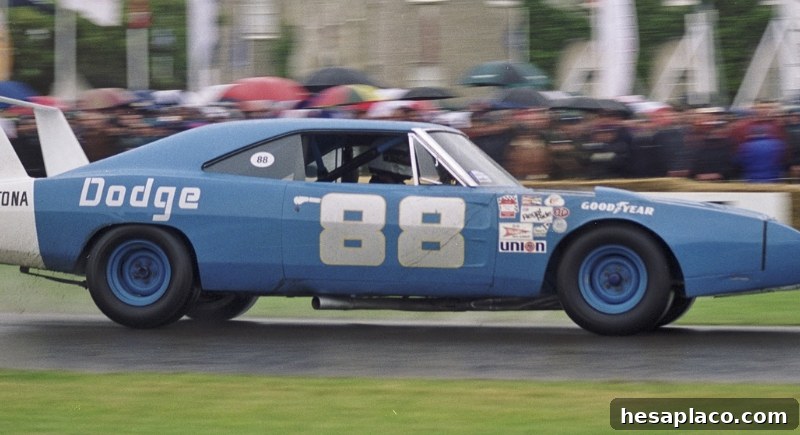
Credit: Wikimedia Commons
The Dodge Charger Daytona changed stock-car aerodynamics and NASCAR competition. Built to satisfy homologation rules, Dodge produced just over 500 Daytonas. Their distinctive aerodynamic nose and high rear wing helped one Daytona exceed the 200 mph barrier in 1970, demonstrating the effectiveness of the design. Most Daytonas were fitted with the 440 cubic-inch V8 and attract strong collector interest; rarer 426 Hemi–equipped cars are considerably more valuable due to extreme rarity and performance pedigree.
1967 Ford Mustang Shelby GT500
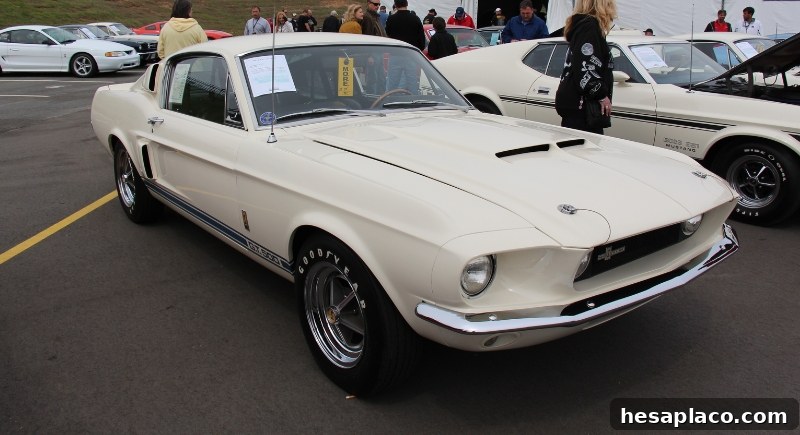
Credit: Wikimedia Commons
The 1967 Shelby GT500 is valued for both its Shelby heritage and limited production. Ford built about 2,048 units that year, each powered by a 7.0-liter (428 cubic-inch) V8 advertised around 400 horsepower. The combination of factory performance parts, Shelby tuning, and relative scarcity has made well-preserved GT500s desirable at auctions and in private sales, where exceptional examples command significantly higher prices.
1969 Ford Mustang Boss 429
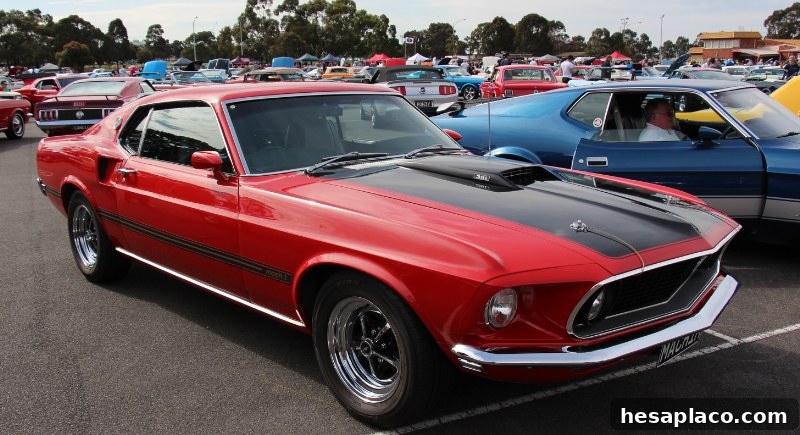
1969 Ford Mustang Boss 429
The Boss 429 was a factory-engineering solution to fit a massive engine into a production Mustang for NASCAR homologation. Building the Boss required considerable factory modification and engineering to accommodate the semi-hemispherical 429 cubic-inch V8. With only 859 production cars, the Boss 429 is rare and desirable; collector values reflect that, especially for cars that retain original components and documentation.
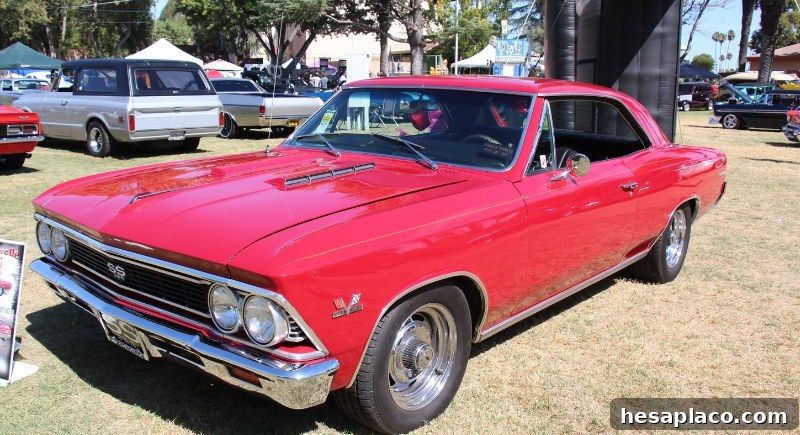
1966 Chevrolet Chevelle SS 396
Credit: Wikimedia Commons
Chevrolet’s decision to offer a big-block engine in a midsize body paid off for enthusiasts and collectors alike. The Chevelle SS 396 combined everyday practicality with serious straight-line performance, making it an iconic American muscle car. While average market values are more accessible than some of the rarer exotica, exceptionally original and well-preserved SS 396 examples continue to appreciate as interest in classic muscle cars remains strong.
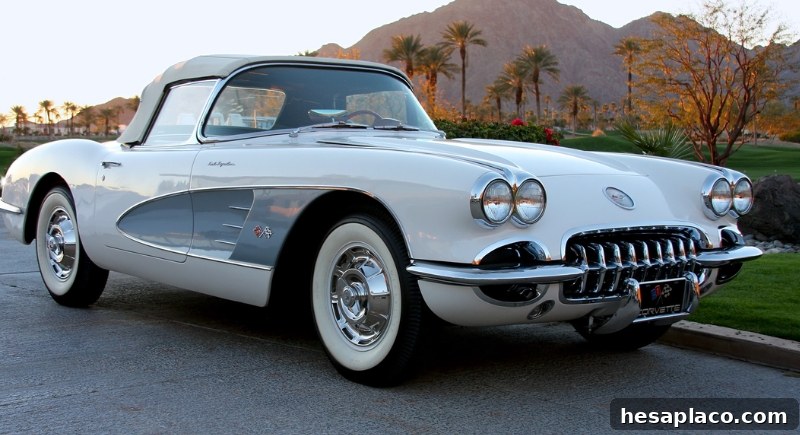
1960 Chevrolet Corvette
Credit: Wikimedia Commons
The 1960 Corvette gained credibility from its early racing efforts, including appearances at the 24 Hours of Le Mans. While it didn’t win the event, competing on that stage helped establish the Corvette’s performance reputation. Today, standard 1960 Corvettes are collectible and can be found across a range of values depending on condition and originality; fully restored, matching-numbers cars command the highest prices among collectors.
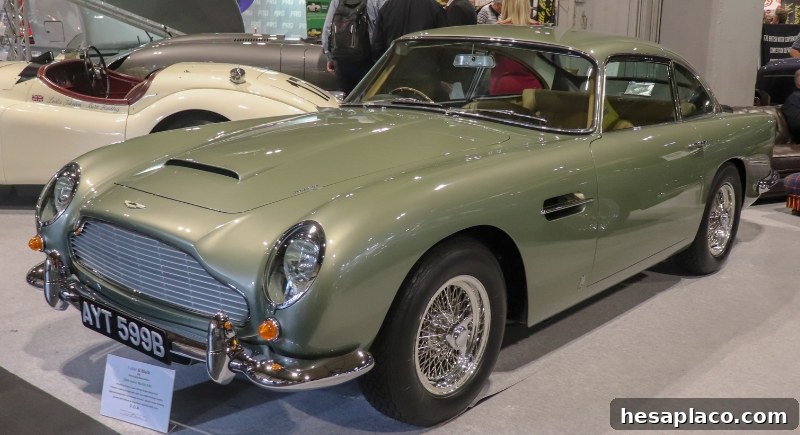
1964 Aston Martin DB5
Credit: Wikimedia Commons
The Aston Martin DB5 became an icon through popular culture, most notably its starring role in James Bond films beginning with Goldfinger. That exposure cemented the DB5’s image around the world and helped turn it into a highly desirable collector car. Produced in limited numbers, strong examples are prized for their refinement, styling, and association with cinematic history, making them a cornerstone of many classic-car collections.