
Counterfeiting almost always leads to prison, which is why this case is so unusual. One man reportedly produced about $250 million in counterfeit U.S. currency, circulated it widely, and avoided the kind of long prison term normally associated with a crime of that magnitude. He managed to mislead investigators, operate across borders, and stay ahead of authorities far longer than expected. Once the details are assembled, the outcome feels less like a fluke and more like a disturbingly logical sequence of choices.
A Kid Who Learned Business Before Learning Consequences

Credit: IMDb
Frank Bourassa grew up in Trois-Rivières, Quebec, and started hustling early. At 12 he noticed older students selling stolen designer clothes and stepped in as a middleman, distributing goods to a school population of roughly 2,000 students. Money flowed quickly and the idea of rules rarely entered his thinking.
Dropping Out, Clocking In, Breaking Rules Again

Credit: pexels
By age 15, Frank had left school and worked as a mechanic. Legal paychecks didn’t stop him from selling stolen cars on the side. A pattern emerged: he favored roles where logistics mattered more than visibility. Years later he tried to go straight, launching a brake-pad manufacturing business, but even that venture carried the imprint of his earlier approach—hard work, long hours, and a preference for control over compliance.
Success That Ended in a Breakdown

Credit: Canva
The factory turned a profit, but at a personal cost. Frank worked up to 20 hours a day until he collapsed; doctors later found severe vitamin deficiencies and uncontrollable hand tremors. He sold the business and spent two years traveling across Europe, Asia, and Africa because steady work felt physically impossible.
A Promise to Never Work Like That Again
Credit: pexels
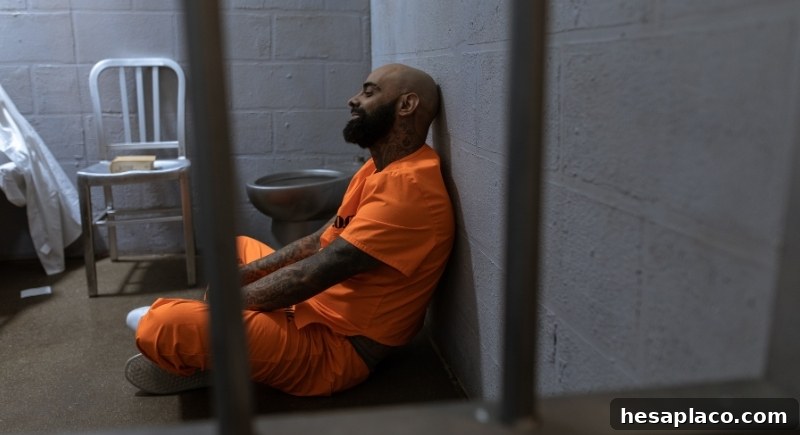
Back in Canada, Frank concluded that legitimate business demanded too much time for too little control. A brief return to the marijuana trade ended in a three-month jail term in 2006. By 2008, long drives gave him time to think, and one idea hardened: making money directly was easier than chasing it.
Choosing the Bill Everyone Trusts
Credit: pexels
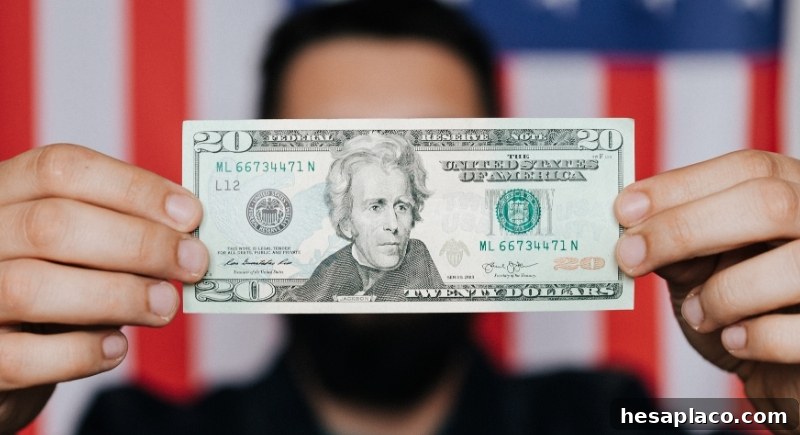
Frank chose the U.S. dollar because it moved easily across borders, and he focused on the $20 bill because it circulated heavily and, at the time, had weaker security features relative to some other denominations. He spent roughly 18 months studying publicly available descriptions of currency security, often using public library computers and other low-profile terminals to avoid drawing attention.
The Paper That Made Everything Possible
-

Credit: Canva

Currency paper proved to be the largest obstacle. Genuine U.S. bills are printed on a specific cotton-linen blend produced by a single authorized supplier. Frank circumvented that by contacting European paper mills under a fabricated business identity. A German company agreed to produce a custom cotton-linen blend after he claimed it would be used for secure bond certificates. The order cost about $30,000 and supplied enough material to support roughly $250 million in printed bills.
Printing Cash Like It Was Factory Work
-
Credit: Getty Images
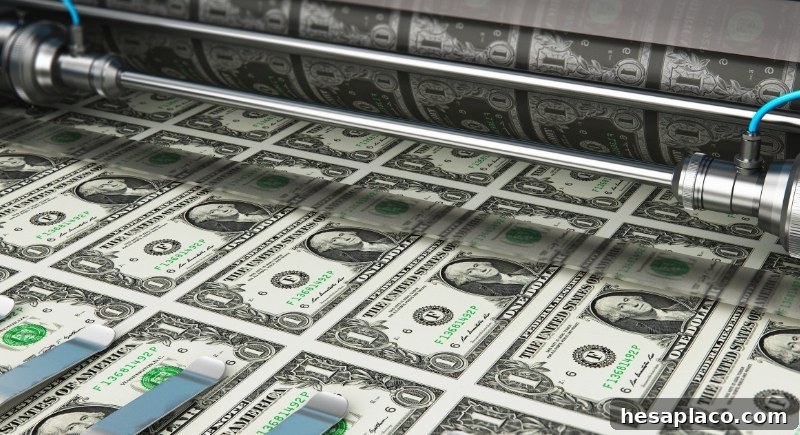
Frank invested in a Heidelberg offset press and other specialized equipment, taking setup costs close to $300,000. Printing began in late 2009 in a concealed workshop outside town. He worked 16-hour days for about five months, running almost every sheet of paper through the press immediately after setup. Authorities later described many of the notes as virtually indistinguishable from real bills by sight or touch.
Selling Trust in Boxes of Green Paper

Credit: pexels
Customers began cautiously, testing $100,000 batches before placing $1 million orders. Frank charged roughly 30% of face value for the notes, and his buyers were all outside the United States. By 2012 much of his printed stock remained unsold, so he expanded his client base in search of larger markets.
The One Deal That Changed Everything

Credit: Getty Images
That expanded client list included an undercover law-enforcement officer. After completing two test orders, police tracked the delivery chain. On May 23, 2012, officers raided his girlfriend’s home at 5:00 a.m., seizing $949,000 in counterfeit bills as well as drugs, weapons, and printing equipment. The RCMP believed a far larger sum remained hidden elsewhere.
Trading Paper for Freedom

Credit: pexels
Frank had anticipated the possibility of a serious crackdown. He had arranged for a trusted third party to hold a cache of counterfeit notes estimated at around $200 million. Facing the threat of extradition and a potential 60-year sentence, he waited to see how the case would unfold. In December 2013 he told his lawyer where the remaining stash and the printing press were located. The money and equipment were handed over to authorities. Charges against him were dropped on March 27, 2014, after a brief six-week jail stay and a relatively small fine. Today he runs a consultancy in Canada focused on counterfeit-prevention and keeps a low profile to avoid returning to the kind of trouble that once defined his life.