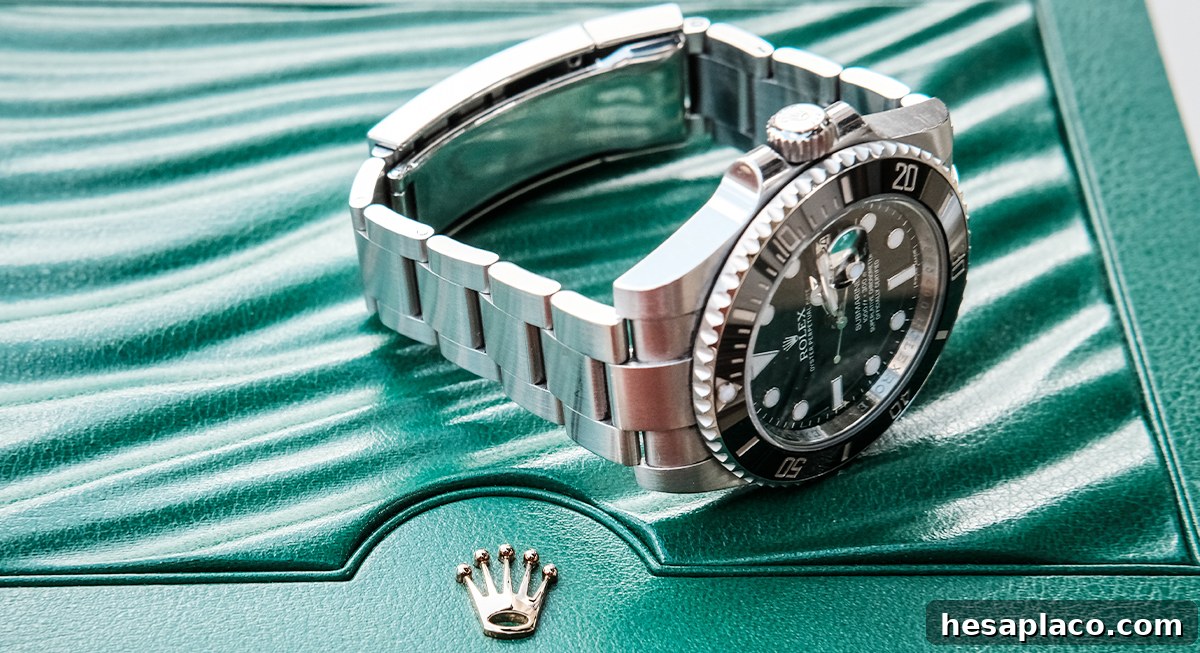
Owning a rare watch, a century-old bottle of wine, or a seaside mansion used to be the ultimate mark of wealth. Such purchases signaled status and exclusivity. You probably first associated a Rolex with a wealthy buyer. But among the global elite, a shift is underway: many are now selling the very assets that once defined them.
Across the world, the ultra-rich are offloading items that used to symbolize power. This development is surprising given their financial resources. What explains it?
The Great Luxury Cooldown

Image via Wikimedia Commons/MaT-WiKi1
After nearly a decade of steady appreciation, many luxury assets began losing value in 2023. The Knight Frank Luxury Investment Index, which tracks categories like fine art and collectible cars, fell by roughly 6% following years of gains.
Famous Bordeaux wines such as Lafite Rothschild and Château Margaux dropped about 20% in value. Private jets and yachts in the United States declined around 6%, while pre-owned Rolex watches lost nearly 30% compared with 2022. High-end residential markets in London and Paris have cooled, and potential buyers are hesitating before committing to major purchases.
This slowdown does not mean the wealthy are in financial distress. The number of billionaires worldwide has risen past 3,000, and the richest Americans control more of the nation’s wealth than before. Moody’s Analytics reports that spending among the top 3% has increased since 2022. What has shifted is the perception of value: ownership-based exclusivity no longer carries the same prestige.
Economist Thorstein Veblen famously argued that luxury depends on scarcity; people desire what few can access. That concept is weakening in a world where lab-grown diamonds compete with mined stones, designer items appear on resale platforms within days, and private jets can be booked on-demand through digital services.
Art has been transformed by fractional ownership, allowing many people to own small shares of a single masterpiece. Social media has also turned formerly private displays of wealth into public spectacles. The discreet, closed circles that once prized secrecy now share their lives widely online. When possessions are visible to all, ownership alone feels less impressive.
The New Status Symbol
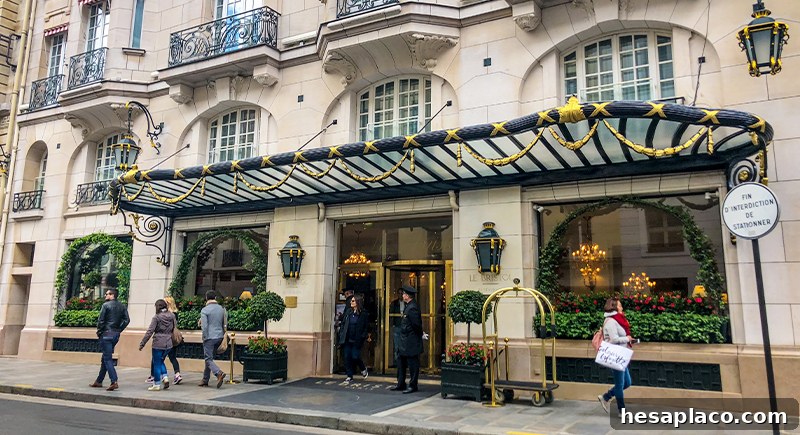
Image via iStockphoto/anouchka
Rather than accumulating visible assets, wealthy buyers are increasingly spending on experiences and services that cannot be replicated or resold. The Ultra-Luxury Services Index, which measures demand for ultra-exclusive travel, dining, and one-of-a-kind access, has surged nearly 90% since 2019.
Luxury hotel rates have climbed sharply: a night at Le Bristol in Paris now costs about twice what it did in 2019. In places like Palm Beach, senior household staff can earn more than $150,000 a year. Tickets to marquee events such as Wimbledon or the Super Bowl have doubled in price, and an invitation to the Met Gala remains one of the most coveted, non-transferable privileges.
Fine dining has also grown more expensive. A meal at Benu in San Francisco costs roughly 78% more than it did in 2015. These examples reflect a broader trend: high-net-worth individuals are prioritizing unique, ephemeral experiences over static possessions that sit in vaults or display cases.
Experiences offer exclusivity in ways traditional luxury goods increasingly cannot. Private access, bespoke services, and curated moments create memories and social capital that are difficult to copy or monetize. They also align with a younger generation of wealthy buyers who value storytelling, personalization, and authenticity more than mere display.
At the same time, technological and market changes have made many previously rare goods more accessible. Resale markets, fractional ownership, and on-demand platforms have eroded the aura of singular ownership. Where once a yacht or a rare painting separated a few from the rest, now participation can look routine or transactional.
As a result, the symbols of elite status are shifting from static markers of wealth to dynamic, lived experiences. The ultra-rich appear less interested in owning trophies and more focused on curating moments that are private, bespoke, and difficult to replicate. That redefinition of value is reshaping the luxury market and altering how status is expressed in the 21st century.