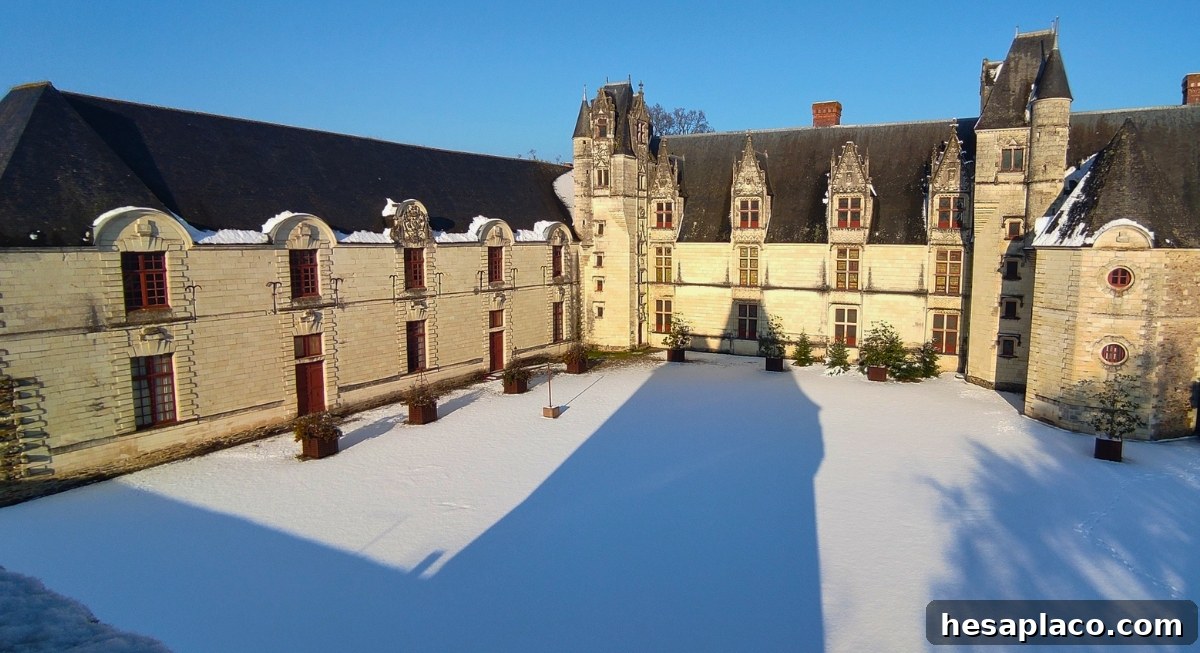
A thousand years ago Europe was in the Middle Ages, Japan was ruled by emperors and shoguns, and the printing press had not yet been invented. Yet a small number of businesses launched in those distant times and have continued operating to the present day. These companies weathered wars, plagues, economic collapses and social upheaval without permanently closing, preserving crafts, skills and institutions across centuries.
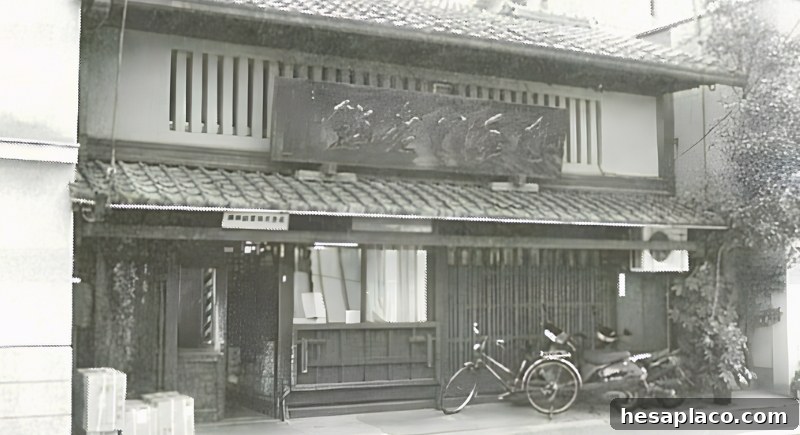
Genda Shigyō’s Enduring Paper Craft
Credit: Wikimedia Commons
Founded in Kyoto in 771 when the city served as Japan’s capital, Genda Shigyō established a reputation for ceremonial paper and traditional decorative cords known as mizuhiki—intricately knotted cords twisted from washi paper. For centuries the company supplied the imperial household and ceremonial markets. Today it produces a wider range of printed goods, including wedding stationery and specialty designs, while preserving time-honored techniques and aesthetics.
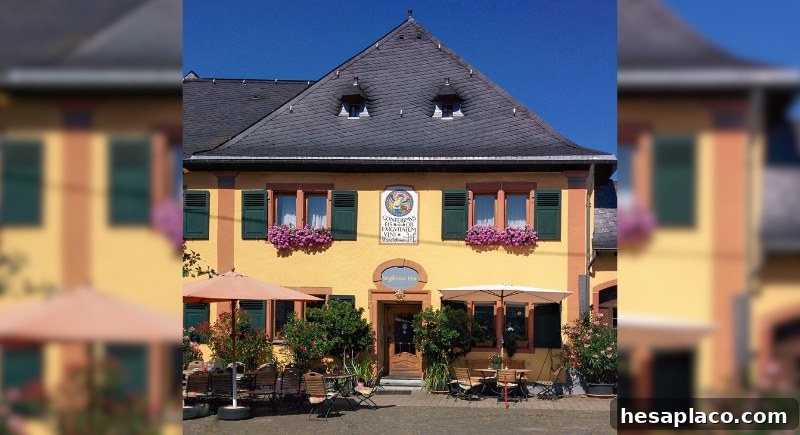
Staffelter Hof: A Wine Tradition Through the Ages
Credit: Wikimedia Commons
Staffelter Hof in Germany traces its origins to an abbey-run vineyard recorded in 862. It is one of the rare family-owned estates that survived the upheavals of World Wars I and II and the collapse of empires. Purchased by Peter Schneider in 1805, the property remains in his descendants’ hands. Over time the operation expanded to include a distillery in the late 19th century and guest accommodations in the 20th century, blending winemaking tradition with hospitality.
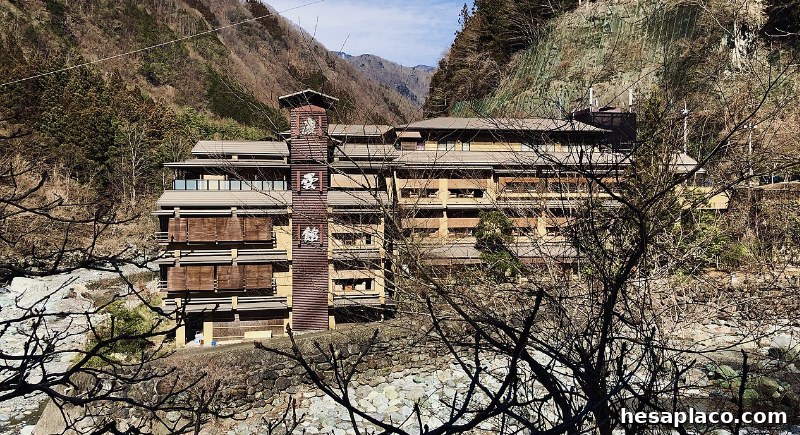
Nishiyama Onsen Keiunkan: A Hot Spring That Lasts
Credit: Wikimedia Commons
Established in 705 in Yamanashi Prefecture, Nishiyama Onsen Keiunkan has welcomed emperors, samurai and ordinary travelers for more than thirteen centuries. For most of its history the inn remained within the same family, until management passed to a longtime general manager in 2017. Its steaming hot springs (onsen) and traditional wooden architecture continue to attract visitors seeking authentic bathing culture and historic ambiance.
Monnaie de Paris: Minting a National Legacy

Credit: Wikimedia Commons
France’s national mint has continuously produced coins and commemorative medals for centuries. Though much of its production now takes place in Pessac, the historic Paris site remains a museum and archive. Across invasions, revolutions and regime changes the mint preserved numismatic techniques and state symbolism; today it issues euros and collectible pieces while conserving an important element of France’s monetary and cultural history.
Kongō Gumi: Temple Builders Across Generations
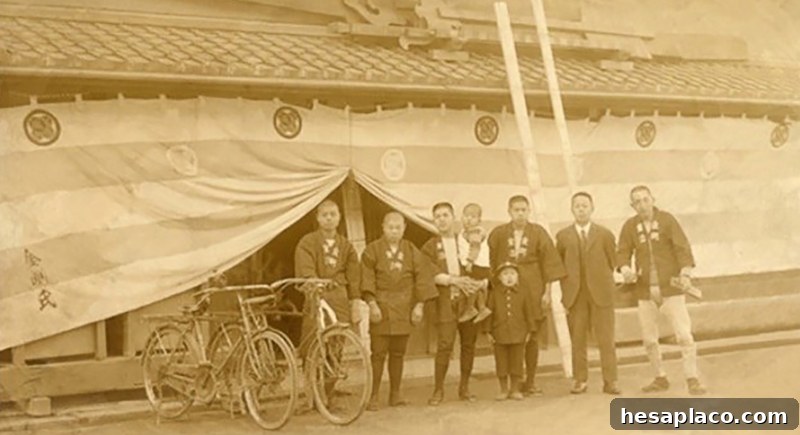
Credit: Wikimedia Commons
Founded in 578 in Osaka, Kongō Gumi specialized in constructing Buddhist temples and shrines for more than fourteen centuries. Its long survival owed much to adaptability; during times of conflict the firm took on different kinds of work, including building coffins. Today Kongō Gumi operates as a subsidiary of Takamatsu Construction, continuing to restore and build cultural structures by combining traditional carpentry techniques with modern methods where appropriate.
St. Peter Stiftskulinarium: Dining Since the Early Middle Ages
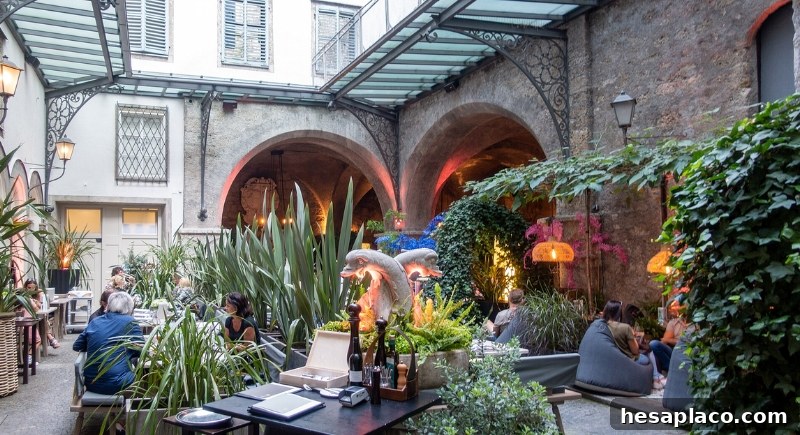
Credit: Wikimedia Commons
Recorded in a document by Alcuin of York, St. Peter Stiftskulinarium served its first recorded meal in 803—long before forks became common across Europe. Originally connected with St. Peter’s Abbey, the establishment catered to monks and wine merchants. Over the centuries it evolved into a full-service restaurant that added a bakery and guest rooms while retaining a strong link to its medieval origins.
Tanaka-Iga: Sacred Craftsmanship in the Modern Age
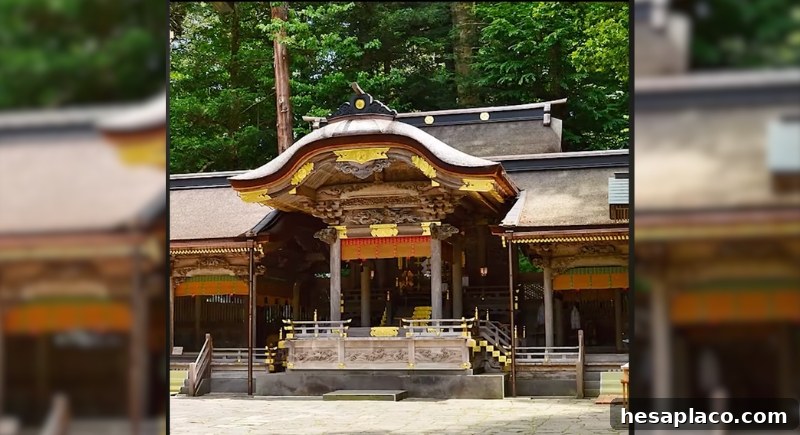
Credit: Youtube
Now in its seventieth generation, Tanaka-Iga continues to produce ritual and sacred objects with meticulous care. The company has integrated modern tools—computer modeling and 3D mockups—to plan designs before carving, but it preserves the spiritual focus and handwork that make its pieces heirloom-quality rather than mass-produced souvenirs. These items continue to serve temples and private collectors who value authenticity and tradition.
Château de Goulaine: A Vineyard with Royal Ties
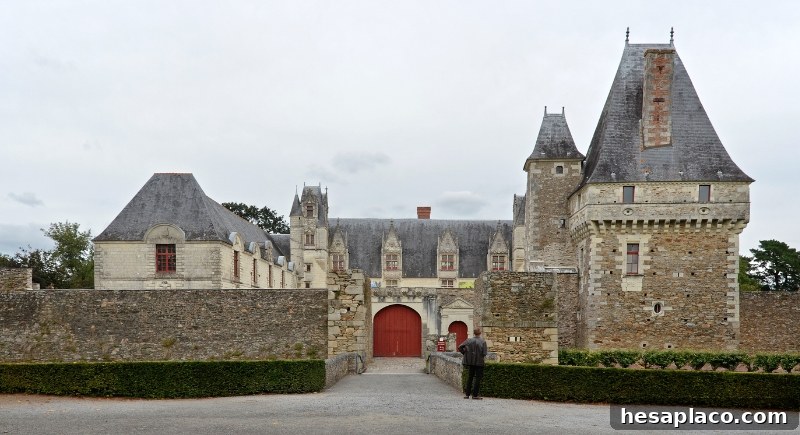
Credit: Wikimedia Commons
The Goulaine estate in France’s Loire Valley traces viticultural activity back to roughly the 11th century. Though the present château was constructed later, the family’s relationship with the land spans more than a millennium. The property has housed and entertained royalty over the centuries and remains known for winemaking, heritage gardens and the continuity of family stewardship.
Nakamura Shaji: Traditional Joinery Lives On
Credit: Instagram
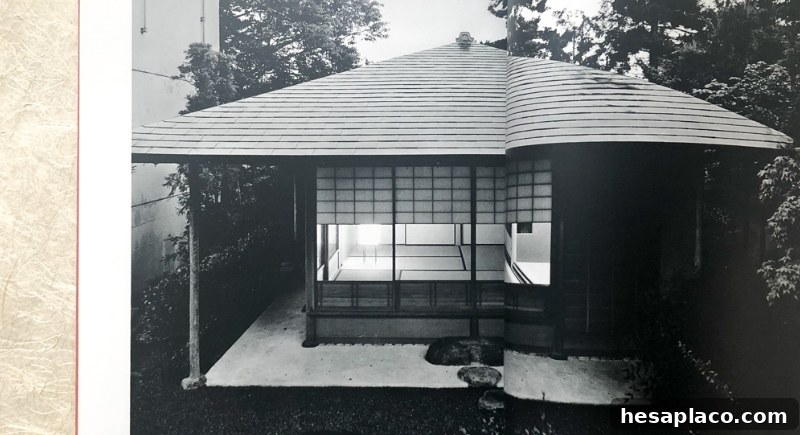
Operating since 970 in Aichi Prefecture, Nakamura Shaji specializes in intricate woodwork for shrines and temples, using traditional joinery methods that avoid nails. Its projects are often large and spiritually significant, demanding precision and deep knowledge of materials. While the company may not appear in headlines, its craftsmanship forms the literal and cultural foundations of many sacred sites.
Shumiya-Shinbutsuguten: Preserving Ritual Goods and Tradition

Credit: Canva
Since 1024 Shumiya-Shinbutsuguten has produced Buddhist ritual goods, surviving political and cultural shifts that dissolved many similar firms during the Meiji Restoration and later modernization. The company adapted gradually, maintaining a focus on quality and tradition while expanding its reach to customers worldwide who appreciate Japanese craftsmanship and religious artifacts. Its continuity reflects a commitment to preserving specialized skills across generations.