
School taught many lessons as though they were permanent fixtures of adult life. Years later, a surprising number of those lessons no longer reflect how we work, use technology, or handle daily tasks. Looking back, these topics aren’t so much embarrassing as revealing; they show how quickly the world moved on while classroom routines remained unchanged.
Writing in Cursive

Credit: Getty Images
Many people only notice that they no longer use cursive when asked to write something by hand at work. Most forms arrive digitally, notes are stored in shared documents, and even signatures often happen on a screen. As a result, practicing flowing handwriting has become a largely symbolic skill rather than a daily necessity.
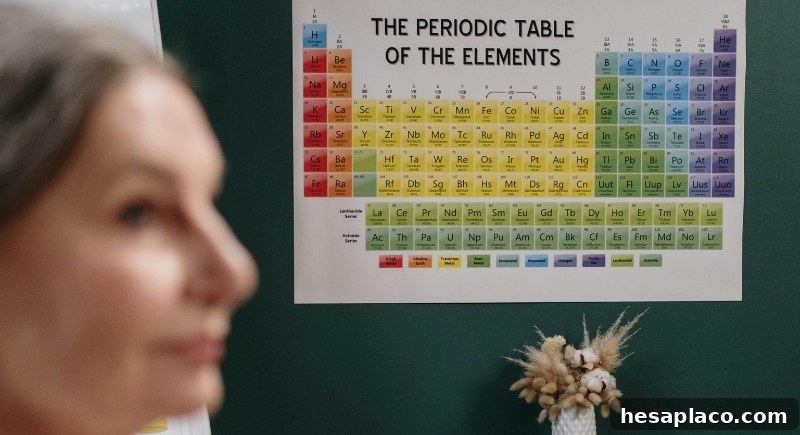
Memorizing the Periodic Table
Credit: pexels
In chemistry class, rote recall of element names and symbols was often presented as proof of understanding. In professional practice, however, chemists rely on reference charts, databases, and software. Real-world work rewards interpretation, pattern recognition, and applying chemical principles far more than memorizing lists.
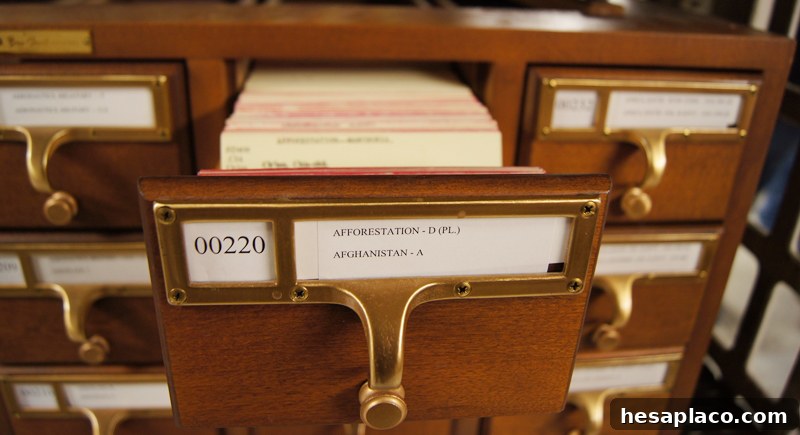
Using a Card Catalog
Credit: Wikimedia Commons
For decades, knowing how to use a card catalog signified research literacy. Students learned how libraries organized and stored physical information. When digital search arrived, it bypassed that whole structure. Drawer-based catalogs vanished, and with them the need to understand the logistics behind the older system.
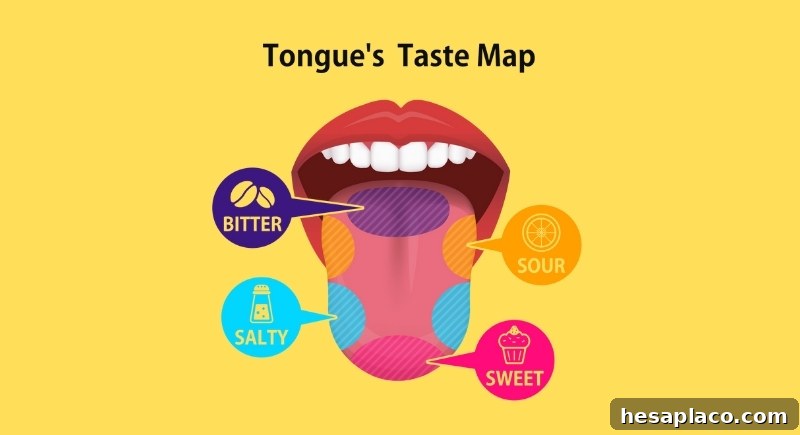
The Taste Map of the Tongue
Credit: iStockphoto
The classic textbook diagram that divides the tongue into separate taste zones looked convincing and went unchallenged for years. That depiction stemmed from a misinterpreted early study and has since been debunked: taste receptors are distributed across the tongue. Despite updated research, the simplified map persisted in classrooms long after the science corrected it.
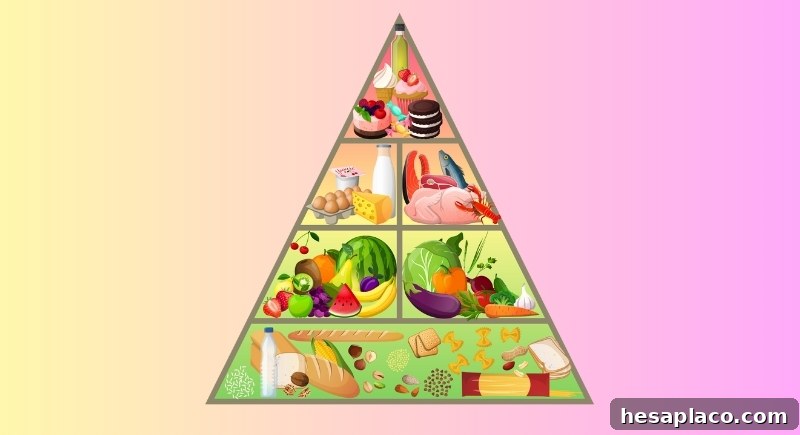
The Food Pyramid
Credit: Canva
For many years the food pyramid served as unquestioned guidance on classroom walls. Students were taught to build meals around bread and grains because those items formed the base of the pyramid. Nutrition science has since shifted toward emphasizing balance, portion quality, and context rather than rigid categories, making the old graphic an oversimplified teaching tool.
Long Division by Hand
Credit: Wikimedia Commons
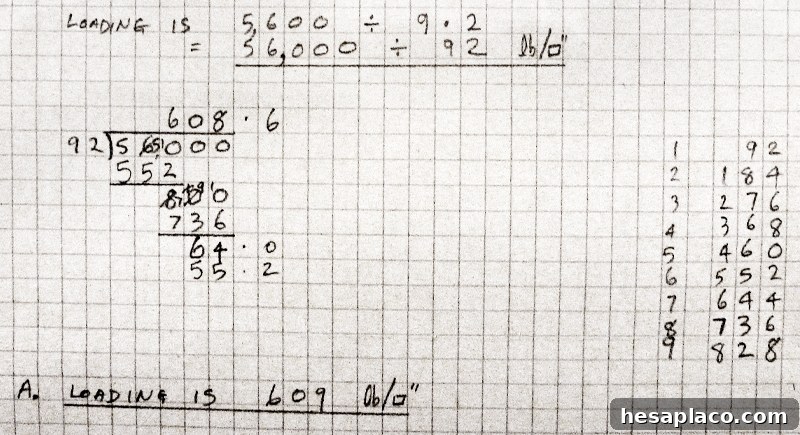
Long division remained in curricula partly because it offered a visible demonstration of mathematical competence. Teachers used the step-by-step process to assess understanding. In daily life, however, calculators and software perform these calculations instantly, so the manual algorithm functions more as an academic proof of skill than a practical necessity.
Learning the Recorder
Credit: Canva
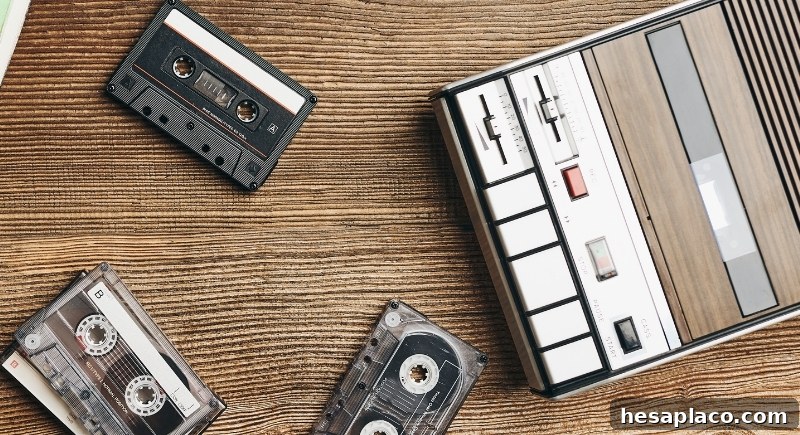
The recorder was a staple in many music classrooms because it was inexpensive and easy to distribute. Most students played it only briefly and did not continue afterward. Over time music education broadened its offerings, incorporating a wider range of instruments, ensemble work, and digital tools that better support choice and collaboration.
Roman Numerals

Credit: pexels
Roman numerals continued to appear in lessons long after they lost practical value for calculation. They are visible on clocks, monuments, and film credits, so students learned them for cultural literacy more than for mathematical utility. Over time they became largely decorative rather than functional.
Climbing a Rope in Gym Class
Credit: Getty Images
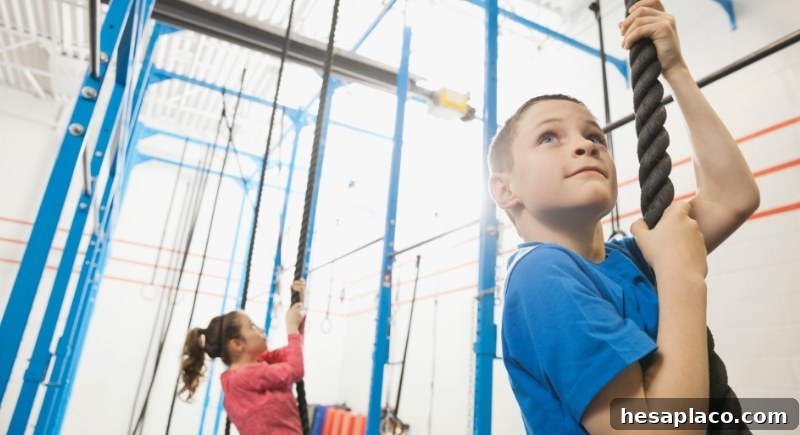
Rope climbing emphasized upper-body strength and a willingness to take risks, skills that aren’t necessarily relevant to broader, lifelong fitness. Concerns about injuries and liability pushed many schools to reevaluate such activities. Contemporary physical education increasingly focuses on safe, sustainable movement patterns and inclusive fitness goals.
Reciting the Preamble to the U.S. Constitution

Credit: iStockphoto
Many classrooms treated the Preamble as a performance to be memorized and recited rather than a text to be examined. Students learned cadence and order at an early age but often lacked deeper context about the Constitution, civic structures, or rights. Today, educators increasingly emphasize discussion, interpretation, and civic literacy over rote recitation.
These examples show how education preserves traditions that once made sense in their historical context. As technology, science, and social priorities evolve, teaching also needs to adapt—shifting from memorization and ritual toward skills that match how people actually use knowledge in work and everyday life.