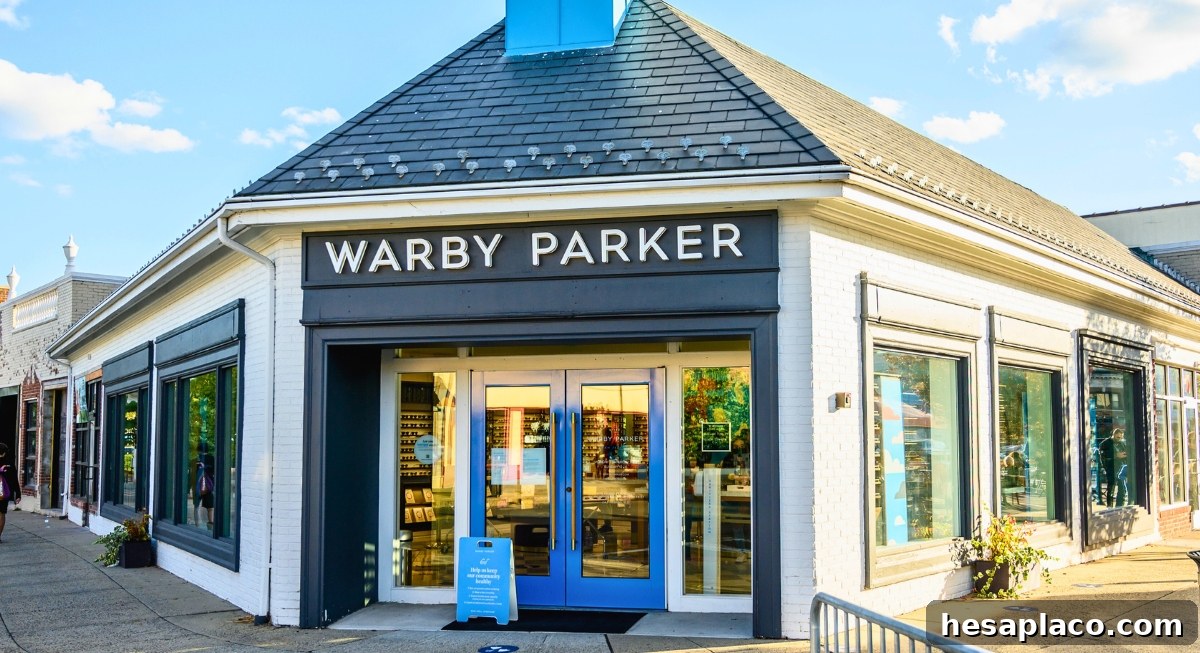
For years, buying glasses felt inexplicably expensive for such an everyday necessity. Frames, lenses, eye exams, and vision insurance all seemed to carry high markups, and most customers had little sense of why. Behind the scenes, a handful of powerful companies concentrated control across the eyewear supply chain, limiting competition and keeping prices elevated. Warby Parker entered that landscape as an outsider asking hard questions, and in doing so helped expose how industry concentration translated into higher costs for consumers.
The $800 Pair That Inspired a New Approach

Credit: Canva
Dave Gilboa hadn’t planned to start a company when he lost his glasses while backpacking in Thailand, but the sticker shock of replacing them changed everything. The replacement cost more than the new phone he’d purchased, and that imbalance lingered. Conversations with friends about why eyewear cost so much eventually evolved into the direct-to-consumer concept that became Warby Parker.
Revealing the Industry’s Concentration
Credit: Facebook
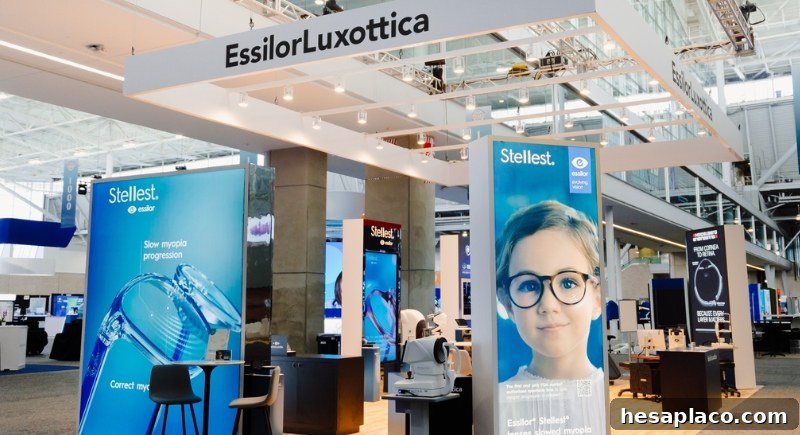
Before Warby Parker emerged, many shoppers were unaware of how consolidated the eyewear sector had become. A single dominant player controlled well-known frame brands, manufactured lenses, owned retail chains, and participated in vision insurance. That vertical integration allowed price-setting at multiple points, often leaving consumers paying higher prices without understanding the source.
A Literary Name, a Practical Mission
Credit: Wikimedia Commons
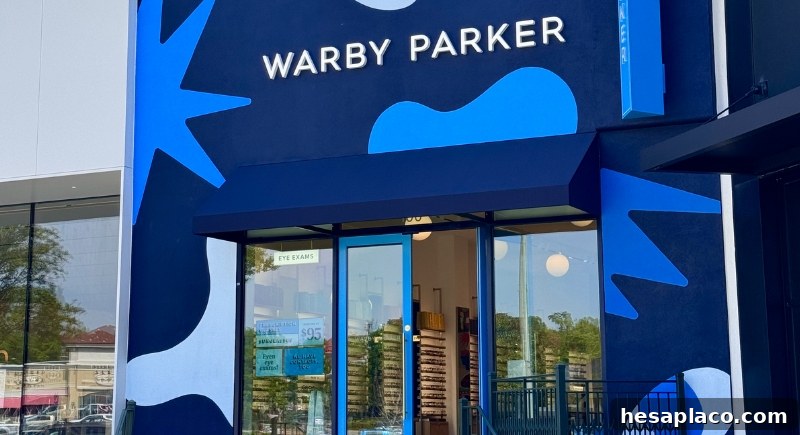
The name “Warby Parker” drew inspiration from characters in Jack Kerouac’s journals, but the company’s strategy was grounded in practicality: make eyewear affordable, stylish, and accessible. The founders rejected the idea that good glasses had to be prohibitively expensive. By designing frames in-house and selling complete pairs for about $95, including lenses, they aimed to democratize access and make owning multiple styles feel normal.
Home Try-On: A Risk That Paid Off
Credit: Youtube
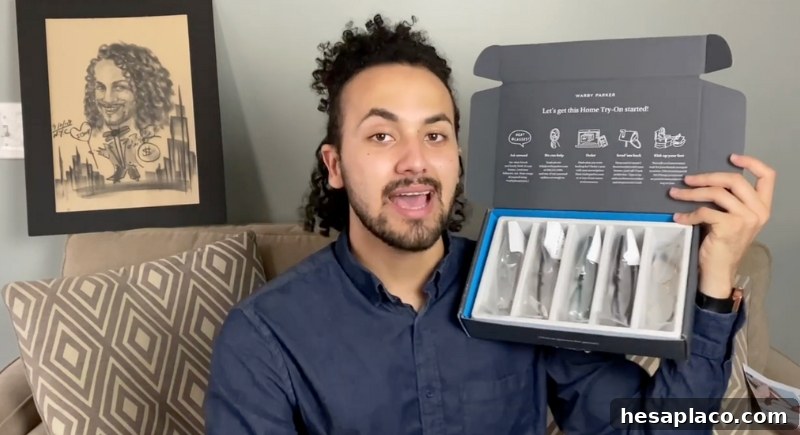
Sending five pairs of frames to try at home might have sounded like a gimmick, but it became one of Warby Parker’s most effective innovations. The program replicated the in-store experience without requiring customers to leave home, building trust and convenience. It also allowed the brand to reach shoppers in areas underserved by traditional boutiques.
Early Buzz and Rapid Growth

Credit: pexels
Media coverage in publications like GQ and Vogue generated substantial interest before the company spent heavily on advertising. A waitlist ballooned to 20,000 people, and their initial sales target was met within weeks. The founders used direct outreach and even hosted local try-ons in their apartment, turning early momentum into a loyal customer base.
Profit with Purpose: Buy a Pair, Give a Pair

Credit: Instagram
Philanthropy has been central to Warby Parker’s model from the start. Their “Buy a Pair, Give a Pair” initiative channels resources from each sale to fund eyewear for people in need. By partnering with organizations that deliver vision care globally, the company tied commercial success to social impact.
Facing Legal Pushback from Established Players

Credit: pexels
Warby Parker’s rise prompted resistance from incumbents. One flashpoint came when the startup bid on competitors’ brand names in search advertising, including a prominent online retailer. That tactic triggered legal disputes over trademark use and digital advertising practices, underscoring how difficult it can be for challengers to compete in the modern eyewear marketplace.
Stores as Experience Centers
Credit: Instagram
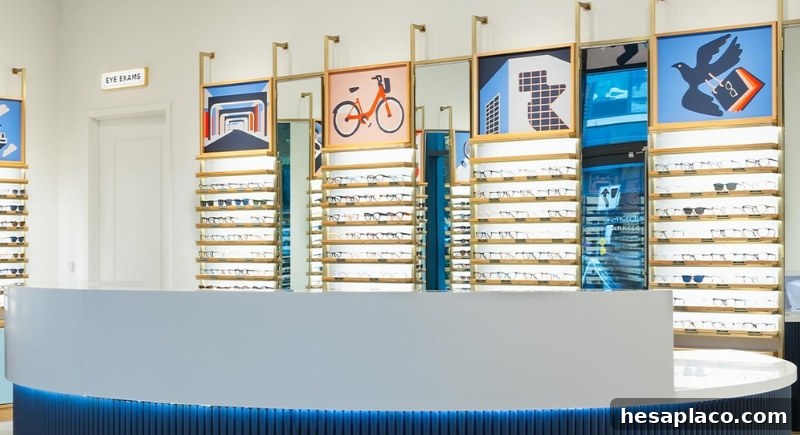
Rather than simply using retail locations for transactions, Warby Parker designed stores as brand showrooms where customers could explore styles and receive personalized service. Clean design, approachable staff, and integrated technology created an inviting environment that differentiated the company from larger, less customer-focused chains.
Building Technology Instead of Buying It
Credit: Youtube
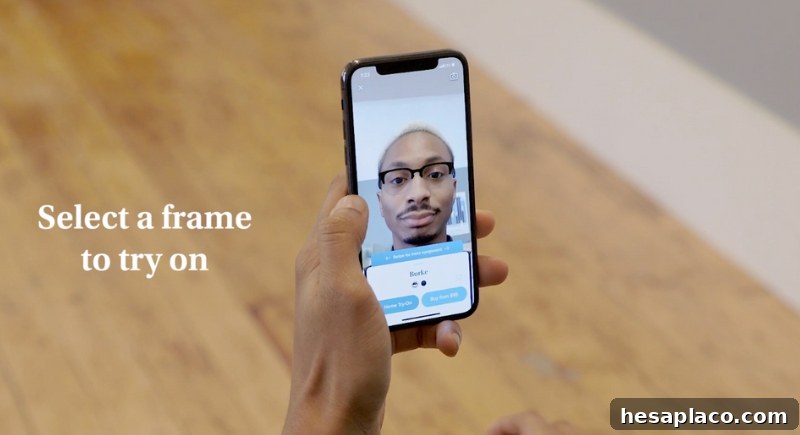
Warby Parker invested in proprietary technology, building its own point-of-sale systems and tools such as Virtual Try-On. This vertical control allowed smooth integration between e-commerce and physical stores, greater adaptability, and better customer insights—advantages that many established competitors still lack.
Going Public While Retaining Control
Credit: Instagram
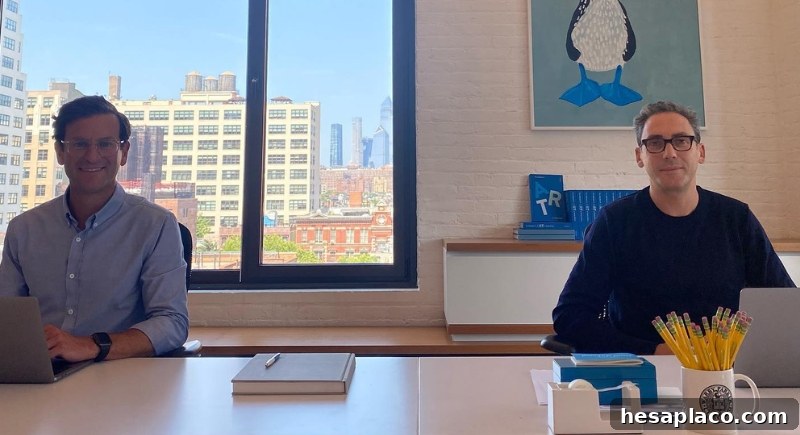
When Warby Parker went public in 2021, its founders structured the company so they retained super-voting shares, allowing them to maintain strategic control while accessing public capital. That approach let the company continue pursuing long-term goals—expanding access, improving the customer experience, and challenging an industry built on heavy markups and concentrated power.
Warby Parker’s story is a reminder that transparency, design-driven thinking, and a willingness to challenge entrenched systems can reshape an industry. By simplifying pricing, investing in customer experience, and pairing commerce with a clear social mission, the company forced both competitors and consumers to reconsider what fair value for eyewear should look like.