Grocery shopping is likely to become more expensive in 2026. Rising tariffs, higher raw-material costs, and shifts in production and supply chains are expected to push prices up on a range of everyday items. Below is a clear look at the products most likely to be affected and the reasons behind the expected price increases, so you can plan your shopping and budget more effectively.
Beef Cuts Are Likely to Get More Expensive
Credit: pexels
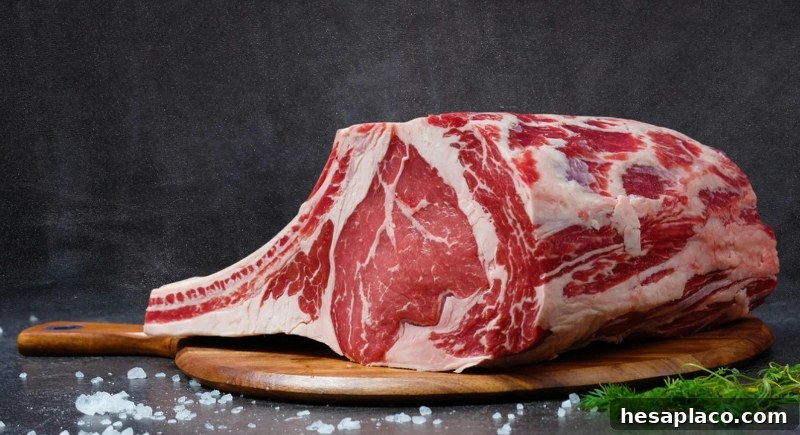
Beef prices are under pressure as cattle herds in North America shrink. Some ranchers are leaving the industry, reducing supply and increasing wholesale costs. Researchers have projected that beef could rise by roughly 7% in 2026, and higher beef costs can create upward pressure on prices for other meats and meat substitutes as retailers adjust margins and sourcing strategies.
Canned Goods May No Longer Be the Budget Option
Credit: Canva
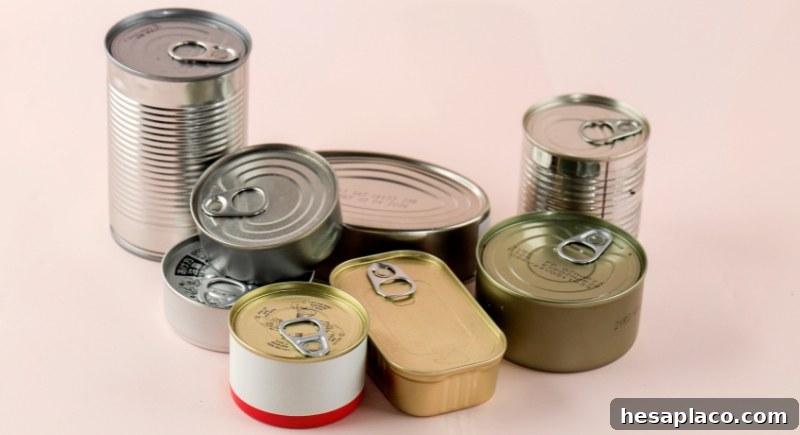
Items like canned beans, tomatoes, and soups have historically been low-cost staples, but rising metal and packaging costs are changing that. Tariffs on aluminum and steel from certain regions are increasing manufacturing expenses, and those higher input costs are likely to trickle down to consumers, making canned goods less of a bargain than they have been.
Egg Prices Remain Elevated
Credit: Canva
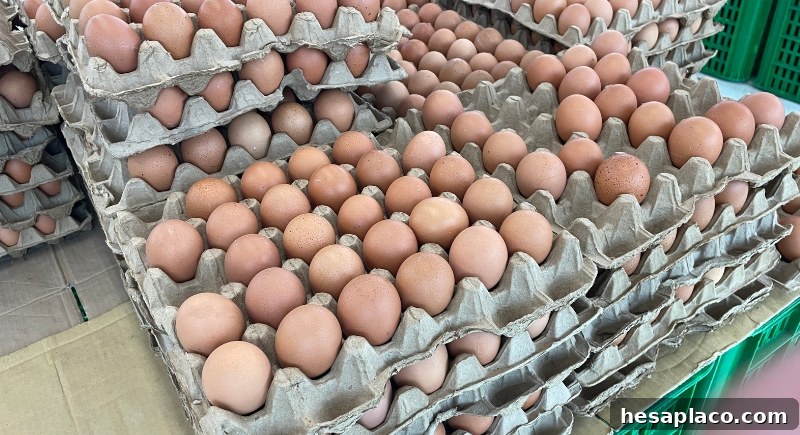
Egg production has not fully recovered from recent avian influenza outbreaks in key producing states. The USDA reported a year-over-year decline in output, and retail egg prices have already risen significantly. Fragile supply chains and the risk of further flock losses mean egg prices may stay high or rise further in 2026.
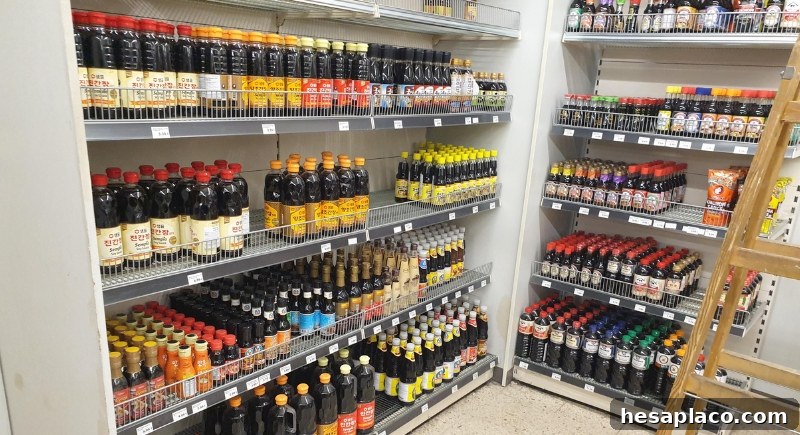
Soy Sauce and Other Asian Condiments Face Tariff Pressure
Credit: Reddit
Soy sauce and similar condiments often rely on raw ingredients and finished goods imported from Asia. Tariffs on certain imports are raising costs for manufacturers and importers, and those increases are likely to be passed on to consumers. Even private-label versions may see price adjustments as supply-line expenses rise.
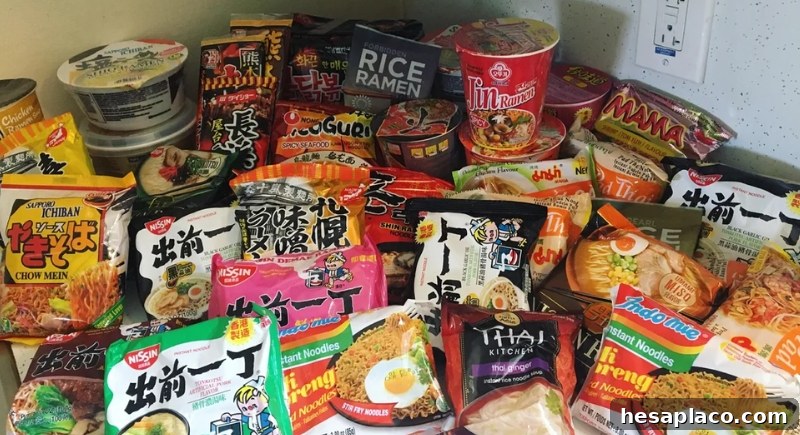
Instant Noodles Could Lose Their Low Price Advantage
Credit: Reddit
Instant noodles remain a go-to affordable meal, but many cup noodles and packaged ramen are imported from countries like Vietnam, China, and South Korea. Rising trade costs and tariffs are likely to increase import prices, which could push instant noodle prices up at the shelf and reduce their role as an ultra-low-cost option.
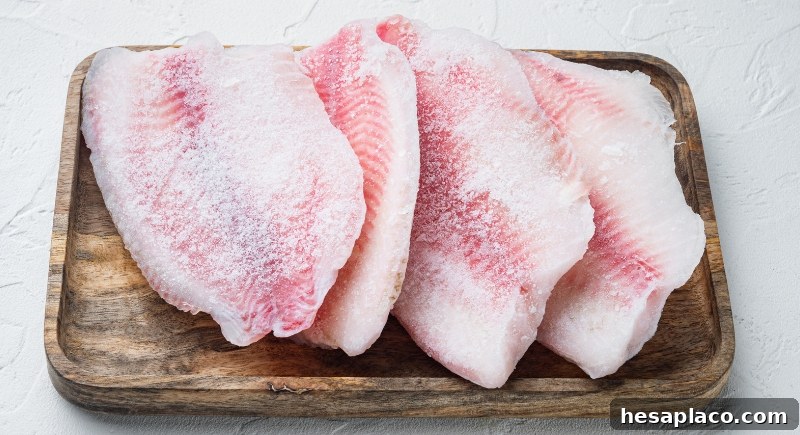
Frozen Tilapia and Cod May Become Less Affordable
Credit: Getty Images
The U.S. imports a substantial share of its frozen fish, including tilapia and cod. New trade restrictions, higher freight expenses, and changing production economics abroad have the potential to raise costs for these imported seafood items. As a result, shoppers may notice higher prices for these commonly inexpensive seafood choices.
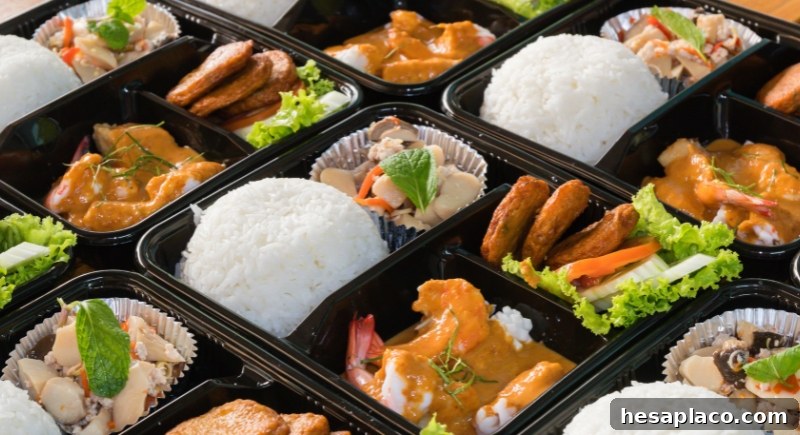
Packaged Meals Face Rising Packaging Costs
Credit: Getty Images
Pre-made meals and shelf-stable entrees are being squeezed by higher packaging costs. Plastic, metal cans, and cardboard are increasingly costly, and much packaging material is sourced globally. Tariffs and raw-material price increases are driving up production costs, prompting many manufacturers to raise retail prices or reduce product size to compensate.
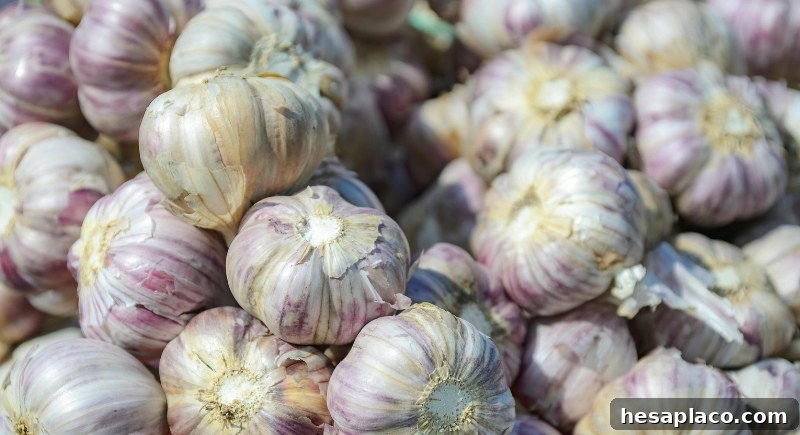
Garlic Prices Could Rise
Credit: pexels
China supplies a large portion of the world’s garlic, leaving the U.S. and other markets exposed to changes in tariffs and import costs. Although some domestic production exists, it is not sufficient to fully offset reduced imports, making garlic prices vulnerable to increases as trade costs rise.
Tea Prices May Climb

Credit: Getty Images
China is a dominant tea producer globally, supplying many popular varieties including green and jasmine teas. Tariffs and transport cost increases affecting imported tea could make budget tea options more expensive. Some U.S. and other domestic producers exist, but most brands still depend on imported leaves, so price increases could be widespread across tea products.
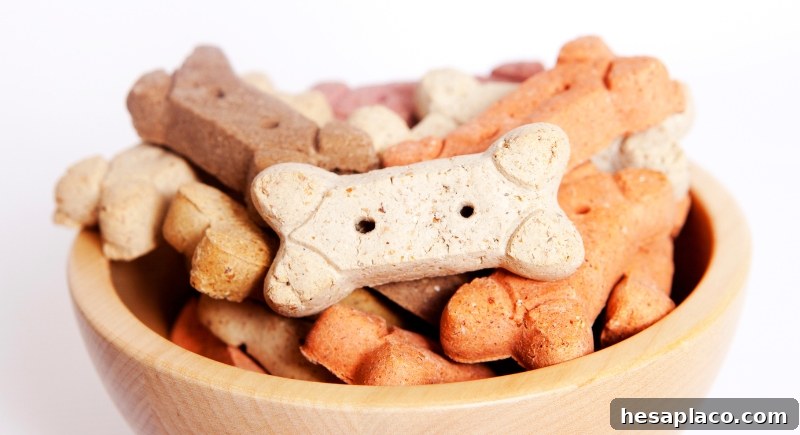
Pet Treats and Snacks Are Seeing Higher Costs
Credit: Getty Images
Pet treats like rawhide chews and other snacks often rely on imported ingredients, packaging, or overseas manufacturing. Higher costs for metal, packaging materials, and some animal-based inputs are increasing production expenses. Retailers and manufacturers are adjusting retail prices, so pet owners may see noticeable price changes on treats and chews.
In summary, a mix of shrinking domestic supplies for some products, higher packaging and raw-material costs, and tariffs on imports are expected to push prices up for a variety of grocery items in 2026. Shoppers may want to monitor prices, consider alternatives, and plan meals with cost-savings in mind to lessen the impact of these changes at the checkout.