
Loyalty programs promise extra value, but their usefulness varies widely. Some genuinely stretch your dollars, while others are confusing, restrictive, or simply low-value. If you commit to a brand, the rewards should be meaningful—not just a birthday coupon or more promotional emails. Below are 15 loyalty programs evaluated for real-world value: the first eight are worth joining, while the final seven are ones to approach with caution.
Starbucks Rewards Gives You Free Drinks and More

Credit: iStockphoto
Starbucks Rewards rewards frequent customers in a clear, tangible way. Members earn stars with each purchase—typically one to two stars per dollar—and the app displays progress toward specific rewards. You can redeem stars for brewed coffee, specialty drinks, food items, and merchandise, plus receive a birthday reward and occasional in-app offers. For regular coffee drinkers who use the app, the program is simple and reliably beneficial.
Chipotle Rewards Keeps It Clear and Consistent
Credit: Wikimedia Commons
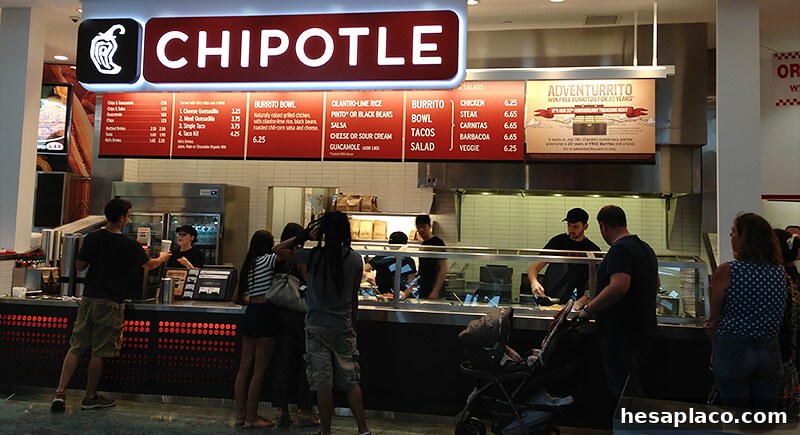
Chipotle’s rewards program is straightforward: you earn a fixed number of points per dollar—typically 10—and menu redemptions start at set point thresholds (for example, a burrito around 1,250 points). The program occasionally features bonus-point challenges and limited-time offers, but overall the point structure and redemptions are easy to understand, making it useful for frequent customers.
REI Co-Op Pays Members Back in Real Cash
Credit: Wikimedia Commons
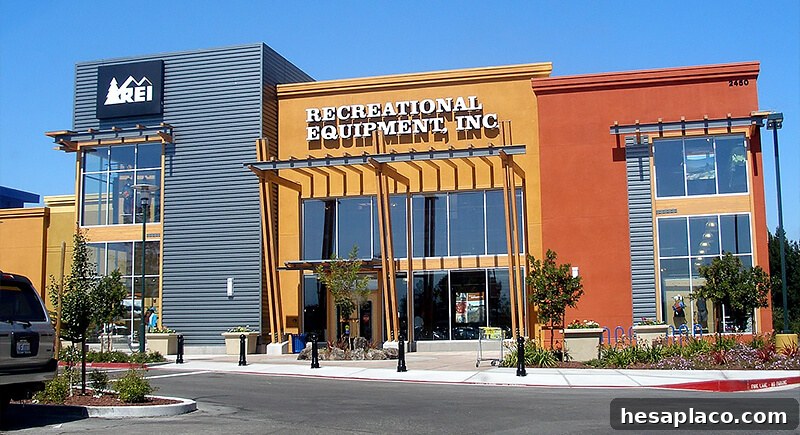
REI’s Co-op membership requires a one-time fee and returns value directly: members receive an annual dividend—commonly 10% back—on eligible purchases as store credit. Additional perks include discounts on rentals and services, member-only events, and access to special sales. For outdoor enthusiasts who shop REI regularly, the dividend and added services make membership a worthwhile long-term investment.
Best Buy’s Program Rewards Big Tech Purchases
Credit: Wikimedia Commons
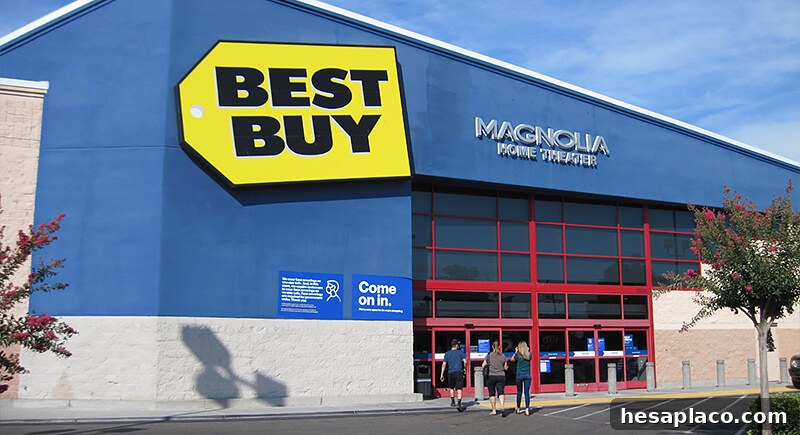
Best Buy’s rewards program scales with spending: points accumulate and can be redeemed for certificates—typically every 250 points equates to a $5 reward. Higher tiers include benefits like free shipping and extended return periods. For customers buying electronics and accessories regularly, the program quietly captures value over time, especially on big-ticket purchases.
National Car Rental’s Emerald Club Speeds Things Up

Credit: Wikimedia Commons
National’s Emerald Club delivers tangible convenience for frequent renters. At many airports, members can skip the counter, choose a car from the lot, and drive off—saving time. After a set number of rentals (often seven), you earn a free rental day. The program’s real value is the time saved and reduced hassle for business travelers and frequent flyers, rather than generous point payouts.
Neiman Marcus InCircle Suits Frequent Luxury Buyers
Credit: Wikimedia Commons
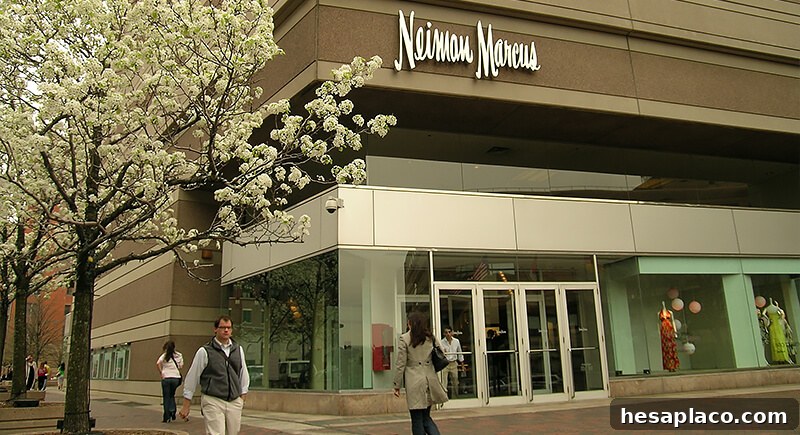
InCircle is aimed at shoppers who spend at higher luxury levels. Membership perks begin after a set spend threshold—commonly around $3,000—with benefits like early sale access, invites to special events, and complimentary gift packaging. Top-tier members who spend substantially more receive personalized services such as personal shoppers and concierge access, plus higher point earnings per dollar. It’s a tiered system designed to reward heavy spenders.
H&M’s Program Gives Regular Discounts and Early Access

Credit: Wikimedia Commons
H&M’s loyalty program awards points for every dollar spent and offers regular discounts, early sale access, and birthday perks. There is no fee to join, and the program operates through the retailer’s app, making it easy to track and redeem rewards. For frequent fast-fashion shoppers, these steady perks can add meaningful savings over time.
Ulta’s Ultamate Rewards Sneaks In a Real Benefit
Credit: Wikimedia Commons
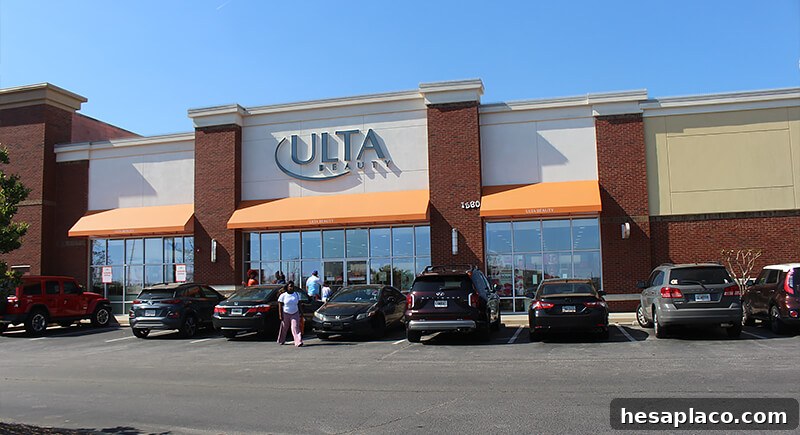
Ulta’s Ultamate Rewards program converts points into dollars off, not just samples or minor items. Members typically earn one point per dollar, with boosted earning rates for higher tiers. Because points redeem for store credit that stacks with sales and coupons, regular beauty buyers can stretch their budgets significantly by combining offers and saving up rewards.
Subway’s Rewards Are Hard to Earn and Unclear
Credit: Wikimedia Commons
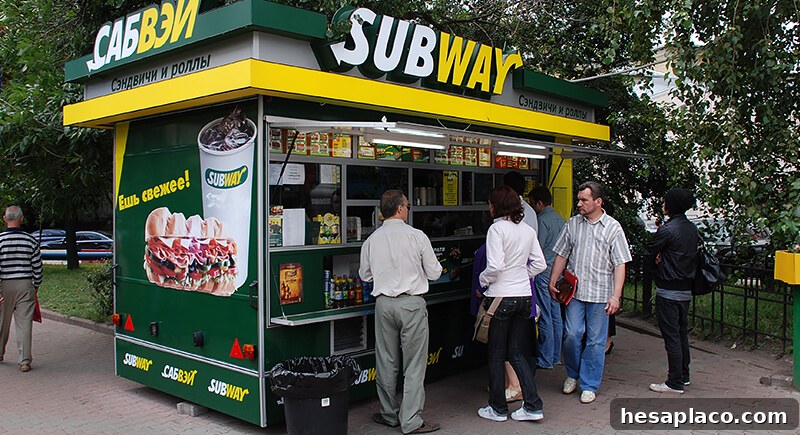
Subway’s program moved away from the simple stamp card to a points system that many customers find less generous. Typically you earn one point per dollar, and free subs are often 400–500 points, depending on location. Inconsistent redemption values across franchises, combined with slow accrual, make the program frustrating for regular patrons who just want an easy reward.
Sofitel’s Program Has Too Many Restrictions

Credit: Wikimedia Commons
Sofitel participates in a broader loyalty platform that often imposes brand exclusions, geographical limitations, and slow-to-realize perks. Many guests report that after substantial spending they still can’t use points where they prefer to travel. The restrictions and confusing rules make it difficult to get clear, dependable value from the program.
Celebrity Cruises Doesn’t Share Points Across Brands

Credit: Wikimedia Commons
Celebrity Cruises runs its Captain’s Club separately from sister cruise lines, so points don’t transfer between brands even under the same parent company. Early-tier benefits are limited, and significant perks only appear after multiple sailings. For travelers who switch brands or expect quicker rewards, the program can feel underwhelming compared with competitors that reward loyalty sooner.
Amtrak Guest Rewards Earn Slowly and Give Little

Credit: Wikimedia Commons
Amtrak members typically earn a small number of points per dollar—often around two—and redemptions for popular routes can require many points, making rewards slow to achieve. Higher tiers offer modest bonuses and occasional lounge access, but overall the conversion and partner transfers are weak. Unless you travel frequently by train, progress toward meaningful rewards can feel frustratingly slow.
Supermarket Cards May Not Offer True Savings
Credit: Wikimedia Commons
Grocery loyalty cards advertise weekly deals and personalized coupons, but investigations have sometimes found inflated base prices that make “discounts” less meaningful. You may save on promoted items but pay more on staples than you would without the card. Consumers should compare prices and evaluate whether a specific supermarket’s loyalty offers actually reduce their grocery bill.
eBay Bucks Ended Without Strong Alternatives
Credit: Wikimedia Commons
eBay Bucks offered a modest quarterly rebate on qualifying purchases and was a quiet loyalty benefit for regular buyers. The program ended in 2021 with little advance notice and no clear replacement, leaving long-time shoppers without the small cashback they had come to expect. Its abrupt removal highlights the risk that even useful programs can disappear.
Walgreens Balance Rewards Faded Into Irrelevance

Credit: Wikimedia Commons
Walgreens replaced its Balance Rewards system with myWalgreens, but the transition left many shoppers disappointed. Points from the old program disappeared for some users, offers became less frequent, and new expiration rules reduced perceived value. For many customers, the revamped program feels diluted and no longer worth close attention.