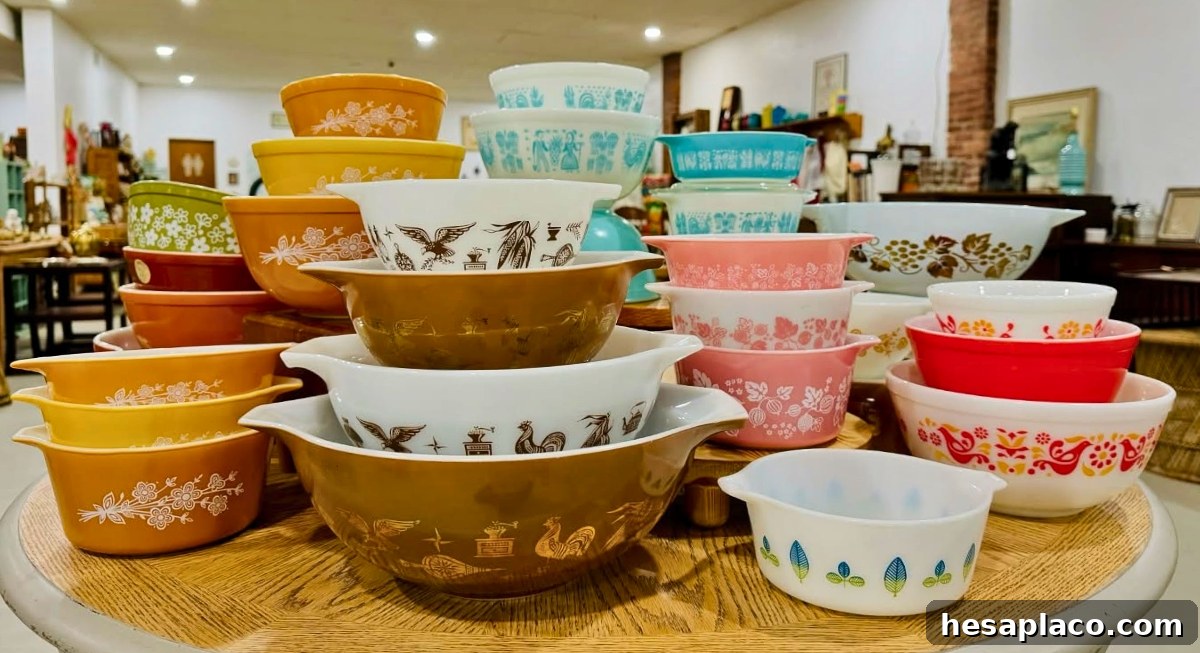
It’s easy to overlook the treasures hiding in your kitchen. That well-used Pyrex dish tucked in a cupboard might be more than a baking tool—it could be a collectible. Vintage Pyrex has become a thriving niche among collectors, with rare patterns fetching hundreds or even thousands of dollars. These pieces reflect mid-century design, bold color choices, and nostalgia, and some of the scarcest patterns now command significant sums.
Lucky in Love
Credit: Facebook
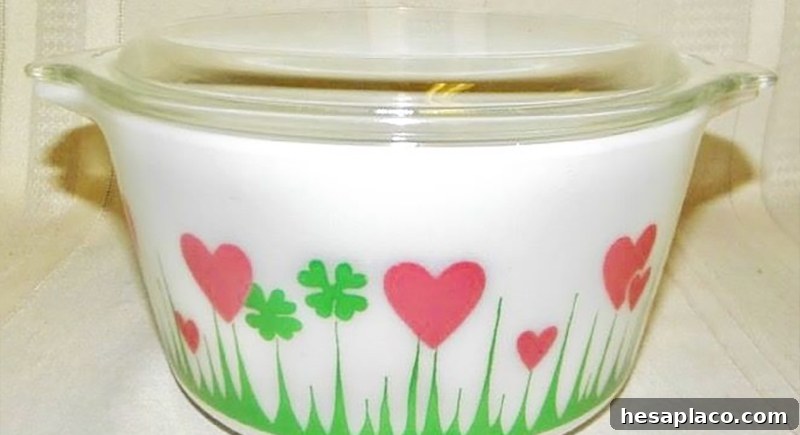
Lucky in Love is among the rarest Pyrex patterns, released in 1959 in extremely limited numbers. The design pairs green grass with hearts and clovers on white glass. Its scarcity made headlines when a single dish sold for around $4,000 on eBay in 2015, helping cement the pattern’s legendary status among collectors.
Turquoise Golden Birds
Credit: Facebook
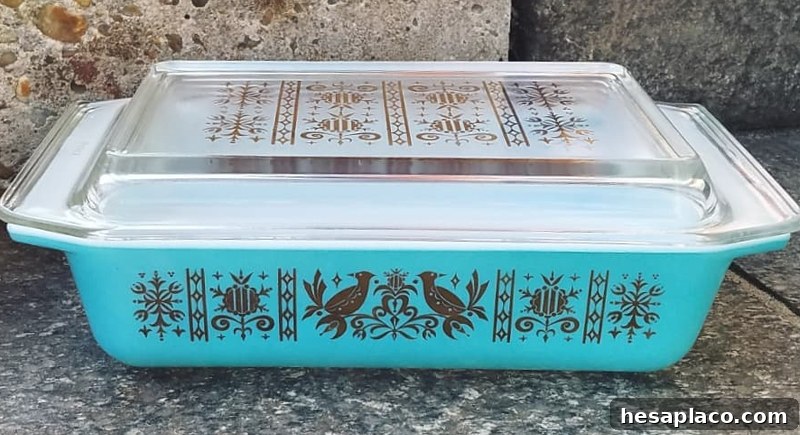
Believed to have been produced for Corning employees and not widely sold at retail, the Turquoise Golden Birds design is typically found on a “Space Saver” casserole. A turquoise field is accented with gold bird motifs across the center. Limited production and the lack of broad retail availability make pieces in this pattern highly sought-after.
Butterprint (Pink or Orange Versions)
Credit: Facebook
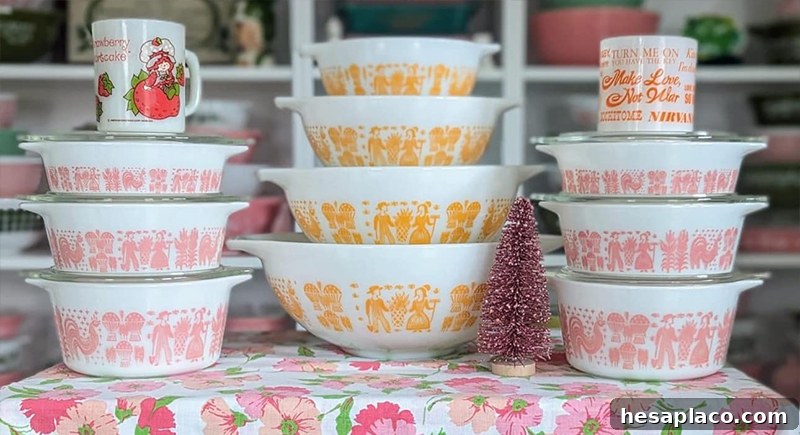
Introduced in 1957, Butterprint is most commonly seen in turquoise, but the pink and orange versions were produced in much smaller runs. Those alternate colors are scarcer and tend to attract more attention at auctions, particularly when sold as complete sets. Collectors prize these rarer colorways for their scarcity and visual distinctiveness.
Starburst Casserole
Credit: Facebook
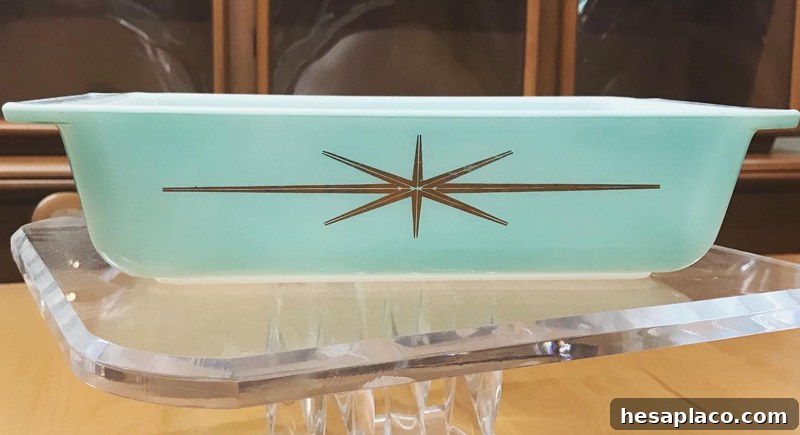
The Starburst casserole is minimalist yet striking: a single gold eight-pointed star set on bright turquoise glass. It was part of a limited release that never expanded into a full line. The original set included a clear lid and a metal warming stand—components that rarely survive together today, adding to the piece’s appeal.
Pink Stems
Credit: Instagram
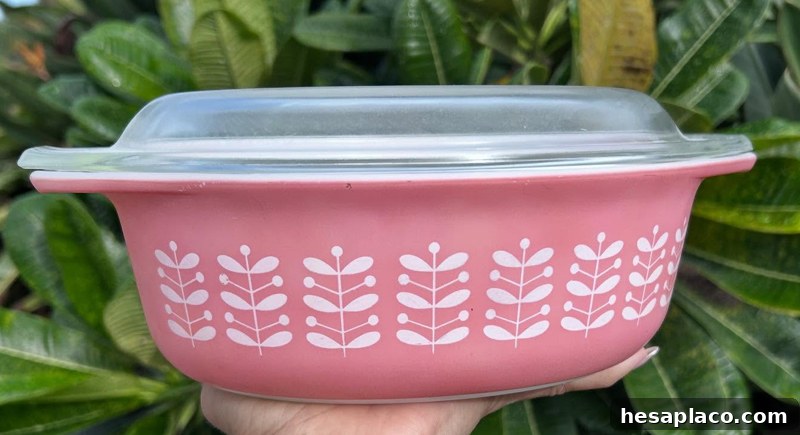
Released in 1962 through a consumer-stamp loyalty program, Pink Stems features a gentle pink background adorned with delicate white stems. It initially attracted little attention but has grown in esteem among collectors who value its refined, understated aesthetic and mid-century charm.
Gooseberry
Credit: Instagram
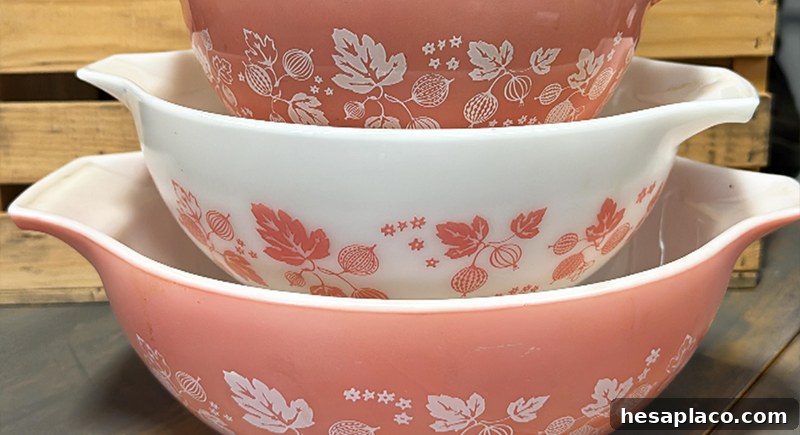
Gooseberry was among the patterns that introduced the now-iconic Cinderella bowl shape. It was issued in several colorways—including pink, yellow, and a rarer blue. While all versions are collectible, the blue Gooseberry commands particular interest because it appears less often on the market.
Atomic Eyes (Hot ‘N’ Cold Chip and Dip Set)
Credit: Facebook
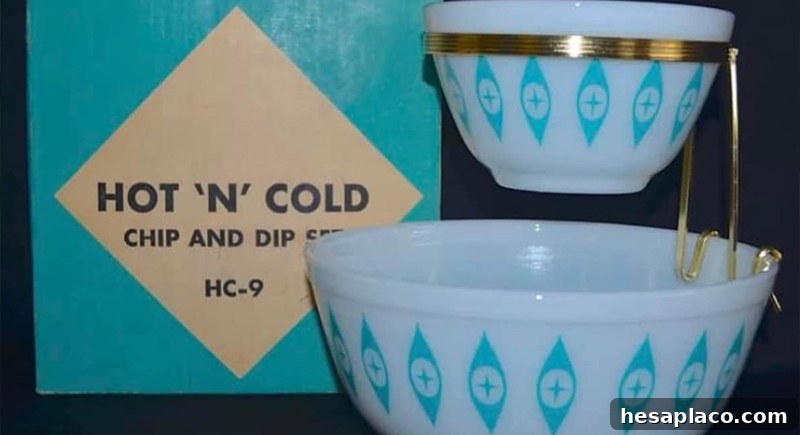
Before many Pyrex designs received official names, this crisp white chip-and-dip set featured blue oval “eyes” and small crosses at the center. Originally marketed as the Hot ‘N’ Cold Chip and Dip Set, collectors later nicknamed it Atomic Eyes. The set was paired with a metal bracket stand, a detail that collectors often look for when evaluating completeness and value.
Flamingo Pink
Credit: Facebook
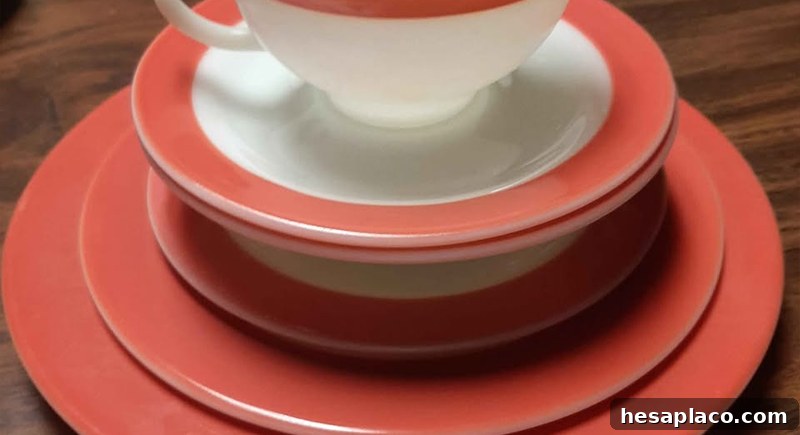
Produced between 1952 and 1957, Flamingo Pink appeared on mixing bowls, loaf pans, and cake dishes. The pieces are finished in a smooth pink glaze that reflects light subtly rather than loudly. Their simple, sturdy shapes predate the more decorative bowl styles of later years; that classic simplicity remains a draw for collectors.
The Duchess Set
Credit: Instagram
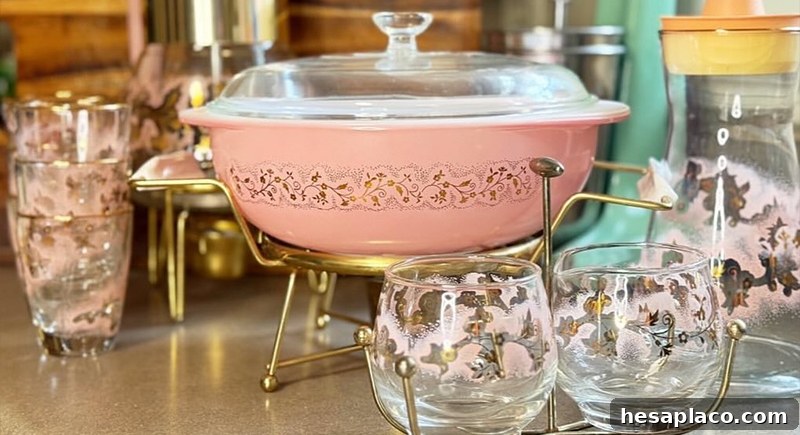
Introduced in 1959 through a promotion with Stanley Home Products, the Duchess set targeted hostess parties and gift-giving. The collection’s centerpiece was a pink casserole dish decorated with a gold floral motif, complemented by matching items such as a carafe and sugar set. The collaborative promotion and coordinated pieces make Duchess sets desirable among collectors.
Barcode Pattern (Non-Blue Variants)
Credit: Facebook
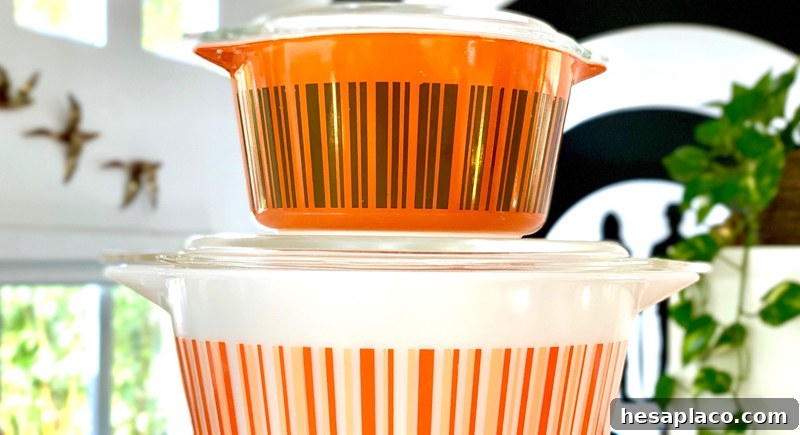
Often called Barcode by fans—though the official name was Blue Stripe—this 1966 promotional line features vertical stripes that resemble a barcode. The blue version is relatively common, but black, red, and green variants were released in limited seasonal batches. Non-blue examples are rarer and tend to draw stronger interest from collectors seeking unusual colorways.
Whether you’re hunting at flea markets or checking the back of your own cupboard, these rare Pyrex patterns demonstrate how everyday objects can become prized for design, history, and rarity. If you think you’ve found one of these patterns, look for condition, markings, and any original accessories—complete sets and well-preserved pieces will nearly always command the highest prices.