
The minimum wage offers a clear window into how countries value work, fairness, and the cost of living. Some nations apply a single national floor for everyone, while others scale pay by age, experience, sector, or location. A high legal minimum wage can indicate stronger living standards, greater union influence, or specific policy choices, and it is sometimes used as a political tool. The following overview highlights countries and jurisdictions where the legally mandated lowest wages are among the highest in the world.
Luxembourg
Credit: Getty Images
Luxembourg uses a tiered system based on skill and experience instead of a single flat rate. Skilled, experienced workers see wages around $3,214 per month, while unskilled workers receive about $2,679. Younger workers are paid at lower rates but typically still earn more than peers in many other countries. These rates are regularly indexed and adjusted through national and sector-specific mechanisms to reflect changes in the economy and living costs.
Geneva
Credit: Canva
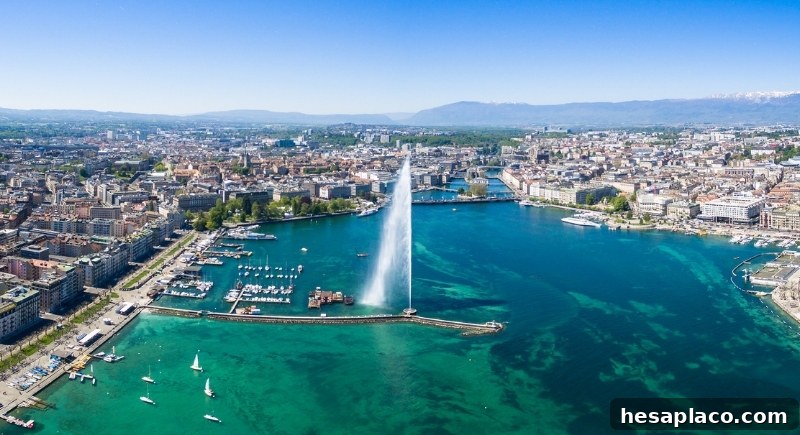
Switzerland does not have a national minimum wage, but Geneva sets its own high standard. The guaranteed hourly minimum in Geneva is approximately $27.57, which translates to nearly $4,774 per month for full-time work. Other Swiss cantons may have much lower levels or rely on employer agreements, making Geneva’s rules notable both within Switzerland and internationally.
Australia
Credit: Getty Images
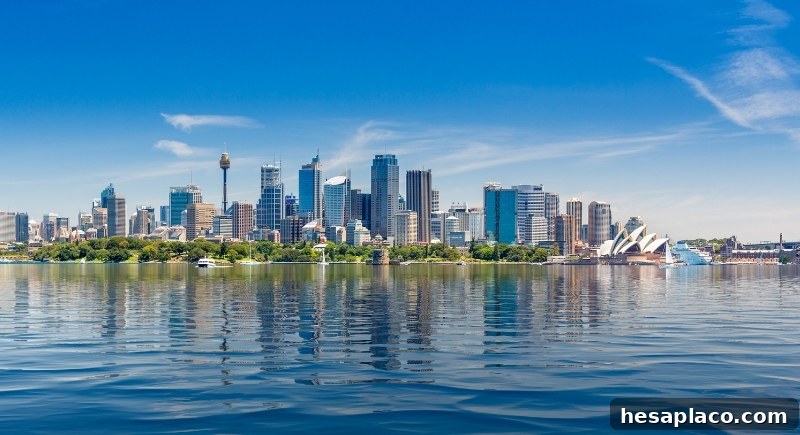
Australia’s national minimum wage sits near the top globally, set at about $15.57 per hour. For a full-time adult worker this is roughly $2,562 per month. Some occupations, traineeships, and apprenticeships operate under different rates, but the national floor—reviewed annually by the Fair Work Commission—remains a central benchmark for pay across the labor market.
Netherlands
Credit: Getty Images
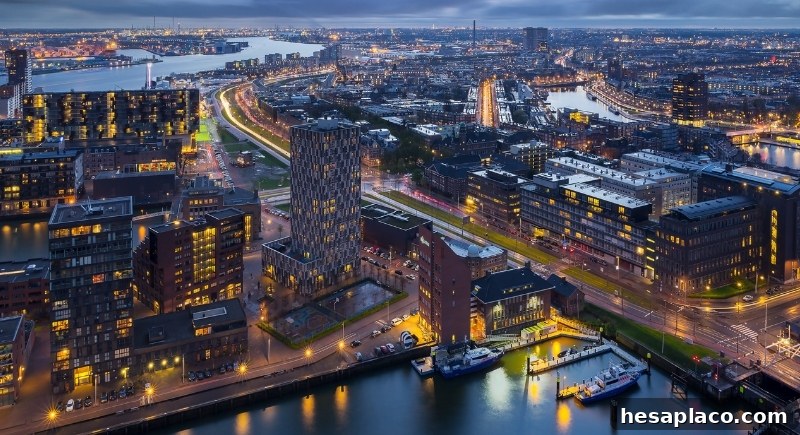
The Netherlands applies a strong base hourly rate of about $14.83 for workers aged 21 and older. For younger workers, the rate declines in clear age bands, reaching around $4.43 for 15-year-olds. Employers control scheduling and hours, so total pay for younger employees can vary widely even with the same hourly rate. The system is structured to reflect age-related experience while ensuring broad coverage.
Ireland
Credit: Getty Images
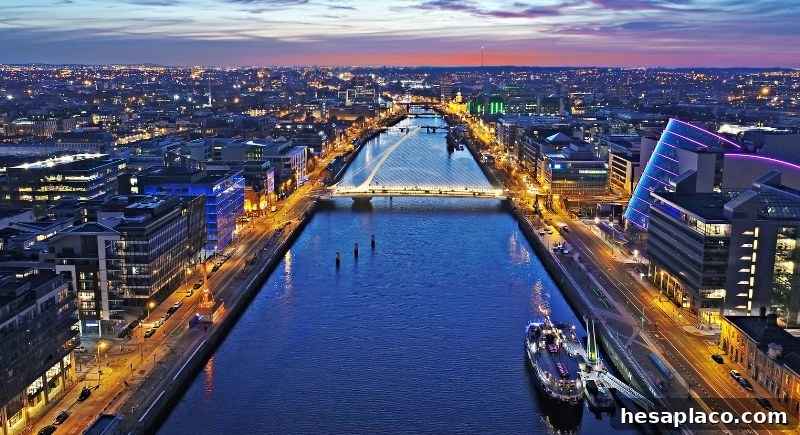
Ireland’s framework pays younger workers a percentage of the adult rate. The full adult minimum is about $14.22 per hour, roughly $2,402 per month. Workers under 20 earn 90% or 70% of that rate depending on their age. This graduated approach is meant to smooth the transition to full adult pay without sudden income gaps for young employees entering the labor force.
United Kingdom
Credit: Getty Images
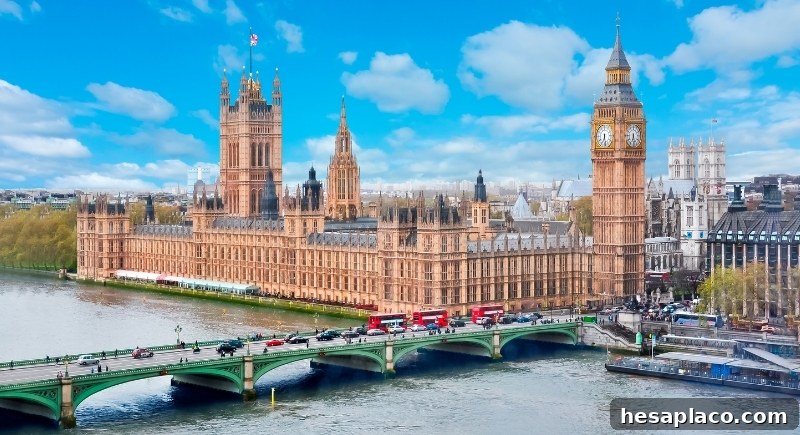
The UK operates both a National Minimum Wage and a separate voluntary Living Wage used by many employers. Adults over 21 now earn the higher national rate, about $15.40 per hour, while younger workers, apprentices, and certain other groups fall under lower bands beginning near $9.53. Rates are revised annually each April to reflect economic conditions and cost-of-living trends.
New Zealand
Credit: Getty Images
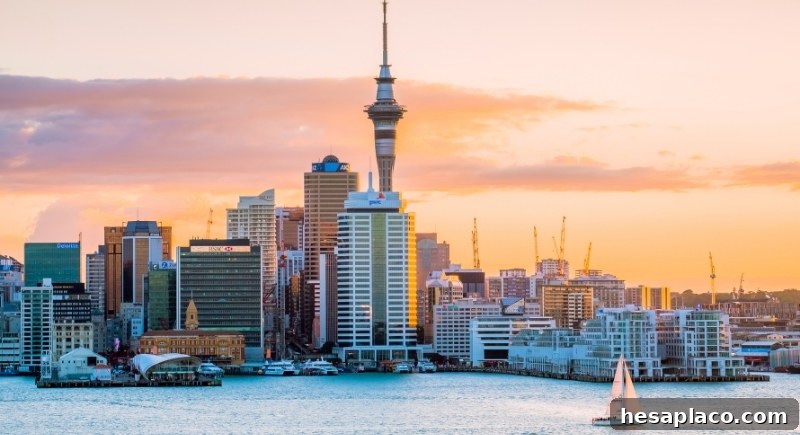
New Zealand keeps the system straightforward: anyone 16 or older can earn the standard minimum wage, currently about $13.67 per hour. However, workers under 18 must complete six months of employment to qualify for the full rate. During the initial six months a lower “starting out” rate—around $10.94—is applied. This design simplifies the structure while offering a clear, relatively quick path to full pay for younger workers.
Germany
Credit: Getty Images
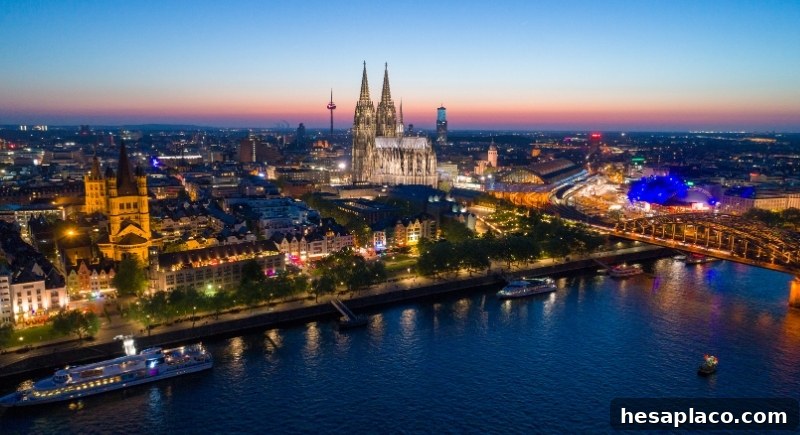
Germany’s statutory minimum wage is about $12.93 per hour, approximately $2,172 per month for a full-time worker. The legal floor, however, is only part of the wage landscape: many sectors are covered by collective bargaining agreements that set higher pay levels. As a result, a significant share of workers earn wages above the statutory minimum.
Belgium
Credit: Getty Images
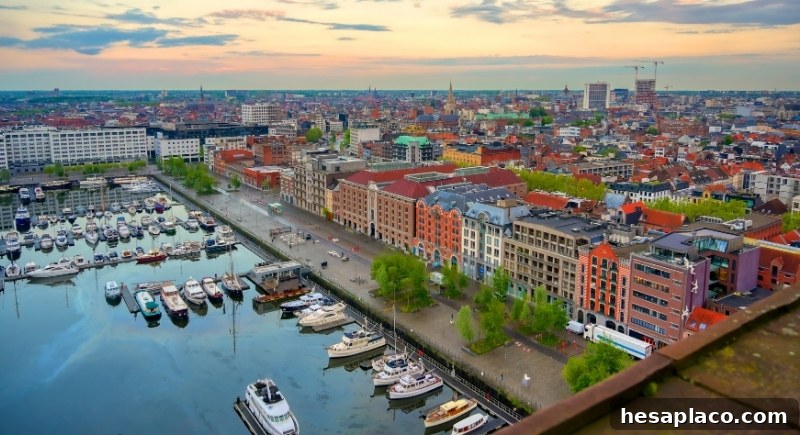
Belgium’s legal minimum wage amounts to about $2,181 per month. In practice, union-employer negotiations in many sectors yield binding collective agreements that override the national floor and secure higher pay for workers in fields such as construction, transport, and manufacturing. Consequently, the statutory minimum functions primarily as a legal safety net.
South Korea

Credit: Getty Images
South Korea’s monthly minimum wage stands around $1,570, placing it among the highest in Asia. The rate is reviewed annually with input from labor representatives and business organizations. Compliance is generally strong among formal employers, though smaller firms and temporary or contract positions have sometimes been criticized for underpaying or failing to meet standards.
Minimum wages are an important policy tool that balance worker protection, labor market flexibility, and economic conditions. While headline rates tell part of the story, differences in enforcement, collective bargaining, age-based bands, and regional policies all shape how that minimum translates into real incomes for workers.