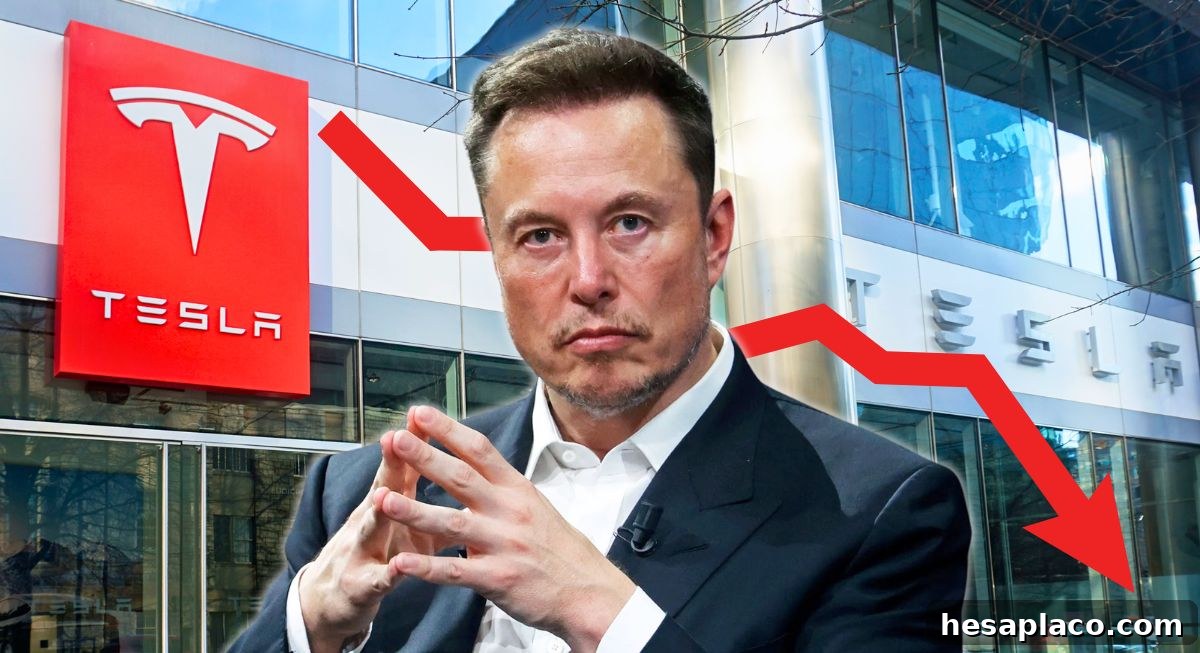
Even if you don’t follow the stock market closely, you likely felt the ripple effects this week—higher prices at the register, a jittery news cycle, and a sense that something major just happened. That’s accurate. The U.S. economy just absorbed the shock of sweeping global tariffs announced by President Trump, and the consequences extended far beyond trade headlines. Consumers may worry about groceries and gadgets, but wealthy investors watched large chunks of paper wealth evaporate almost overnight. The forced recalibration shows how quickly politics can unsettle markets. Below is a clear, concise overview of how this week’s tariff-driven market turmoil hit some of the world’s richest individuals.
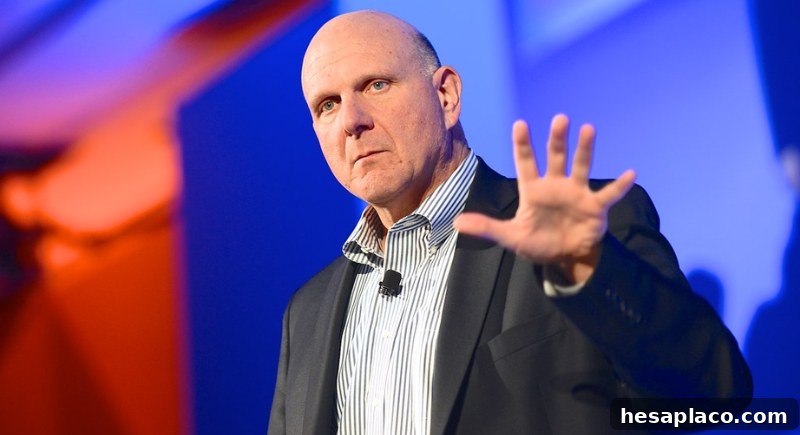
12. Steve Ballmer Lost $2.85 Billion as Microsoft Wobbled
Credit: flickr
Microsoft remains one of the largest and most resilient tech companies, but it didn’t escape the tariff shock unscathed. Steve Ballmer, a major individual shareholder and high-profile sports team owner, saw roughly $2.85 billion disappear from his net worth as investor concerns rippled through even well-established tech firms. The drop is a reminder that political events can weaken even the most diversified and durable positions.
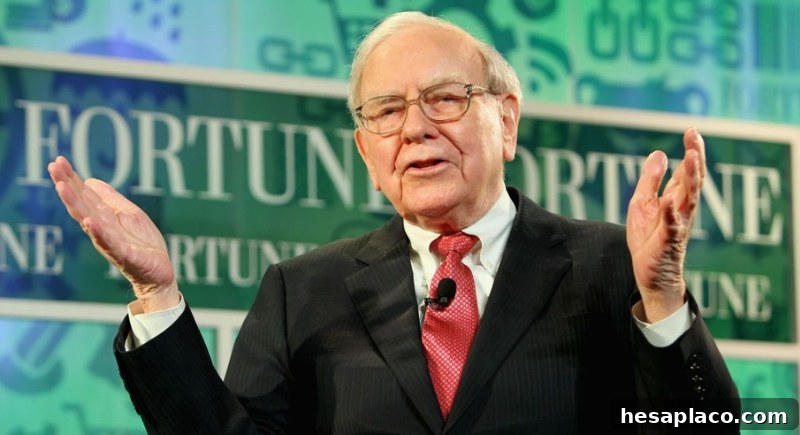
11. Warren Buffett Lost $2.57 Billion as Apple Dragged Berkshire Down
Credit: Facebook
Warren Buffett’s long-term approach typically cushions him against short-term panics, but this week proved exceptional. A sharp decline in Apple’s share price—one of Berkshire Hathaway’s most important holdings—weighed on the conglomerate and reduced Buffett’s net worth by about $2.57 billion. Even blue-chip stocks and veteran investors are vulnerable when political uncertainty reshapes investor expectations.
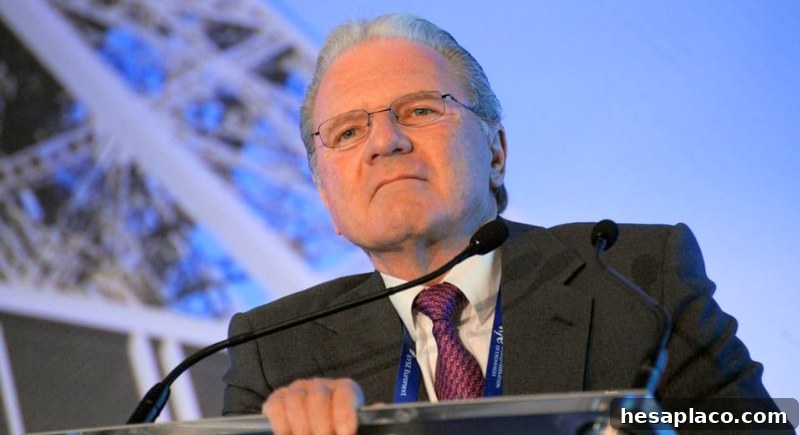
10. Thomas Peterffy Lost $4.1 Billion as Trading Volatility Backfired
Credit: X
Thomas Peterffy, founder of Interactive Brokers, built his career on markets that move quickly. Ironically, this bout of volatility hurt his holdings: investor unease and heavy trading pressure diminished valuations across brokerages and related enterprises, costing Peterffy roughly $4.1 billion. It underscores that even those who profit from volatility can take hits when the market sell-off is broad and swift.
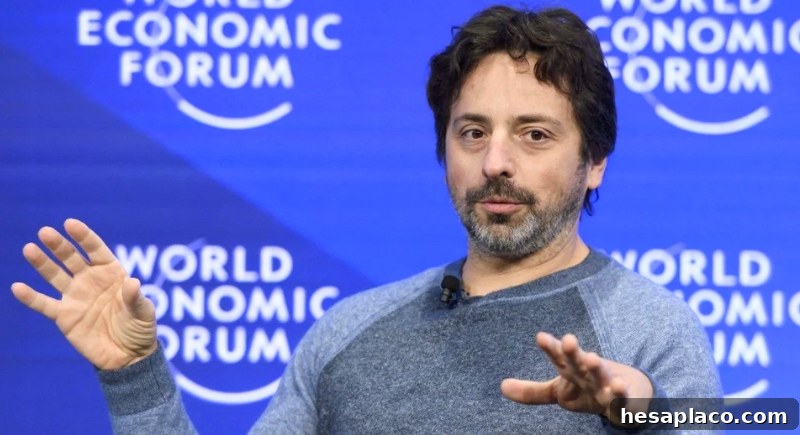
9. Sergey Brin Lost $4.6 Billion as Google Shares Sank
Credit: Reddit
Sergey Brin, though a lower-profile figure today, remains heavily tied to Alphabet’s performance. Advertisers and investors grew cautious as trade tensions mounted, pushing Alphabet shares lower and trimming roughly $4.6 billion from Brin’s net worth. The episode highlights how a sudden political shift can hit corporate advertising revenues and investor sentiment across major tech platforms.
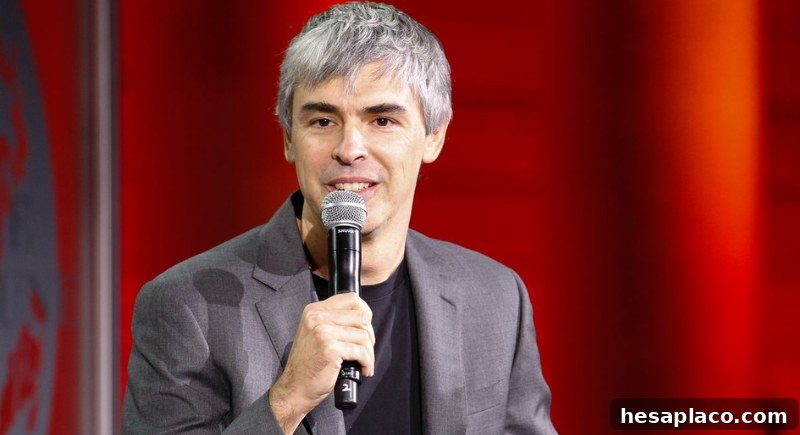
8. Larry Page Lost $4.9 Billion Even After Stepping Back
Credit: X
Though Larry Page has stepped back from day-to-day management, his stake in Alphabet still ties his fortunes to the company’s stock. A broad sell-off in tech and worries about global demand reduced Page’s wealth by about $4.9 billion. It’s another example of how even founders who have moved away from the spotlight remain exposed to market swings.
7. Jensen Huang Lost $7.4 Billion After Chipmakers Got Clobbered

Credit: Wikimedia Commons
Semiconductor makers became a focal point for market anxiety. Nvidia and other chip companies saw sharp declines as tariffs raised concerns about supply chains and capital spending. Jensen Huang, NVIDIA’s founder and CEO, lost approximately $7.4 billion as investor optimism around AI hardware cooled in the short term. The swing highlights how closely tied modern fortunes are to cyclical tech sectors.
6. Bernard Arnault Lost $8.6 Billion as LVMH Took a Luxury Hit

Credit: Wikimedia Commons
Tariffs and the resulting dip in consumer confidence hit luxury brands hard. Bernard Arnault, whose LVMH controls many of the world’s premier luxury labels, saw his fortune decline by about $8.6 billion as discretionary spending fears and disrupted logistics weighed on the sector. Luxury’s sensitivity to global conditions made it one of the more exposed areas in this sell-off.
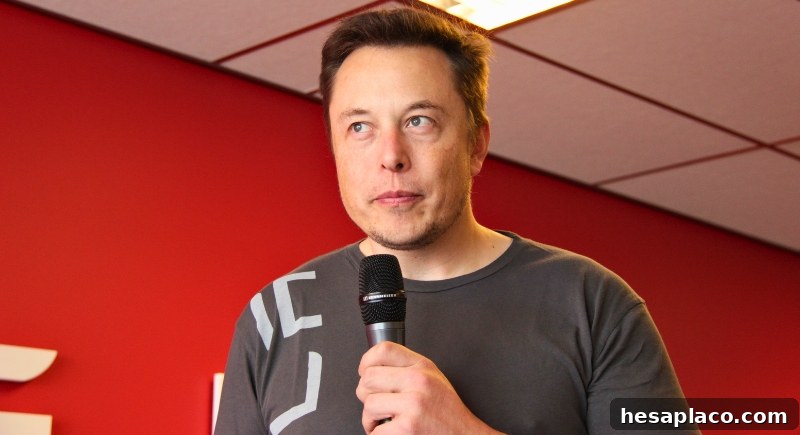
5. Elon Musk Lost $8.7 Billion After Tesla’s Rough Week
Credit: Wikimedia Commons
Tesla’s shares fell after sales reports and broader market stress, shaving roughly $8.7 billion off Elon Musk’s net worth. Political entanglements and consumer sentiment swings amplified the move. The episode underscores how quickly market narratives can turn, affecting even founders with highly visible public profiles and diversified interests in space, energy, and transportation.
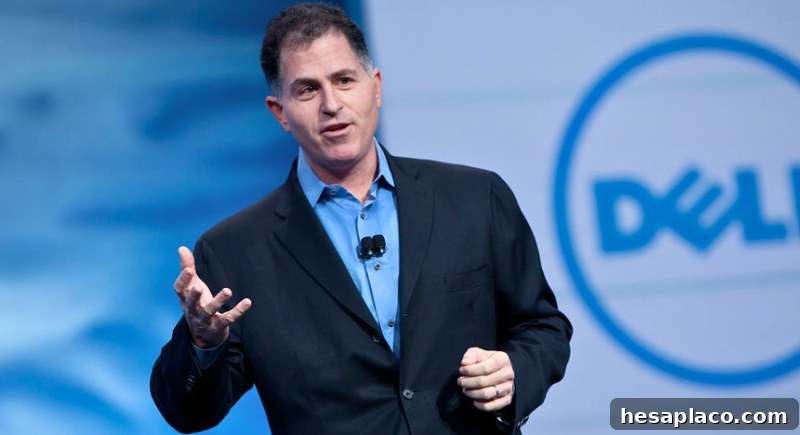
4. Michael Dell Lost $9.4 Billion After Tech Stocks Got Slammed
Credit: flickr
Michael Dell’s stakes in technology businesses were hit as the entire sector felt the tariff shock. Broader investor retrenchment in tech valuations translated to a roughly $9.4 billion reduction in Dell’s net worth, even though his companies weren’t directly targeted. The scale of the sell-off shows how sector-wide sentiment can span enterprise software, hardware, and services.
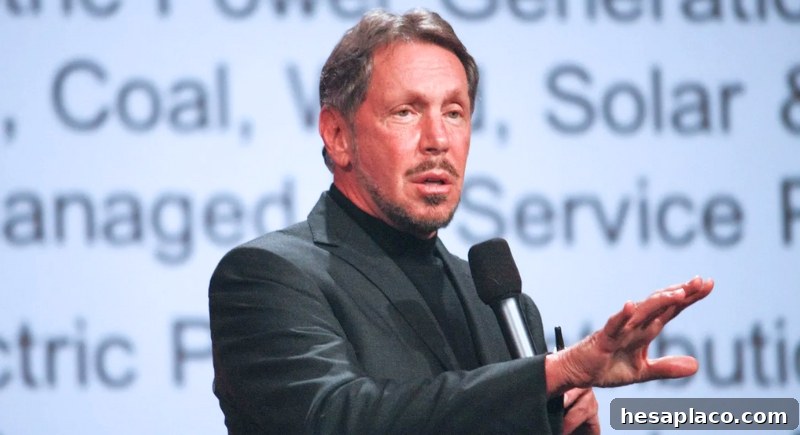
3. Larry Ellison Lost $9.9 Billion Despite His MAGA Credentials
Credit: X
Even high-profile political alignment didn’t shield Larry Ellison from market pain. Oracle’s shares slid amid the wider tech downturn, and Ellison lost about $9.9 billion. His diversified holdings, including stakes in other technology ventures, still left him exposed to a sweeping market correction centered on trade and macroeconomic outlooks.
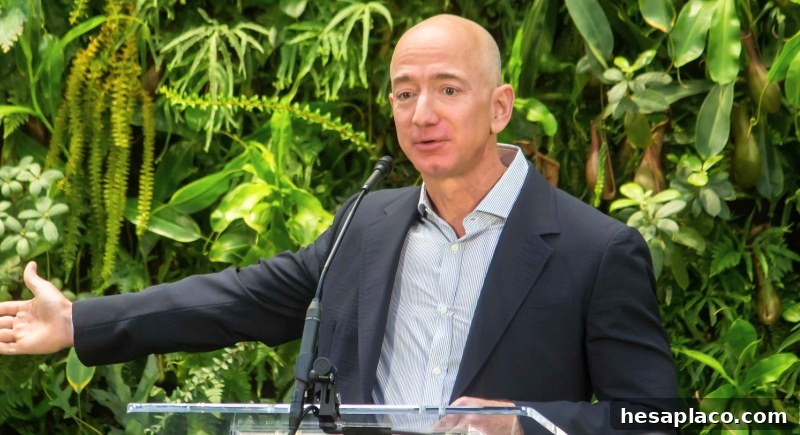
2. Jeff Bezos Lost $16 Billion After Amazon’s 9% Drop
Credit: Wikimedia Commons
Amazon’s stock fell sharply as investors reacted to tariffs and the resulting concerns about consumer demand and logistical costs. Jeff Bezos, who remains the company’s largest individual symbol even after stepping down as CEO, saw roughly $16 billion wiped off his net worth. The decline reflects how central Amazon is to global commerce and how susceptible it is to trade and macroeconomic shocks.
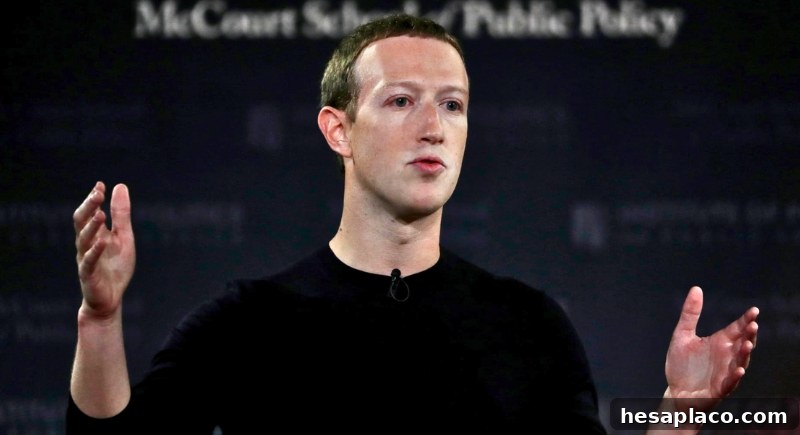
1. Mark Zuckerberg Lost $17.9 Billion After Meta’s Fact-Check Fail
Credit: Facebook
Meta faced a perfect storm of challenges this week: waning public trust after changes to content moderation and a steep stock decline as political and economic uncertainty spread. The result was a roughly $17.9 billion reduction in Mark Zuckerberg’s net worth, the largest single hit among the names profiled. The episode illustrates how reputational issues, policy shifts, and macro shocks can converge to produce dramatic market moves.
What this list makes clear is that market value can shift rapidly when politics, policy, and investor sentiment collide. For consumers, that may mean higher costs and tighter spending; for investors and company founders, it means volatility that can erase multi-billion-dollar valuations in a matter of days. While individual fortunes will fluctuate and some losses may be temporary on paper, the broader lesson is the same: economic outcomes are increasingly entwined with political decisions, and that connection has real-world consequences for markets and people alike.