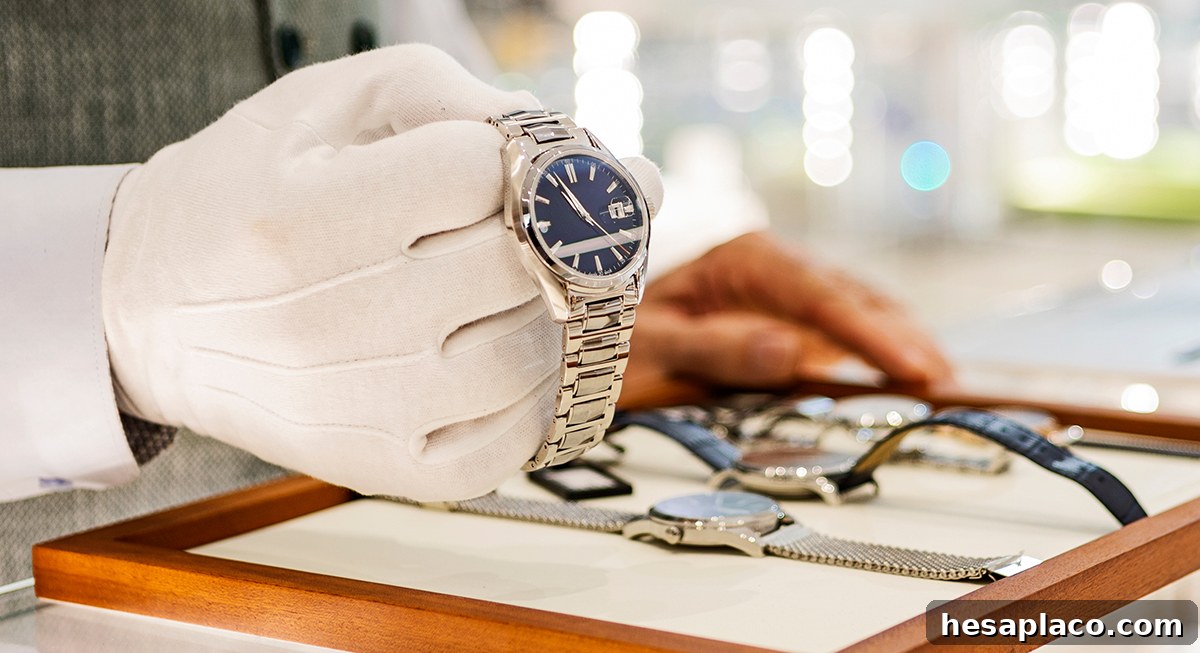
Understanding luxury watches takes time and attention. Every component serves a purpose, and beneath the surface are complex mechanisms, specialized materials, and a long history of technical innovation that may not be obvious at first glance. This guide explains the features and functions that matter most, helping you approach your first luxury watch with confidence and clarity.
Quartz Movements Explained
Credit: Wikimedia Commons
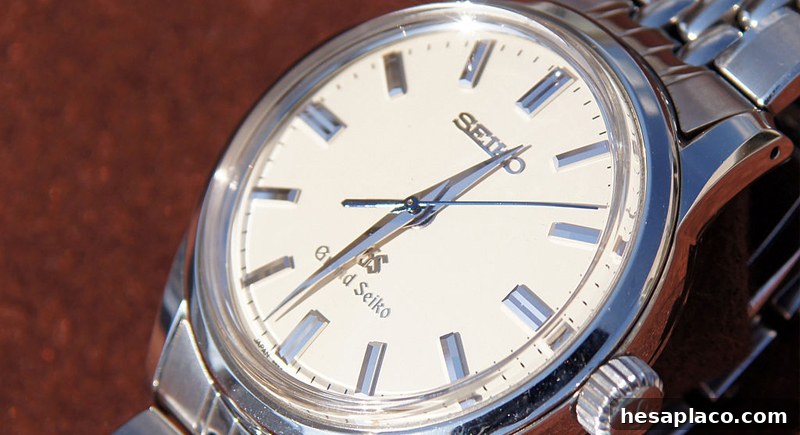
Quartz watches use a battery to send an electrical pulse through a quartz crystal, which vibrates at a steady frequency and regulates timekeeping with exceptional accuracy. Maintenance is straightforward—typically a battery replacement every few years—and modern luxury brands such as Grand Seiko show that quartz movements can be as refined and dependable as mechanical options.
Manual Winding Movements
Credit: Wikimedia Commons
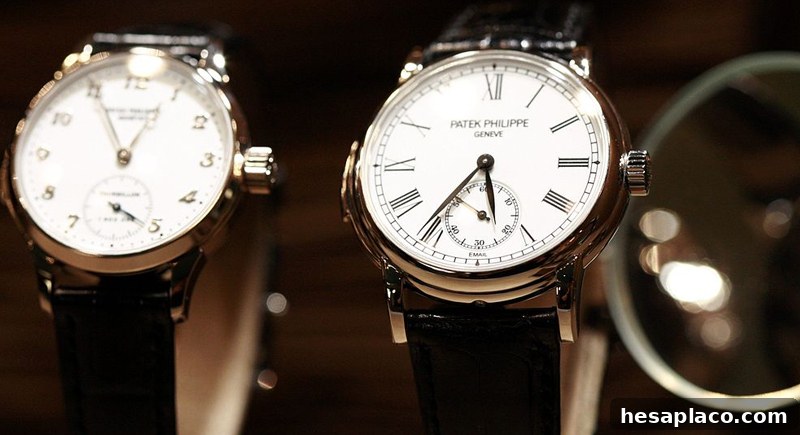
Manual-wind watches require the wearer to turn the crown to store energy in a coiled mainspring. That daily ritual appeals to many enthusiasts who appreciate the tactile connection to their timepiece. High-end makers like Patek Philippe and Nomos Glashütte often finish their movements with detailed engraving and polishing, turning the mechanism itself into an object of admiration visible through a display case back.
Automatic Movement Basics
Credit: pexels
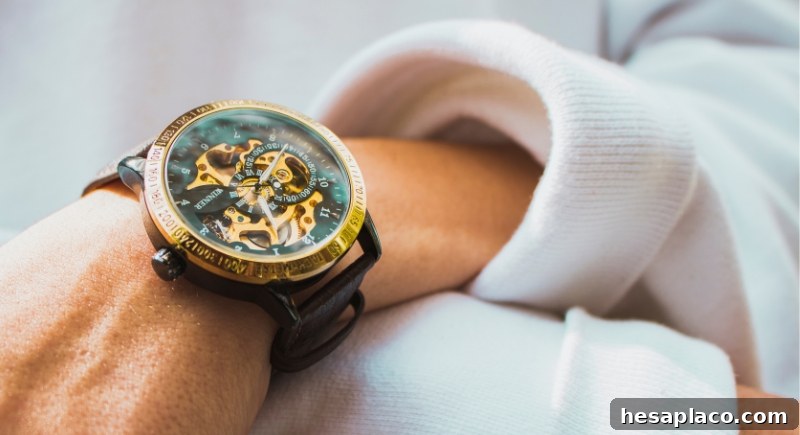
Automatic watches wind themselves using a rotor that spins with the wearer’s movements. Worn regularly, they maintain power without manual winding, though the crown can still be used to top them up. This practical design is widely used in watches intended for daily wear, offering reliable power reserves and ease of use.
Date Displays on Dials
Credit: Wikimedia Commons
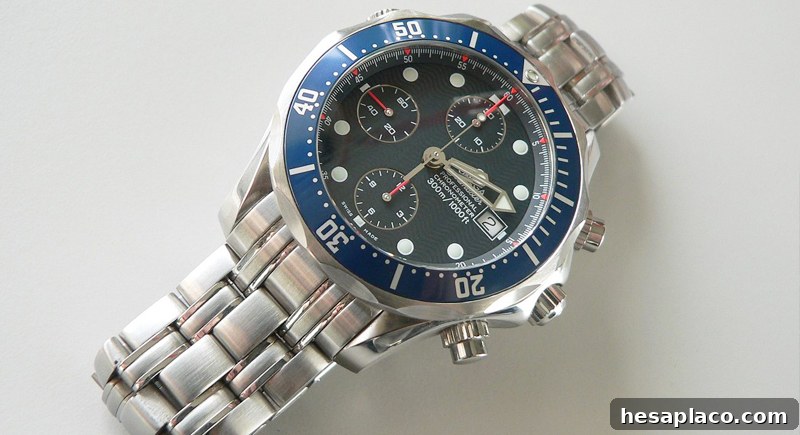
A date window may seem small, but it adds significant everyday convenience. Some watches integrate the date cleanly into the dial so it’s useful without disrupting design harmony. Other models add magnifiers or larger numerals to improve legibility while maintaining aesthetic balance.
Chronograph Functions
Credit: pexels
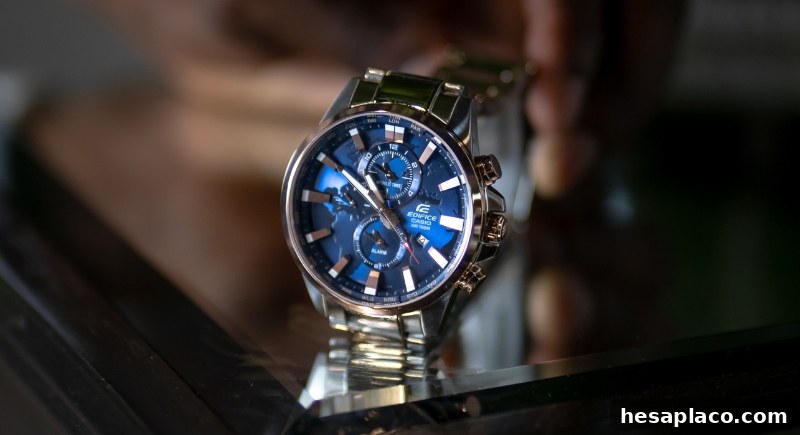
Chronographs combine regular timekeeping with a built-in stopwatch function. Pushers start, stop, and reset additional hands that measure seconds, minutes, or hours on smaller subdials. This complication blends sporting utility with elegant design, and many luxury brands incorporate it without sacrificing refinement.
GMT and Dual Time Watches
Credit: Wikimedia Commons
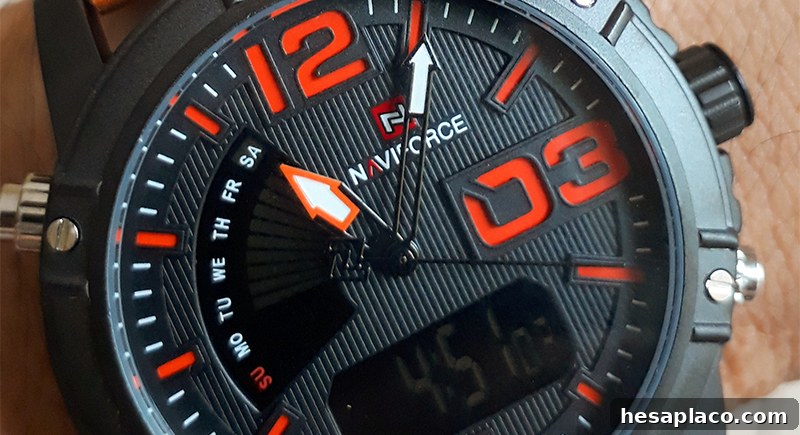
GMT and dual time watches add a hand or separate indicator to track a second time zone, a practical feature for travelers and people who work across regions. The bezel or an inner 24-hour ring commonly displays the second scale. These watches make managing multiple zones simple and stylish.
Power Reserve Indicators
Credit: Wikimedia Commons
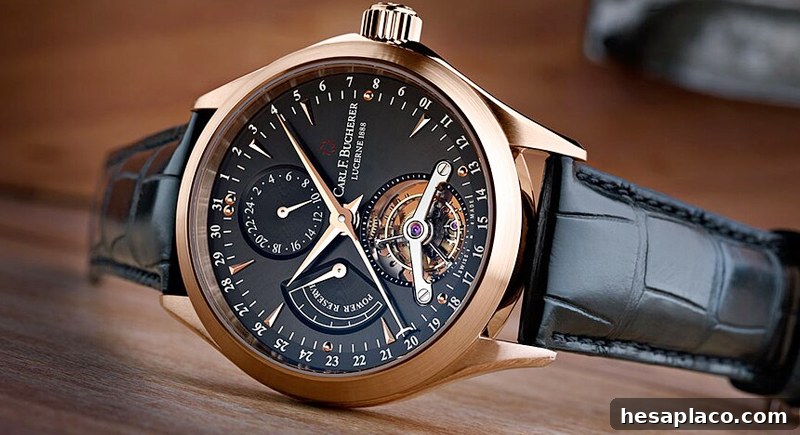
Power reserve indicators show how much energy remains in the mainspring, typically displayed as a small gauge or arc. Collectors who rotate several watches appreciate this feature because it makes it easy to see when a watch needs winding. The indicator adds a dynamic, interactive element to the dial.
Moon Phase Displays
Credit: Wikimedia Commons
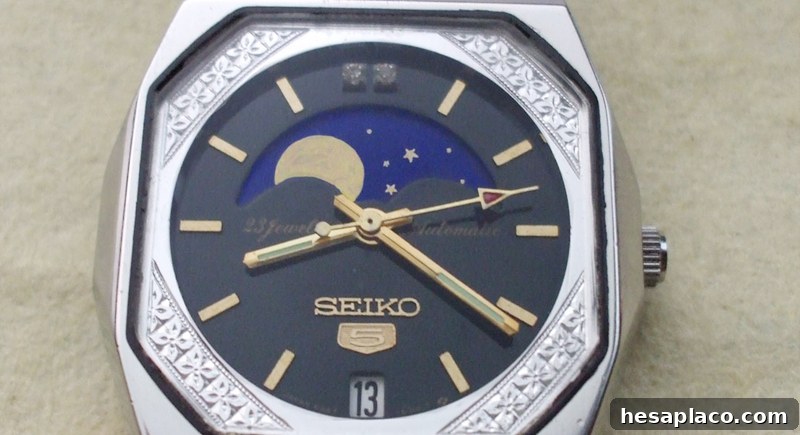
Moon phase complications track the lunar cycle with a rotating disc visible through a dial window. While not essential for modern life, they provide a poetic, decorative touch and demonstrate the artistic side of watchmaking. Many heritage-inspired designs use this feature to bring character to their dials.
Annual Calendars
Credit: Wikimedia Commons
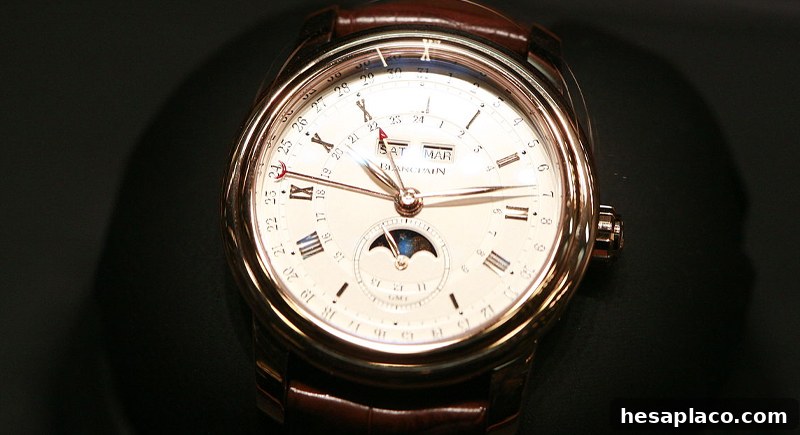
An annual calendar accounts for months with different lengths and typically needs adjustment only once a year, at the end of February. This mechanism strikes a balance between mechanical complexity and everyday usefulness, making it a popular choice among collectors who want calendar convenience without the highest-tier cost of a perpetual calendar.
Perpetual Calendar Systems
Credit: Wikimedia Commons
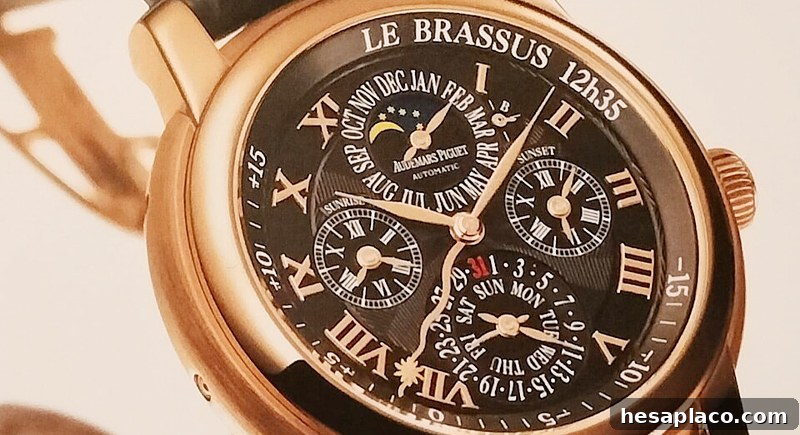
Perpetual calendars take things further by accounting for leap years, allowing the watch to display correct dates for decades without manual correction. This complication is typically reserved for high-end, technically advanced timepieces and represents an extraordinary level of mechanical engineering in a wearable form.
Tourbillon Craftsmanship
Credit: Wikimedia Commons
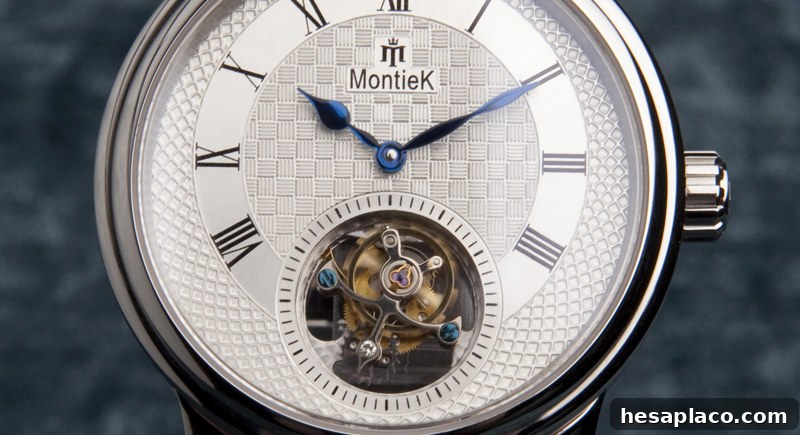
The tourbillon places the escapement and balance wheel inside a rotating cage to average out positional errors. While its practical benefit on a wrist is debated, its visual impact is undeniable. Many luxury brands expose the tourbillon on open dials, treating the rotating cage as a kinetic work of art.
Stainless Steel Cases
Credit: Wikimedia Commons
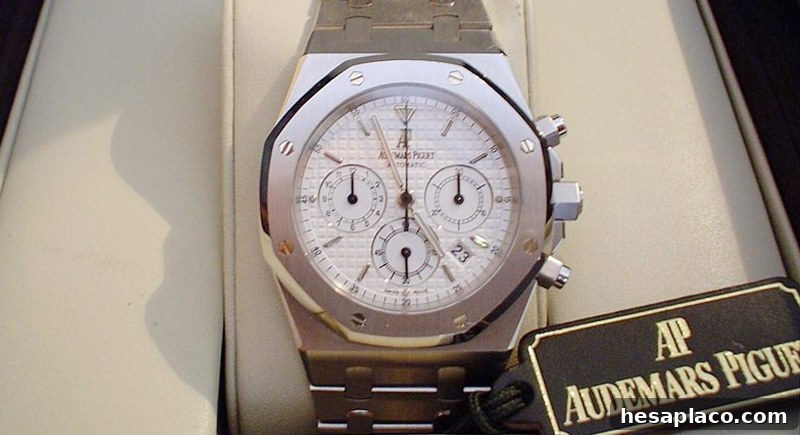
Stainless steel is a favored starting point for many collectors because it offers a strong balance of durability and elegance. Iconic designs like the Audemars Piguet Royal Oak helped elevate steel to a status symbol. Commonly using 316L grade, steel cases resist wear and feel substantial without excessive weight.
Gold and Platinum Cases
Credit: Wikimedia Commons
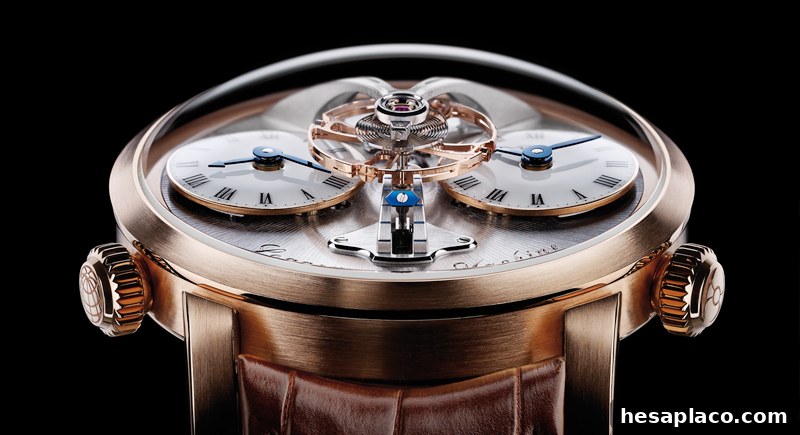
Precious metals add distinct character: gold offers a warm, classic tone, while platinum provides a dense, gray sheen often reserved for rare or limited pieces. Both materials demand extra attention during manufacturing and signal an emphasis on luxury and craftsmanship, chosen by buyers who value material presence as part of a watch’s identity.
Titanium Watch Bodies
Credit: Wikimedia Commons
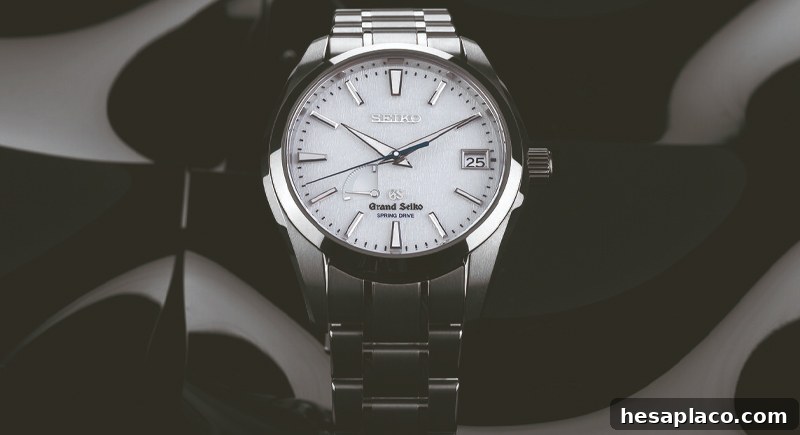
Titanium is prized for its light weight and matte, modern appearance, making it a common choice for sports-oriented watches. Brands such as Grand Seiko and IWC have used titanium to create pieces that feel markedly different from steel models. The metal can scratch more easily, but many owners welcome the subtle patina that develops with regular wear.
Ceramic and Crystal Details
Credit: Instagram
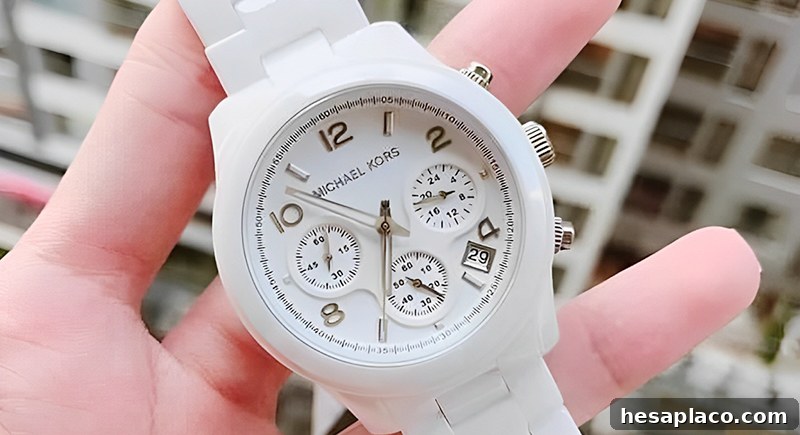
Ceramic components, especially bezels, resist scratches and retain color over time, while sapphire crystal protects the dial and offers a clear, sharp view. These materials are now standard for brands that want their watches to stay visually fresh and durable, whether the design aims for bold contrast or refined understatement.
Straps and Bracelets
Credit: Getty Images
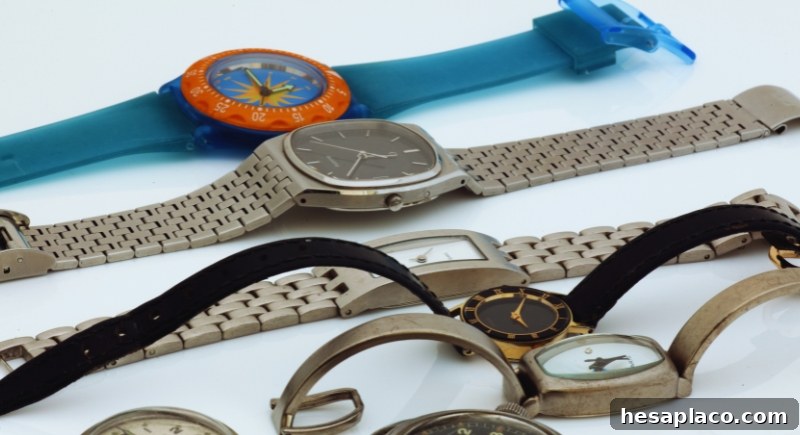
The choice of strap or bracelet significantly affects a watch’s character. Metal bracelets can mirror the case finish with polished or brushed links, leather straps—from calfskin to alligator—develop unique patina with use, and rubber straps suit sportier models. Each option changes comfort, visual tone, and how the watch wears day to day.
In short, learning about movements, complications, and materials reveals why luxury watches command attention. With this foundation, you can evaluate designs more clearly, pick features that suit your lifestyle, and enjoy the details that make each timepiece unique.