
Millennials aren’t starting side hustles for fun—rising living costs and stagnant wages have made extra income a necessity. What often appears as a modest gig can actually generate meaningful revenue when approached strategically. Here’s an overview of popular side hustles, realistic earnings, and the practical truths behind the numbers.
Niche Content Creation — $1,000 to $5,000 per month

Credit: Canva
General advice to “make content for everyone” rarely pays off. Successful creators focus tightly on a specific problem or audience. That clarity builds trust faster than broad reach; even a small, engaged audience can support steady income because followers know what the creator reliably delivers.
Digital Products — $2,000 to $10,000 per month

Credit: Getty Images
Selling digital products requires patience. You often spend weeks building something before you know whether it will resonate. Early versions frequently miss the mark and need revision. Many creators give up during that waiting period, but products that survive refinement can scale with low ongoing costs.
Online Freelancing — $30 to $80 per hour

Credit: pexels
Freelancing becomes more profitable when you stop accepting every request and start setting boundaries. Turning down low-value work raises your average rate and attracts clients who expect quality. That increases pressure per project—mistakes matter more—so specialization and strong client management are essential.
Online Reselling — $45 per hour on average

Credit: Canva
Reselling rewards research more than hustle. The most profitable sellers spend significant time evaluating demand before buying inventory. Purchasing the wrong items ties up capital and creates bottlenecks; disciplined sourcing and pricing practices typically lead to higher returns with less frantic activity.
Affiliate Websites — $1,000 to $10,000 per month

Credit: Getty Images
Affiliate sites succeed by answering questions people already search for. That reliance on search creates vulnerability: algorithm changes, shifting user intent, or competitors can reduce traffic quickly. The ongoing work is defending and updating content, optimizing conversions, and diversifying traffic sources to stabilize earnings.
Coaching — $50 to $300 per hour

Credit: Canva
Clients seek coaching when something feels off rather than when they can clearly name the problem. Early sessions often explore choices, habits, and blind spots, and progress usually happens between sessions. Outcomes can feel uneven from the outside, so building measurable goals and tracking progress helps demonstrate value.
Paid Online Communities — $20 to $100 per member monthly

Credit: Getty Images
Recurring revenue depends on retaining members. Small communities focused on shared goals or clear outcomes usually keep members engaged longer. Predictable income comes from continuity: active conversations reduce churn, members find ongoing value, and growth becomes steadier as retention improves.
Event Staffing and Brand Ambassador Work — $25 to $40 per hour

Credit: pixelshot
Event shifts typically arrive in clusters tied to other people’s timelines. Work can pay well hourly, but it’s irregular: conferences expand schedules, brand campaigns add last-minute needs, and availability depends on event cycles. This makes scheduling and income smoothing necessary for reliable planning.
Renting Out Space — $200 to $1,000 per month
Credit: Aflo Images
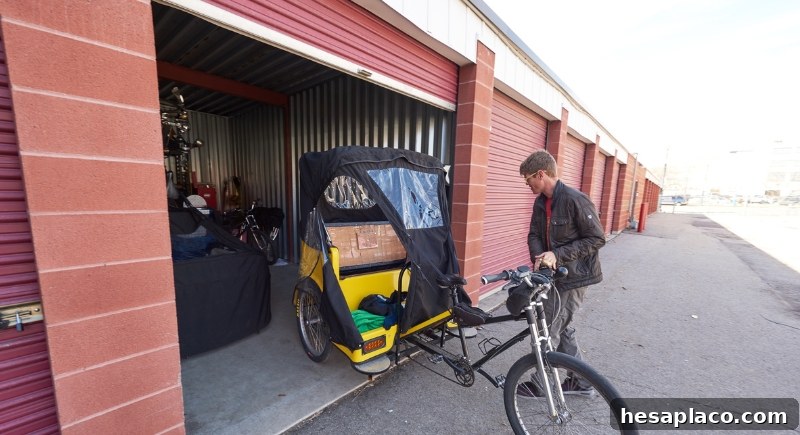
Renting a garage, driveway, or extra storage seems simple at first but becomes more complex over time. Local regulations, platform policy changes, and the need for maintenance or tenant management require attention. Staying compliant and responsive is essential to preserving steady rental income.
Composting Pickup Services — Up To $200,000 Per Year
Credit: Canva
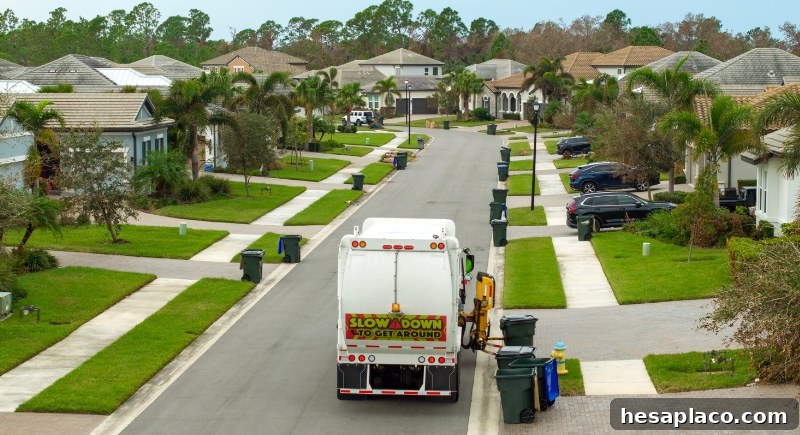
Curbside compost pickup filled a simple need: households that want to compost but don’t want the hassle. This model scales through route efficiency rather than marketing reach—bins must be collected, schedules maintained, and labor capacity scaled. Growth depends on operational capacity and reliable logistics, making it a physically intensive but potentially lucrative business.