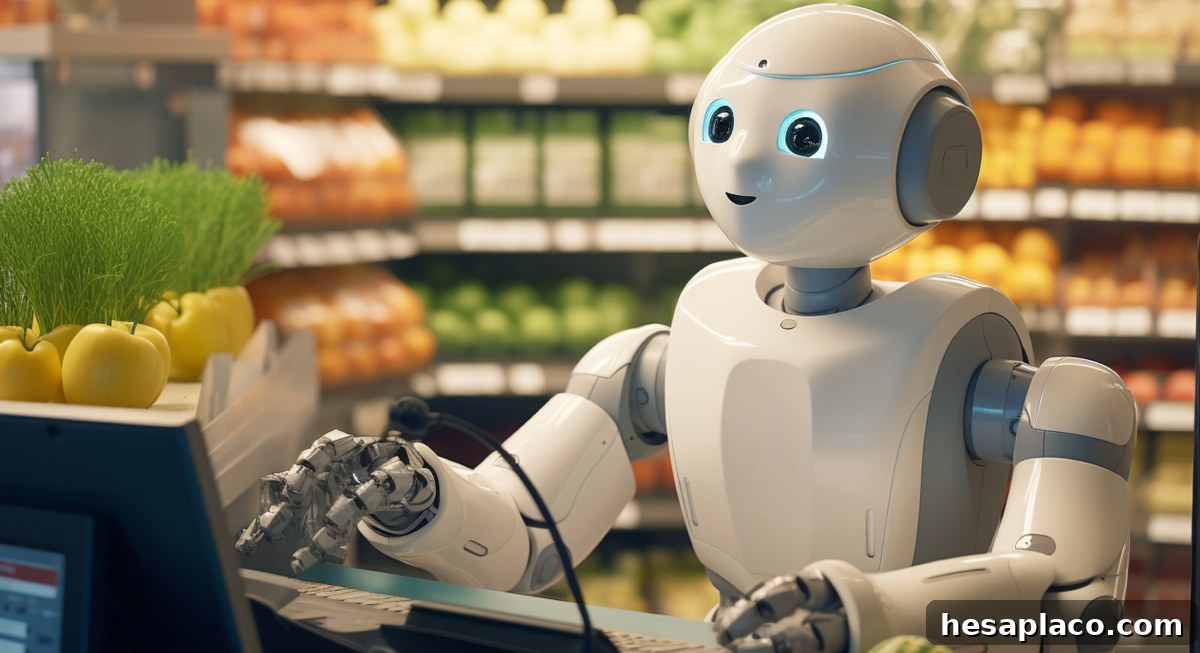
AI hasn’t started stealing lunches, but it’s increasingly outperforming humans in a growing number of routine tasks. Industries are changing rapidly, and several jobs that once seemed secure are now at risk of being automated. Below is a clear look at roles most exposed to AI-driven replacement, the reasons behind the shift, and what remains uniquely human about each field.
Data Entry Clerks

Credit: Getty Images
Tasks that involve copying, pasting, and organizing information are especially vulnerable to automation. AI systems can enter and validate data faster, with fewer errors and no fatigue. As companies push for higher efficiency and lower operating costs, automated data-processing tools are replacing many traditional data entry roles, though human oversight remains important for complex exceptions and data provenance.
Telemarketers

Credit: Getty Images
AI-powered robocalls, chatbots, and predictive dialing systems now handle appointment setting and basic sales pitches. These systems also analyze customer behavior to personalize interactions. Because many recipients hang up or opt out, companies increasingly rely on automated systems that can run large volumes of calls cheaply and consistently.
Cashiers

Credit: pexels
Self-checkout kiosks and automated payment systems reduce the need for human cashiers. Modern systems can total purchases, detect fraud, and speed up transactions. While some shoppers prefer human interaction, many retailers are investing in automation to cut labor costs and improve throughput.
Customer Service Representatives

Credit: Canva
Virtual assistants and AI-driven support platforms can handle thousands of routine queries simultaneously, freeing companies from large call centers. Human agents still resolve complex or emotionally sensitive issues, but basic troubleshooting, account inquiries, and FAQs are increasingly managed by automated systems.
Order Pickers

Credit: Canva
Robotic pickers in warehouses are rapidly changing logistics. Autonomous vehicles and mechanical arms retrieve items, reduce errors, and speed up fulfillment. While supervisors and maintenance staff remain necessary, the manual labor of walking warehouse aisles to pick products is declining as automation scales up.
Proofreaders

Credit: pexels
Tools like Grammarly and other writing assistants can spot grammar, punctuation, and style issues in seconds, handling large volumes of text more quickly than humans. Editors and proofreaders still add value through judgment, tone, and cultural context, but many straightforward proofreading tasks are shifting to automated checks.
Paralegals

Credit: Getty Images
Legal research platforms and document-analysis software can scan thousands of legal documents quickly, identifying relevant precedents and clauses. While legal expertise and client-facing skills remain important, entry-level paralegal tasks—especially repetitive research and contract review—are increasingly automated.
Travel Agents

Credit: PR Image Factory
Online booking platforms provide instant price comparisons, itinerary suggestions, and booking confirmations, reducing demand for traditional travel agents. High-end and bespoke travel services still rely on expert agents, but everyday trip planning is now largely a self-service activity aided by AI-driven recommendations.
Receptionists

Credit: Aflo Images
Automated phone systems and virtual receptionists manage scheduling, call routing, and visitor check-ins. Organizations aiming to optimize costs are adopting these tools, though human receptionists remain valuable for high-touch interactions and complex front-desk responsibilities.
Fast Food Workers

Credit: Canva
Robotic cooking and assembly lines are already being piloted in fast-food settings. Machines can flip burgers, assemble sandwiches, and dispense beverages with consistent speed and hygiene. These systems lower labor costs and increase throughput, though human staff are still needed for supervision, maintenance, and customer service.
Bank Tellers

Credit: Getty Images
Digital banking, mobile apps, and smart ATMs let customers complete most transactions without visiting a branch. Banks are reducing teller staff as customers shift to online services, leaving tellers mainly to handle complex transactions and advisory roles that require direct human interaction.
Dispatchers

Credit: Getty Images
Logistics platforms powered by AI optimize routing, match demand with supply, and coordinate deliveries more efficiently than manual dispatching. Ride-hailing companies and freight operators use algorithms to allocate resources dynamically, reducing the need for traditional dispatcher roles.
File Clerks

Credit: jmartinstock
Digital document management systems and automated archives have greatly reduced the need for manual filing. Files once stored in cabinets are now searchable and retrievable by software. Human roles shift toward governance, metadata curation, and ensuring compliance rather than physical file handling.
Language Translators

Credit: Getty Images
Machine translation has improved dramatically and now handles emails, basic documents, and real-time conversational translation effectively. For straightforward translations, speed and cost advantages make AI solutions attractive. However, professional translators remain necessary for culturally sensitive, creative, or legally binding texts where nuance matters.
Insurance Underwriters

Credit: iStockphoto
AI systems can analyze vast datasets to assess risk, price policies, and identify anomalies at speeds far beyond human capability. Many insurers use algorithms to approve routine policies automatically, which reduces demand for traditional underwriting roles. Human underwriters remain important for complex or unusual cases that require judgment and contextual knowledge.
In summary, automation and AI are reshaping the labor market by taking over repetitive, data-driven, and predictable tasks. Jobs that rely on empathy, advanced judgment, creativity, and complex interpersonal skills are less likely to be fully replaced in the near term. For workers in affected fields, focusing on upskilling, adaptability, and human-centered skills will be crucial to staying relevant as technology continues to advance.