
In many parts of the world, accessing routine services — from renewing a license to receiving medical care — can require more than patience: it can demand extra money handed off quietly. Bribery remains illegal in most places, yet in several countries petty corruption has become woven into everyday life. The following overview highlights places where unofficial payments often act as a hidden cost for basic public services, slowing delivery and deepening inequality.
South Sudan’s Missing Roads and Vanished Funds
Credit: pexels
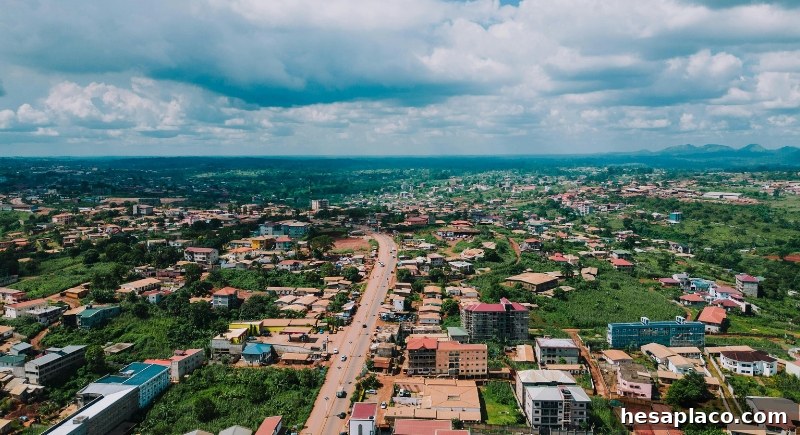
A UN review uncovered that $1.7 billion from a $2.2 billion infrastructure fund could not be accounted for, leaving the promise of roads unrealized and only scattered gravel where projects were meant to stand. Beyond large-scale embezzlement, citizens report routine small payments required just to move paperwork, release supplies or obtain basic repairs. These informal demands delay services and place an extra burden on families already facing extreme hardship.
Venezuela’s Shortages That Require a Tip
Credit: Getty Images
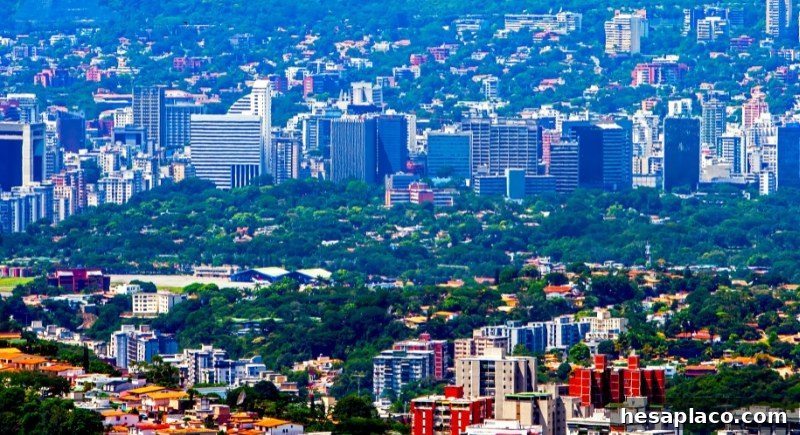
Economic collapse in Venezuela left many stores bare and inflation soaring, but another consequence has been the rise of demands for bribes in food and medicine distribution. Reports describe employees who require small payments to place individuals on waiting lists or to speed access to supplies that should be distributed equitably. For those struggling to meet basic needs, these informal fees can be the difference between surviving and going without.
Bangladesh’s Pay-to-Get-In Pattern for Jobs and Services
Credit: Getty Images
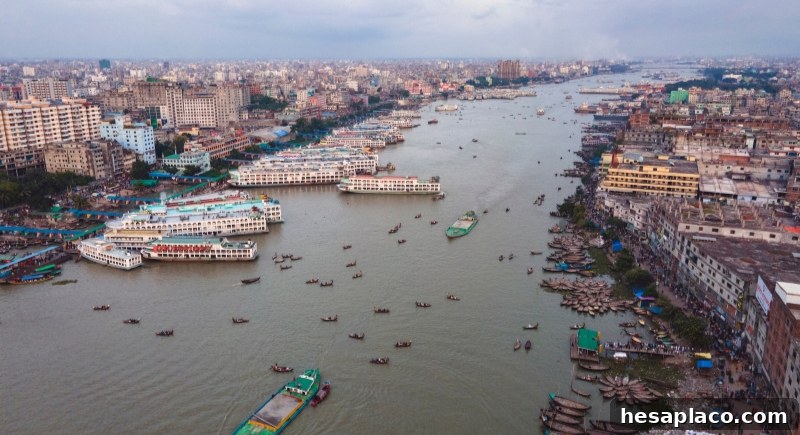
In Bangladesh, aspiring public servants and ordinary citizens alike sometimes face demands for unofficial payments. Transparency International and other watchdogs have documented how bribery can influence hiring decisions, and payment expectations often continue after recruitment. Routine transactions — from filing forms to connecting utilities — can stall until a supplemental payment is made, turning otherwise straightforward tasks into costly, drawn-out processes.
Equatorial Guinea’s Wealth That Doesn’t Reach the People
Credit: Getty Images
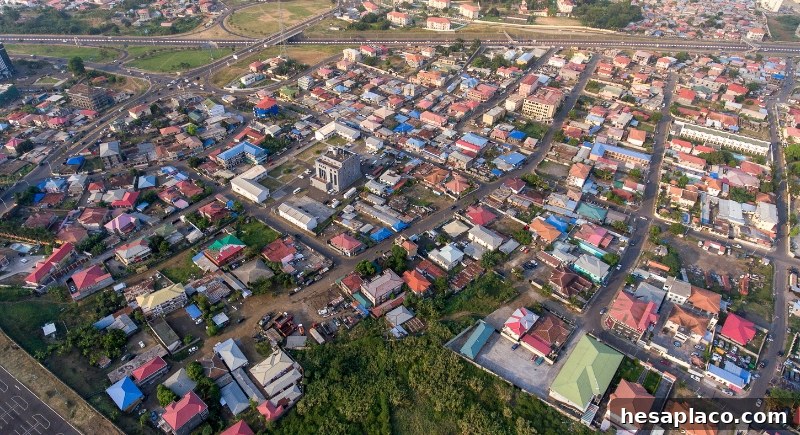
Although Equatorial Guinea ranks high in GDP per capita due to oil revenues, that wealth rarely benefits most residents. Corruption at multiple levels means that basic services often depend on informal payments. Oil revenues line private pockets while many people lack access to clean water, dependable healthcare and other essentials. The gap between national wealth and everyday living conditions is exacerbated by a system where unofficial fees routinely determine who receives services.
Afghanistan’s “Facilitation Fees” for Care
Credit: Getty Images
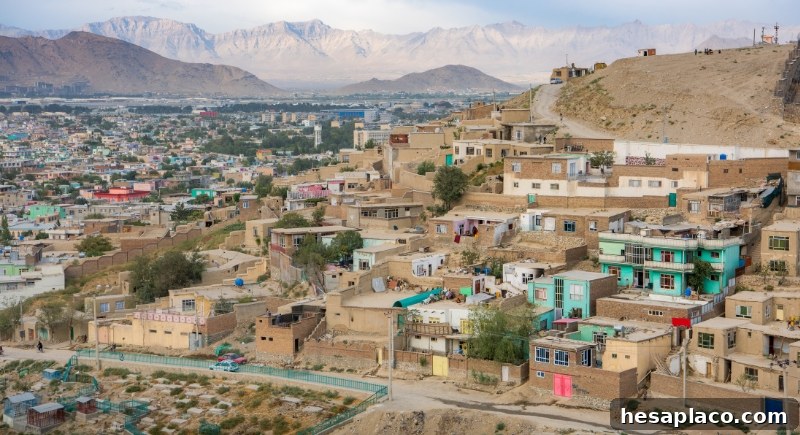
In parts of Afghanistan, visiting a public clinic can involve a “facilitation fee” even though the service is nominally free. Aid meant for reconstruction or relief is sometimes diverted by intermediaries or corrupt officials, and poorly paid public workers may rely on small bribes to supplement incomes. Those dynamics make accessing healthcare and other public services unpredictable and often unaffordable for vulnerable families.
Kyrgyzstan’s Routine Requests for Informal Payments
Credit: Canva
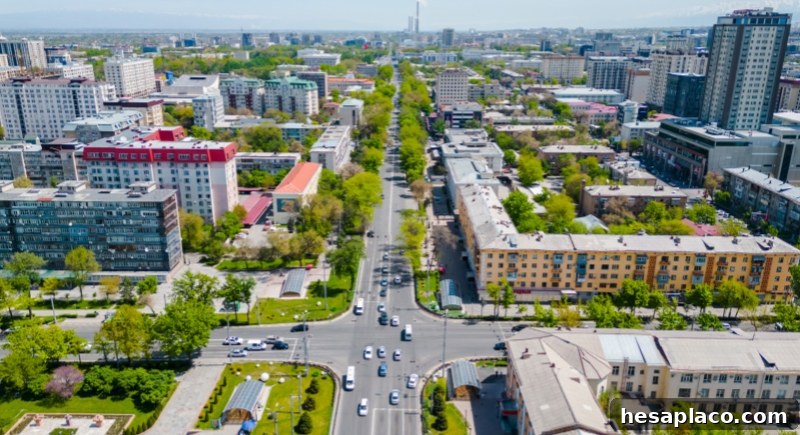
Transparency International has reported that nearly 60% of public service providers in Kyrgyzstan have experienced at least one bribe request. Whether applying for permits, processing official documents or enrolling children in school, unofficial payments frequently appear. Many citizens come to expect these demands, which undermines trust in institutions and makes access to everyday services contingent on the ability to pay extra.
Yemen’s Patronage Networks and Nepotism
Credit: Getty Images
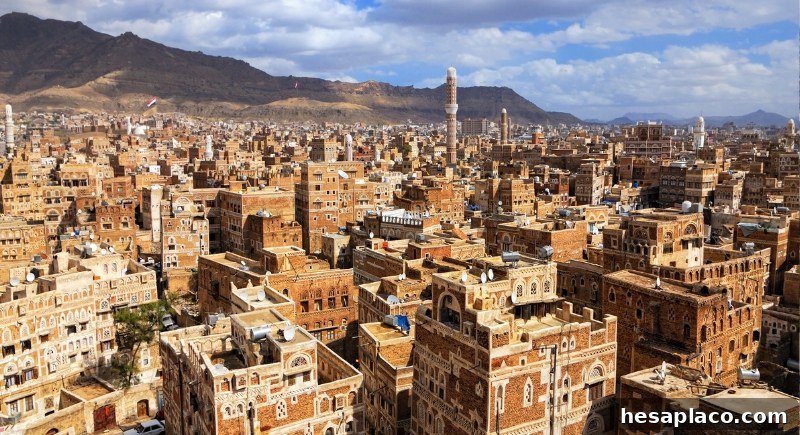
Yemen’s public sector is often shaped by nepotism and patronage networks. Even where oversight structures exist on paper, they frequently fail to enforce rules or hold officials accountable. Political appointments and access to services commonly favor those with connections or the means to pay, and ordinary citizens may wait weeks for utilities or permits unless they can call on someone who can expedite the process.
Pakistan’s Licensing and Land Record Hurdles
Credit: Getty Images
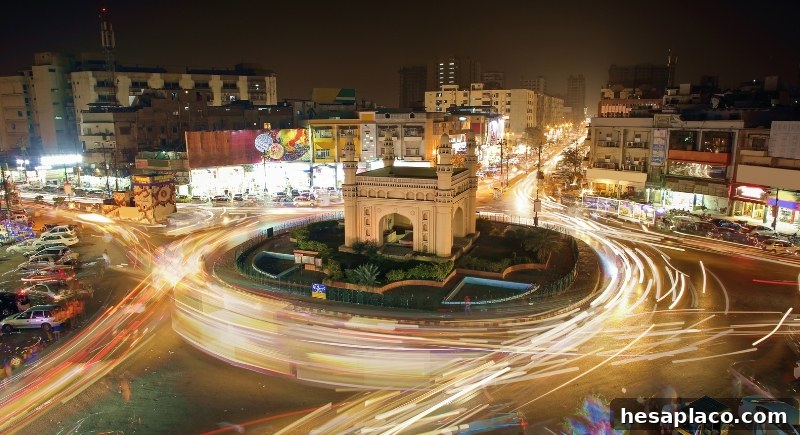
Securing a driver’s license, land record or other official documents in Pakistan can mean navigating a maze of counters, signatures and delays. Many applicants report paying unofficial fees to move a file along. Surveys indicate a significant share of businesses and individuals have faced direct bribe requests, turning ordinary interactions with public offices into costly exercises in persistence and expense.
Somalia’s Transactional Public Interactions
Credit: Getty Images
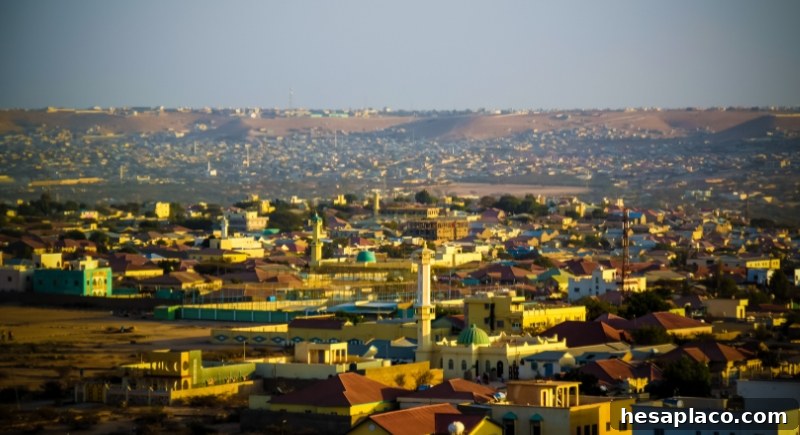
With institutions weakened by prolonged conflict and instability, Somalia has seen informal payments become normalized in many public interactions. In some places, teachers charge for school access, officers request payments to file reports, and other functions of state or community life operate as a sequence of transactions. The lack of consistent governance creates space for corruption to become an everyday cost of participation.
Nigeria’s Widespread Informal Fees
Credit: pexels
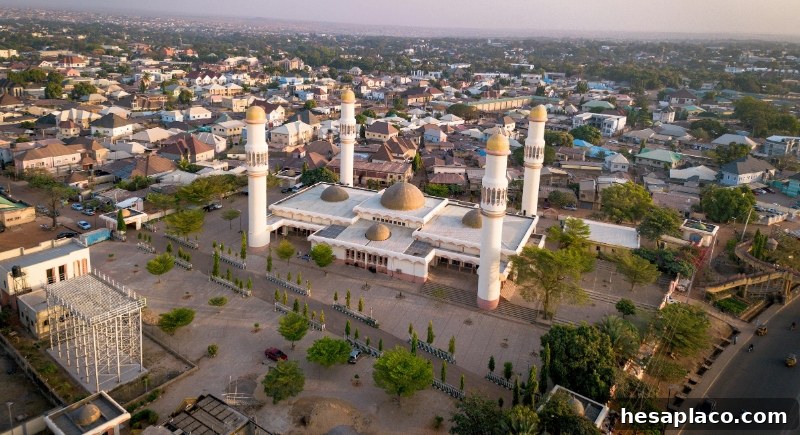
Survey data from the Nigerian Bureau of Statistics indicates that nearly one-third of respondents admitted to paying a bribe to access public services. Many people describe these payments as a necessary “tip” just to receive services they are legally entitled to. While individual sums may seem small, they accumulate across millions of interactions, imposing a heavy financial burden and eroding public trust.
Across these examples, the common thread is clear: when petty corruption becomes routine, it disrupts service delivery, deepens inequality, and forces ordinary people to choose between paying for what should be public goods or going without. Addressing these issues typically requires stronger accountability, better pay and training for public workers, transparent procurement and distribution systems, and civic mechanisms that allow citizens to report abuse without fear. Until such reforms take hold, informal payments will continue to shape how — and whether — people access the services they need.