Some careers don’t fit the usual mold. From venom extraction to underwater deliveries, these unusual jobs exist in niches most people rarely consider. They may prompt a second look, but each is a legitimate role with specific skills, safety standards, and real-world demand.
Snake Milker
Credit: flickr
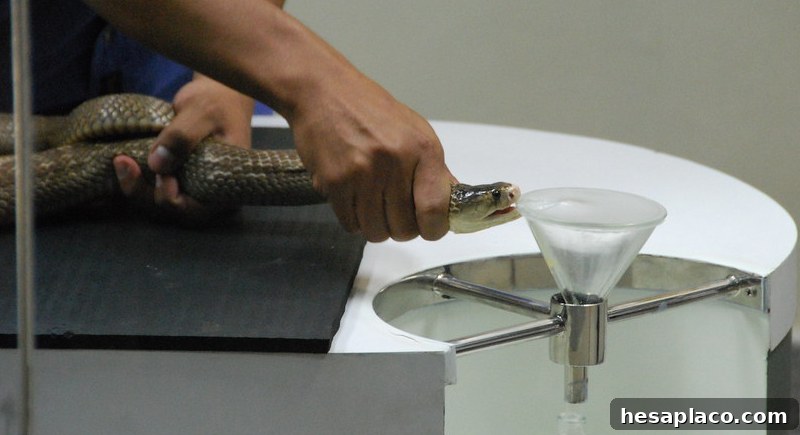
Snake milkers extract venom from highly dangerous snakes using specialized tools and strict protocols. The venom they collect is essential for producing antivenoms and for pharmaceutical research. Professionals in this field work in controlled facilities—often in countries like the United States, Australia, and India—following tight safety procedures, wearing protective gear, and relying on steady hands and deep knowledge of snake behavior.
Odor Judge
Credit: pixelshot
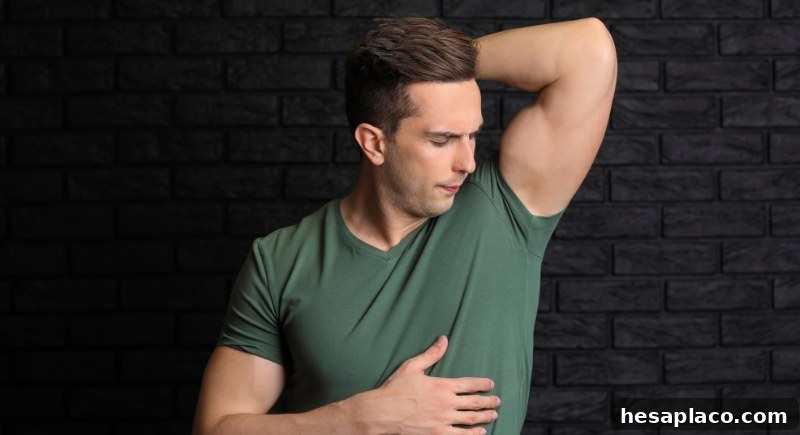
Odor judges—also called sensory analysts—help companies evaluate how well deodorants, foot sprays, breath products, and other items control or alter scent. They perform structured scent assessments over time, often sniffing treated areas such as underarms or feet to measure effectiveness. Staying qualified typically requires regular testing, and many odor judges contribute to product development, refining formulas or creating signature fragrances for brands.
Golf Ball Diver
Credit: Reddit
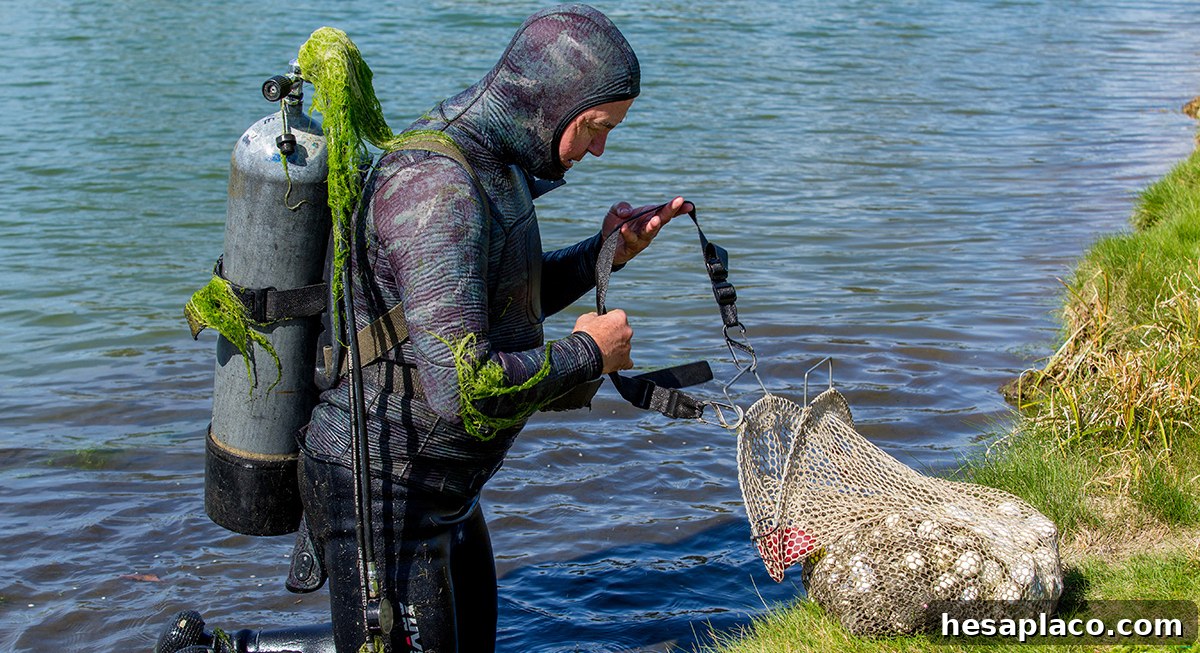
Golf ball divers retrieve balls lost in water hazards across golf courses, then clean, sort, and resell them to pro shops, driving ranges, and retailers. Certified divers use wetsuits and equipment to work in ponds and lakes, sometimes recovering thousands of balls. For many experienced divers this becomes a full-time job with competitive earnings, though income varies by region and season.
Professional Mourner

Credit: Wikimedia Commons
In some regions of Asia and Africa, hiring professional mourners is a longstanding tradition. These performers are paid to cry, wail, sing, or otherwise amplify the emotion of funeral rites, helping to honor the deceased and support the bereaved. The role often follows cultural protocols and can be particularly prominent in rural communities where expressive mourning is valued as a sign of respect.
Dog Food Taster
Credit: pixabay
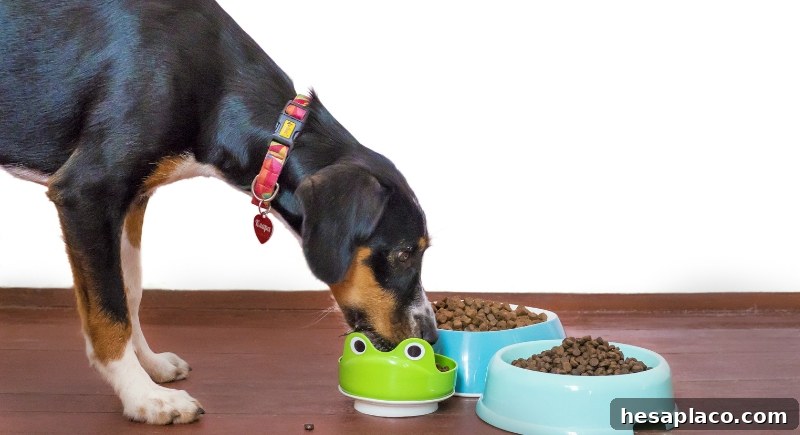
Before dog food reaches stores, human specialists often evaluate it for flavor, texture, and overall quality. These testers—typically with backgrounds in nutrition, food science, or pet food formulation—sample products in a controlled way to benchmark against competitors and ensure palatability. They do not simply eat pet portions like a pet would, but provide structured feedback to guide product improvement.
Teddy Bear Surgeon
Credit: Wikimedia Commons
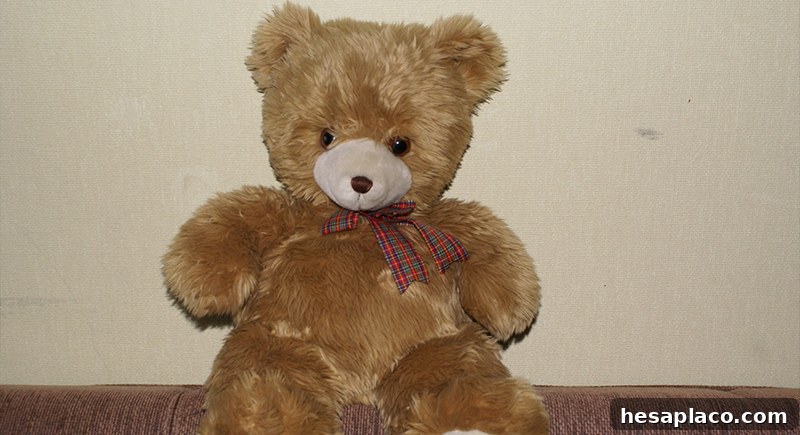
Teddy bear surgeons repair beloved stuffed animals at specialty shops, toy stores, and dedicated “plush hospitals.” Tasks include sewing torn seams, replacing eyes, restuffing, and swapping accessories. The work requires careful handcrafting and often emotional sensitivity, since repaired toys are frequently sentimental keepsakes returned to children or adults who cherish them.
Train Pusher
Credit: Wikimedia Commons
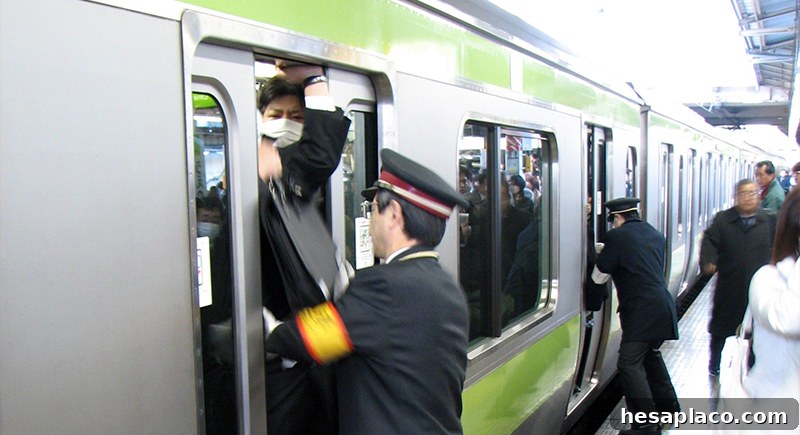
In Tokyo and some other densely populated cities, train pushers—known as oshiyas—help commuters board packed subway cars during peak hours. Wearing uniforms and gloves, they use practiced techniques to make space efficiently so doors can close safely. The role emerged in the mid-20th century as urban transit systems grew more crowded and remains part of efforts to keep trains running smoothly and on schedule.
Face Feeler

Credit: 7-Design
Face feelers, or sensory analysts in the beauty industry, evaluate how skincare products change the texture and feel of skin. They gently touch participants’ faces before and after product application, recording differences such as softness, smoothness, and absorption. Their assessments help brands refine formulations and ensure product claims match real user experiences.
Bike Fisher
Credit: Wikimedia Commons
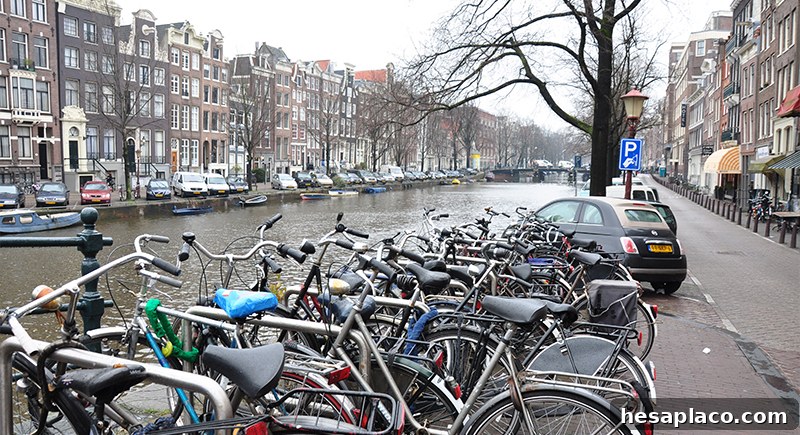
In cities with canals, such as Amsterdam, workers known as bike fishers retrieve bicycles and other debris from the water. They use cranes, hooks, and dredging equipment to lift rusted bikes, shopping carts, and lost items from canal beds. Recovered bicycles are sorted and often recycled, aiding city maintenance and keeping waterways clear.
Online Dating Ghostwriter

Credit: annakimphotos
Online dating ghostwriters create authentic, engaging profiles and sometimes craft messages for clients using dating apps. They interview clients to capture personality and tone, then write bios that present individuals in the best light while staying true to who they are. Some also provide coaching on communication and follow-up messages to help clients navigate matches and dates.
Scuba Pizza Delivery
Credit: annakimphotos
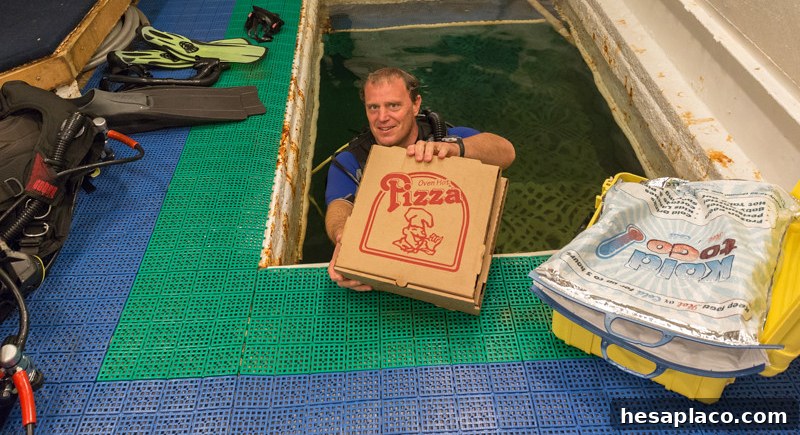
At specialized underwater lodges like Jules’ Undersea Lodge in Key Largo, Florida, certified divers deliver meals—including pizza—directly to guests beneath the surface. Deliveries require diving certification, careful waterproof handling, and customer-service skills. It’s an unusual blend of hospitality and diving expertise, and it highlights the unique logistics of underwater accommodations.
Water Slide Tester
Credit: pexels
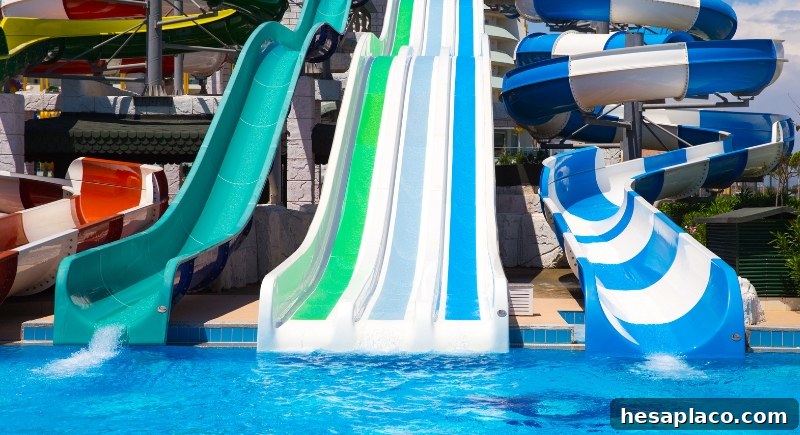
Water slide testers evaluate new attractions at theme parks and resorts for safety, speed, comfort, and thrill. They take repeated runs, note performance metrics like splash and velocity, and report findings to engineers and designers. The role involves travel, endurance, and careful documentation to ensure guest safety and a quality experience.
Paper Towel Sniffer
Credit: Getty Images
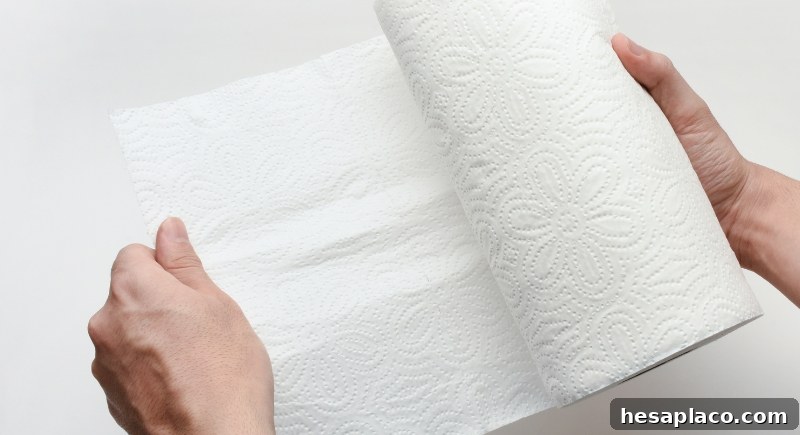
Paper towel sniffers work in quality control, checking that rolls and sheets are free from unpleasant chemical odors and meet scent expectations—whether neutral or subtly fresh. Trained noses can detect faint off-notes that machines miss, which matters for products used around food and in kitchens. Their assessments help maintain brand standards and consumer safety.
Professional Sleeper

Credit: Getty Images
Professional sleepers participate in product testing, hospitality promotions, or sleep research by spending nights in controlled environments while being monitored. Hotels have hired sleepers to review rooms and amenities, while researchers use sleepers to study mattresses, bedding, and sleep patterns. The role often involves reporting on comfort, noise, temperature, and sleep quality.
Professional Mermaid
Credit: Wikimedia Commons
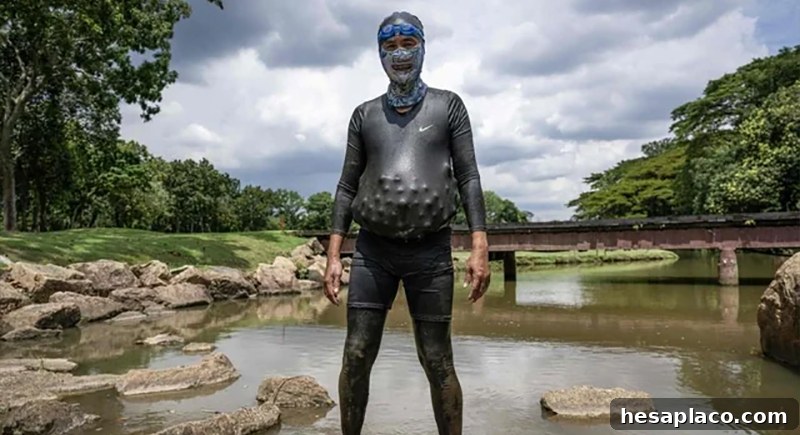
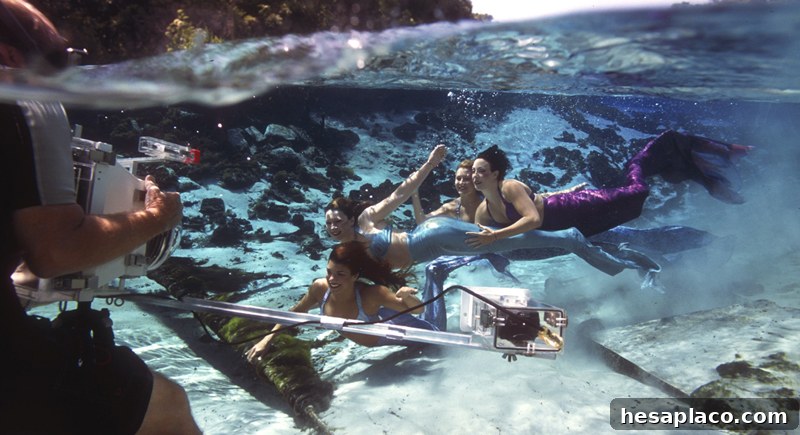
Professional mermaids perform underwater shows wearing custom tails and executing choreographed routines. These entertainers combine freediving skills, breath-control training, and aquatic choreography to engage audiences at aquariums, events, and awareness campaigns. The job is physically demanding, requires extensive rehearsal, and often supports educational or conservation messages. Custom tails can be expensive, and performers may work around marine life, emphasizing safety for both humans and animals.