
Some wealthy individuals chose to use their resources to improve other people’s lives. Their motivations varied: some acted after personal turning points, others followed long-held principles about money and responsibility. Each story shows a distinct path to generosity and public service.
Below are examples of how large gifts and personal sacrifices have supported education, healthcare, community programs, and everyday needs for people in difficult circumstances.
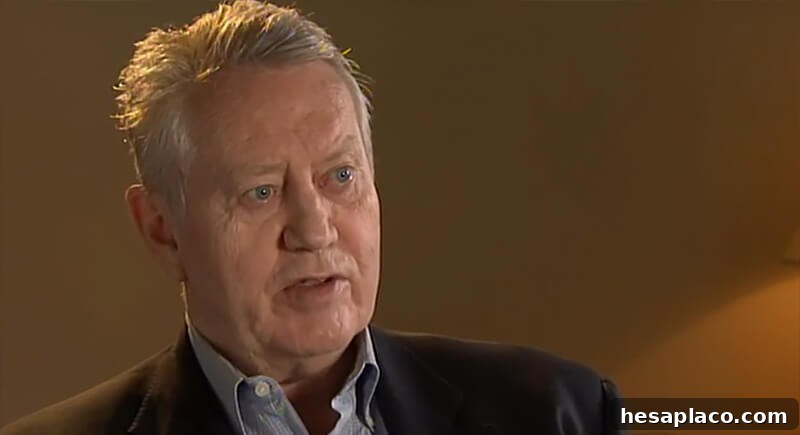
Chuck Feeney
Credit: Youtube
Chuck Feeney deliberately lived a modest life while quietly giving away nearly all his wealth. Through his foundation, he distributed more than $6 billion to causes in health, education, and human rights, often without seeking recognition. Choosing to rent a small apartment, never own a car, and avoid luxury, Feeney argued that money should be spent while it can still make a meaningful difference.
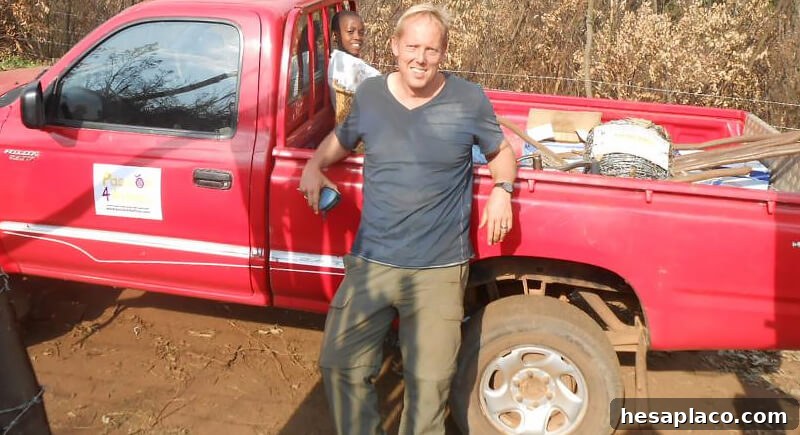
Jon Pedley
Credit: lovemoney
After surviving a near-fatal car accident, Jon Pedley reassessed his priorities. He sold his farmhouse and business and relocated to Uganda to work with a charity supporting orphans and young people in crisis. Living in a simple mud hut, he engaged directly with the local community and committed himself to hands-on service.
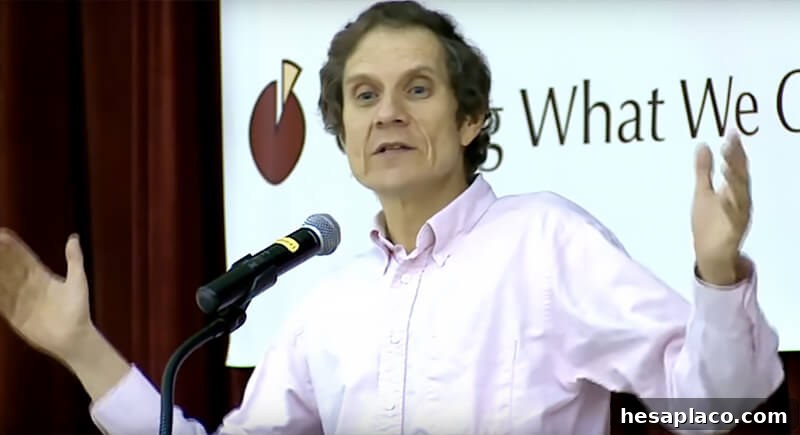
Zell Kravinsky
Credit: Wikipedia
Zell Kravinsky believed wealth was meant to be used for the greater good. After building a successful real estate business, he redirected roughly $45 million toward public health and education initiatives. He framed his choices as “rational altruism” and publicly discussed the moral reasoning that guided his philanthropy.
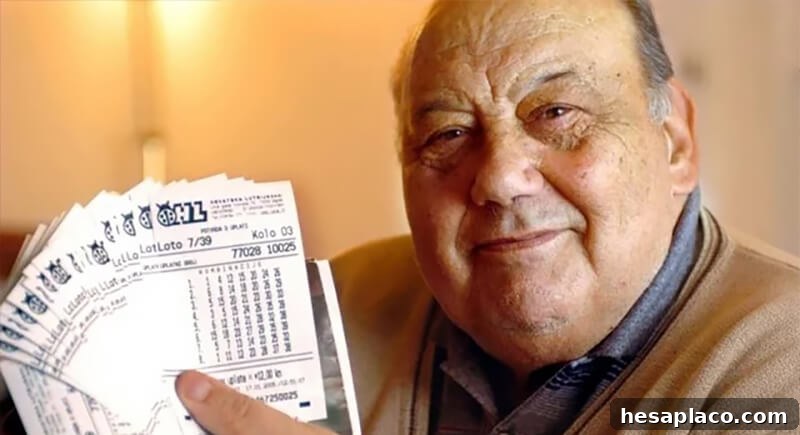
Frano Selak
Credit: telegraph
Frano Selak became famous for surviving a string of life-threatening accidents. When he later won nearly $1 million in the lottery, he prudently assisted friends and family rather than embracing an extravagant lifestyle. After briefly purchasing a private island home that didn’t suit him, he sold it and returned to a modest life in Petrinja, prioritizing meaningful support for those close to him.
Yu Panglin

Credit: scmp
Growing up in poverty left a lasting impression on Yu Panglin and shaped his understanding of wealth and duty. Later, he donated $470 million to a foundation he created, which grew to about $1.2 billion under careful management. He arranged for HSBC to oversee the funds to secure long-term impact, directing resources toward initiatives that addressed the needs he remembered from his youth.
Brian Burnie
Credit: quorumpark
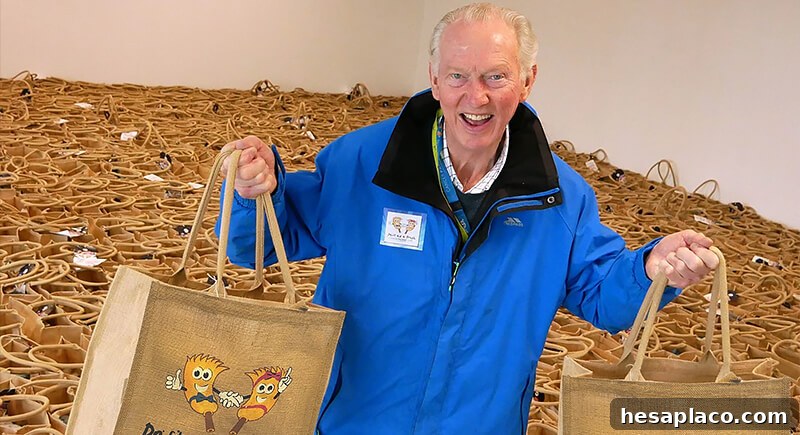
When Brian Burnie saw how difficult it was for cancer patients to reach treatment centers, he took decisive action. He sold his estate and hotel to fund a free transportation service that helps patients access medical care. As demand grew, he even sold a second home to ensure the service could keep operating and continue serving vulnerable patients.
George Carroll
Credit: Wikimedia Commons
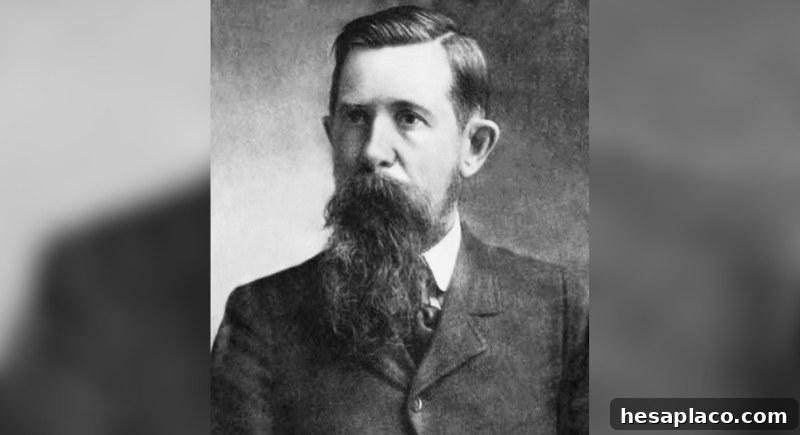
George Carroll turned success in lumber and oil into a legacy of community investment. He gave generously to his Baptist church, helped fund a university, and supported the creation of the Beaumont YMCA. Over time, his philanthropic contributions exceeded his personal wealth, and in his later years he chose to live in a small room at the YMCA he helped establish.
Percy Ross
Credit: Youtube
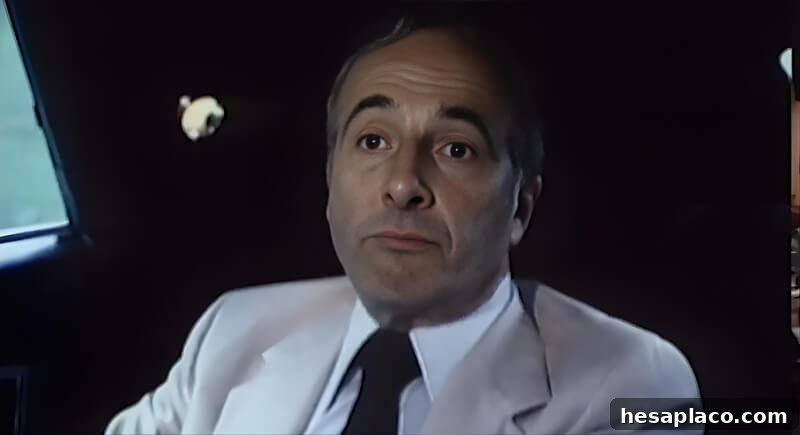
Percy Ross built his fortune in the plastics industry and became widely known for an uncommon approach to giving. Through his newspaper column, Thanks A Million, readers described financial hardships and many received direct help—mailed checks or in-person assistance. The column ran for more than a decade and provided relief to thousands of people across many communities.
Yevgeny Pushenko

Credit: Wikimedia Commons
During the economic upheaval of the 1990s, Yevgeny Pushenko built a thriving clothing factory in Vladivostok. Unexpectedly, he handed the business to friends and embarked on a 9,000-mile pilgrimage to Jerusalem. Afterward, he took the name Athanassios and settled in a monastery on Mount Athos, embracing a contemplative life.
Tom Shadyac
Credit: Youtube
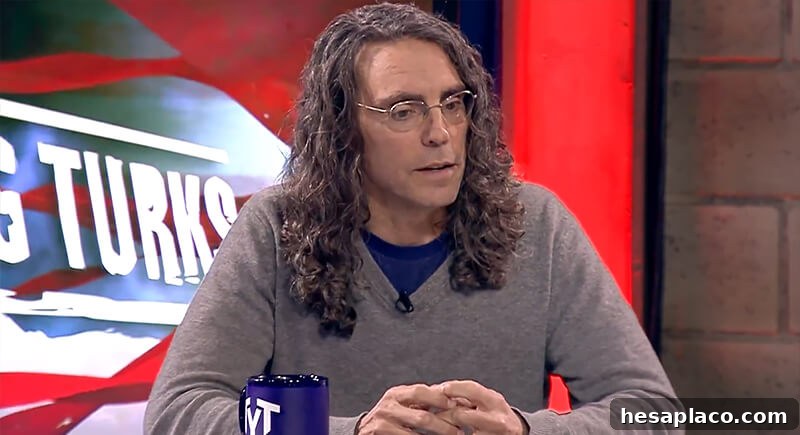
After a cycling accident prompted a deep personal reassessment, filmmaker Tom Shadyac stepped away from Hollywood’s material trappings. Known for directing popular comedies, he sold his mansion, rejected luxury, and moved into a trailer. He now supports causes that emphasize simplicity, community, and a reduced focus on consumerism.