
Poverty brings hidden costs that are not always obvious. When money is scarce, people face fewer choices and less flexibility, turning ordinary needs into amplified expenses. Over time, these constraints accumulate, causing low-income households to spend more on basic goods and services than those with greater financial resources.
Interest and Fees Accumulate Quickly

Credit: iStockphoto
Without savings, people often turn to financial products designed for those with limited options. Payday lenders and similar services promise fast help, but the effective annual rates on these products can be extremely high. What seems like a short-term remedy frequently becomes a series of costly repayments that stretch for months.
Necessities Rise Faster Than Wages

Credit: iStockphoto
Basic costs such as food, utilities, and rent often rise faster than paychecks. Households already stretched thin respond by reshuffling their limited resources—cutting discretionary spending first and then reluctantly compromising on essentials, which can harm long-term well-being.
Delaying Health Care Leads to Larger Bills

Credit: Getty Images
Skipping routine medical care often starts with concerns about cost or time away from work. Many uninsured or underinsured adults fall behind on medical bills. When minor health issues are postponed until they become emergencies, the resulting costs far exceed what a preventive or routine visit would have required.
Housing Costs Hit the Most Vulnerable Hard

Credit: iStockphoto
Securing decent, affordable housing is difficult when income is limited. In some markets, rentals can cost more per square foot than nearby mortgages. Sudden rent hikes force families to move, and each relocation drains savings through security deposits, repairs, and lost work time spent packing and coordinating the move.
The Time Tax of Everyday Life

Credit: iStockphoto
People with limited resources often spend more time on routine tasks. Long public transit commutes eat into the day. Paperwork and benefit applications frequently require in-person visits. A broken appliance or car can trigger a search for affordable repairs or replacements across town. These hours add up, reducing time available for paid work, education, or rest.
Cheap Purchases Cost More Over Time

Credit: iStockphoto
When families buy the cheapest available items to meet immediate needs, those products often break or wear out quickly, requiring repeated purchases. Economists and personal finance writers call this the “boots theory”: buying cheap now can lead to higher total costs later, because durable, higher-quality options are unaffordable upfront.
Living in the Wrong Zip Code Adds Hidden Costs
Credit: Getty Images
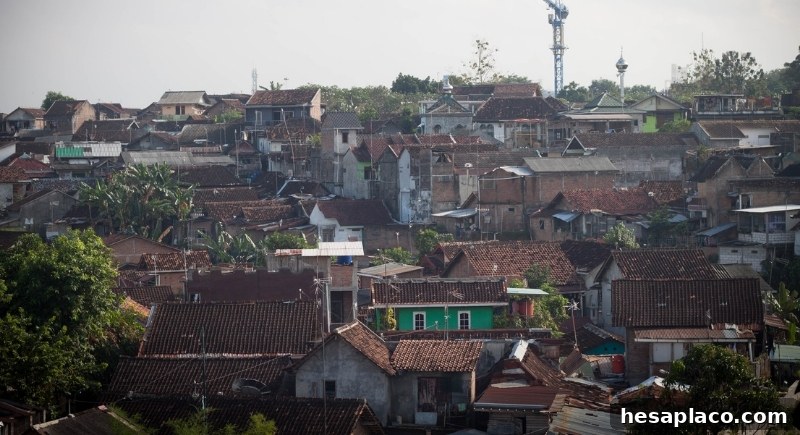
Neighborhoods with limited services can increase everyday costs. Areas without full-service banks push residents toward payday lenders and other expensive alternatives. Sparse public transit, fewer healthy food retailers, and limited job opportunities mean that lower rent can come with trade-offs that raise costs in other parts of life.
Credit Scores Block Access to Better Deals
Credit: iStockphoto
Past debts, gaps in employment, or missed payments can lower a credit score for years. Lenders and landlords use credit as a shorthand for risk, and a poor score often results in higher interest rates or stricter rental terms for the same products. These higher costs reduce the ability to build savings or plan for the future.
Benefits Cliffs Can Discourage Progress

Credit: Getty Images
Small raises or slightly higher earnings can push a worker past eligibility thresholds for benefits like childcare assistance or subsidized healthcare. Known as “benefits cliffs,” these thresholds can leave workers worse off financially after a pay increase because the added income does not fully offset the loss of support.
Stress and Limited Mental Bandwidth Have Real Costs

Credit: Canva
Scarcity places a heavy cognitive load on people. Worry and stress occupy mental space that could otherwise be used for planning and decision-making. That bandwidth tax leads to rushed choices, missed deadlines, and forgotten bills—each with financial consequences that deepen the original strain.
These interconnected factors show how poverty creates a cascade of extra costs. Addressing them requires more than income alone: it calls for policies and services that reduce transactional friction, improve access to affordable credit and healthcare, and support stable housing and transportation so families can convert modest earnings into lasting security.