
Massive lottery wins often come with long odds, and winning does not guarantee happiness or security. Many jackpot winners have faced lawsuits, criminal investigations, addiction, fraud, or poor financial planning that quickly erased their fortunes. Some have given money away and later declared bankruptcy. Even winners of billion-dollar prizes have encountered house fires, serious health problems, and intense public scrutiny. Lottery money has changed lives in dramatic and sometimes irreversible ways.
Edwin Castro

Credit: Instagram
The winning ticket for the largest U.S. jackpot to date was purchased at a gas station in Altadena, California. After claiming the $2.04 billion prize, Edwin Castro faced a lawsuit from a man who alleged the ticket had been stolen. The court dismissed the claim, but Castro again made headlines when a wildfire destroyed his Malibu home. His story highlights the unexpected legal and personal complications that can follow a major win.
Charlie Saephan
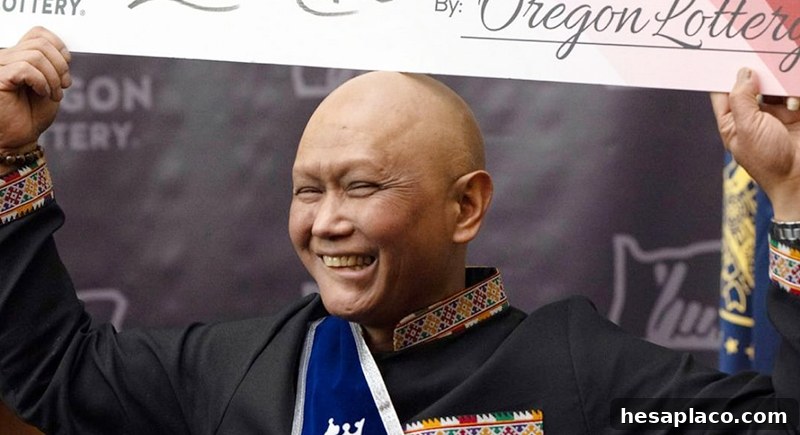
Credit: Instagram
After winning $1.3 billion in 2024, Charlie Saephan prioritized ongoing medical care. Having battled cancer for nine years, he used part of the prize to continue treatment and scheduled two surgeries shortly after the win. He remained in Portland, avoided major lifestyle changes, and focused on health rather than public displays of wealth—an example of a winner who used the funds primarily for personal needs.
Lara and Roger Griffiths

Credit: Facebook
This UK couple won a £2.4 million jackpot in 2005 and initially upgraded their lifestyle—buying a Porsche, renovating their home, and traveling abroad. Their fortunes shifted when an underinsured house was destroyed by fire, and personal problems followed, including reports of an affair and separation. Within five years the money was gone, and the marriage ultimately ended, showing how windfalls can fail to protect relationships from stress and tragedy.
Jack Whittaker
Credit: Instagram
Jack Whittaker won $315 million shortly before Christmas in 2002, and the aftermath was tumultuous. Repeated thefts from his car, lawsuits against his construction business, and tragic family events, including the loss of his granddaughter, marked the years after his win. Whittaker later said the money brought unwanted attention and severe disruption to his family life.
Sharon Tirabassi
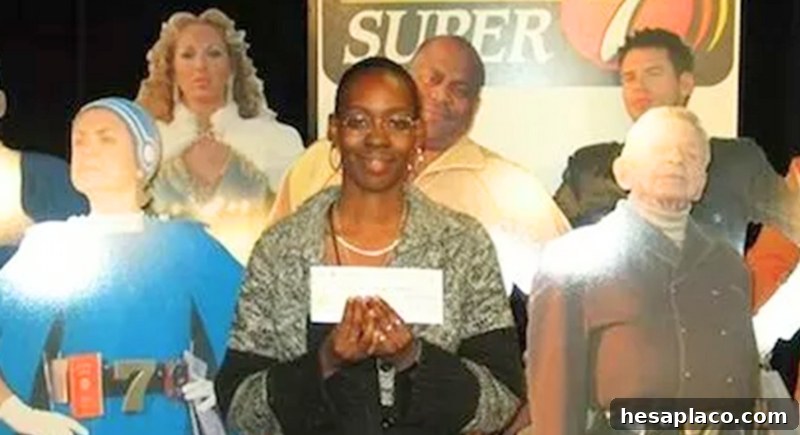
Credit: lottoanalyst
An Ontario mother living on welfare when she claimed a $10 million prize in 2004, Sharon Tirabassi spent on parties, luxury items, loans to friends, and travel. Less than ten years later she returned to public transit and part-time work while renting a home. She did set up trusts for her six children, which they can access at age 26, but her experience underscores how quickly funds can disappear without long-term planning.
Evelyn Adams
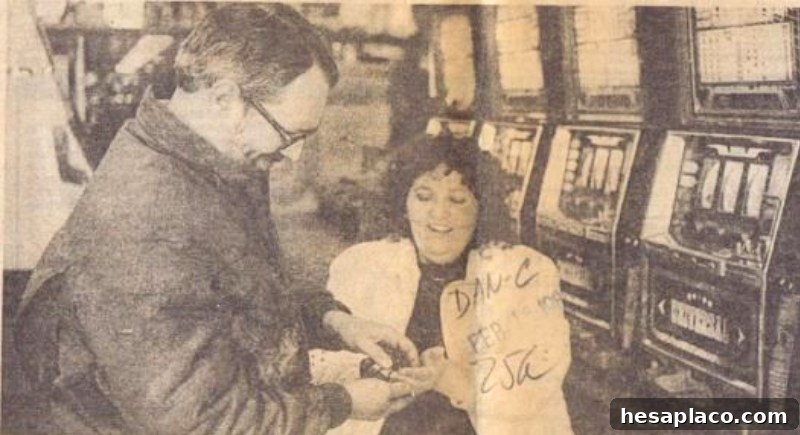
Credit: Alchetron
Evelyn Adams won back-to-back lotteries in the mid-1980s, totaling more than $5 million. Frequent trips to Atlantic City and heavy gambling depleted much of her winnings. She reported feeling overwhelmed by constant requests for money, and her story became an early cautionary example of how sudden wealth can lead to financial ruin when boundaries and controls are lacking.
Theodorus Struyck

Credit: Reddit
After participating in a $1.76 billion Powerball win, retired UPS worker Theodorus Struyck was still driving the same truck months later. He stayed with relatives in San Diego while looking for a house and reportedly shared his winnings with friends. He kept a low profile and did not publicly outline major plans, illustrating a quieter approach by some winners who choose to maintain familiar routines.
Bud Post
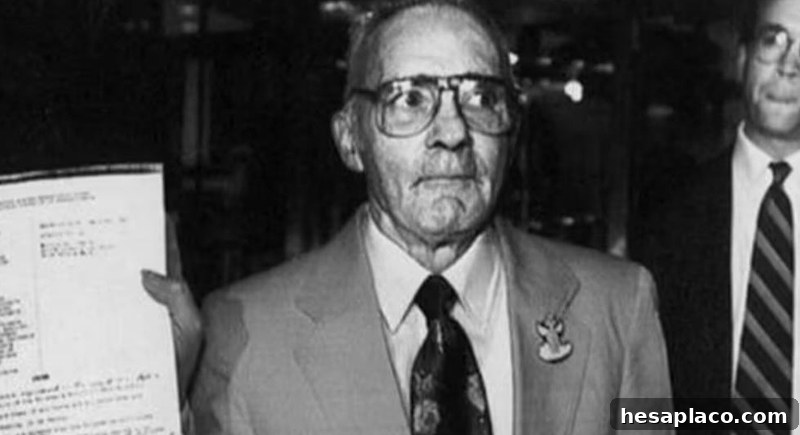
Credit: Instagram
Bud Post won $16.2 million in 1988 and soon encountered court battles, unpaid bills, and threats to his life. A former girlfriend won a legal claim to a significant share of his prize, while his brother allegedly attempted to hire a hitman. Post tried several business ventures that failed and had a public dispute in which he fired a gun at a bill collector—an extreme example of how sudden wealth can attract danger and legal entanglements.
Michael Carroll
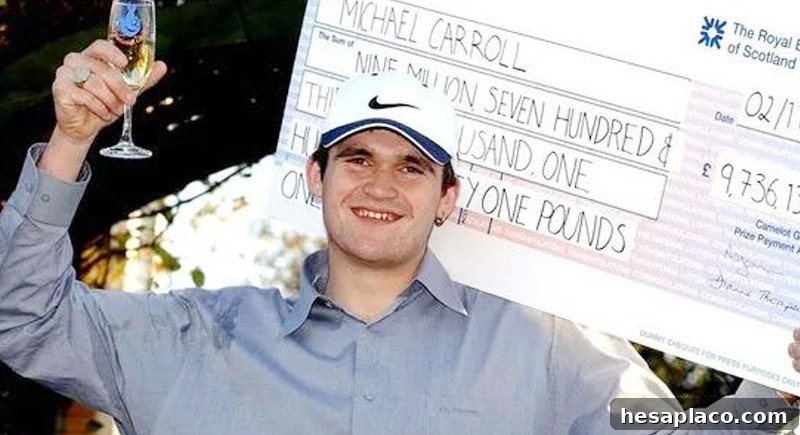
Credit: Reddit
At 19, Michael Carroll won nearly £10 million and quickly spent it on cars, parties, and drugs, becoming a tabloid fixture. Within about five years the money was gone and legal troubles followed. Carroll’s highly publicized downfall became a frequent warning in media coverage about the risks of rapid spending and the social pressures that accompany sudden wealth.
Janite Lee

Credit: SBS
Janite Lee donated substantial sums soon after winning $18 million, gaining praise for supporting political causes and funding a university reading room. Despite that generosity, she accumulated significant gambling losses and credit card debt, ultimately filing for bankruptcy in 2001. Her experience shows that charitable giving and public praise do not always prevent financial collapse when personal spending and liabilities go unmanaged.
These stories illustrate a range of outcomes for lottery winners—from measured, health-driven decisions to destructive spending, legal battles, and personal tragedy. The common lesson is that sudden wealth requires careful planning, trusted advice, and boundaries to protect both finances and relationships.