Some materials command prices so high that even gold seems modest in comparison. They come from deep geological layers, rare biological sources, remote ecosystems, and even high-tech laboratories. Their value reflects extreme scarcity, demanding extraction or production methods, and, in some cases, unique scientific properties that make them nearly irreplaceable. Below is a clearer look at these extraordinary substances and why they fetch such staggering sums.
Iranian Beluga Caviar – $5.50 Per Gram

Credit: iStockphoto
Beluga sturgeon require many years to reach reproductive maturity, which keeps egg supplies tight. Decades of overfishing have further reduced populations, so genuine Beluga caviar is rare and expensive. A small tin from a specialty purveyor can cost as much as a full meal. Buyers are paying for a scarce, high-demand food product derived from a species that is now much harder to find.
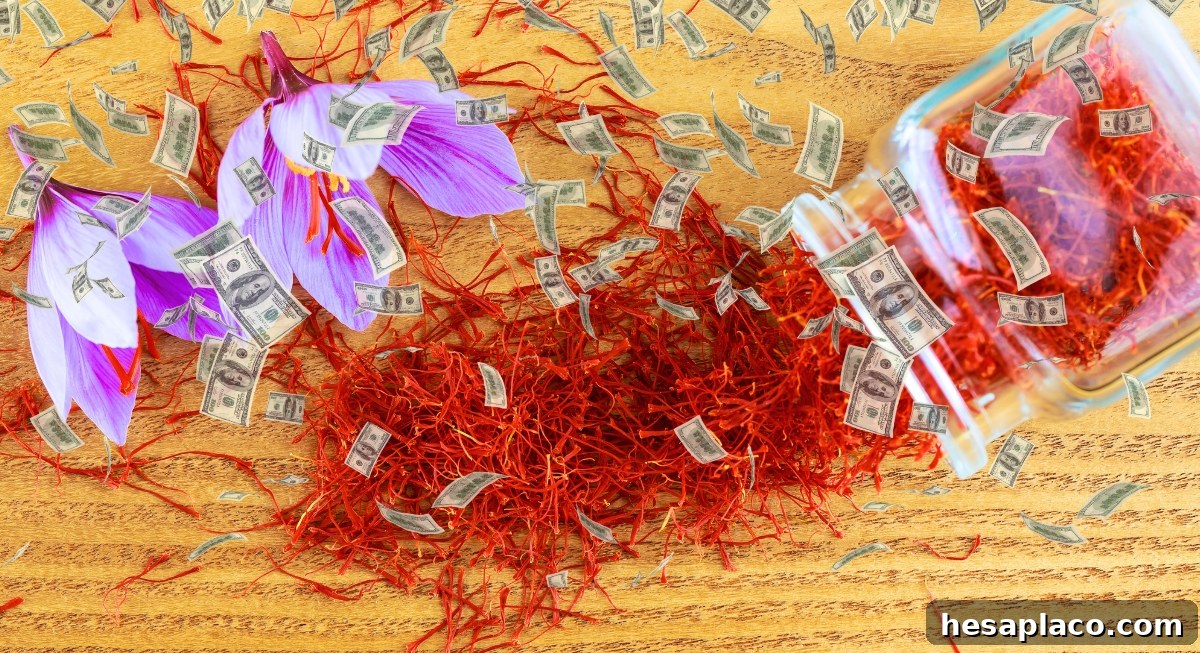
Saffron – Around $20 Per Gram
Credit: Canva
Saffron comes from the tiny stigmas inside each crocus flower, and each flower yields only a few threads. Harvesting is labor-intensive and time-sensitive, which drives up the cost. Beyond its culinary role—imparting vivid color and a distinctive aroma—saffron has traditional uses in remedies and cultural practices. Producing an ounce requires thousands of flowers, which explains why saffron is priced far above common spices.
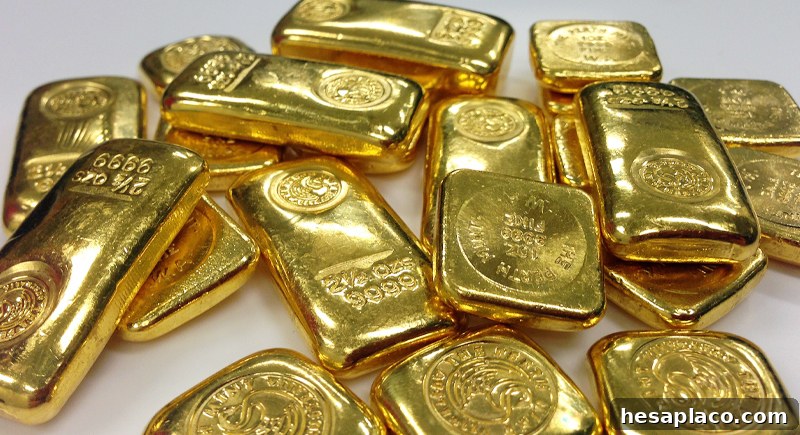
Gold – $87.06 Per Gram
Credit: Wikimedia Commons
Gold remains a globally recognized store of value and a vital industrial metal. Its electrical conductivity, resistance to corrosion, and malleability make it indispensable in electronics, dentistry, and fine jewelry. Market prices rise and fall with global events and investor appetite, but gold consistently ranks among the most valuable everyday commodities. Even edible gold leaf appears in culinary presentations, underscoring its cultural cachet.
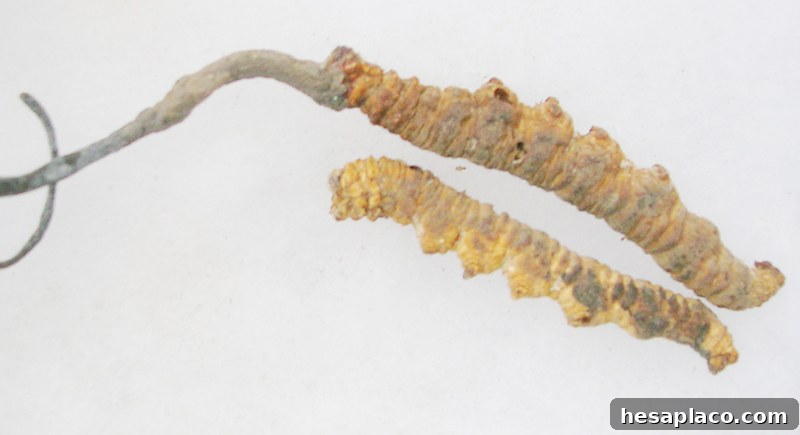
Caterpillar Fungus – Up To $110 Per Gram
Credit: Wikimedia Commons
Known in some regions as a prized medicinal product, caterpillar fungus is a parasitic organism that emerges from caterpillars buried high on Himalayan slopes. Harvesters can spend weeks combing rugged terrain during a brief season to find it. Centuries of traditional use and limited availability keep prices high, and in certain mountain communities, income from harvesting this fungus can make up a large portion of household earnings.
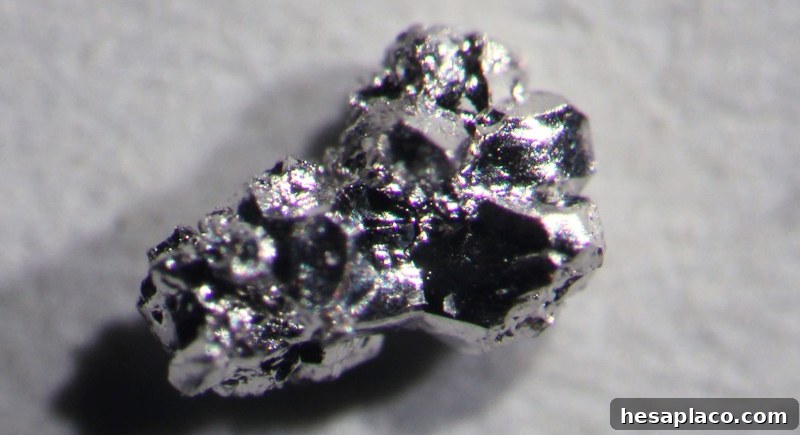
Rhodium – $152.72 Per Gram
Credit: Wikimedia Commons
Rhodium’s rarity and its critical role in emissions control make it especially valuable. Automotive catalytic converters rely on rhodium to reduce harmful nitrogen oxides, and demand from the auto industry drives tight markets. The metal is also highly corrosion-resistant and exceptionally bright, so it is used as a thin plating on fine jewelry to enhance shine and durability.
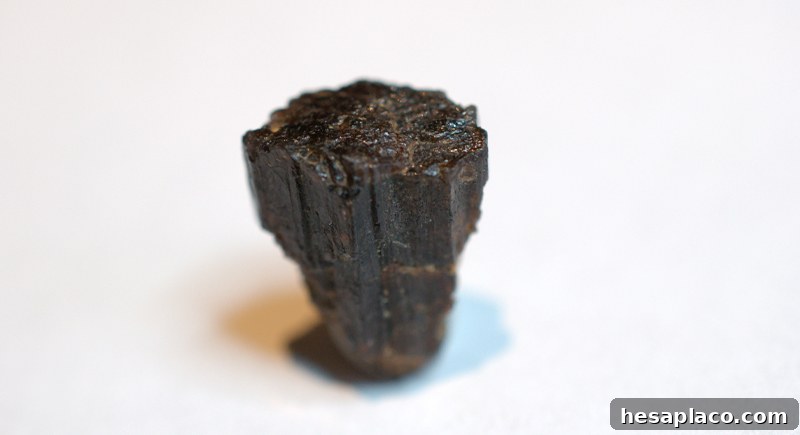
Painite – $300,000 Per Gram
Credit: Wikimedia Commons
For many years painite was known from only a handful of specimens and was even misidentified as other gems. Small deposits discovered in Myanmar increased supply slightly, but painite remains one of the rarest gemstones on Earth. Collectors and jewelers prize even tiny fragments because of the mineral’s extreme scarcity and its place among the world’s most unusual natural gems.
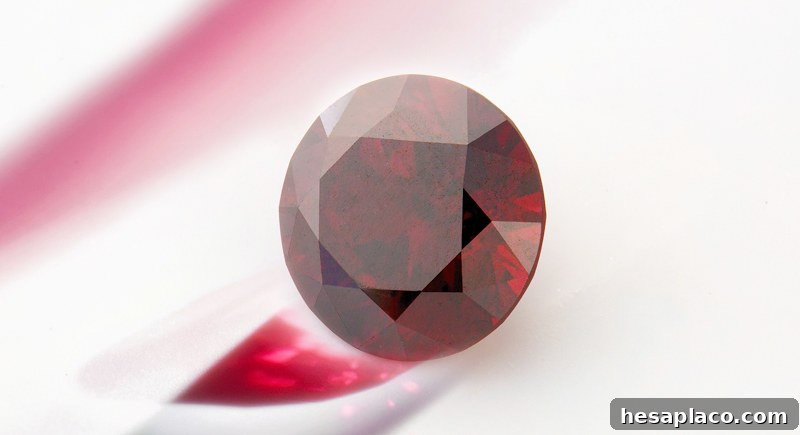
Red Diamonds – $5 Million Per Gram
Credit: Wikimedia Commons
Red diamonds are among the rarest colored diamonds known. Only a few dozen have been documented worldwide, and most are smaller than one carat. The distinct hue likely results from structural anomalies formed during the diamond’s growth, altering how light passes through the crystal. Exceptionally large red diamonds are extraordinarily rare and usually command headline prices at major auctions.
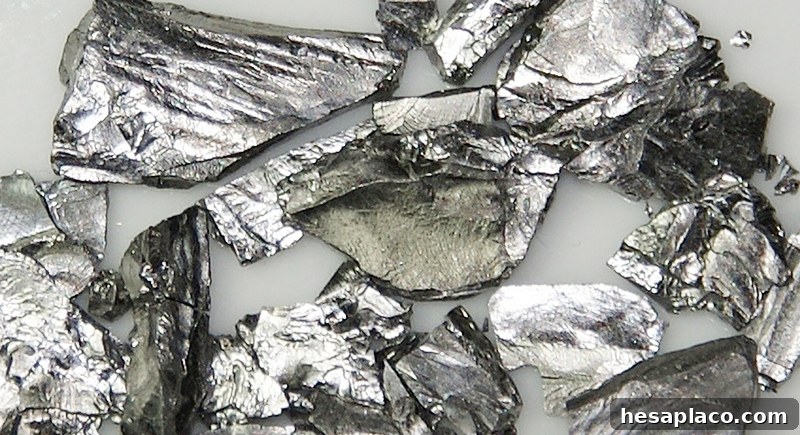
Californium-252 – $27.8 Million Per Gram
Credit: Instagram
Californium-252 is a man-made radioactive element produced in nuclear reactors and available only in minute quantities. Its intense neutron emission makes it useful for starting up reactors, certain medical therapies, and specialized industrial imaging. Production is costly, handling requires heavy shielding and strict safety measures, and demand is limited to specific high-value applications—factors that combine to push its price extremely high.
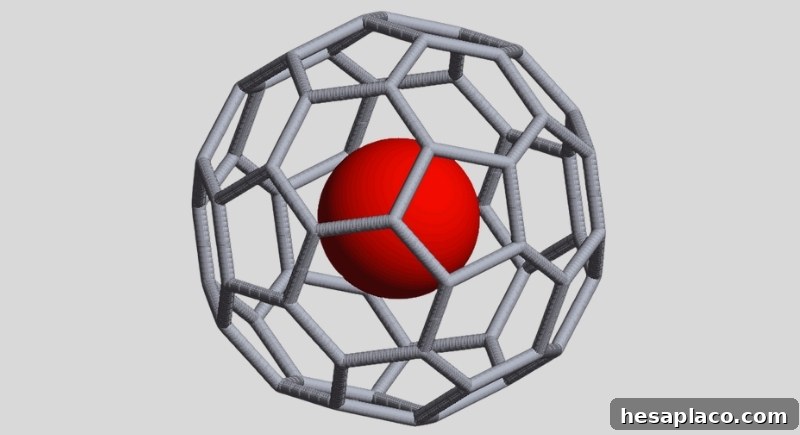
Nitrogen Atom-Based Endohedral Fullerenes – $137 Million Per Gram
Credit: Wikimedia Commons
Endohedral fullerenes trap individual atoms—such as nitrogen—inside a spherical carbon cage. Researchers engineered nitrogen-filled fullerenes to explore ultra-stable quantum and magnetic interactions. The resulting signals are so stable that they may enable a new generation of compact, highly accurate timekeepers and sensors, potentially shrinking atomic-clock technology to fit into small devices. Complex production and tiny yields make these materials exceptionally costly.
Antimatter – $59.8 Trillion Per Gram

Credit: Instagram
Antimatter is produced in particle accelerators in vanishingly small amounts—current annual production is far less than a nanogram. When antimatter meets ordinary matter, the two annihilate and convert their mass into pure energy, which is why antimatter intrigues researchers as a potential high-density energy source for future spacecraft. Containing antimatter requires sophisticated magnetic traps to prevent contact with normal matter; production, containment, and the near-zero yields make antimatter the most expensive substance known.
Together, these materials illustrate the many ways something becomes valuable: extreme rarity, difficult or dangerous collection methods, unique physical or chemical properties, and specialized production technologies. Whether harvested from remote mountains, deep mines, or high-tech labs, each item on this list represents the edge of scarcity and human ingenuity.