
Finding a country with no personal income tax can sound like a clear win, but every nation that forgoes taxing wages does so by relying on other revenue sources or by imposing conditions on residency and citizenship. Some countries lean on oil or gas income, others on tourism and financial services, and many require substantial investment to qualify for long-term residence or citizenship. Below is an updated, SEO-focused overview of 10 countries that do not levy a personal income tax, with clear notes on the trade-offs, residency rules, and practical considerations for each destination.
Bahamas
Credit: Getty Images
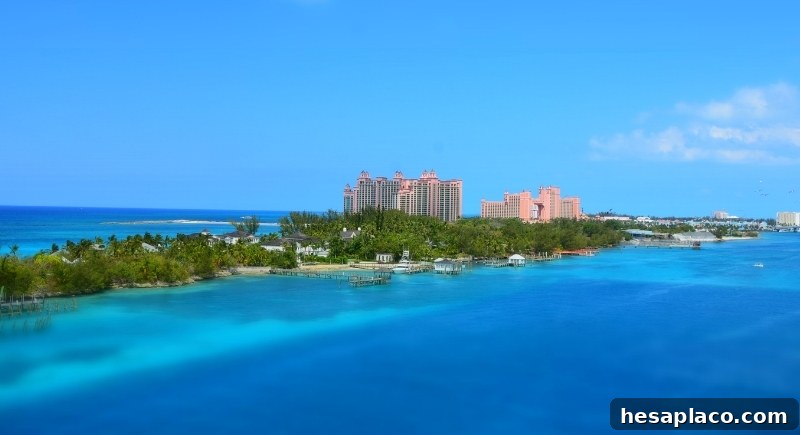
The Bahamas relies heavily on tourism to fund public services, which enables the country to maintain no personal income tax. Temporary residency is relatively affordable—around $1,000 per year—making short- to medium-term stays straightforward. For permanent residency, property investment becomes important: homes valued at $750,000 or more receive faster consideration. The government has tightened rules to discourage purely transient applicants, so prospective long-term residents should plan for meaningful investment or clear ties to the community.
United Arab Emirates
Credit: Getty Images
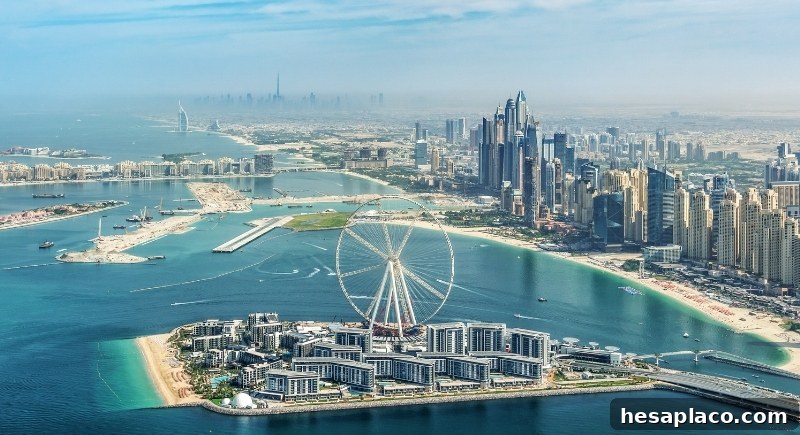
The UAE’s no-income-tax status is a major attraction for expatriates, but tax-free living depends on maintaining a valid residency visa. The country generates revenue from hydrocarbons and an expanding business and tourism sector; a federal corporate tax of 9% applies to certain companies, while personal income remains untaxed. Long-duration visas—such as the 10-year investor visa—are more accessible than in the past, but permanent residency and citizenship remain limited. Expats can enjoy a high standard of living and business-friendly environment so long as they keep their visa status current.
Monaco

Credit: Getty Images
Monaco abolished personal income tax generations ago, making it a magnet for wealthy individuals seeking tax-efficient residency. Gaining residence is straightforward in procedure but requires substantial financial resources, including proof of funds and secure accommodation. The reward is life in one of Europe’s safest, most upscale microstates, with excellent services, security, and a premium lifestyle—but at a significant cost of living.
Cayman Islands
Credit: Getty Images
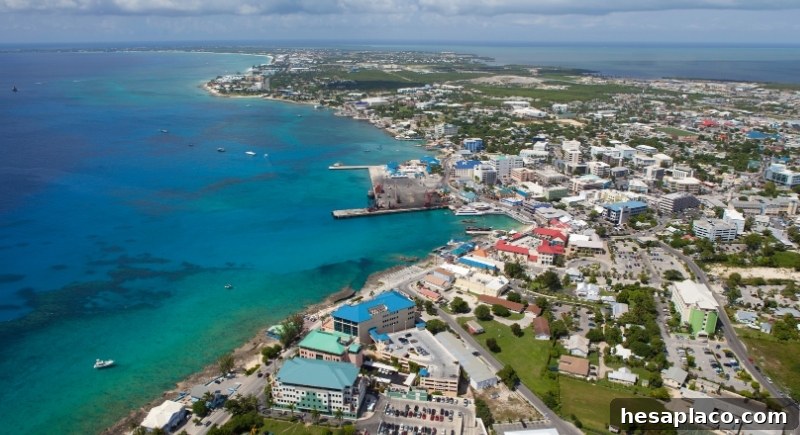
The Cayman Islands have no personal income, capital gains, or inheritance taxes, funding government services largely through tourism and a robust financial services industry. Residency pathways include high-earning employment (minimum annual income requirements), significant local investment (for example, investment options around 1.2 million KYD), or founding a qualifying business. Citizenship is not easily obtained and typically requires extended residence and ongoing financial commitment. Expect a beautiful environment and stable economy, alongside high living costs and strict immigration controls.
Bahrain
Credit: Getty Images
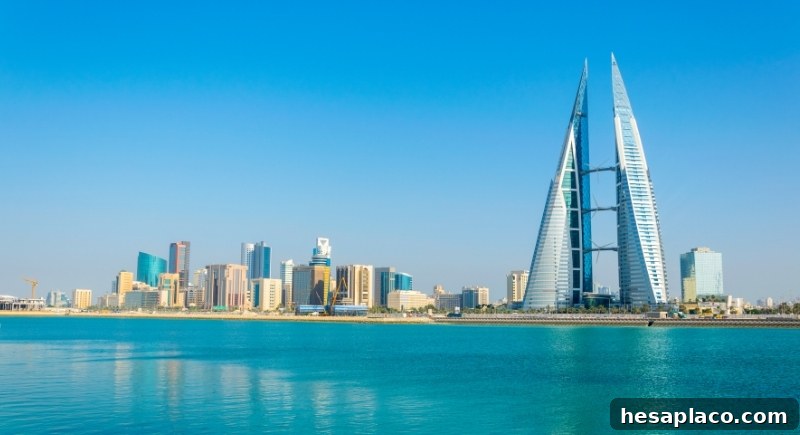
Bahrain uses oil revenue to keep personal income tax off the table, and expatriates commonly settle in urban centers such as Manama. Permanent residence is achievable through financial contribution: property investment thresholds (around BD 50,000) or business investments (around BD 100,000) can support longer-term permits. Full citizenship is rarely granted and typically requires decades of residency and language proficiency, making Bahrain attractive for those seeking tax benefits without expecting a straightforward path to nationality.
Oman

Credit: iStockphoto
Oman similarly forgoes personal income tax, supported largely by oil and gas revenues while pursuing economic diversification. Long-term settlement can be more complicated due to conservative cultural norms and practical requirements—such as specific permits for alcohol purchases and other regulated activities. Investor and business visas are available but often involve detailed and evolving requirements. Newcomers should plan ahead for cultural differences and administrative processes.
Qatar

Credit: Getty Images
With vast natural gas reserves, Qatar does not impose personal income tax and records one of the highest GDPs per capita globally. Although permanent residency options exist, they are limited: extended residency (generally multiple decades) and strong Arabic proficiency are typical prerequisites for the most durable permits. The country offers a modern infrastructure and high public investment, but long-term settlement remains selective.
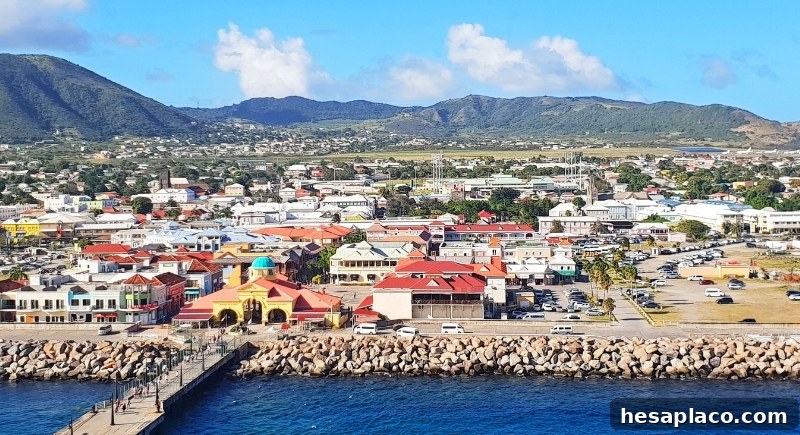
Saint Kitts and Nevis
Credit: Getty Images
Saint Kitts and Nevis offers a straightforward citizenship-by-investment program that appeals to those seeking a second passport and tax advantages. Current investment options typically start with a government donation or an approved real estate purchase, with thresholds commonly in the mid-six-figure range. Once citizenship is granted, residents do not pay personal income tax. The program is one of the clearer, faster routes to tax-free residency and passport benefits, but applicants should evaluate long-term ties and travel logistics.
Bermuda

Credit: Getty Images
Bermuda does not levy a personal income tax, but it effectively collects revenue through payroll taxes and employer contributions that can reduce take-home pay. Visitors may stay for up to six months, and work permits enable extended stays for employees. There is no typical citizenship-by-investment route or open path to indefinite residence for most foreigners, so long-term settlement is limited and usually tied to employment or special arrangements.
Vanuatu

Credit: iStockphoto
Vanuatu supports a tax-free personal income regime through tourism revenue and government fees, and it runs one of the faster and more affordable citizenship-by-investment programs in the Pacific region. The program’s speed and cost can make Vanuatu an attractive option for those seeking quick access to a tax-free domicile or an additional passport. The primary drawback is geography: remote location and limited flight options mean travel can be time-consuming and costly, which may affect the practicality of Vanuatu as a base.
Summary: Countries that do not tax personal income often substitute other revenue streams—natural resources, tourism, financial services, or payroll levies—and many impose financial or residency prerequisites to qualify for long-term stays or citizenship. Anyone considering relocation for tax reasons should weigh local costs of living, residency or investment requirements, cultural and legal conditions, and long-term plans for travel and family before making a move.