
People who grew up before smartphones managed everyday tasks in ways that now feel almost old-fashioned. They relied on memory, simple tools, and hands-on problem solving instead of apps and instant answers.
Many of those habits have faded as faster technology took over. Still, anyone born before 1990 can probably recall a handful of skills they performed automatically, without realizing how much practical knowledge those tasks required.
Fixing Reception with Antennas and a Well-Timed Tap
Credit: Canva
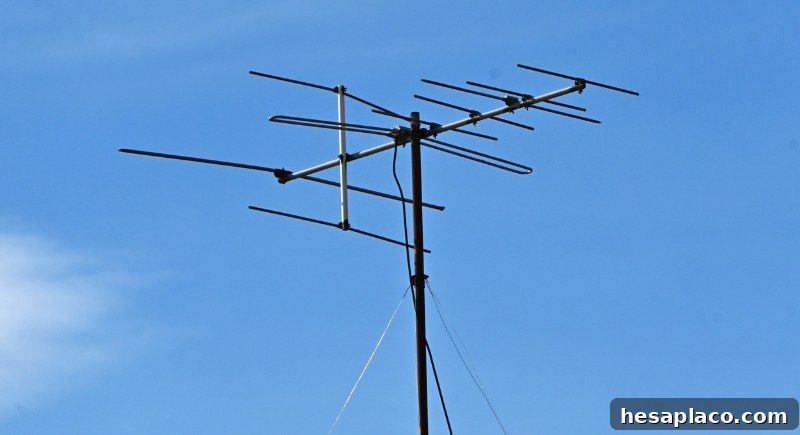
Before remotes had advanced input options and televisions handled signal issues automatically, a poor picture meant hands-on adjustments. People learned to reposition or extend the antenna, change its angle, or move the set to reduce interference. And when nothing else worked, a confident tap on the side of the TV—known as percussive maintenance—often corrected loose contacts or temporarily restored a flaky connection. Early electronics were especially responsive to that kind of mechanical nudge.
Using a Pencil to Repair Cassette Tapes
Credit: Canva
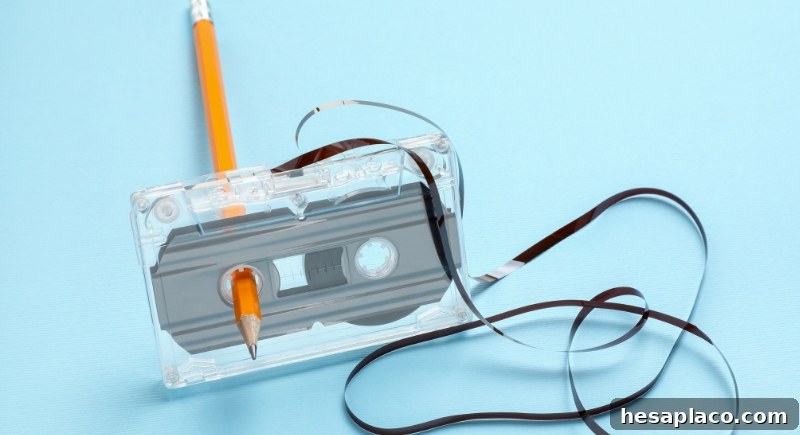
Anyone who used a Walkman knew the pencil trick: when a tape unraveled or got slack, a pencil fit neatly into the cassette reel and let you wind the tape back onto the spool without touching the magnetic strip. It prevented damage and restored playback quickly. That simple, low-tech fix saved countless recordings and became an essential part of cassette-era literacy.
Memorizing Phone Numbers
Credit: Canva
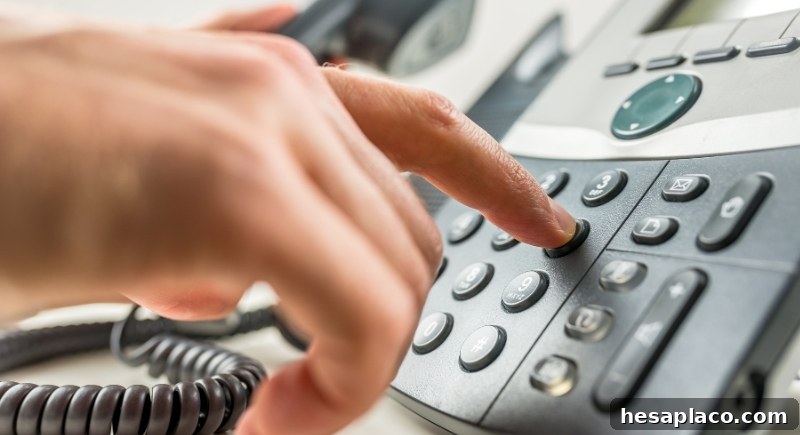
Before smartphones kept contact lists, people stored phone numbers in their heads. Remembering work numbers, relatives’ lines, and close friends’ digits was routine. Today, studies show many smartphone users can’t recall close contacts’ numbers without checking their phone—something that would have been unthinkable in the landline era, when forgetting a number often meant losing touch.
Texting on Keypads Without Looking
Credit: Getty Images
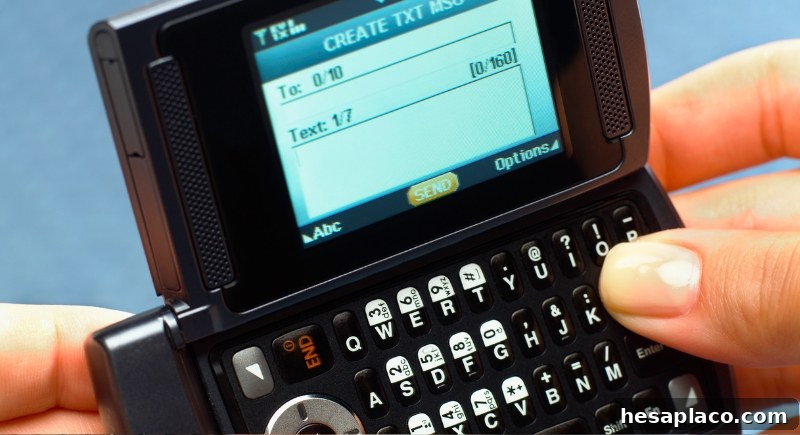
Early mobile messaging required mastering the numeric keypad, where each key represented several letters and you typed by repeatedly pressing a button. People developed muscle memory to peck out words without looking. That skill became obsolete with full keyboards and touchscreens, but for years it defined how many people communicated on the go.
Counting Change During Transactions

Credit: Canva
Cashiers once counted change back to customers aloud, starting from the purchase price and adding coins until they reached the amount tendered. That quick mental math made transactions transparent and minimized errors. Modern point-of-sale systems handle calculations automatically, and some cashiers now hesitate when handed extra coins because the old rhythm of counting change has become unfamiliar.
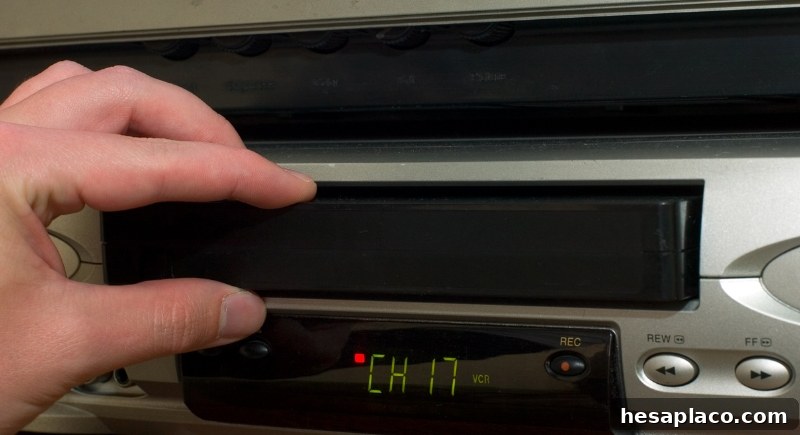
Programming a VCR to Record Shows
Credit: Getty Images
Recording a TV program once required programming a VCR with the correct channel and precise start and stop times, ensuring a blank tape was loaded and rewound. A single mistake could ruin the recording. The process demanded planning and patience, but it was the only practical way to watch shows on your own schedule before DVRs and streaming made the task nearly effortless.
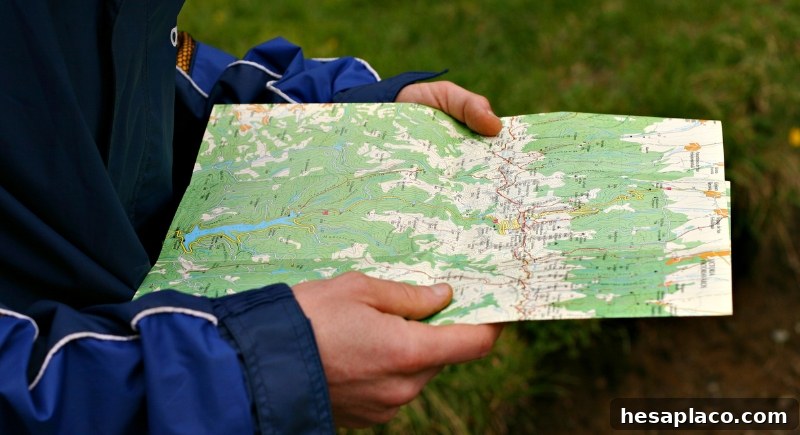
Reading and Refolding Paper Maps
Credit: Getty Images
Printed maps were once the essential navigation tool. They displayed highways, side streets, distances, and landmarks in a single view. Drivers used them to plan routes, estimate travel times, and stay oriented in unfamiliar areas. Folding large maps back into a manageable shape took practice, and treating them with care mattered for long trips.
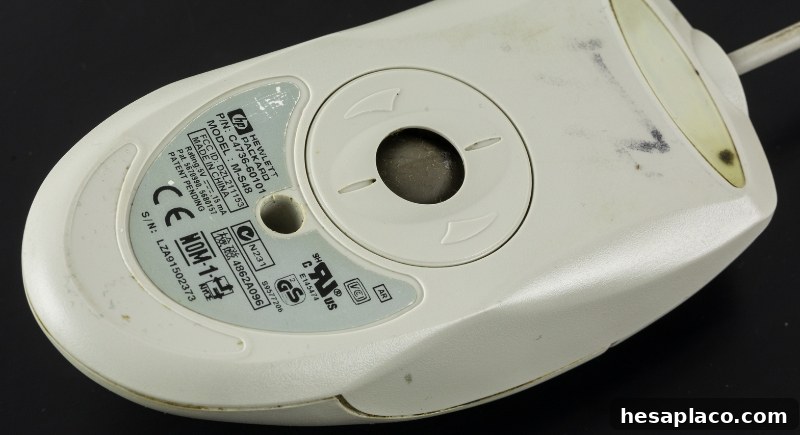
Cleaning the Rollers in a Computer Mouse
Credit: Wikimedia Commons
Users of early computers remember the rubber ball inside mechanical mice. As the ball collected dirt, the cursor began to skip or drag. The remedy was straightforward: open the mouse, remove the ball, and clean the tiny rollers and surrounding cavity. It was a slightly unpleasant but satisfying fix that restored smooth tracking and extended the life of the device.
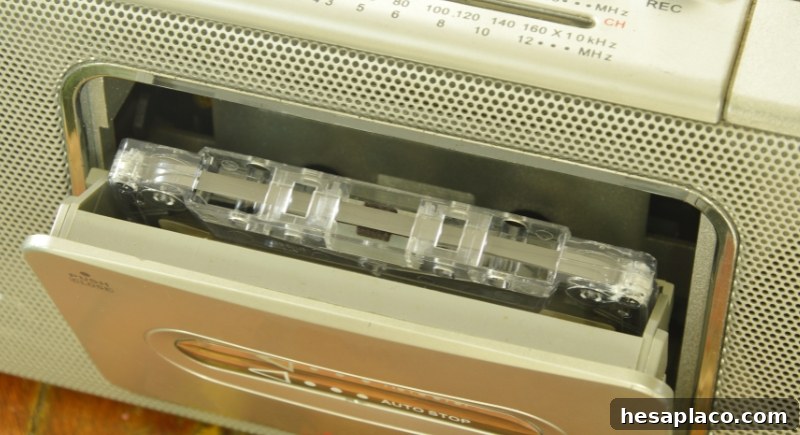
Recording Songs Off the Radio
Credit: Getty Images
Making mixtapes from the radio required timing, patience, and a steady finger on the record button. Listeners kept blank cassettes ready and listened closely for their favorite songs, trying to avoid catching DJ chatter or commercials. Producing a clean recording often took multiple attempts, and those homemade tapes became treasured playlists shared among friends.
Writing in Cursive by Habit

Credit: Getty Images
Cursive handwriting was once a standard expectation rather than a niche skill. Students practiced loops and strokes until their penmanship met classroom standards, and many adults who learned in that era still write in cursive out of habit. It was a daily form of expression that reinforced fine motor skills and left a distinct signature on notes and correspondence.
These everyday techniques reflect a time when people stayed more directly involved in the mechanics of daily life. Some skills have faded because technology simplified or replaced them, but they remain memorable testaments to an era of practical know-how and resourcefulness.