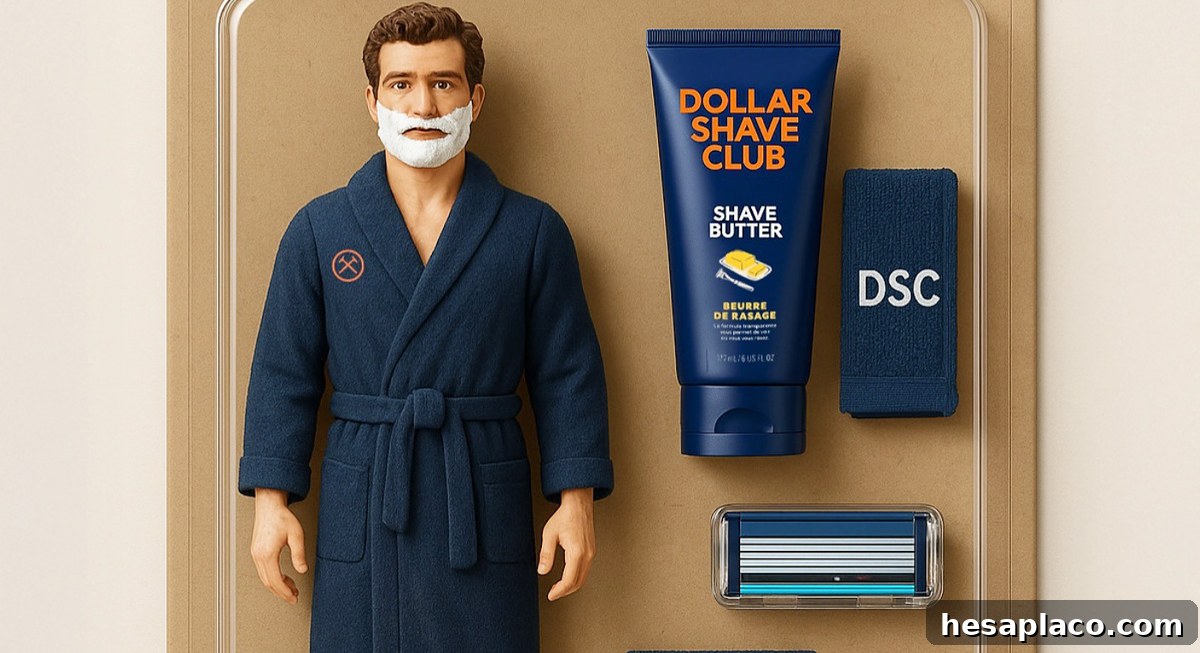
This story centers on a $4,500 video that disrupted a century-old industry and dented the value of a household name. A small startup, armed with sarcasm and a few razors, managed to embarrass one of the world’s most recognizable brands. A single ad, barely two minutes long, played a major role in an $8 billion write-down at Gillette.
The Viral Spark That Changed Shaving
@maxwell_finnThe viral ad that propelled Dollar Shave Club to $1 billion 🪒🤑♬ original sound – Maxwell Finn
In 2012, Michael Dubin stood in a Los Angeles warehouse, suited up and delivering a blunt, humorous pitch about overpriced razors. “Our blades are f***ing great,” he told the camera. The video went live on YouTube, and within 48 hours 12,000 people had signed up. The startup’s servers collapsed under demand, and Dollar Shave Club overnight became a sensation.
The timing was ideal. For decades, Gillette had dominated the market with premium pricing and frequent new blade models. Dollar Shave Club offered a simpler alternative: affordable razors delivered to your door. The message felt authentic, funny, and instantly understandable.
The Underdog Becomes the Disruptor
Dollar Shave Club launched in 2011 with backing from the incubator Science Inc. and quickly attracted venture capital from firms like Andreessen Horowitz and Kleiner Perkins. By 2016, the company had grown to more than 3 million subscribers and drew the attention of Unilever, which purchased it for $1 billion in cash. That’s a remarkable outcome for a business that began with a $4,500 video.
Throughout its growth, Dollar Shave Club maintained the same irreverent tone. Its marketing felt like an inside joke aimed at people tired of inflated razor prices. Gillette, by contrast, clung to a premium image; that distance made the new challenger even more appealing.
Gillette’s Response Backfires
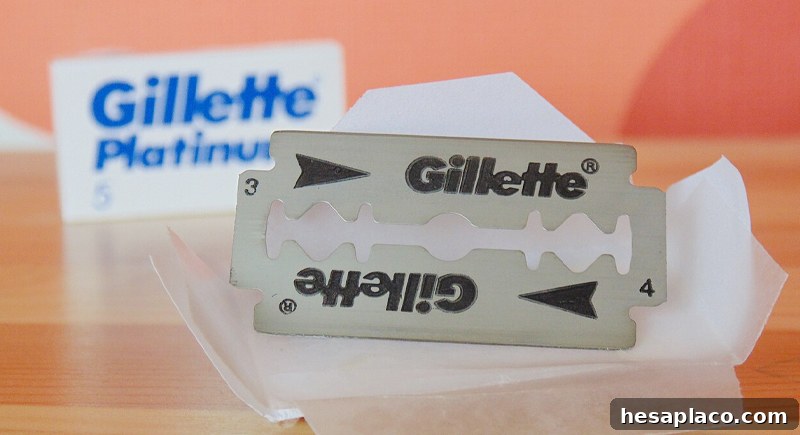
Image via Wikimedia Commons/András Bögöly from Győr, Hungary
At its peak, Gillette controlled more than 70 percent of the U.S. razor market. By 2018, that share had fallen to about 54 percent. The company responded by cutting prices roughly 12 percent and launching its own subscription service, but the momentum had already shifted. In 2019, Gillette released a campaign titled “We Believe,” which addressed toxic masculinity and urged men to “be better.”
Although the campaign aimed to spark positive change, many longtime customers perceived it as a lecture. The backlash was swift and visible: social media-fueled boycotts and viral clips of people discarding razors circulated widely. Within months, Gillette’s parent company, Procter & Gamble, recorded an $8 billion impairment charge tied to the brand. Analysts attributed that write-down to both the misfired campaign and years of eroding market share.
Rewriting the Rules
Dollar Shave Club’s rise exposed how vulnerable even dominant brands can be when consumer preferences shift. Shoppers had grown weary of paying premium prices for marginal product changes. Dollar Shave Club delivered what consumers wanted: convenience, straightforward pricing, and a brand voice that resonated.
By the time Gillette tried to reposition itself, many customers had already migrated to more convenient, value-driven alternatives. Today, Dollar Shave Club remains a prominent direct-to-consumer brand in the U.S., selling through subscriptions and appearing on retail shelves in thousands of stores. A two-minute video shot in a warehouse helped change the tone and economics of an entire industry.