Every brand seeks to earn customer trust, but few succeed in keeping it. Rising costs, declining service, or lapses in integrity quickly erode goodwill, and consumers remember. The companies below have become focal points for frustration—shaped by scandals, missteps, and repeated complaints that have damaged their reputations.
Spirit Airlines
Credit: Wikimedia Commons
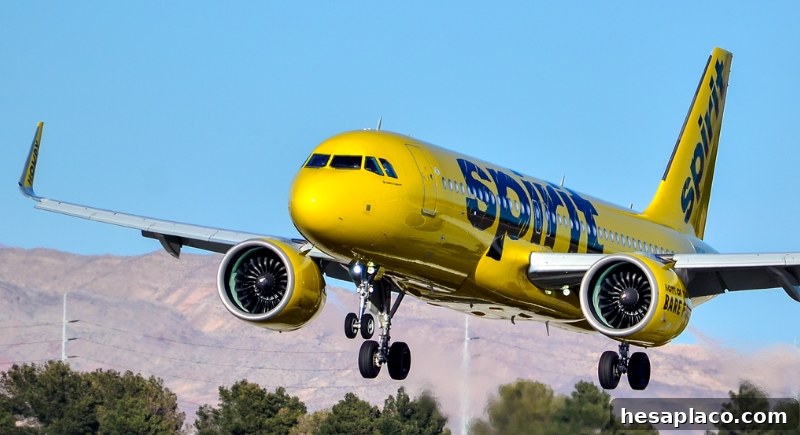
Spirit built a business around ultra-low fares, but customers often say that nearly every extra—seat assignments, carry-on space, and more—comes with an added fee. Service breakdowns and mass cancellations, notably the widespread disruptions in 2021, amplified complaints and left many travelers feeling the airline prioritizes cost-cutting over customer experience.
Meta (Facebook)
Credit: pexels
Privacy concerns have shadowed Meta since revelations like the Cambridge Analytica episode exposed large-scale data harvesting. Beyond privacy, critics point to the platform’s role in amplifying misinformation and fostering toxic interactions. Many argue Meta holds disproportionate influence over public discourse while lacking sufficient transparency and accountability.
Comcast
Credit: Wikimedia Commons
Frequent complaints about hidden charges, poor customer service, and long hold times plague Comcast. High-profile incidents—such as an account being altered to include offensive language—spread quickly and highlight how experiences can go viral. In many regions Comcast’s dominant market position leaves customers with few alternatives.
FTX
Credit: Canva
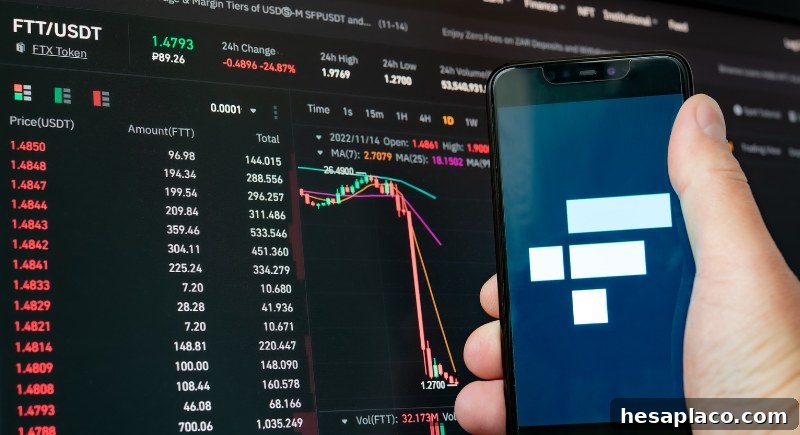
FTX rose quickly with heavy promotion and celebrity endorsements but collapsed spectacularly in 2022 after revelations of mismanagement and missing customer funds. The downfall and subsequent legal fallout turned its founder into a cautionary example of unchecked hype and poor governance, costing investors billions.
Shein
Credit: Wikimedia Commons
Shein’s global fast-fashion model has made trendy clothing extremely affordable, but the brand has faced repeated allegations: copying designers’ work without permission, unsafe or exploitative labor practices, and products containing hazardous chemicals. While low prices attract shoppers, environmental groups and consumer advocates warn of social and ecological costs.
Fox News
Credit: Wikimedia Commons
Fox News has faced intense scrutiny for its coverage and editorial decisions, culminating in a $787 million settlement with Dominion Voting Systems in 2023 over false claims. While the network retains a loyal viewership, critics maintain that repeated factual errors and partisan slant have eroded its credibility with wider audiences.
Tesla
Credit: pexels
Tesla is praised for driving electric-vehicle adoption, but it also faces complaints about inconsistent build quality, software glitches, and unmet production promises. Controversy around Autopilot’s capabilities and safety claims, combined with CEO Elon Musk’s polarizing public behavior, has made some buyers cautious despite Tesla’s strong brand recognition.
Wells Fargo
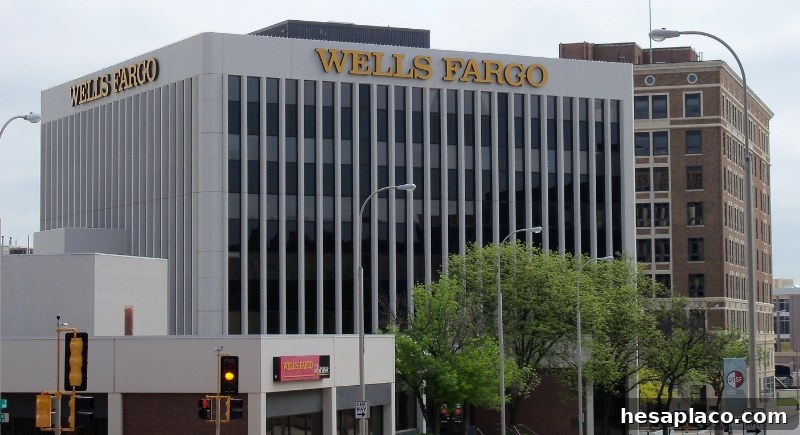
Credit: Wikimedia Commons
Wells Fargo’s reputation suffered severely after the 2016 revelations that employees opened millions of unauthorized accounts to meet sales targets. Subsequent investigations exposed long-running misconduct, including improper credit card applications and insurance charges. Heavy fines and executive turnover followed, but the bank’s trust deficit persists.
Disney
Credit: Wikimedia Commons
Once synonymous with family entertainment, Disney now finds itself at the center of political and cultural debates. Critics from different sides accuse the company of either capitulating to political pressure or embracing ideological stances. Controversies over responses to state-level policy disputes and leadership decisions have left parts of its audience disillusioned.
Johnson & Johnson
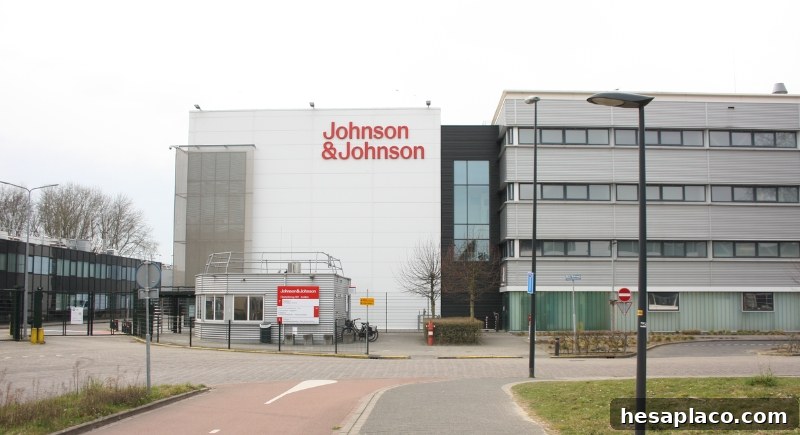
Credit: Wikimedia Commons
Johnson & Johnson has faced thousands of lawsuits alleging that talc-based baby powder contained asbestos and caused cancer. The company has consistently disputed those claims, yet prolonged litigation and large settlement agreements—totaling billions—have damaged public perception and raised questions about product safety and corporate responsibility.
Twitter (X)
Credit: pexels
Since Elon Musk’s acquisition and the rebranding to X, the platform has undergone rapid change. Staff reductions, shifting verification policies, and feature rollbacks prompted criticism from users and advertisers. Many feel the site’s reliability and user experience have declined amid operational upheaval.
OpenAI
Credit: pexels
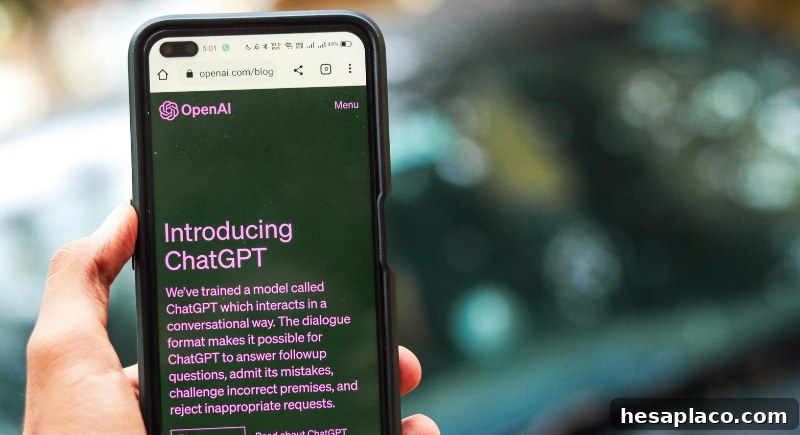
OpenAI has been central to advances in generative AI, but the company has drawn criticism over safety practices, transparency, and pressure to release powerful tools quickly. Former employees and outside experts have expressed concerns about responsible deployment and how the technology’s rapid adoption might disrupt jobs, education, and social interactions.
Anheuser-Busch
Credit: Wikimedia Commons
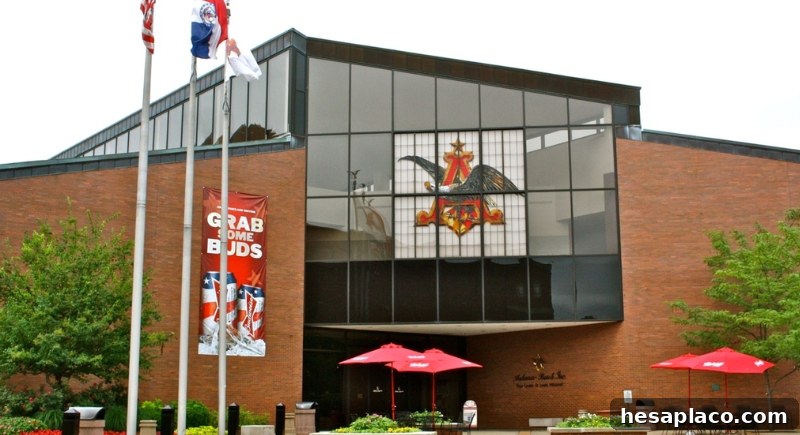
A promotional partnership featuring transgender influencer Dylan Mulvaney triggered a high-profile backlash for Anheuser-Busch. The reaction split consumers along political lines, provoked boycotts, and dented sales in the short term. The episode illustrates how brand partnerships can trigger intense public debate in today’s polarized climate.
BP

Credit: Wikimedia Commons
The 2010 Deepwater Horizon disaster remains a defining crisis for BP. The massive oil spill devastated marine ecosystems and coastal economies, and BP’s early communications and some executives’ comments were widely criticized as tone-deaf. The environmental and reputational damage from the incident continues to shape perceptions of the company.
Dollar General
Credit: Wikimedia Commons
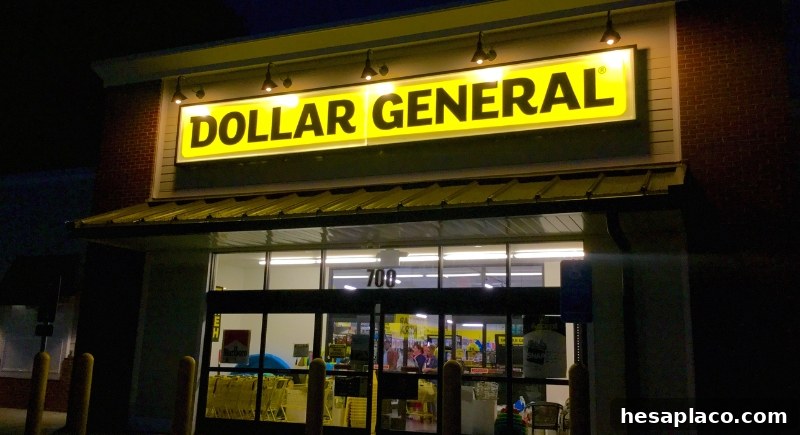
Dollar General’s rapid expansion into underserved neighborhoods has generated criticism alongside convenience. Concerns include low wages, store safety violations, and a pattern of aggressive growth that some say harms local retail ecosystems. Workers and community advocates have raised repeated complaints about working conditions and corporate practices.
Trust is fragile. For companies large and small, repairing a damaged reputation requires sustained transparency, meaningful policy changes, and consistent customer-focused behavior. Without those efforts, even well-known brands risk remaining synonymous with missteps rather than the values they once pledged to uphold.