
Architecture evolves with time and often reflects what communities value. Commercial buildings can convey a corporation’s identity or products, and the motivations behind striking or “iconic” architecture vary—from a desire to be the tallest, grandest, or most innovative, to simply creating something distinctive.
While attributes such as tallest, oldest or most expensive are easy to measure, the designation of “most impressive” in each state can be subjective. The following 51 commercial buildings stand out for unique features, memorable design, or intriguing histories. Not every structure is universally admired—some have drawn criticism and even appeared on lists of unpopular or “ugly” buildings—but each contributes character to its environment. Some serve as single-company headquarters, while many host multiple tenants and functions.
Alabama: RSA Battle House Tower
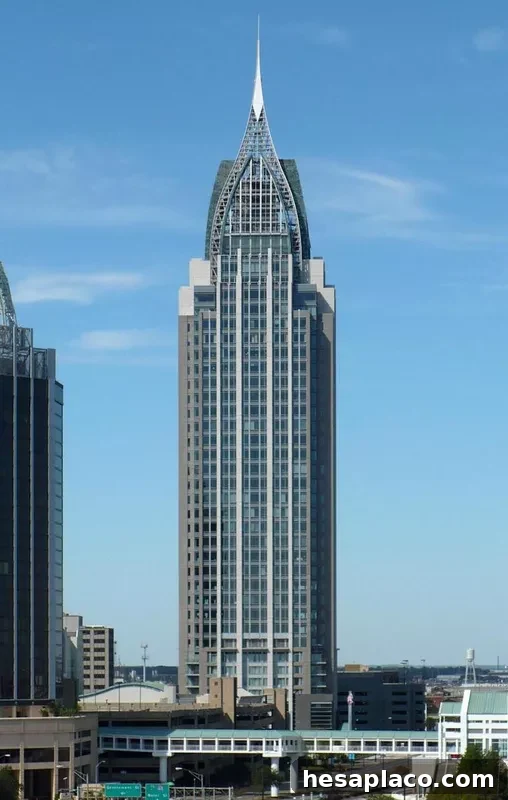
Altairisfar / Wikimedia Commons
City: Mobile
Year built: 2006
Height: 745 feet
Square footage: 466,684
Architect: Thompson, Ventulett, Stainback & Associates, Inc.
Notable tenant: International Shipholding Corp.
At 745 feet, the RSA Battle House Tower is Alabama’s tallest building and the tallest on the U.S. Gulf Coast outside Houston. Named for the adjacent Battle House Hotel, which was restored and integrated into the project, the 35-story postmodern tower includes hotel levels, three lobby floors and 25 office floors. A spire installed by helicopter crowns the tower; its illuminated crown can be seen from miles away. Owned by the Retirement Systems of Alabama (RSA), the building is highly occupied.
Alaska: JL Tower
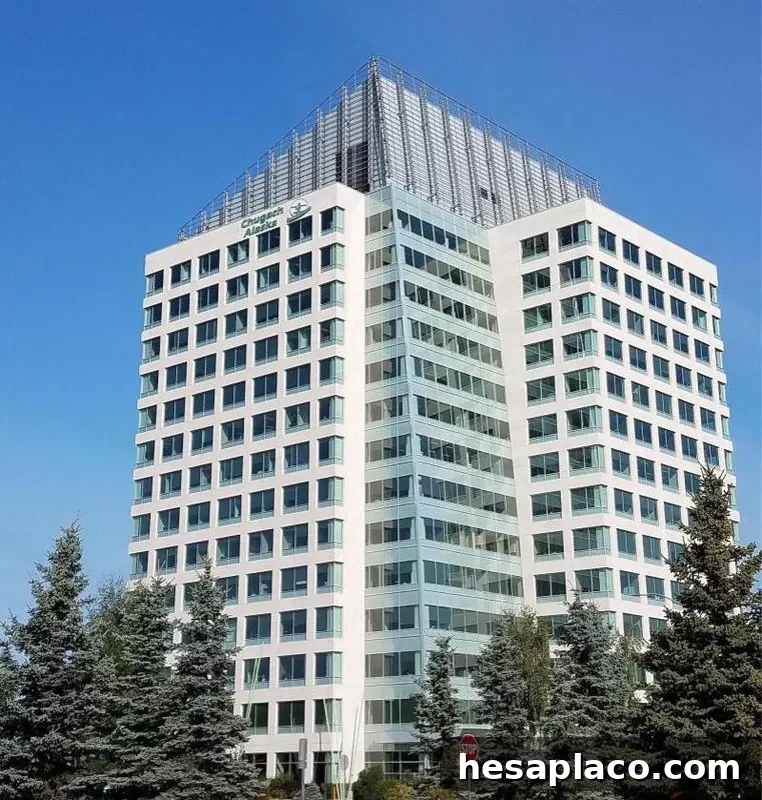
Fsdbb3 / Wikimedia Commons
City: Anchorage
Year built: 2008
Height: 226 feet
Square footage: 300,000
Architect: RIM Architects
Notable tenant: AE Solutions
The 14-story JL Tower offers 360-degree views of Anchorage and incorporates a distinctive rooftop grill system and upward-pointing lighting that visually adds to its height. It was the first privately owned LEED-certified building in the state; builders prioritized recycled and responsibly sourced materials throughout construction.
Arizona: Luhrs City Center
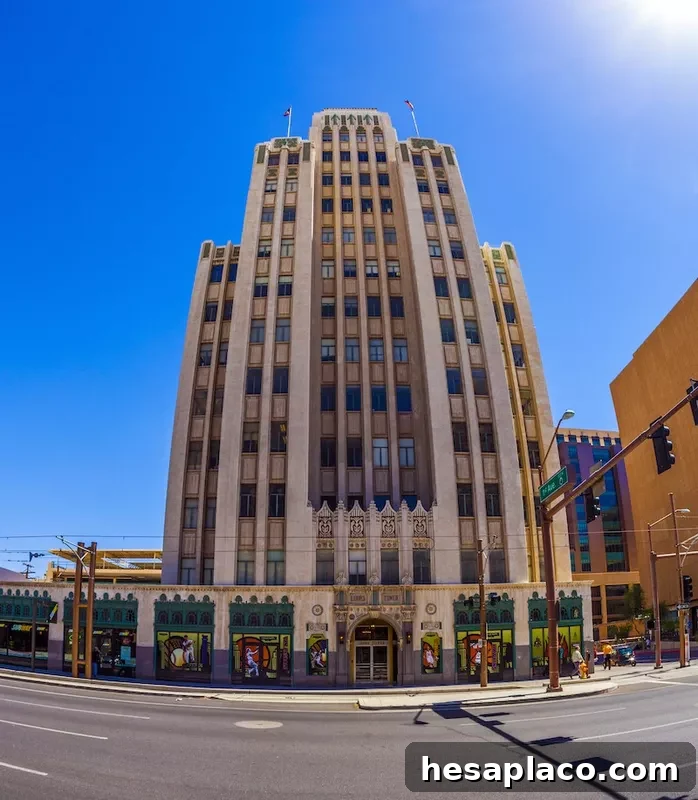
Getty Images
City: Phoenix
Year built: 1929
Height: 185 feet
Square footage: 157,735
Architect: Trost & Trost
Notable tenant: High Tide
Luhrs City Center includes the Luhrs Building and Luhrs Tower, the city’s earliest skyscrapers. The Tower, with its Art Deco and Spanish Colonial influences, was long among the Southwest’s tallest and retains symmetrical setbacks on the 8th and 11th floors. Restored and modernized, the complex is a National Historic Landmark and was featured in the film Psycho.
Arkansas: Simmons Tower
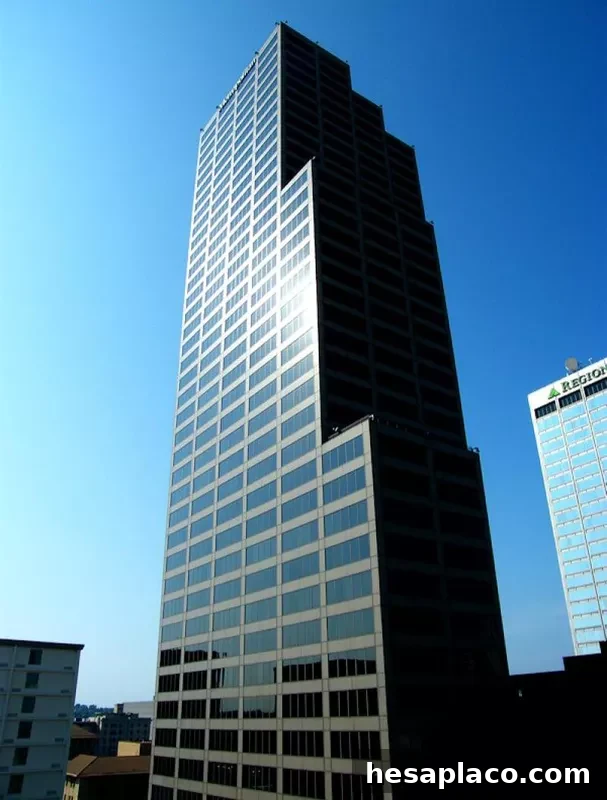
Cameron Bartlett / Wikimedia Commons
City: Little Rock
Year built: 1986
Height: 546 feet
Square footage: 624,996
Architect: Harwood K. Smith & Partners
Notable tenant: Simmons Bank
Originally the Capitol Tower, this state-high landmark has undergone several name changes tied to major tenants. Illuminated exterior lighting and programmable LEDs accentuate its presence at night. Simmons Bank acquired the building in 2014 and the tower remains a prominent feature of Little Rock’s skyline.
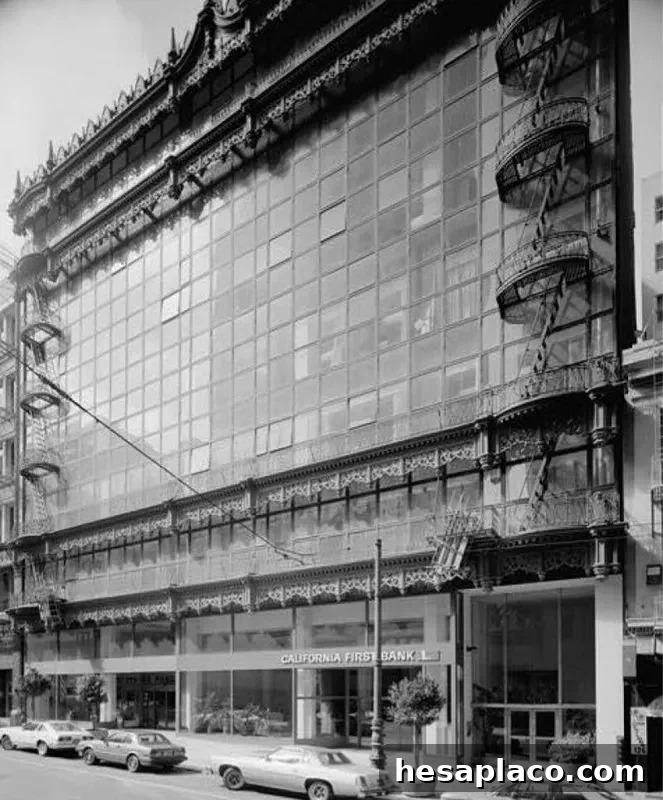
California: Hallidie Building
Library of Congress
City: San Francisco
Year built: 1918
Height: 130 feet
Square footage: 92,000
Architect: Willis Polk & Company
Notable tenant: American Institute of Architects (San Francisco chapter)
When constructed, the Hallidie Building’s glass-walled elevation was pioneering in the United States. Delicate iron ornamentation supports what appears to be floating glass facades, blending Gothic and period detailing with an early modern emphasis on transparency. A major restoration in 2013 preserved its landmark status in San Francisco.
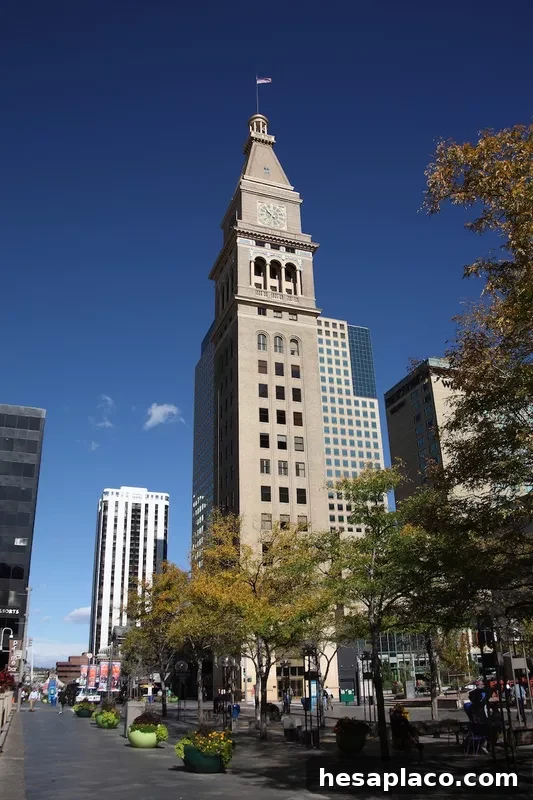
Colorado: Daniels & Fisher Tower
Getty Images
City: Denver
Year built: 1910
Height: 330 feet
Square footage: 400,000
Architect: Frederick G. Sterner
Notable tenant: Lannie’s Clocktower Cabaret
Modeled on Venice’s St. Mark’s Bell Tower, the Daniels & Fisher Tower features four 16-foot clock faces and a heavy bell. Once the tallest structure between the Mississippi and California, it survived demolition of the department store it once fronted and was renovated for mixed residential and office use. The restored Seth Thomas clock and observation deck remain popular attractions.
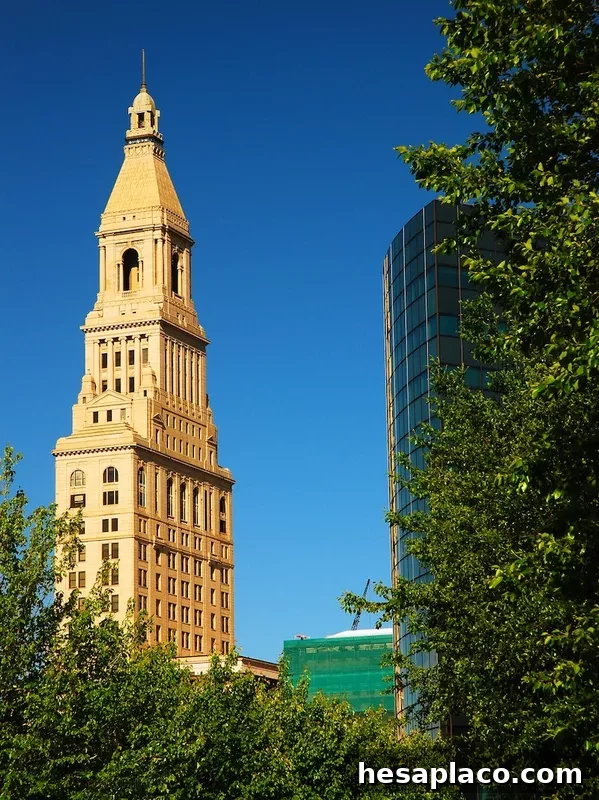
Connecticut: Travelers Tower
Getty Images
City: Hartford
Year built: 1919
Height: 527 feet
Square footage: 230,000
Architect: Donn Barber
Notable tenant: Travelers Insurance
This Renaissance Revival tower once ranked among the world’s tallest buildings. Though the tower comprises 24 visible stories, its structure integrates with adjacent buildings and is often described as having additional levels. Peregrine falcons nesting at the summit have been a local point of interest.
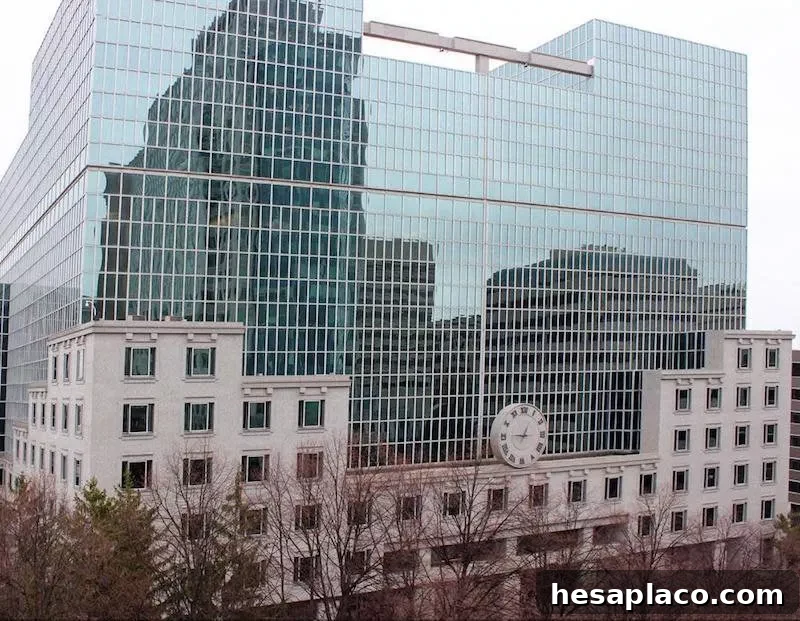
Delaware: Hercules Building
visitwilmingtonde.com
City: Wilmington
Year built: 1983
Height: 200 feet
Square footage: 500,000
Architect: Kohn Pedersen Fox Associates
Notable tenant: Wilmington Stock Exchange
Named for its original tenant Hercules Inc., the postmodern Hercules Building introduced forward-looking office concepts when it opened, including widespread use of cubicle offices and an interior atrium featuring thousands of plants and a dramatic 100-foot waterfall.
Florida: Bacardi Complex
Getty Images
City: Miami
Year built: 1963
Height: 91 feet
Square footage: 84,925
Architect: Enrique Gutierrez
Notable tenant: YoungArts
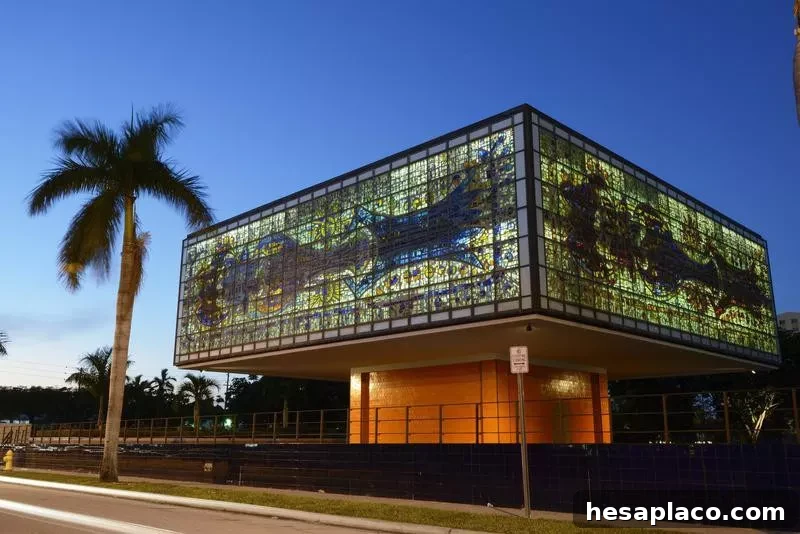
The Bacardi Complex blends a conventional glass façade with striking tile-clad sides: 28,000 handmade tiles by Brazilian artist Francisco Brennand create a distinct textured appearance. A later annex features a hammered-glass mosaic depicting rum production. The complex was listed on the National Register of Historic Places in 2018.
Georgia: The Flatiron Building

John Amis / AP Photo
City: Atlanta
Year built: 1897
Height: 158 feet
Square footage: 40,000
Architect: Bradford Lee Gilbert
Notable tenants: Microsoft Innovation Center, Women’s Entrepreneurship Institute
Originally the English-American Building, Atlanta’s Flatiron earned its nickname from its triangular footprint. As the city’s second skyscraper and its oldest surviving high-rise, the 11-story structure is listed on the National Register of Historic Places and remains an architectural landmark.
Hawaii: First Hawaiian Center
Wikipedia
City: Honolulu
Year built: 1996
Height: 429 feet
Square footage: 645,834
Architect: Kohn Pedersen Fox Associates
Notable tenant: First Hawaiian Bank
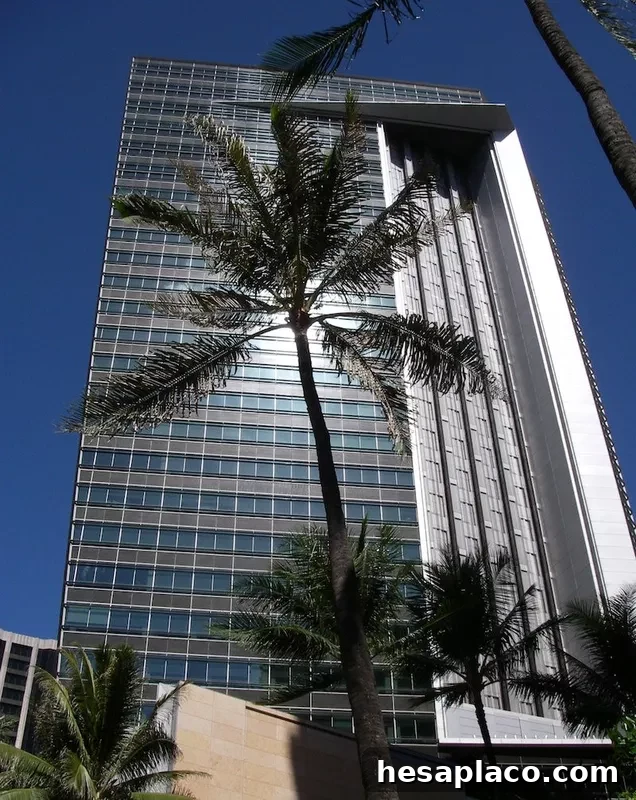
The First Hawaiian Center, headquarters of the state’s oldest bank, was designed to respect Hawaii’s landscape. The makai (ocean-facing) side features horizontal louvers while the mauka (mountain-facing) elevation emphasizes vertical proportions. Several floors are home to the Honolulu Museum of Art Spalding House, making the tower a cultural as well as financial hub.
Idaho: Zions Bank Building
Getty Images
City: Boise
Year built: 2014
Height: 327 feet
Square footage: 400,000
Architect: Babcock Design Group
Notable tenant: Zions Bank
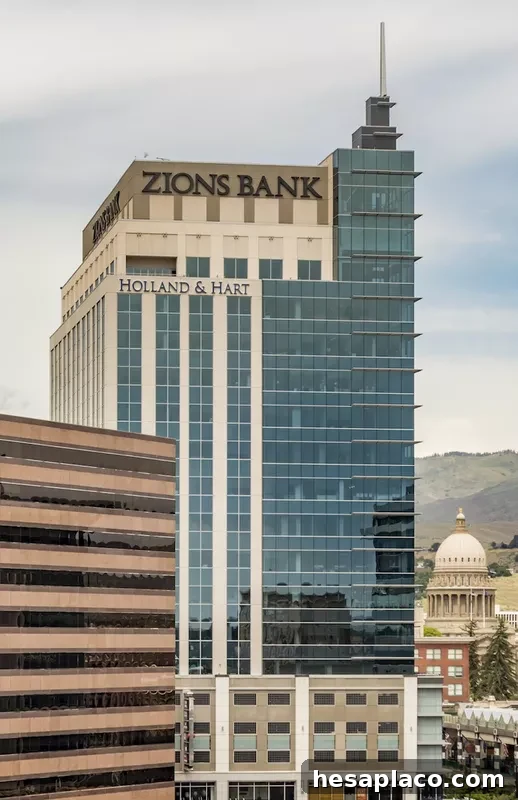
Built years after a fire destroyed the site’s previous structure, this 18-story tower blends Art Deco, contemporary and postmodern details. The lower floors respect the local streetscape while upper levels shift to glass, stone and steel. A 45-foot spire makes it marginally taller than the neighboring US Bank Building, and its opening included public festivities and performances.
Illinois: The Willis Tower
Getty Images
City: Chicago
Year built: 1974
Height: 1,451 feet
Square footage: 4,500,000
Architect: Skidmore, Owings & Merrill LLP
Notable tenants: Willis Group, United Airlines
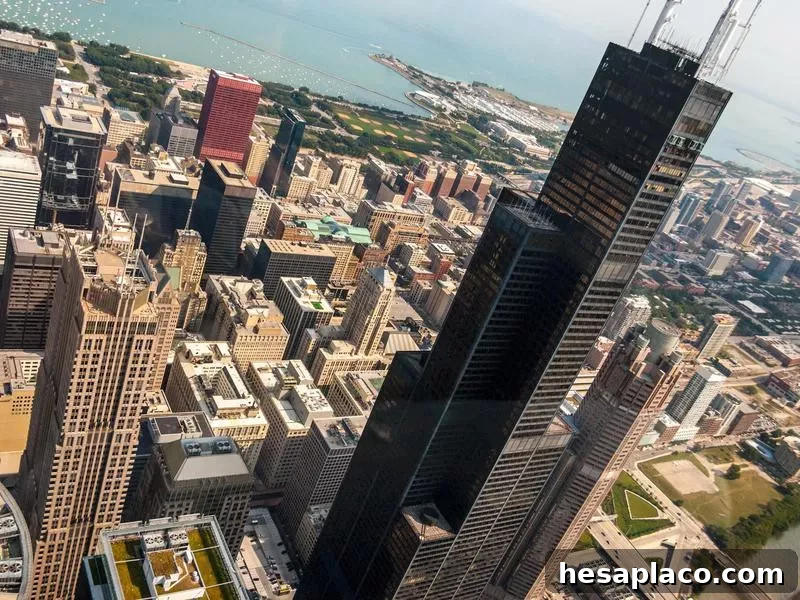
Formerly the Sears Tower, the Willis Tower was the world’s tallest building for nearly 25 years and remains Chicago’s tallest. Its Skydeck draws more than a million visitors annually, offering sweeping views across several states on clear days.
Indiana: Salesforce Tower
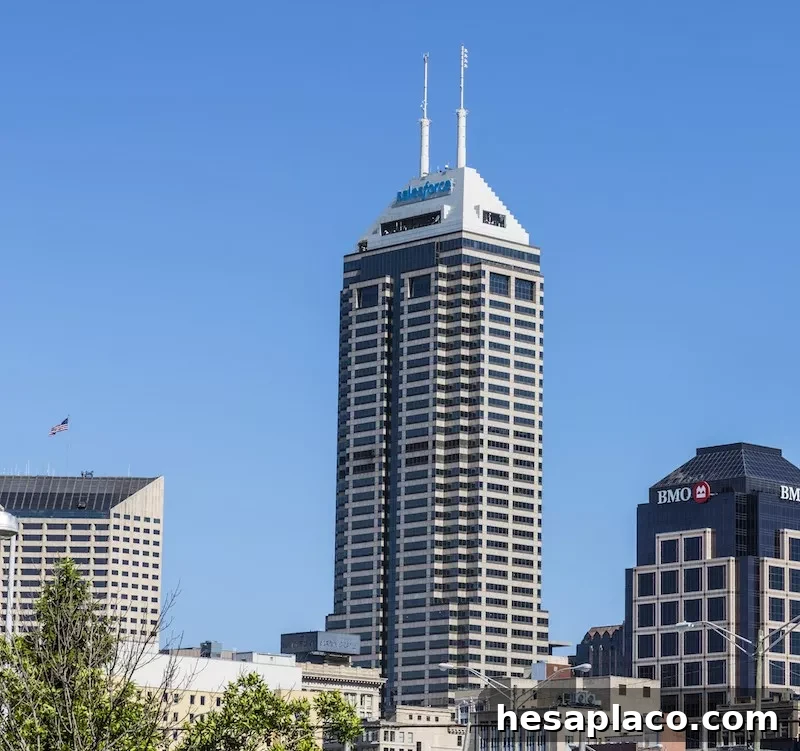
Getty Images
City: Indianapolis
Year built: 1990
Height: 811 feet
Square footage: 714,000
Architect: The Stubbins Associates
Notable tenant: Salesforce
Originally known as the American Fletcher Tower, Salesforce Tower is Indiana’s tallest building. The majority of floors serve retail and office uses, while the uppermost levels house communications equipment. The building took the Salesforce name in 2016 when the company moved in.
Iowa: 801 Grand
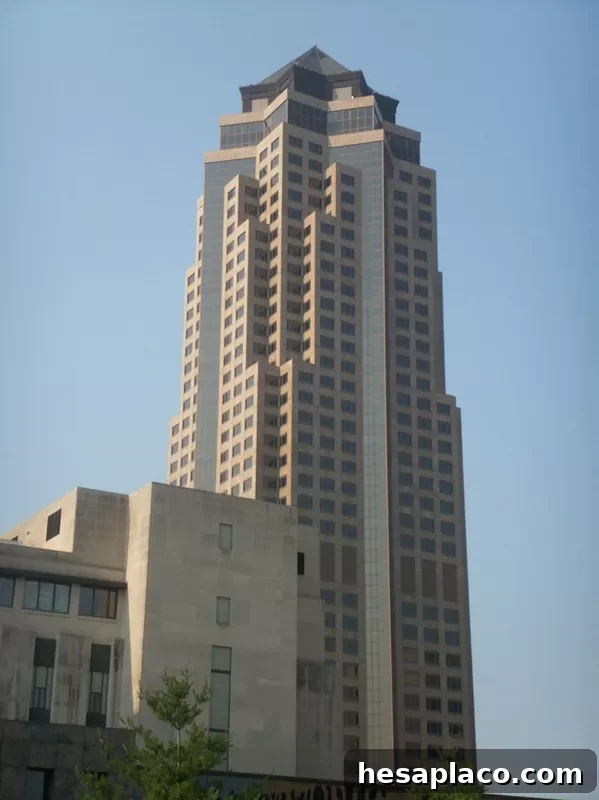
Wikimedia Commons
City: Des Moines
Year built: 1991
Height: 630 feet
Square footage: 970,000
Architect: Hellmuth Obata & Kassabaum
Notable tenant: Principal Financial Group
Known by its address, 801 Grand is Iowa’s tallest building. Its copper-covered roof was intended to develop a verdigris patina, but regional conditions instead left the metal a darker tone. Connected to the downtown skywalk system, the building is recognized among the state’s most significant 20th-century structures.
Kansas: Epic Center
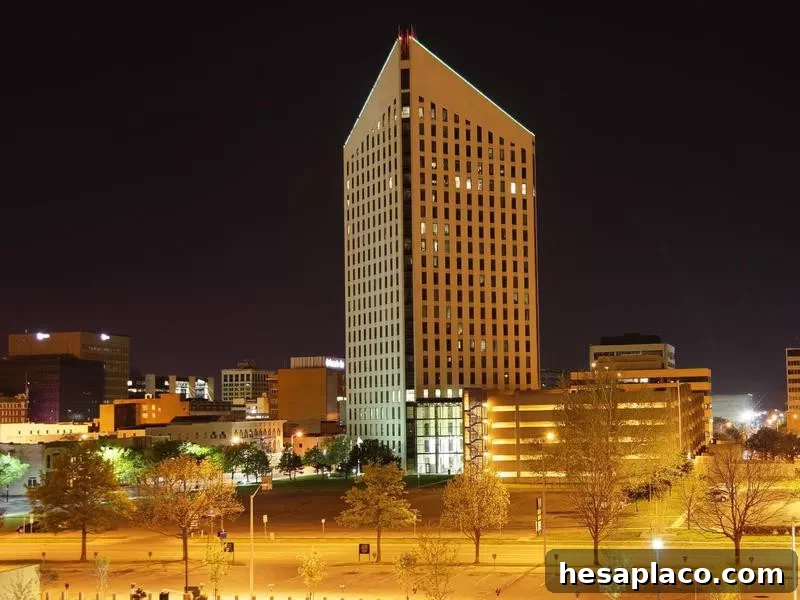
Getty Images
City: Wichita
Year built: 1987
Height: 385 feet
Square footage: 329,690
Architect: Platt, Adams, Braht, Bradley & Associates
Notable tenant: Gilliland & Hayes, PA
The Epic Center’s sloped roof was designed to evoke a sail or kite, a nod to Wichita’s breezy climate. Initially planned as a two-tower complex, only one tower was built due to market demand; it now houses professional offices and government tenants.
Kentucky: The Kaden Tower
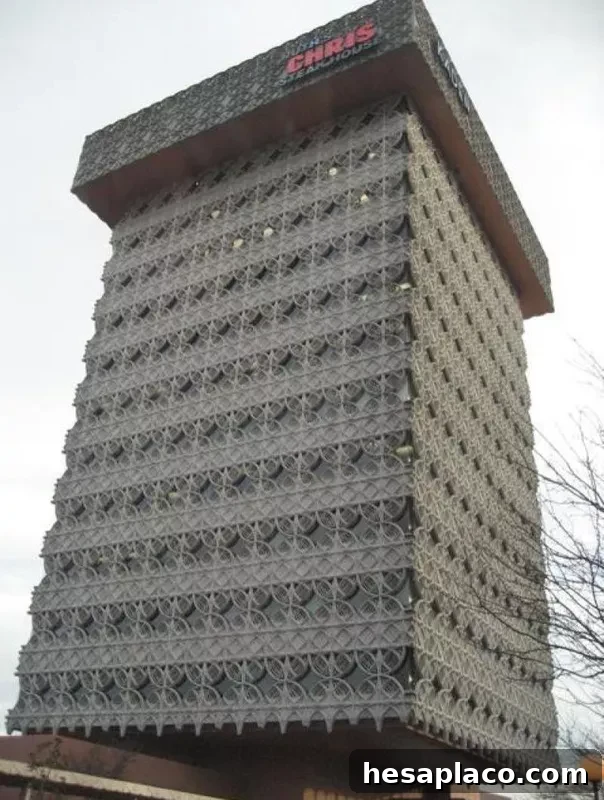
Wikipedia
City: Louisville
Year built: 1966
Height: 197 feet
Square footage: 115,530
Architect: William Wesley Peters
Notable tenant: Ruth’s Chris Steak House
Designed by William Wesley Peters, a protégé of Frank Lloyd Wright, the Kaden Tower (originally Lincoln Tower) uses exterior grillwork to shade windows while preserving views. At night, interior illumination transforms the façade into a lantern-like glow. Its daring design stirred mixed reactions when it opened.
Louisiana: Hibernia Bank Building
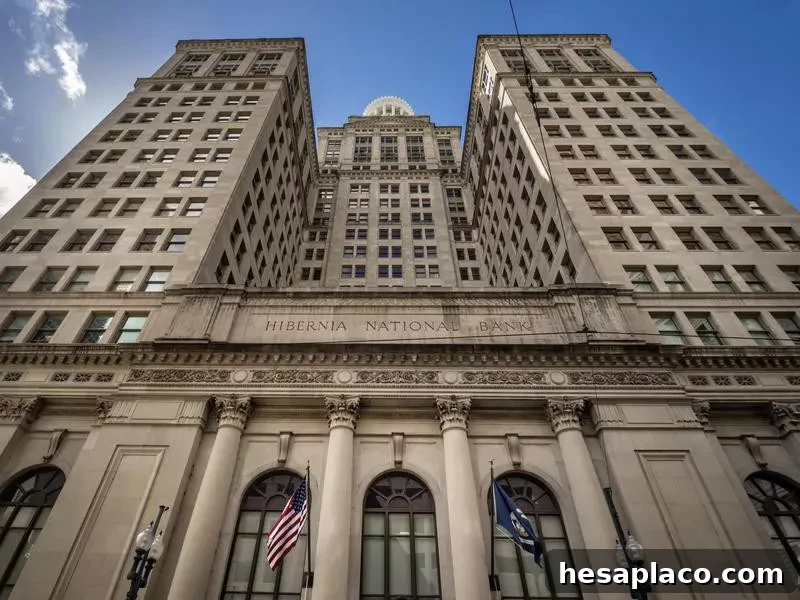
Getty Images
City: New Orleans
Year built: 1921
Height: 355 feet
Square footage: 41,500 (office and retail)
Architect: Favrot and Livaudais
Notable tenant: HRI Properties
This Beaux Arts skyscraper once topped New Orleans’ skyline. Its defining element is a classical cupola reminiscent of a Greek temple; historically its light served as a navigation aid for river traffic. Today the tower is illuminated seasonally and houses commercial offices and luxury residences.
Maine: Time & Temperature Building
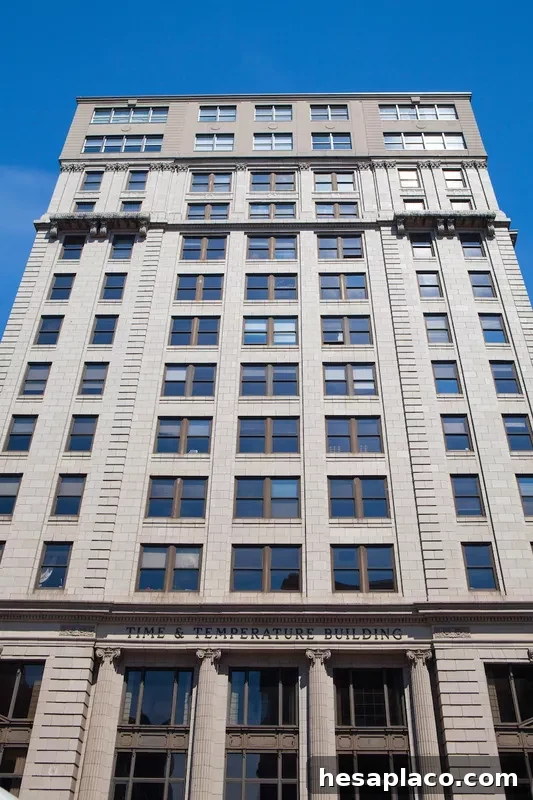
Getty Images
City: Portland
Year built: 1924
Height: 174 feet
Square footage: 157,492
Architect: Herbert W. Rhodes
Notable tenant: Law Offices of Joe Bornstein
Once Portland’s Chapman Building, the structure gained local fame for its rooftop flashing time-and-temperature sign installed in the 1960s. The sign has been used for civic messages, and annually the building lights blue to raise funds for charitable causes.
Maryland: Bank of America Building
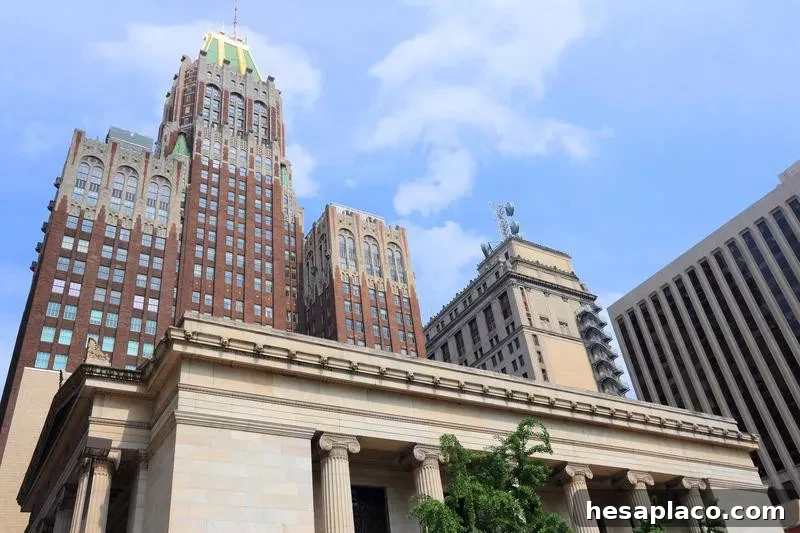
Getty Images
City: Baltimore
Year built: 1929
Height: 509 feet
Square footage: 350,000
Architect: Taylor and Fisher
Notable tenant: Gables Residential
The Art Deco 10 Light Street, formerly the Baltimore Trust Company Building, displayed ornate Romanesque carvings and a copper-and-gold roof. Built just before the Great Depression, it changed hands and uses over decades and was converted to residential apartments, reopening in 2015.
Massachusetts: John Hancock Tower
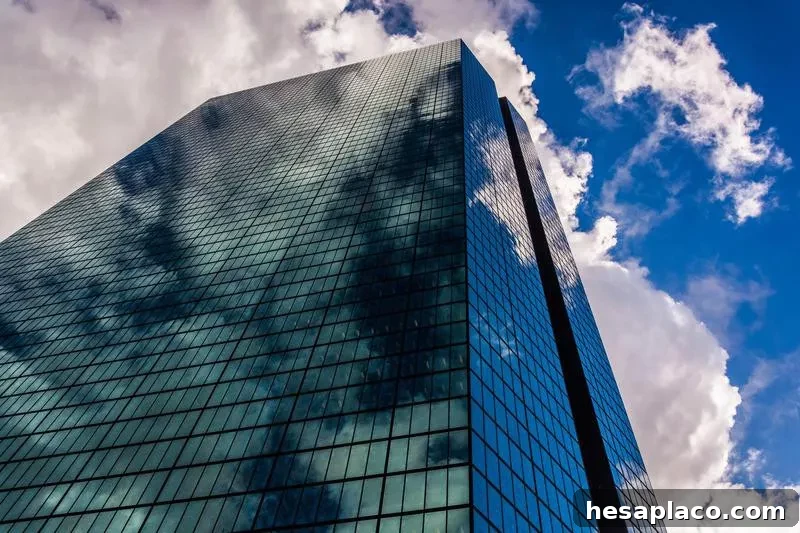
Getty Images
City: Boston
Year built: 1976
Height: 790 feet
Square footage: 2,799,973
Architect: Henry N. Cobb
Notable tenant: Bain Capital
The sleek glass John Hancock Tower (now 200 Clarendon) is New England’s tallest building. Early construction issues with glass panels and sway required significant remediation, but the tower remains an emblem of modern Boston design.
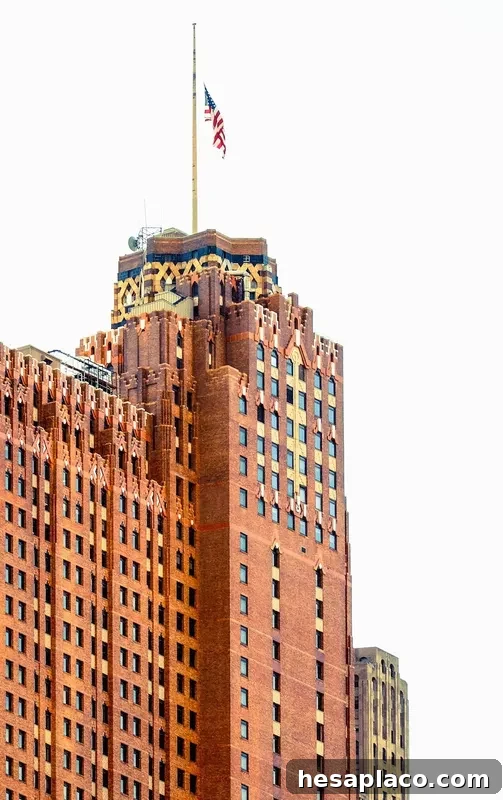
Michigan: The Guardian Building
Getty Images
City: Detroit
Year built: 1929
Height: 496 feet
Square footage: 643,000
Architect: Wirt C. Rowland
Notable tenant: Detroit Land Bank Authority
The Guardian Building’s exuberant Art Deco design blends brick, tile, limestone and terra cotta and earned it the nickname “Cathedral of Finance.” When completed it was the tallest masonry structure in the world and later became a National Historic Landmark.
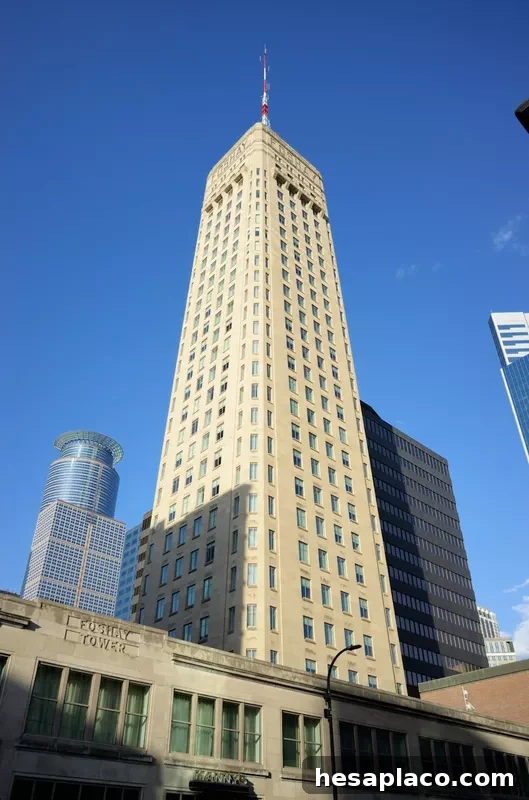
Minnesota: Foshay Tower
Getty Images
City: Minneapolis
Year built: 1929
Height: 607 feet
Square footage: 271,326
Architect: Magney & Tusler Inc.
Notable tenant: Starwood Hotels & Resorts Worldwide
Conceived as a monument to its developer Wilbur Foshay, the Foshay Tower drew inspiration from the Washington Monument and features a tapered, stepped design. After financial reversals during the Depression, the building eventually found new life and was converted into a W Hotel while retaining its observation deck.
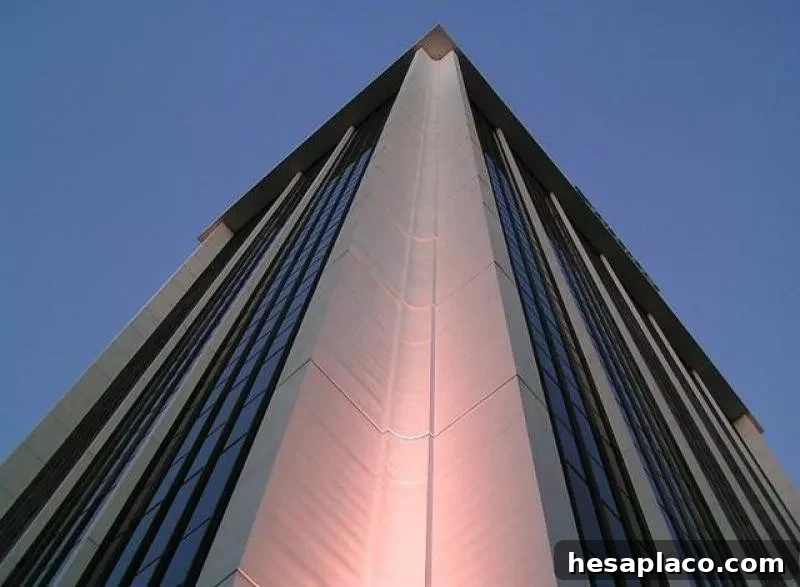
Mississippi: Regions Plaza
Wikipedia
City: Jackson
Year built: 1975
Height: 318 feet
Square footage: 335,000
Architect: Thomas E. Stanley
Notable tenant: Foreman Watkins
This 22-story glass-and-stone tower is the tallest on the I-20 corridor between Birmingham and Shreveport and offers panoramic city views from its upper floors, which are home to law firms and health-system offices.
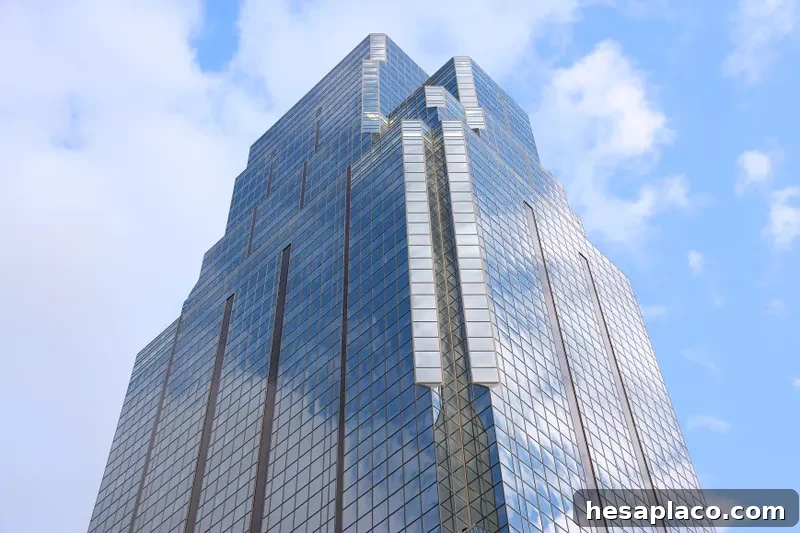
Missouri: One Kansas City Place
Getty Images
City: Kansas City
Year built: 1988
Height: 623 feet
Square footage: 1,300,000
Architect: Patty Berkebile Nelson & Immenschuh
Notable tenant: Ernst & Young
Intended as the centerpiece of a larger mixed-use development, One Kansas City Place remains Missouri’s tallest building. Its illuminated crown is often lit in patriotic colors or to celebrate local events.
Montana: First State Bank of Chester
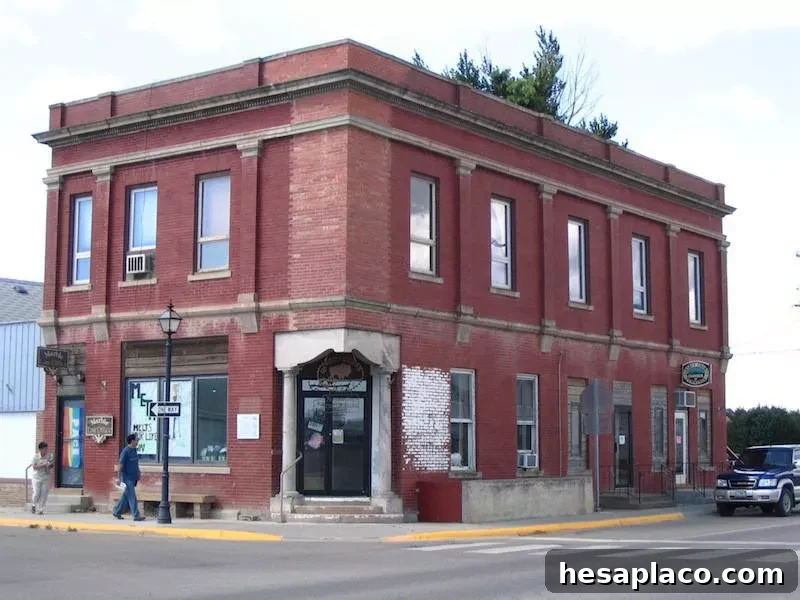
Wikipedia
City: Chester
Year built: 1909
Height: Two stories
Architect: R.T. Frost
Notable tenant: Private
This Neo-Classical red-brick bank opened just before Chester’s incorporation and was considered the town’s grandest building. Though the bank closed in 1920, many original interior features—including oak doors, woodwork, pressed metal ceilings and the vault—remain preserved in the building now listed on the National Register of Historic Places.
Nebraska: First National Bank Tower
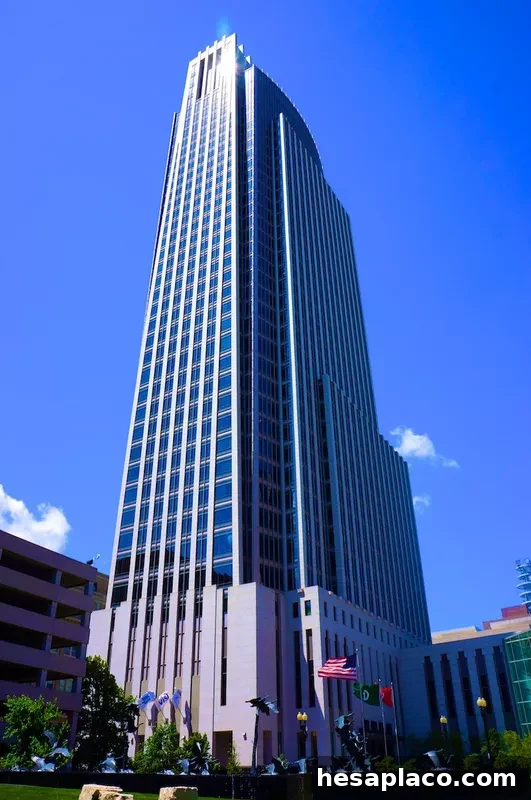
Wikipedia
City: Omaha
Year built: 2002
Height: 634 feet
Square footage: 729,998
Architect: Leo A. Daly Architects
Notable tenant: First National Bank of Nebraska
Designed to be the state’s tallest building, this tower narrowly surpasses nearby competitors in height. It hosts community events such as the Trek up the Tower stair climb and features dynamic nighttime lighting that changes seasonally.
Nevada: Two Summerlin Office Building
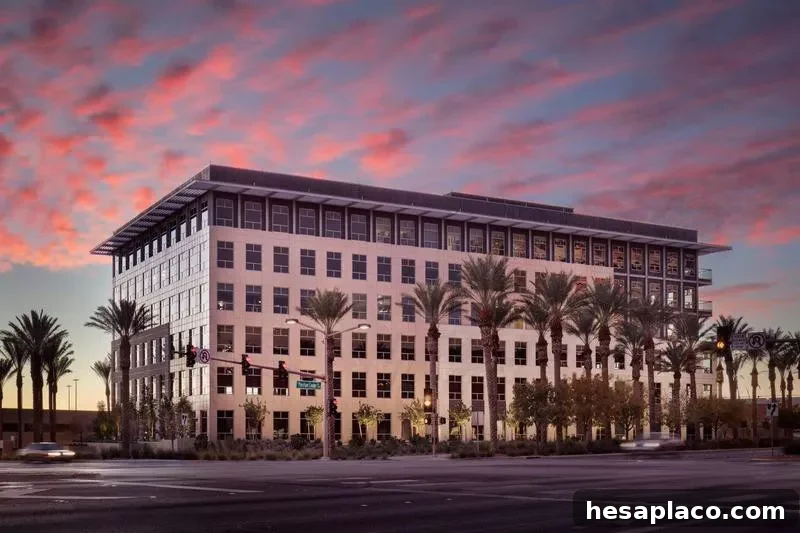
summerlin.com
City: Summerlin
Year built: 2018
Height: Six stories
Square footage: 153,000
Architect: Ed Vance & Associates Architects
Notable tenant: WeWork
With a custom-molded precast concrete exterior, Two Summerlin integrates with its master-planned neighborhood and achieved LEED Silver certification. Its design emerged from a competitive process and earned awards for its material innovation and sustainable features.
New Hampshire: Service Credit Union Headquarters
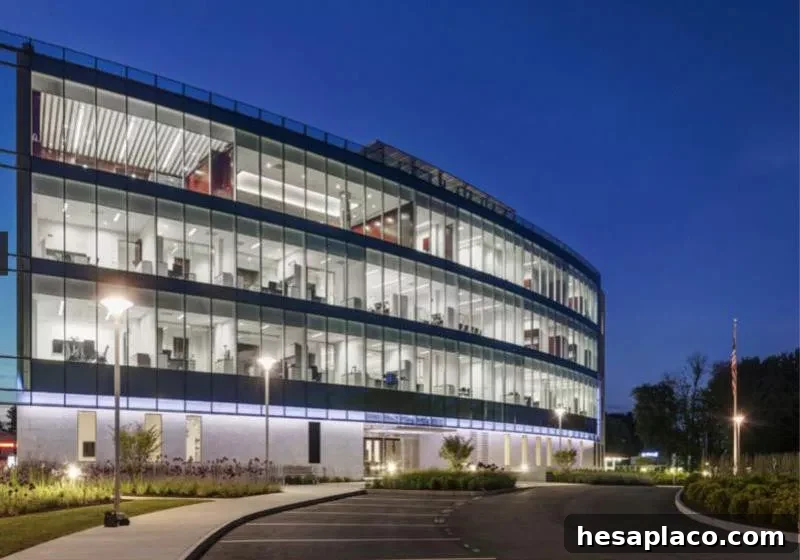
GUND Partnership
City: Portsmouth
Year built: 2012
Height: Four stories
Square footage: 100,000
Architect: GUND Partnership
Notable tenant: Service Credit Union
The Service Credit Union headquarters features a curved, sky-lit atrium and achieved LEED Gold certification. Its proximity to an air base influenced the building’s geometry and design decisions.
New Jersey: Bell Works
Wikimedia Commons
City: Holmdel
Year built: 1962
Height: 73 feet
Square footage: 2,000,000
Architect: Eero Saarinen
Notable tenant: iCIMS
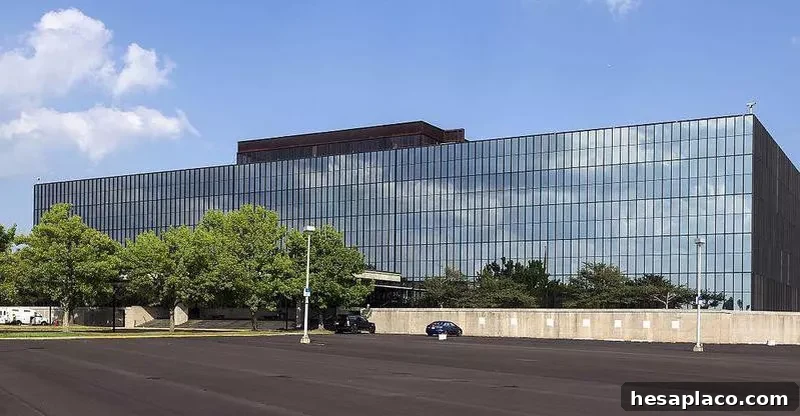
The former Bell Labs building, designed by Eero Saarinen, was revitalized as Bell Works after years of decline. The two-million-square-foot complex celebrates its history of scientific innovation while offering modern office, event and community spaces. Renovations introduced photovoltaic panels and efficient systems while preserving the building’s distinctive mirrored façade.
New Mexico: Albuquerque Plaza
Getty Images
City: Albuquerque
Year built: 1990
Height: 351 feet
Square footage: 357,000
Architect: Hellmuth, Obata & Kassabaum
Notable tenant: U.S. Eagle Federal Credit Union
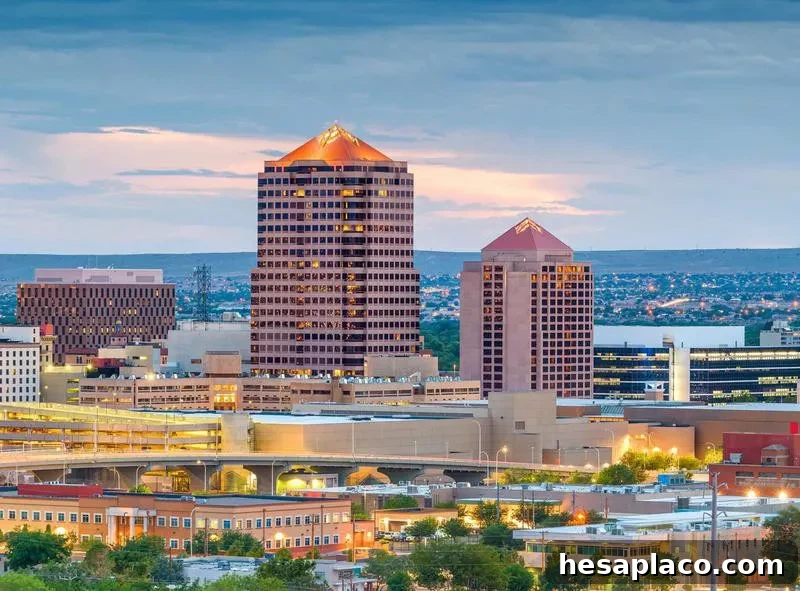
Albuquerque Plaza, the state’s tallest building, shares a podium and promenade with the adjacent hotel tower and incorporates retail, conference and public art features. Its thermal energy storage system reduces peak electrical demand and the building has received regional recognition for its design and operations.
New York: One World Trade Center
Getty Images
City: New York City
Year built: 2014
Height: 1,776 feet
Square footage: 3,000,000
Architect: David M. Childs
Notable tenant: Condé Nast
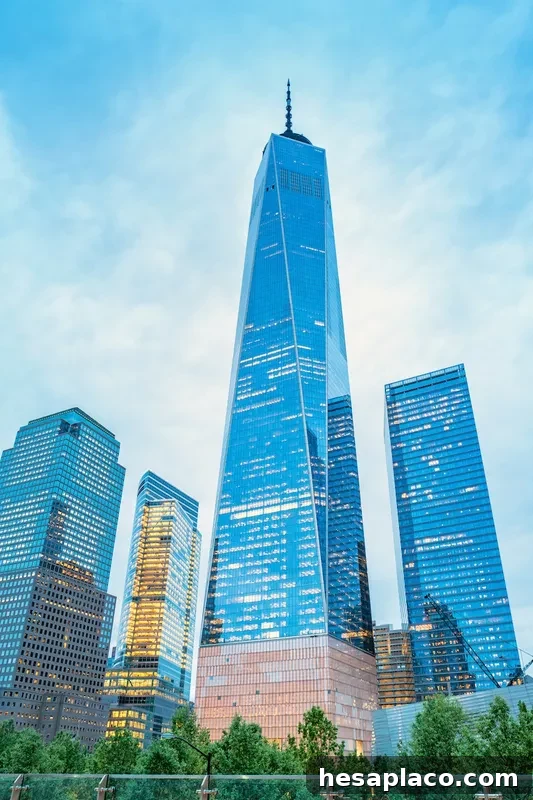
One World Trade Center stands as a memorial and a functioning commercial skyscraper built on the site of the World Trade Center. Its symbolic height references 1776, and the building features a prismatic glass base, an observation deck and a prominent spire—elements that combine symbolism, security, and modern engineering.
North Carolina: Bank of America Corporate Center
Getty Images
City: Charlotte
Year built: 1992
Height: 871 feet
Square footage: 1,100,000
Architect: César Pelli
Notable tenant: Bank of America
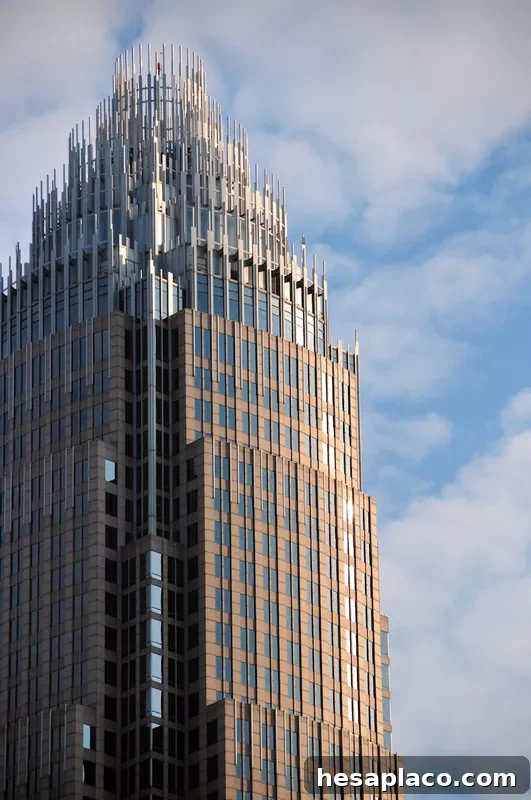
The 60-story Bank of America Corporate Center anchors Charlotte’s skyline with a granite base, tapered setbacks and an illuminated crown. Its crown-shaped spire changes color for events and holidays, making it a civic landmark visible for miles.
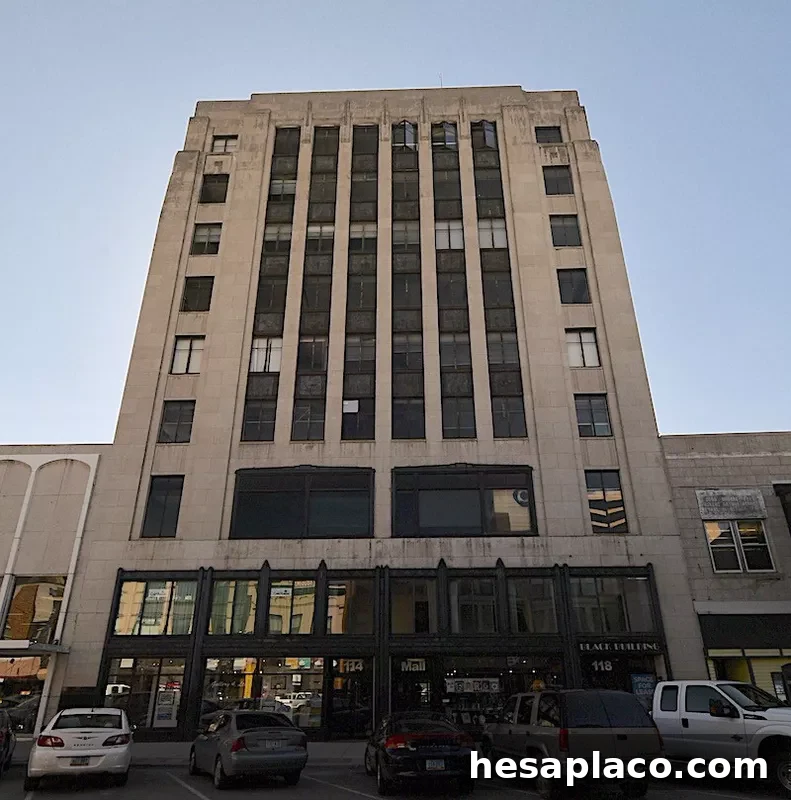
North Dakota: Black Building
Wikipedia
City: Fargo
Year built: 1930
Height: 108 feet
Square footage: 125,000
Architect: Lang, Raugland & Lewis
Notable tenant: Ankers Law Office
The Black Building’s Art Moderne limestone façade and modern mechanical systems made it a cutting-edge structure for its time. Its top floor hosted WDAY radio, a platform that helped launch talents like singer Peggy Lee. Renovations have preserved its historic character and signage reminiscent of the original design.
Ohio: Longaberger Basket Building

Getty Images
City: Newark
Year built: 1997
Height: Seven stories
Square footage: 180,000
Architect: Longaberger Company
Notable tenant: Currently for sale/lease
The world’s only basket-shaped office building served as the Longaberger Company headquarters and replicates the company’s signature product at massive scale. The structural handles include heating elements to prevent ice buildup. The building is currently available for sale or lease and owners have pursued historic recognition.
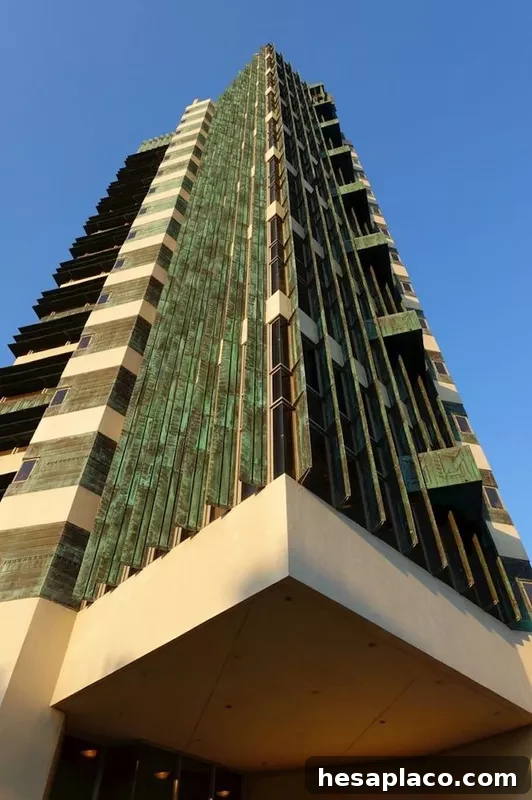
Oklahoma: Price Tower
Yelp
City: Bartlesville
Year built: 1956
Height: 221 feet
Square footage: 42,000
Architect: Frank Lloyd Wright
Notable tenant: Price Tower Arts Center
The only skyscraper by Frank Lloyd Wright to be realized, Price Tower’s tree-like concept features elevator shafts as a central “trunk” with cantilevered floors branching outward. Triangular motifs inform the structure and interior details; today it is home to an arts center and related cultural uses.
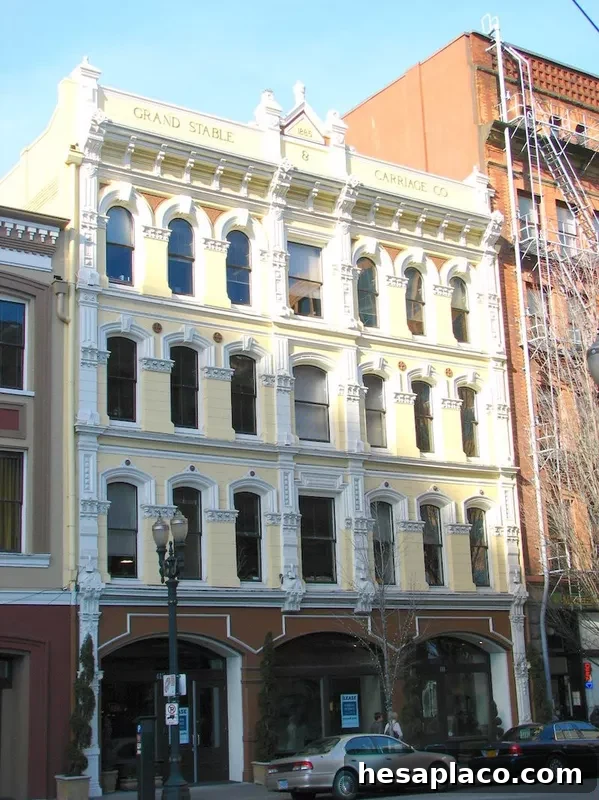
Oregon: Grand Stable and Carriage Building
Ian Poellet / Wikimedia Commons / CC BY-SA 3.0
City: Portland
Year built: 1885
Height: 51 feet
Architect: Warren Heywood Williams
Notable tenant: Pacific Stationery Company
This Italianate cast-iron façade building once housed horses and carriages and later served as a warehouse and print facility. It is one of the few well-preserved examples of this style on the West Coast and is listed on the National Register of Historic Places.
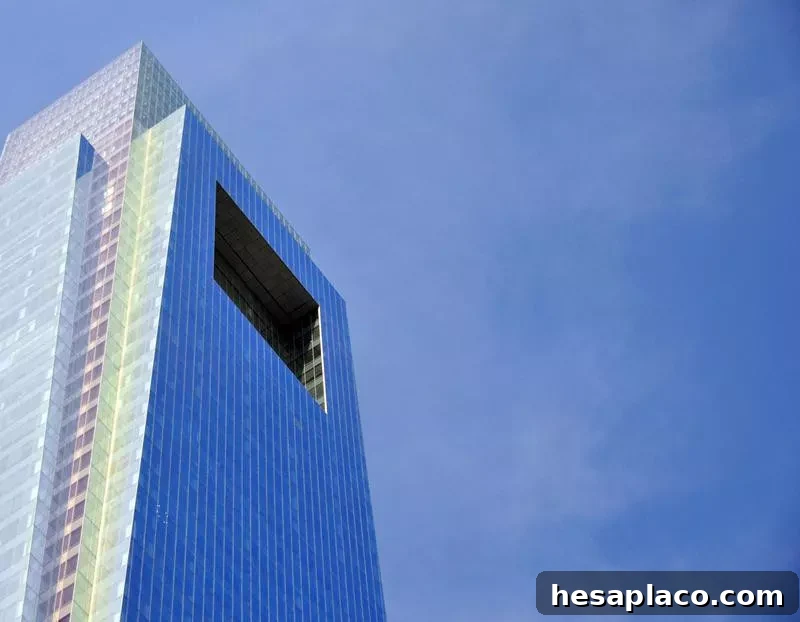
Pennsylvania: Comcast Center
Getty Images
City: Philadelphia
Year built: 2008
Height: 974 feet
Square footage: 1,238,000
Architect: Robert A.M. Stern Architects
Notable tenant: Comcast
The Comcast Center, Philadelphia’s second-tallest tower, combines sustainable design with a programmable LED façade that highlights events and causes. It also hosts a symbolic statue that addressed a local sports superstition and remains a notable element of the skyline.
Rhode Island: The Superman Building
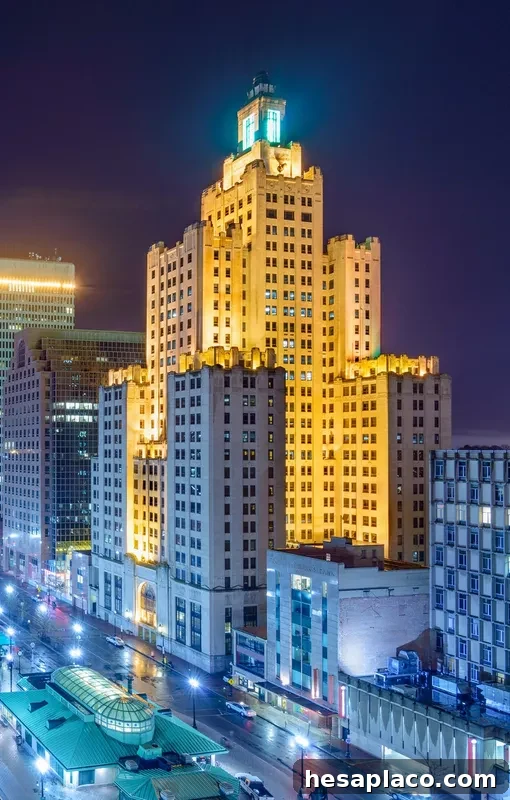
Getty Images
City: Providence
Year built: 1927
Height: 428 feet
Square footage: 441,000
Architect: Walker & Gillette
Notable tenant: Currently vacant
This Art Deco landmark, formerly the Industrial Trust Company Building, is Rhode Island’s tallest structure. Its distinctive massing earned it the affectionate nickname “The Superman Building” due to its resemblance to the fictional Daily Planet headquarters.
South Carolina: Farmers’ and Exchange Bank
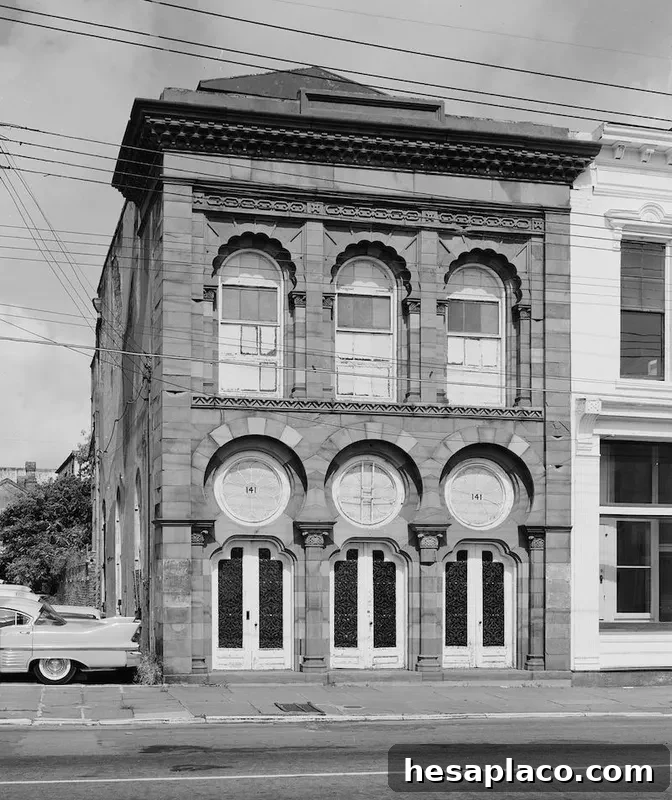
Library of Congress / Wikipedia
City: Charleston
Year built: 1854
Height: Two stories
Architect: Edward C. Jones and Francis D. Lee
Notable tenant: Garibaldi Management Corp
The Farmers’ and Exchange Bank is an uncommon Moorish Revival building in Charleston, featuring tall arched bays, brownstone detailing and muqarnas ornamentation inspired by The Alhambra. Restored and repurposed, it is a National Historic Landmark.
South Dakota: CenturyLink Tower
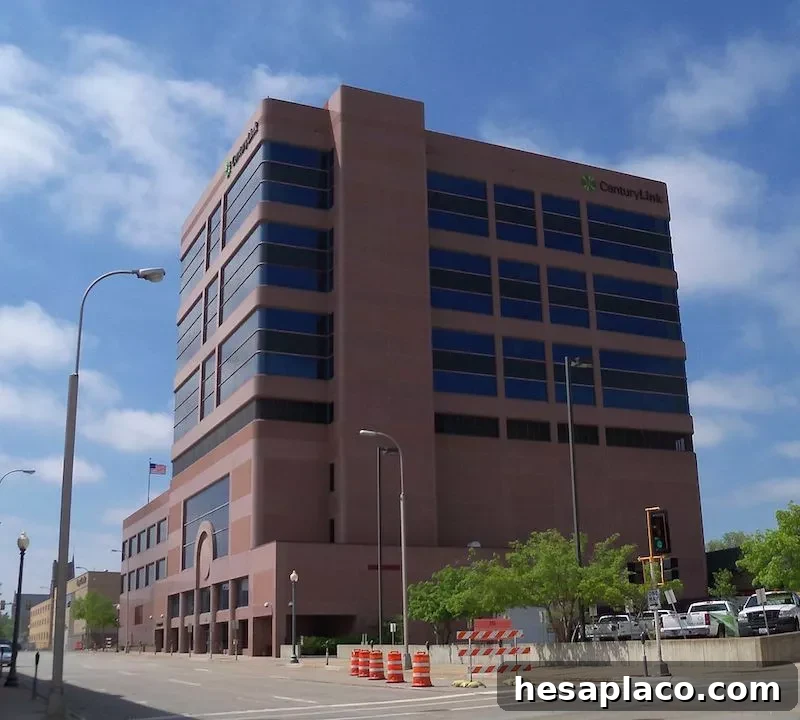
Wikimedia Commons
City: Sioux Falls
Year built: 1971
Height: 174 feet
Square footage: 296,448
Architect: Fritzel, Kroeger, Griffin & Berg
Notable tenant: CenturyLink
The state’s tallest building after a nearby structure was demolished, the CenturyLink Tower’s exterior was updated to address structural concerns. Its modernized façade transforms the original 1970s appearance into a more durable and contemporary finish.
Tennessee: AT&T Building
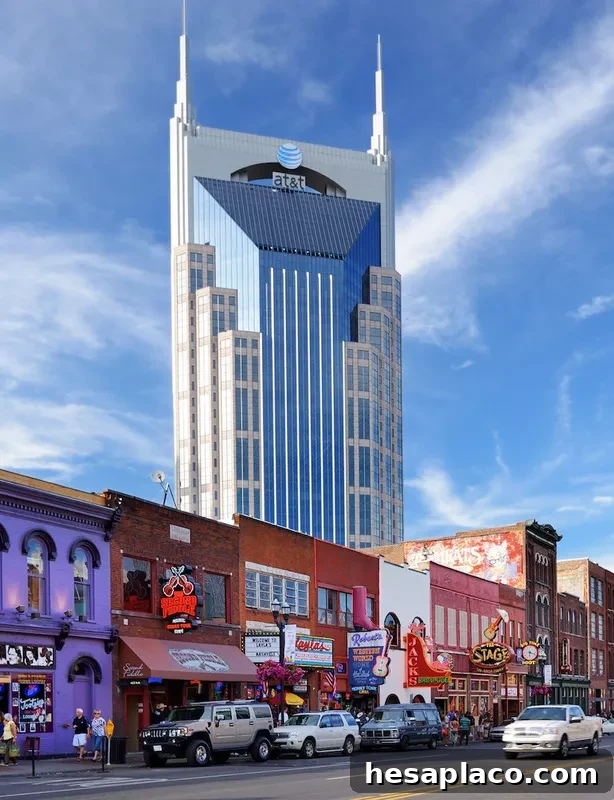
Getty Images
City: Nashville
Year built: 1994
Height: 617 feet
Square footage: 690,297
Architect: Earl Swensson Associates
Notable tenant: AT&T
Nashville’s tallest building dominates a full city block and features twin spires and a multi-story garden atrium. Its silhouette and dark upper tones have led locals to nickname it after a famous comic-book hero’s mask.
Texas: Fountain Place
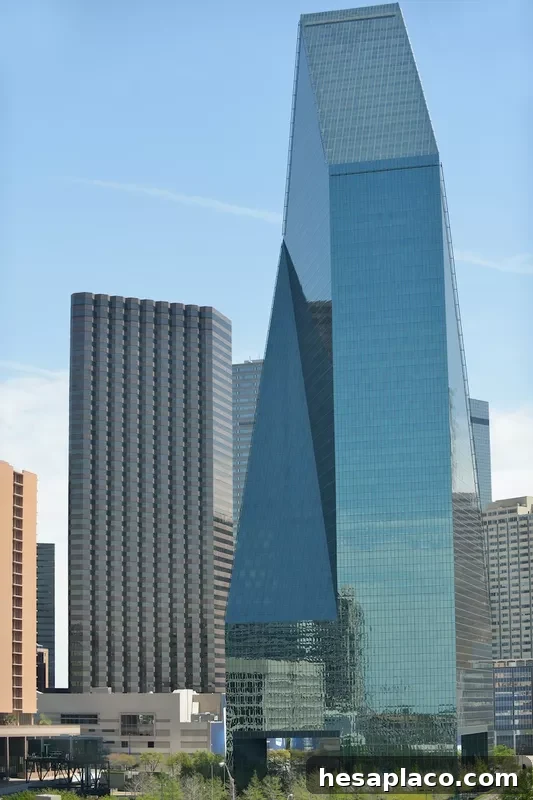
Getty Images
City: Dallas
Year built: 1986
Height: 720 feet
Square footage: 1,200,000
Architect: I.M. Pei and Harry Cobb
Notable tenant: Tenet Healthcare
Fountain Place is a faceted prism tower known for the extensive dancing fountain installation in its plaza. The water features, designed by WET Design, create a dramatic public space and have appeared in film and television productions.
Utah: Walker Center
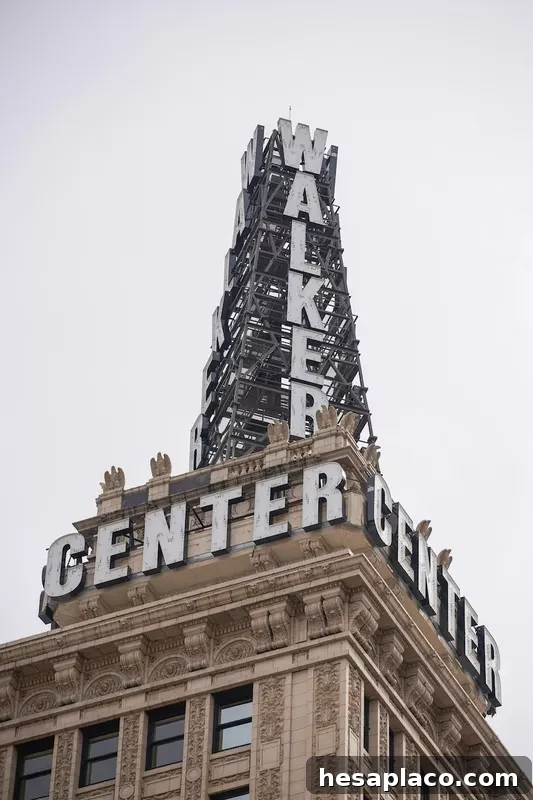
Getty Images
City: Salt Lake City
Year built: 1912
Height: 220 feet
Square footage: 135,000
Architect: Eames & Young
Notable tenant: CroatiaTech
Once the tallest building between the Mississippi and San Francisco, the Walker Center features a weather tower that signals forecast conditions with colored lights. After a temporary removal, the weather tower was restored and the building is listed on the National Register of Historic Places.
Vermont: Mayo Building
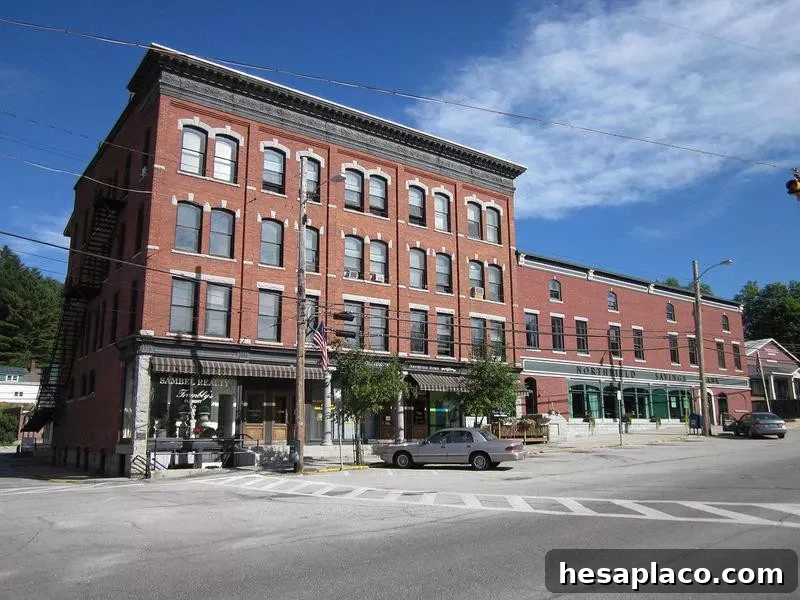
Wikimedia Commons
City: Northfield
Year built: 1902
Height: Four stories
Architect: Lane and Son
Notable tenant: Northfield Savings Bank
Financed by Dr. William B. Mayo, this Classical Revival building retains many granite details and has served as a civic, commercial and residential center in Northfield for more than a century. It remains in family ownership and is listed on the National Register of Historic Places.
Virginia: The Tycon Office Building
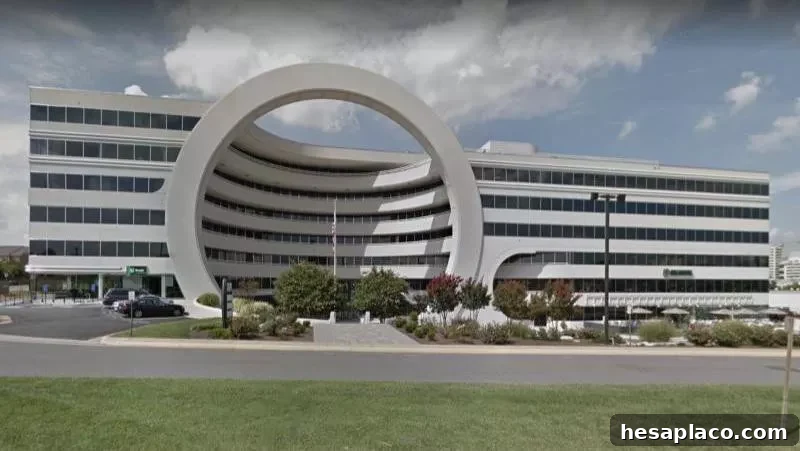
Google Maps
City: Tyson’s Corner
Year built: 1982
Height: 88 feet
Square footage: 290,000
Architect: Volker Zinser and Barry Dunn
Notable tenant: Freddie Mac
The Tycon Office Building once held the regional record for parking capacity and stands out for a circular entrance feature that inspired local nicknames. Its distinctive geometry reflects an era of bold suburban corporate architecture.
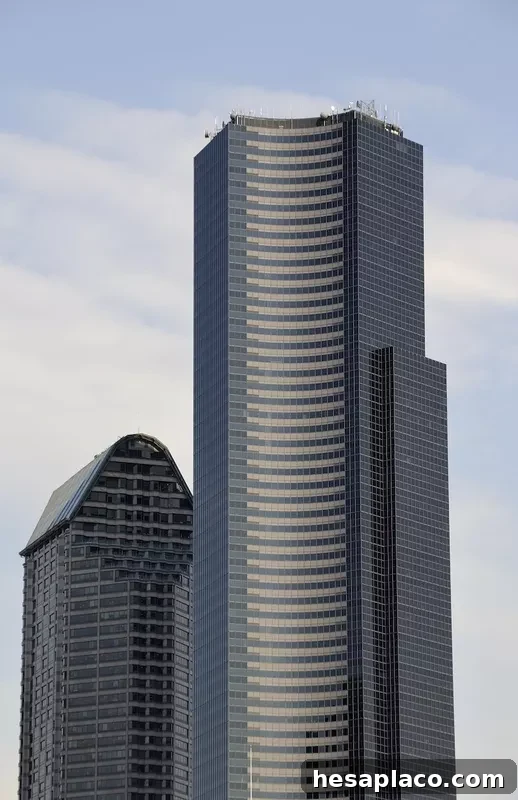
Washington: Columbia Center
Getty Images
City: Seattle
Year built: 1985
Height: 967 feet
Square footage: 1,500,000
Architect: Chester L. Lindsey
Notable tenant: Dorsey & Whitney
Seattle’s tallest tower features three concave facades and setbacks that give the impression of three adjacent towers. It hosts major charity stair-climb events and offers one of the region’s highest public viewing areas.
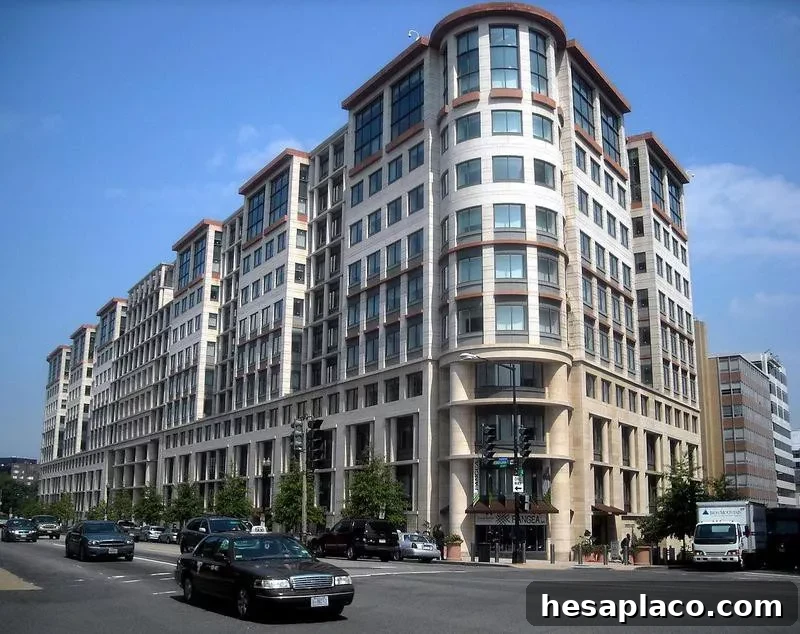
Washington D.C.: 2121 Pennsylvania Ave. NW
Wikipedia
Year built: 1997
Height: 155 feet
Square footage: 1,100,000
Architect: Michael Graves
Notable tenant: International Finance Corporation
An early LEED-EB certified building in the capital, 2121 Pennsylvania blends classical scale with contemporary detailing. The building’s stone reveals visible fossils, a distinctive feature that connects the material to geological history.
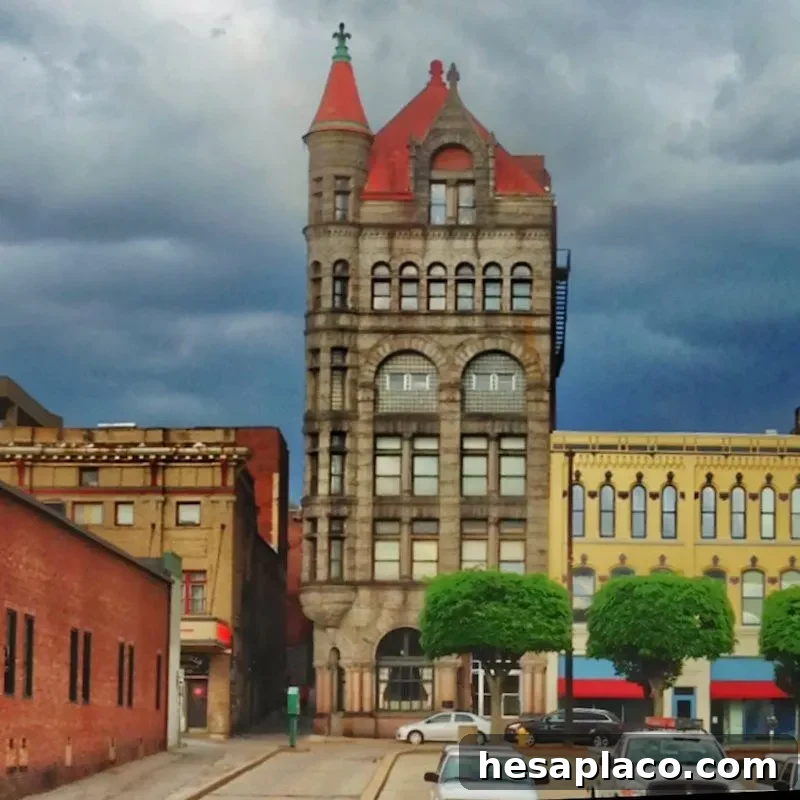
West Virginia: The City Bank Building
Wikipedia
City: Wheeling
Year built: 1891
Height: 125 feet
Square footage: 12,000
Architect: Franzheim, Giesey & Faris
Notable tenant: Stazenski Law
Built with Romanesque styling, granite and brick, the City Bank Building was the tallest in West Virginia when completed. Notable features included an Otis elevator and an artesian well; the building remains a local historic landmark.
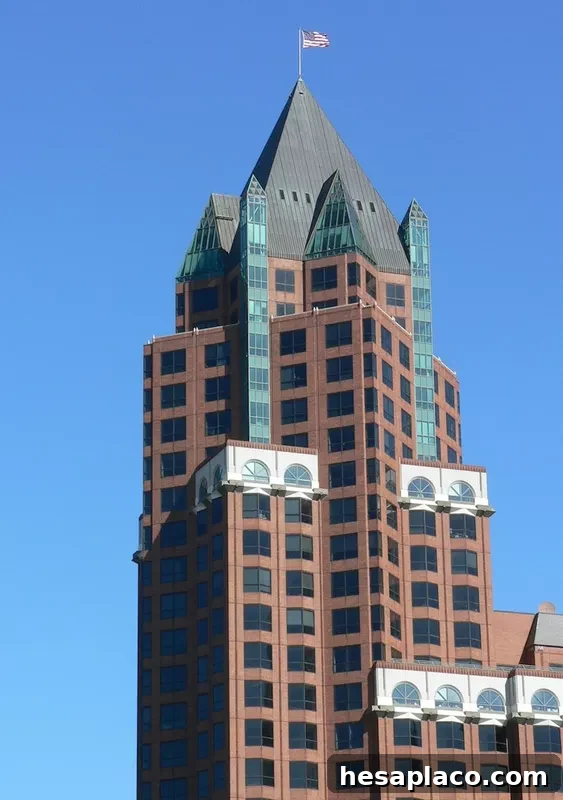
Wisconsin: Milwaukee Center
Wikimedia Commons
City: Milwaukee
Year built: 1988
Height: 426 feet
Square footage: 370,000
Architect: Skidmore, Owings & Merrill LLP
Notable tenant: Guardian Life Insurance
This mixed-use postmodern complex combines office, hotel and cultural facilities and features a peaked tower and red-brick cladding that echo historic civic buildings. Its rotunda links the development to nearby theaters and hospitality venues.
Wyoming: Tivoli Building
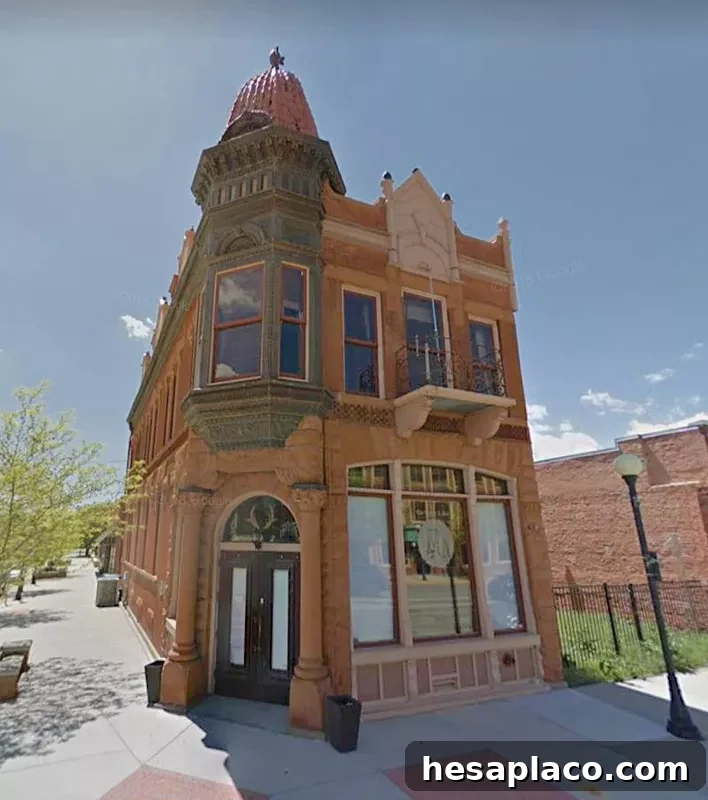
Google Maps
City: Cheyenne
Year built: 1892
Height: Three stories
Square footage: 4,126
Architect: Warren Richardson
Notable tenant: Bennett Law Group
The Tivoli Building blends Queen Anne, Chateauesque and Romanesque Revival details. Praised as lavish at its opening, it has served many functions over the years—from saloon and speakeasy to coffee shop and offices—and is listed on the National Register of Historic Places.