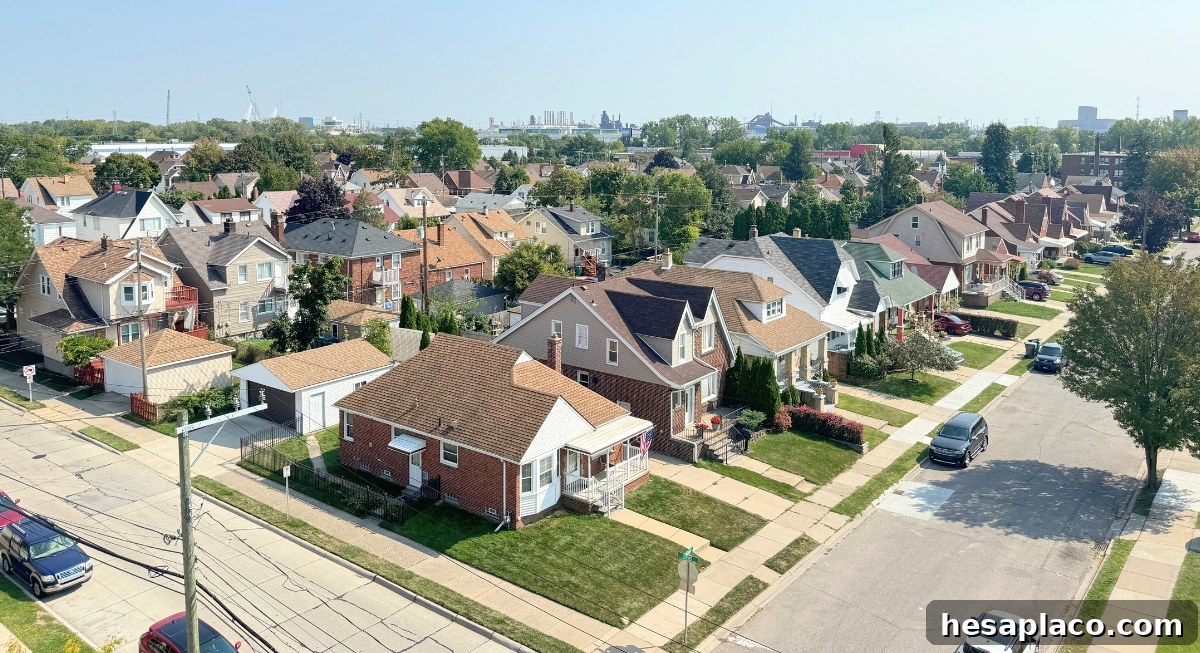
Living in a desirable neighborhood feels like a daily stroke of luck—you notice well-kept lawns, friendly neighbors, and a real sense of care. But neighborhoods are not static. Small changes—neglected yards, rising noise, fewer familiar faces—can signal a decline. Below are clear signs that a neighborhood may be slipping and what those signs often mean.
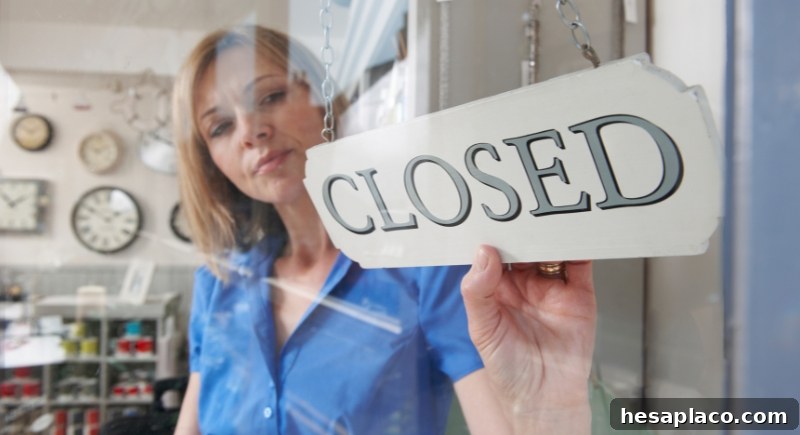
Businesses Are Closing
Credit: Getty Images
When cafes, shops, and restaurants begin shutting their doors, it often means foot traffic and local spending have dropped. Neighborhood amenities influence property values and livability; once everyday conveniences disappear, curb appeal and convenience fade with them. Empty storefronts signal reduced investment and can quickly change outsiders’ perceptions of the area.
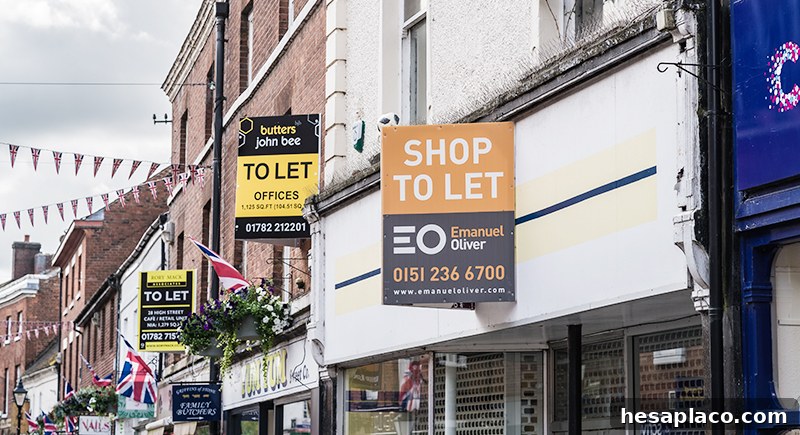
More “For Rent” Signs Than Porch Lights
Credit: iStockphoto
A surge in “For Rent” signs often reflects homeowners cashing out or switching to short-term rentals. High tenant turnover makes it harder to maintain landscaping and exterior upkeep, and it erodes the steady social ties that sustain a neighborhood. Areas with frequent rental turnover generally see slower appreciation of home values over time.
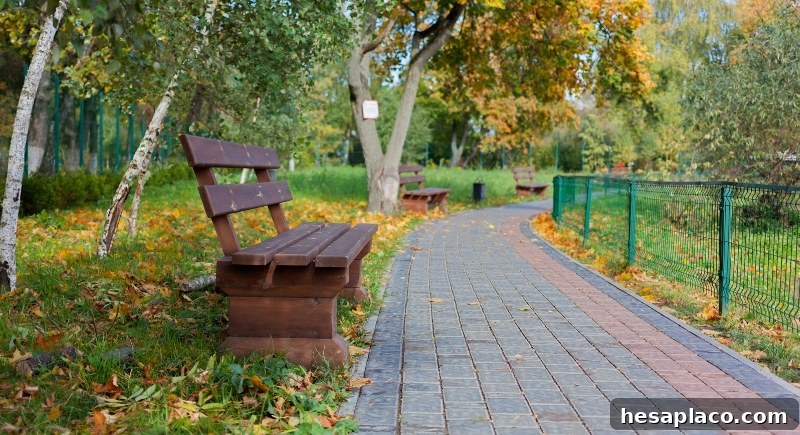
Public Spaces Look Neglected
Credit: pexels
Parks with overgrown grass, cracked benches, and overflowing trash bins are more than an eyesore; they are a sign that stewardship is slipping. Urban planners describe how visible neglect invites more neglect—the “broken windows” idea—so public spaces that go unattended can accelerate neighborhood deterioration by signaling low community engagement and weak maintenance routines.
Noise Levels Rise

Credit: Getty Images
Persistent noise from traffic, parties, or construction does more than cause irritation: it reduces perceived livability and can depress property values. When loud activity becomes routine, it often reflects poor enforcement of local rules and a weakening of community norms. Over time, residents who can move elsewhere tend to do so.
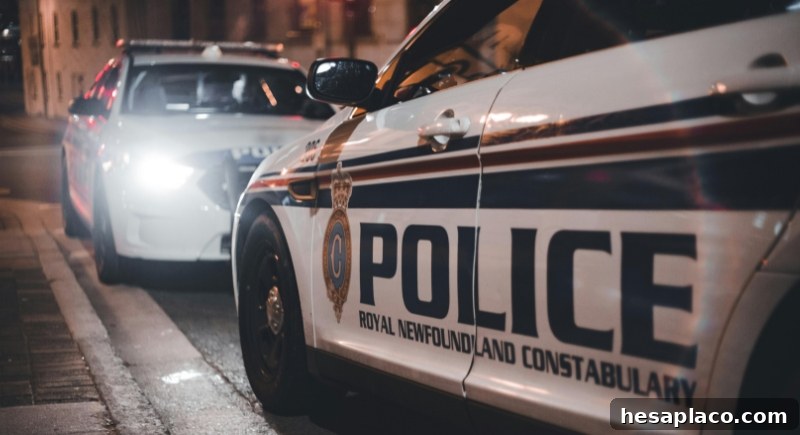
Increased Police Patrols
Credit: pexels
A sudden uptick in police presence often signals rising local crime or perceived insecurity. As property crimes and vandalism increase, residents and authorities respond with more patrols, but the neighborhood’s reputation can suffer long-term damage. Recovering home values and resident confidence can take years once safety becomes a pressing concern.
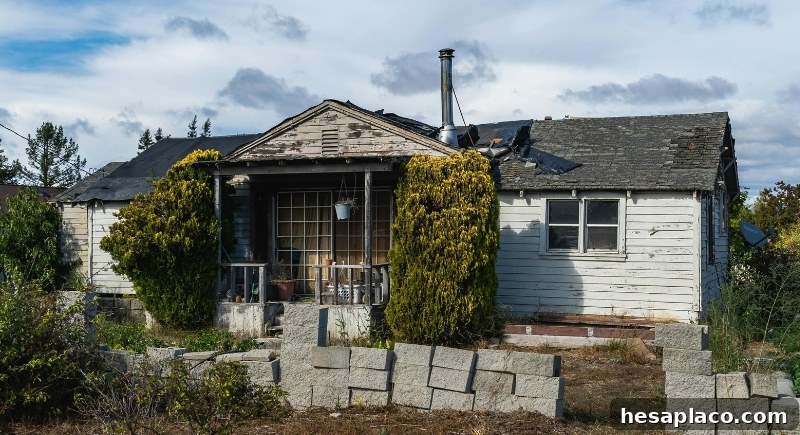
Homes Appear Run-Down
Credit: pexels
Faded paint, sagging fences, and neglected roofs are visible indicators that homeowners are either unable or unwilling to maintain their properties. Even a single neglected property can negatively affect neighboring home values, and as more houses fall into disrepair, the entire street takes on a rundown appearance that discourages buyers and long-term residents.
Local Schools Lose Their Appeal

Credit: Getty Images
Struggling schools—larger class sizes, declining test scores, and shrinking parent involvement—prompt families to look elsewhere. Strong schools support property values and attract buyers; when confidence in local education erodes, families may transfer to other districts or choose private options, contributing to a slow exodus and weakening the neighborhood’s family base.
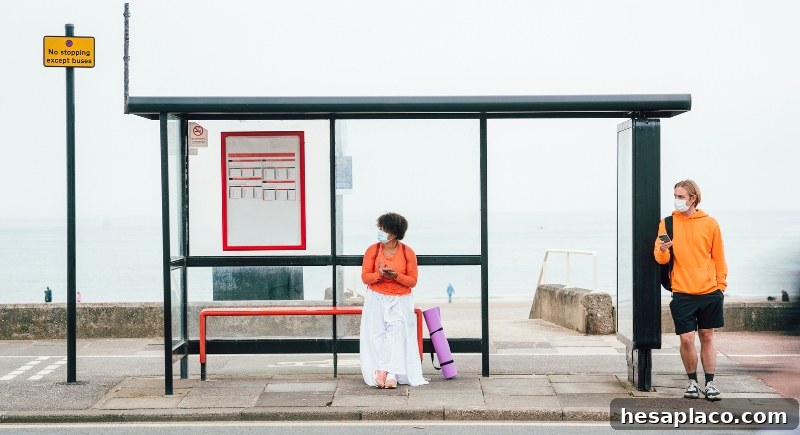
Public Transit Is Reduced
Credit: Getty Images
Cuts to bus routes or fewer service stops often reflect falling ridership tied to population decline or economic stress. Reduced transit access makes it harder for residents who depend on public transportation to stay, prompting some to relocate and amplifying the decline. Reliable public transit is a crucial element of neighborhood vitality.
Local Health Services Close

Credit: iStockphoto
The loss of a neighborhood clinic or hospital has wide-reaching effects. Such closures reduce local access to care, cost nearby businesses customers and employees, and can lead to job losses. The absence of essential health services makes the area less attractive to families and retirees and can slow the local economy’s recovery.
The Sense of Community Fades

Credit: Canva
A healthy neighborhood thrives on relationships: neighbors saying hello, community events, and mutual trust. When those connections weaken—fewer block parties, lower volunteer turnout, and less informal watchfulness—the social fabric unravels. Sociologists call this the loss of social capital; the physical streets may remain, but the feeling of belonging and mutual care diminishes.
Recognizing these signs early can give residents, local leaders, and businesses a chance to intervene. Coordinated upkeep of public spaces, support for local merchants, investment in schools and transit, and efforts to rebuild community ties can help reverse decline. While change is inevitable in urban life, timely action and engaged neighbors often determine whether a community falters or rebounds.