
Retirement can seem far off, but the choices you make in your 30s shape your financial future. By this decade many people have steadier careers and growing families—both strong reasons to focus on long-term savings. Below are clear, practical steps you can take now to build meaningful retirement security.
Aim for One Year’s Salary Saved

Credit: Getty Images
Many financial advisors recommend having at least one year of your current salary saved for retirement by age 30. Treat this as an initial milestone: if you earn $65,000 a year, aiming for roughly $65,000 in retirement accounts gives you a tangible target. If you’re not there yet, use the benchmark to prioritize contributions and measure progress.
Take Full Advantage of Employer Matching

Credit: Canva
If your employer offers a 401(k) match, contribute at least enough to capture the full match. Employer matches are essentially free money and can significantly accelerate retirement savings. Even a small match of 3% can add up over decades, yet many workers miss out by not contributing enough to qualify.
Automate Your Savings

Credit: Getty Images
Promising to transfer money monthly is easy; sticking with it is harder. Automating contributions removes that burden and ensures consistency. When funds move directly from paycheck to retirement account, you avoid the temptation to spend and harness the power of regular investing.
Use Tax-Advantaged Accounts
Credit: Getty Images
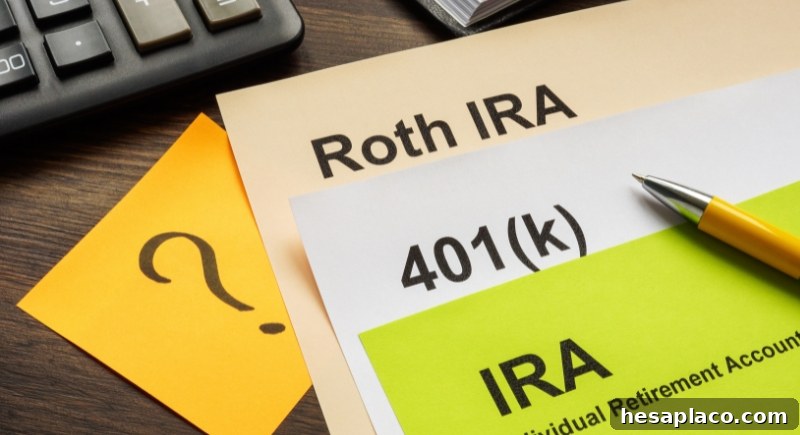
Traditional IRAs, Roth IRAs, and 401(k)s offer different tax benefits. Your 30s are a good time to decide which mix suits your situation. For example, Roth IRAs use after-tax dollars and allow tax-free withdrawals in retirement, which can be valuable if you expect higher taxes later. Compare options and prioritize accounts that deliver the best long-term tax outcome for you.
Resist Lifestyle Inflation

Credit: Getty Images
As income rises, it’s tempting to upgrade lifestyle choices—cars, vacations, subscriptions—which can erode saving momentum. To protect progress, set a consistent portion of income for retirement savings. Many experts suggest saving at least 15% of gross income, adjusting as earnings grow so that increases don’t simply get spent.
Don’t Forget Health Savings Accounts

Credit: Getty Images
If you have a high-deductible health plan, consider an HSA. These accounts offer triple tax advantages: pre-tax contributions, tax-free growth, and tax-free withdrawals for qualified medical expenses. After age 65, HSA funds can also be used for non-medical expenses without the early withdrawal penalty, making them a useful supplemental retirement vehicle.
Choose Long-Term Investments Over Fads

Credit: pixabay
Your retirement account isn’t the place to chase short-term trends like hot stocks or speculative crypto moves. Broad index funds and target-date funds provide diversified, low-maintenance exposure that typically aligns better with long-term goals. They lower single-stock risk and require less hands-on management.
Watch Fees Carefully

Credit: Getty Images
Even small investment fees can compound into large losses over decades. A 1% annual fee might appear minor but can reduce retirement wealth significantly over thirty years. Favor low-cost index funds or ETFs with expense ratios under 0.20% when possible to keep more of your returns working for you.
Rebalance Annually

Credit: Canva
Market moves can shift your asset allocation over time. Rebalancing once a year restores your intended mix of stocks, bonds, and other holdings to match your risk tolerance and long-term plan. Most retirement platforms let you rebalance with a few clicks—an easy habit that keeps your strategy on track.
Prepare for Unexpected Events

Credit: Getty Images
Illness, job loss, or changes in family status can disrupt finances. Having disability insurance, a basic will, and other essential estate documents in place adds protection and peace of mind. Preparing these items early reduces stress and financial risk if life takes an unexpected turn.
Open a Roth IRA When Eligible

Credit: Getty Images
If your income falls under the Roth IRA limit, consider opening one. Roth IRAs grow tax-free, and you can withdraw your contributions (not earnings) at any time without penalty, offering flexibility. Starting early lets compound growth work over many years, making even modest contributions powerful.
Build Side Income With Durable Potential

Credit: Getty Images
Extra income accelerates savings. Consider side ventures that can produce recurring or passive revenue—rental properties, digital products, or scalable freelance work. Prioritize opportunities that don’t consume every spare hour and that can grow modestly over time to support your long-term goals.
Review Progress Annually

Credit: Canva
A yearly check-in is a simple but powerful habit. Review account balances, contribution rates, asset allocation, and progress toward goals. If you’re off pace, small adjustments—boosting contributions slightly, cutting fees, or reallocating assets—can get you back on track.
Keep Beneficiary Designations Current

Credit: Getty Images
Outdated beneficiary designations on retirement accounts or life insurance can cause complications. Review and update beneficiaries at least once a year—especially after major life events. Remember that beneficiary designations typically override wills, so keeping them accurate prevents unwanted surprises.
Outline What Retirement Looks Like

Credit: Getty Images
Start with a simple vision of retirement—where you want to live, the lifestyle you hope for, and activities that matter. You don’t need exact figures yet; a general idea will help set savings targets and guide decisions about how aggressively to invest. As life changes, refine that picture and adjust your plan accordingly.