
Using a debit card can be convenient: it’s fast, familiar, and avoids interest charges. But debit card transactions carry unique risks because funds come directly from your checking account. When fraud happens, recovering money can take longer and be more complicated than with credit cards. Below are ten situations where using a debit card is often not the best choice.
Online Shopping Sites

Credit: pexels
When you use a debit card for online purchases, you link your checking account directly to each merchant. If your card details are stolen, you typically must request a refund or file a claim while your actual funds remain unavailable. Because of this direct access, online shopping fraud ranked highly among consumer complaints in recent years. For safer protection and easier dispute processes, a credit card is often the better option.
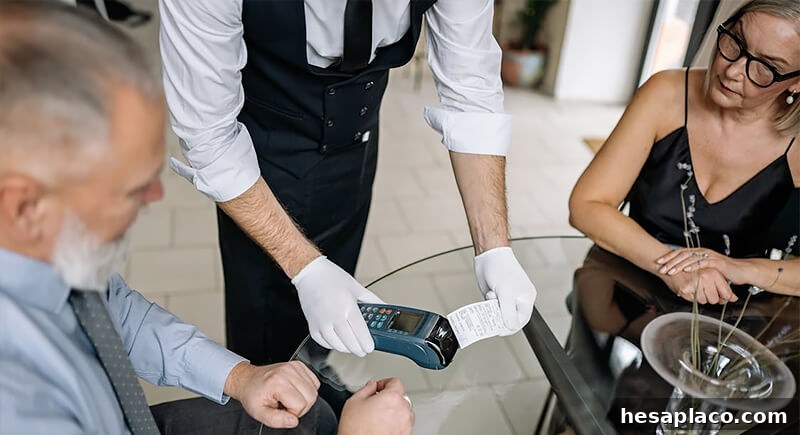
Restaurants Where Your Card Leaves the Table
Credit: pexels
Many restaurants take your card to process payments at a register out of sight. While most staff act honestly, there’s an increased risk that card information could be copied, skimmed, or misused. Whenever possible, ask for the bill at the table and pay there, or use a contactless method so the card never leaves your view.
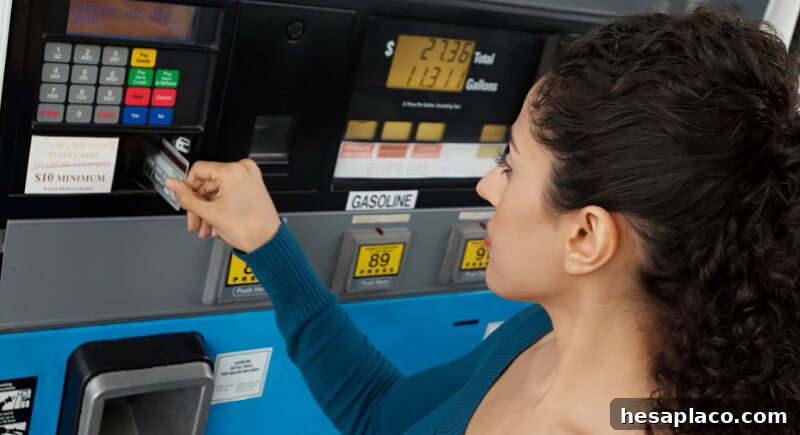
Gas Stations with Pay-At-The-Pump Terminals
Credit: Canva
Card skimming remains a common threat at gas pumps, especially older models without chip readers. Criminals may attach counterfeit card readers that capture your card number and magnetic stripe data. Because these devices can be very convincing, using a pay-in-store option or a credit card can reduce exposure to skimming.
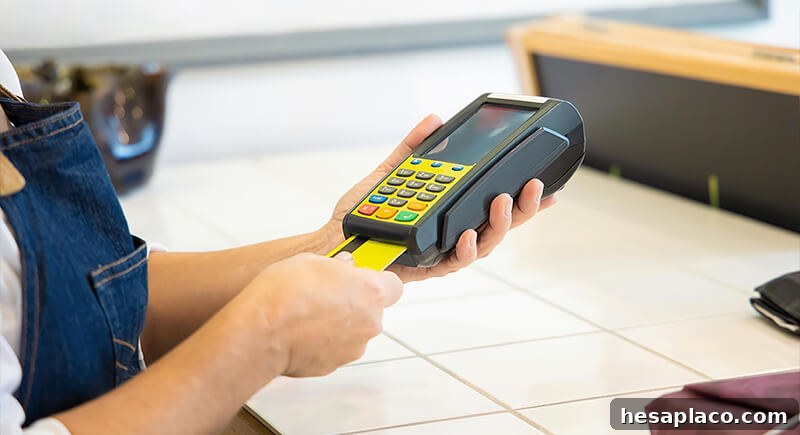
Pop-Up Events and Festivals
Credit: pexels
Temporary markets and festival stalls often process payments through mobile devices or third-party apps that may not meet strong security standards. In crowded settings it’s easy for a wrong charge or lost receipt to go unnoticed until you review your bank statement. If you must pay at these events, prefer card readers from reputable providers or use a credit card for added dispute protection.
Tourist Traps and Souvenir Shops

Credit: pexels
Busy tourist areas and pop-up souvenir stalls can attract opportunistic fraudsters. Temporary vendors, unfamiliar payment systems, and high foot traffic make it harder to spot unauthorized charges quickly. Travel experts often recommend using credit cards while abroad or in crowded tourist zones because they provide stronger consumer protections and simpler dispute procedures.
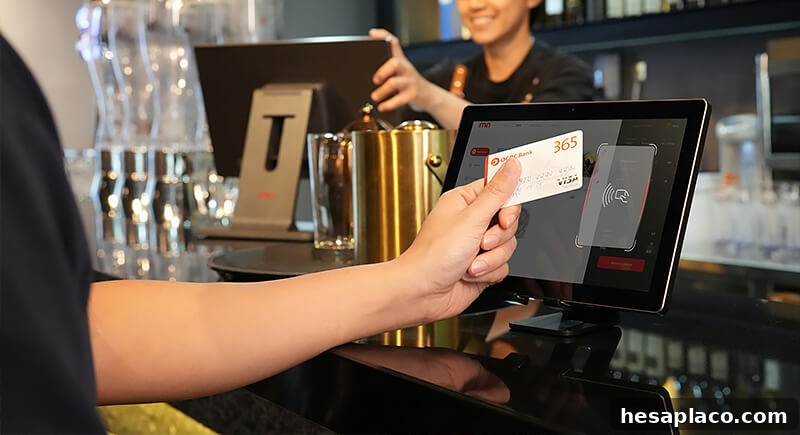
Bars with a “Tab System”
Credit: pexels
Opening a bar tab with a debit card often results in the establishment placing an authorization hold on your account for an estimated amount. These holds can be larger than your final bill and may remain in place until the bar processes the final charge. If a mistake occurs—such as a duplicate charge or a forgotten closure—you could lose access to those funds until your bank resolves the matter.
Rental Services That Require a Deposit

Credit: Canva
Renting vehicles, equipment, or vacation rentals with a debit card often triggers a security hold that can tie up substantial funds for days or weeks. Even after returning the item, it can take time for the hold to release, which may lead to overdraft fees or restricted access to your money. When possible, use a credit card for deposits to avoid having your checking balance temporarily reduced.
Free Trials That Automatically Renew

Credit: iStockphoto
Many “free” trials require you to enter card information and will automatically charge you unless you cancel before the trial ends. If you use a debit card and forget to cancel, the fee is deducted immediately from your bank account. Companies can make cancellations difficult, and recovering those funds may become a drawn-out process, so consider using a credit card for trials or set calendar reminders to cancel on time.
ATMs in Unmonitored or Isolated Locations
Credit: pexels
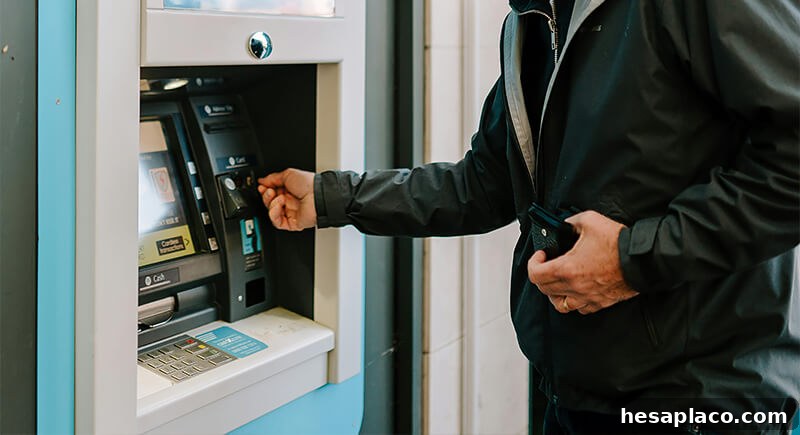
ATMs in low-traffic or poorly monitored spots are prime targets for tampering. Criminals can attach skimming devices and tiny cameras to capture card numbers and PINs. Because these alterations can be hard to detect at a glance, avoid using ATMs that appear loose, have mismatched parts, or lack security features. Use machines at bank branches or well-lit, monitored locations whenever possible.
Any Transaction That Might Need a Dispute
Credit: pexels
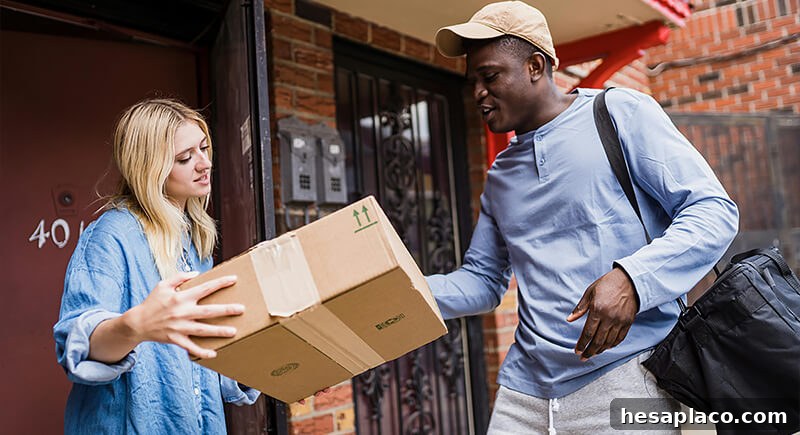
For purchases that could arrive damaged, be lost in transit, or not match the description, credit cards provide a stronger safety net. Chargebacks through credit card issuers typically protect your funds while disputes are investigated. With a debit card, the money is removed immediately and resolving disputes can be slower and more burdensome. When you anticipate potential issues, prefer a credit card to preserve access to your cash during the resolution process.
In short, debit cards are useful for everyday purchases and budgeting, but they expose your checking account to immediate risk in several common situations. Where fraud, holds, or disputes are likely, consider using a credit card or alternative payment method to keep your funds safer and simplify recovery if something goes wrong.