
Every vast fortune begins with a choice—an idea to sell a product, invest in an overlooked opportunity, or build something others wouldn’t touch. For the families profiled here, those early decisions grew into sprawling business empires. Their names appear on grocery shelves, skyscrapers, and brands worldwide, yet the stories behind their fortunes remain striking and instructive.
Walton Family

Credit: Wikimedia Commons
The Walton strategy was straightforward: offer the lowest prices and expand aggressively. By the time many competitors caught up, Walmart’s scale and network had created a durable advantage. In 2024 the company generated over $648 billion in revenue. The family’s holdings have also branched into sports and other investments, underscoring how a retail idea can evolve into a diversified empire.
Mars Family

Credit: iStockphoto
The Mars fortune began with candy made in a home kitchen and grew into a global confectionery powerhouse. Frank Mars crafted early recipes, and Forrest Mars expanded those products internationally. Over time, the family diversified into pet food, veterinary care, and other consumer goods, building a portfolio that includes iconic brands such as Snickers and Twix.
Koch Family

Credit: Wikimedia Commons
What began as a small oil refinery evolved into Koch Industries, a privately held industrial conglomerate spanning energy, chemicals, commodities, and manufacturing. Charles and the late David Koch turned their father’s enterprise into an industrial leader with annual revenues in the hundreds of billions. Leadership has transitioned across generations while the company continues to operate across diverse sectors.
Cargill-MacMillan Family

Credit: Wikimedia Commons
W.W. Cargill’s grain warehouse in Iowa, opened in 1865, was the modest start of a global agribusiness. A partnership with the MacMillan family in the early 20th century helped grow the company into a private, multinational food and commodities powerhouse. Cargill-MacMillan’s focus on supply chains, trading, and food processing has made it a pillar of the global food system with substantial annual revenue.
Johnson (Fidelity) Family
Credit: Wikimedia Commons
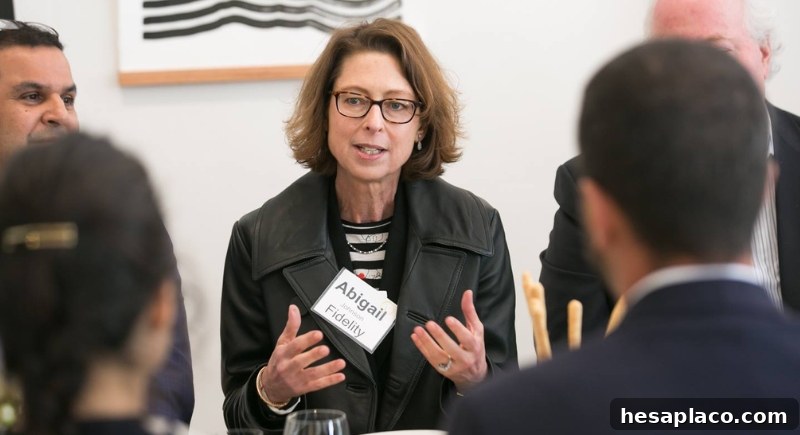
Fidelity Investments grew under three generations of Johnson leadership. Edward C. Johnson II founded the firm in 1946; his son Ned helped expand its reach and product lineup; and his granddaughter Abigail Johnson later took the helm, guiding further growth and modernization. The family maintains significant private ownership while the firm continues to manage substantial assets and generate strong revenue.
Pritzker Family

Credit: Wikimedia Commons
The Pritzker family built wealth by acquiring and turning around companies across multiple industries, including the hospitality business that became Hyatt. Jay Pritzker’s 1957 purchase of the Hyatt House in Los Angeles launched a major hotel chain. Over time, successive generations divided assets, branched into politics and philanthropy, and continued to invest in diverse ventures.
Johnson (SC Johnson) Family

Credit: Wikimedia Commons
S.C. Johnson began in the 1880s producing floor wax and evolved into a global consumer-products company known for household names like Windex and Ziploc. The company has remained family-controlled through five generations, navigating internal disputes and succession challenges while continuing to operate as a major private manufacturer in consumer goods.
Cathy Family
Credit: Facebook
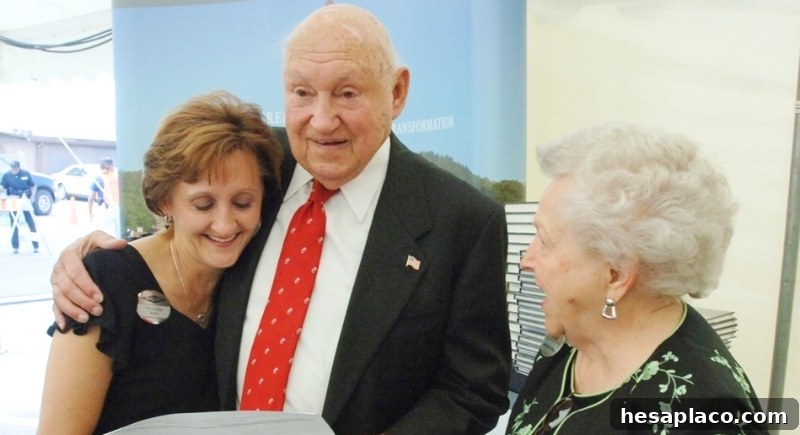
Truett Cathy started a single diner in Georgia and built Chick-fil-A on the principles of a simple product and strong company values. Despite a policy of closing on Sundays, the chain became one of the most profitable fast-food businesses in the U.S. The company remains privately held by the Cathy family, which continues to shape corporate culture and expansion decisions.
Duncan Family
Credit: Wikimedia Commons
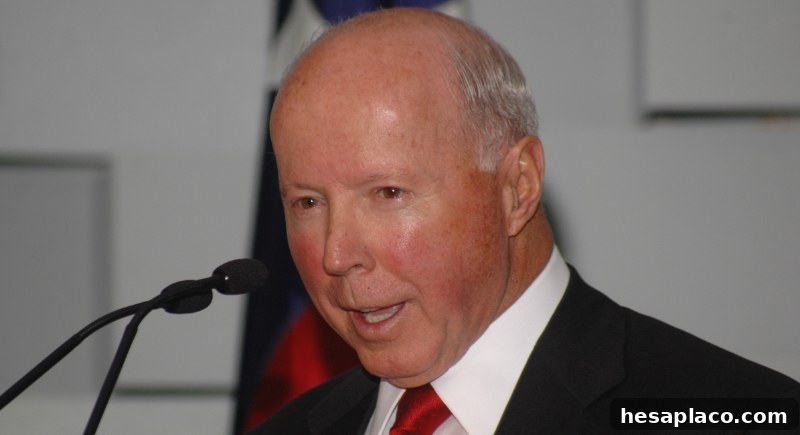
Dan Duncan founded Enterprise Products with a modest initial investment in 1968. The company grew into one of the largest midstream energy firms in the United States, operating pipelines and handling oil, natural gas, and petrochemicals. After Duncan’s death, control and wealth passed to his heirs, reflecting how ownership transitions can significantly shape a family’s financial legacy.
Cox Family

Credit: Wikimedia Commons
What began when James Cox purchased a struggling newspaper in 1898 evolved into Cox Enterprises, a diversified company spanning newspapers, broadcasting, digital media, and automotive services. The business has remained largely family-controlled, weathering internal disputes and public disagreements while continuing to invest in media and technology.
Lauder Family
Credit: Instagram
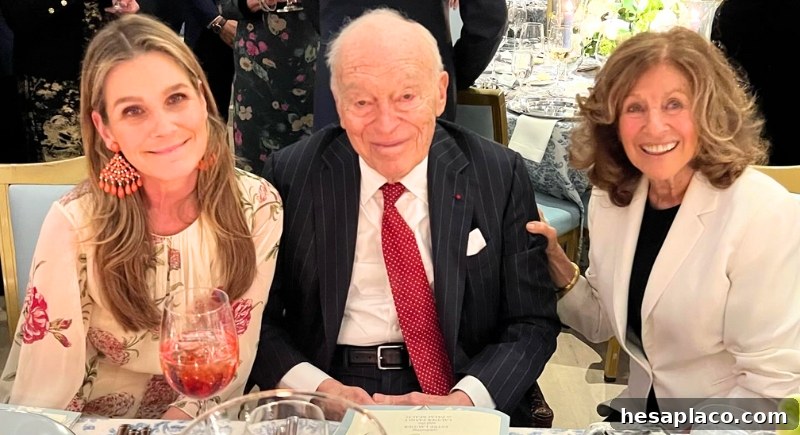
Estée Lauder launched her cosmetics business by securing an early order from Saks in 1947, then expanded into an international beauty conglomerate. The company acquired and developed numerous brands—including MAC and Clinique—and successive family members steered the firm while also becoming prominent collectors and philanthropists in the arts and culture sectors.
Hearst Family

Credit: Wikimedia Commons
William Randolph Hearst built a media dynasty beginning with the San Francisco Examiner in the late 19th century. The company expanded into dozens of newspapers, radio, and television holdings. Today, the Hearst Corporation remains a major media owner, with investments across publishing, cable networks, and other content platforms.
Reyes Family

Credit: Wikimedia Commons
Reyes Holdings grew by specializing in beverage and food distribution, winning long-term contracts with major brands. The company’s logistics and distribution networks play a vital role in delivering beverages and food products across the United States, making it a key partner for large food-service clients.
Newhouse Family

Credit: pexels
Sam Newhouse founded Advance Publications and built a diversified media and communications business that later included magazines, newspapers, and stakes in digital platforms. His descendants expanded and restructured the company over decades, selling assets and investing in new media ventures to adapt to changing markets.
Busch Family

Credit: pexels
Adolphus Busch helped establish Budweiser in 1876, creating a brewing legacy that continued for generations. The family saw a major financial event in 2008 when Anheuser-Busch was sold to InBev for a substantial sum, distributed among numerous heirs. Subsequent efforts to recreate a family-led brewing venture met mixed results, illustrating how brand legacies can evolve and change over time.