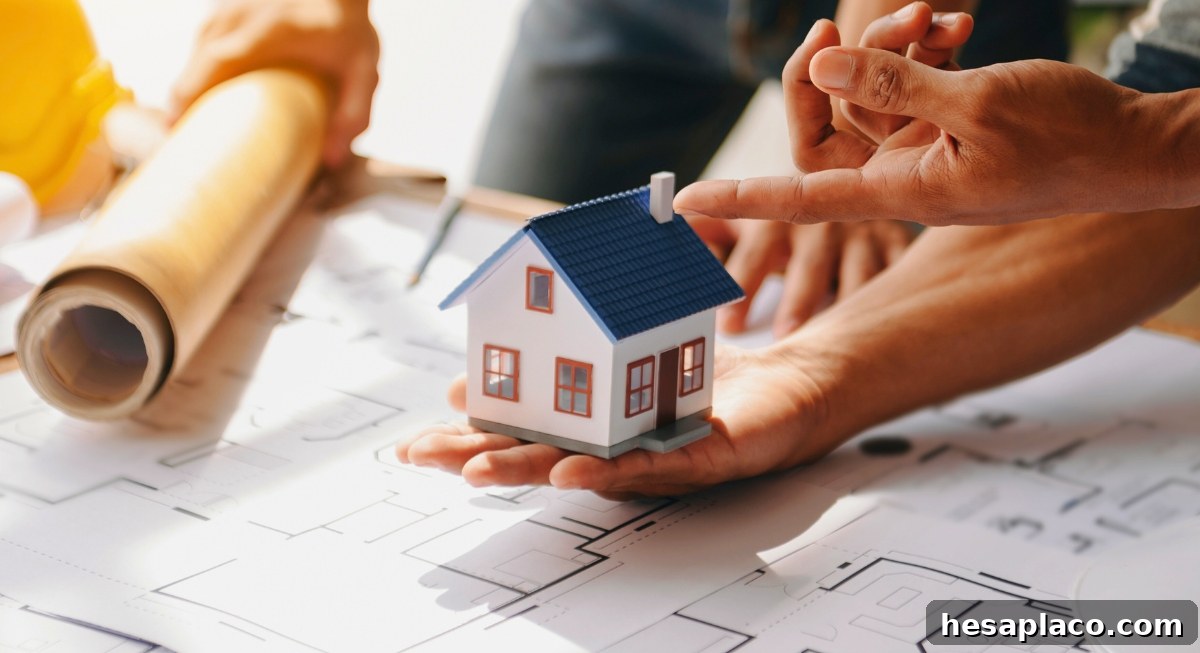
Buying a home in 2025 feels very different than it did only a few years ago. Rising interest rates and higher material costs have forced builders to rethink what features are essential and which can be cut without upsetting buyers. The result is simpler homes with tighter footprints, fewer optional luxuries, and a shift away from many features once considered standard.
Custom Built-Ins Are Increasingly Uncommon
Credit: Canva
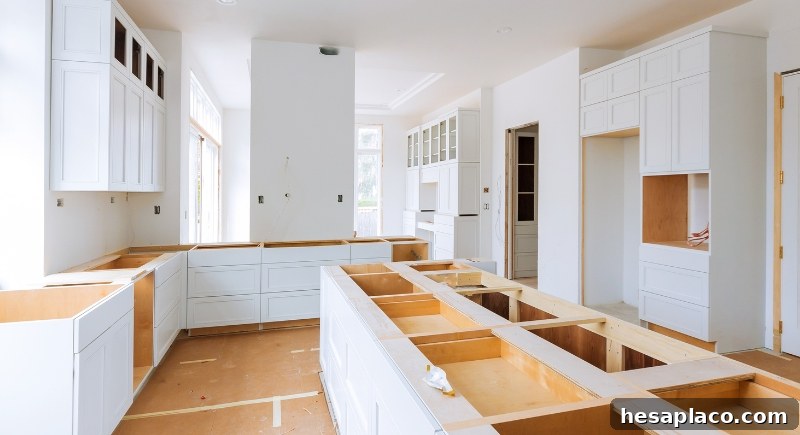
Custom shelving and built-in cabinets once signaled an upgraded home. Today, those features raise construction costs, so many builders opt for more affordable, ready-made cabinetry. Buyers who want a refined, custom look often choose to add furniture or hire carpenters after closing rather than pay for bespoke woodwork during the build.
Walk-In Pantries Are Being Reduced
Credit: Getty Images
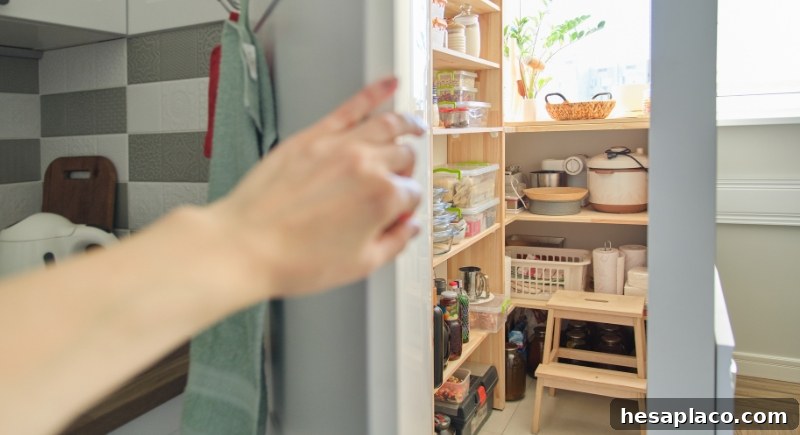
Kitchens are often smaller, and walk-in pantries are now less common. Designers frequently replace them with upper cabinets or compact shelving. Many homeowners who miss extra storage bring in freestanding pantry units or creative storage solutions instead of allocating precious square footage to a full pantry room.
Laundry Rooms Have Shrunk to Closets
Credit: corelens
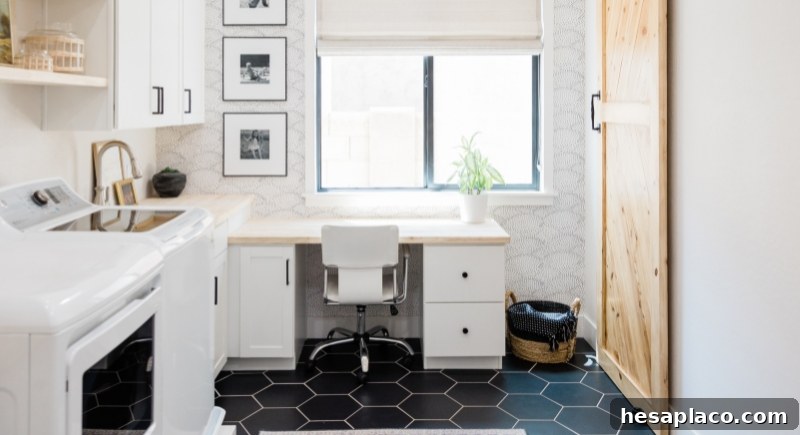
Where laundry rooms once included folding counters, sinks, and drying racks, they are now frequently reduced to stacked washer-dryer closets. Some layouts allow both appliances to be opened simultaneously, but in many homes the laundry function is squeezed into whatever leftover space remains.
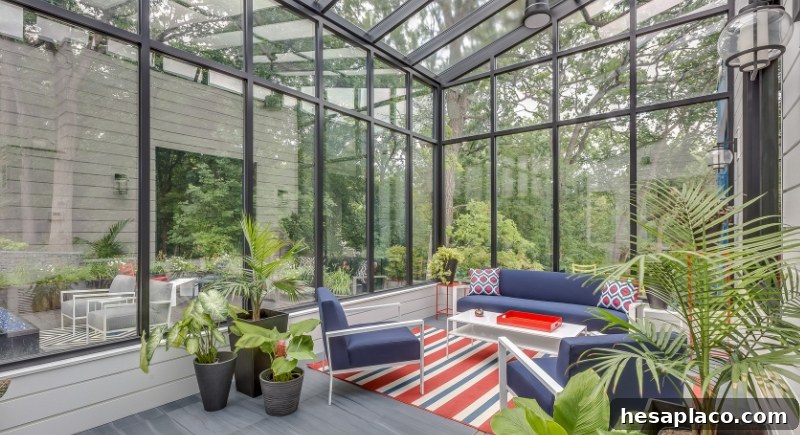
Sunrooms Are Being Dropped From Plans
Credit: Getty Images
Sunrooms—once prized for providing bright, relaxing space—are often cut because of their expensive glass, insulation, and construction demands. Buyers and builders alike sometimes see them as an inefficient use of budget, especially in climates where the space functions poorly without added heating or cooling.
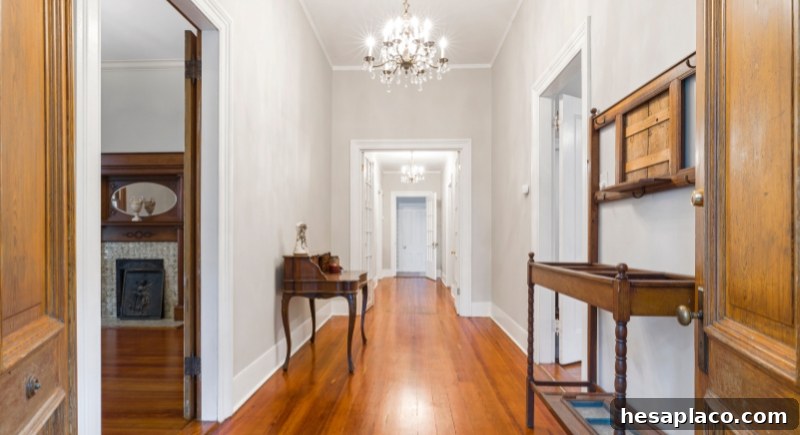
Hallways and Foyers Are Treated as Wasted Space
Credit: pexels
Grand entries and long hallways are often minimized or eliminated. Developers prioritize efficient layouts where every square foot serves a clear purpose, favoring direct connections between rooms instead of transitional spaces that don’t contribute to daily living.
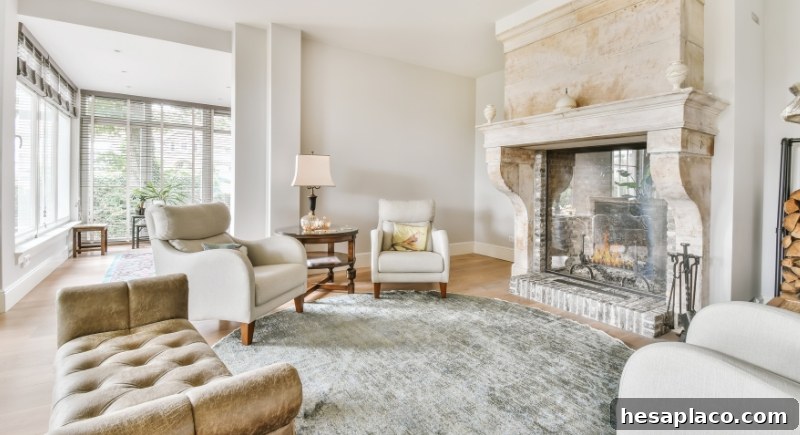
Formal Living Rooms Are Becoming Obsolete
Credit: Pro Creators
Separate parlors and formal sitting rooms have declined in popularity. Contemporary homes more often use an open-plan living area that combines family and entertainment functions, making separate formal rooms an unnecessary luxury for many buyers.
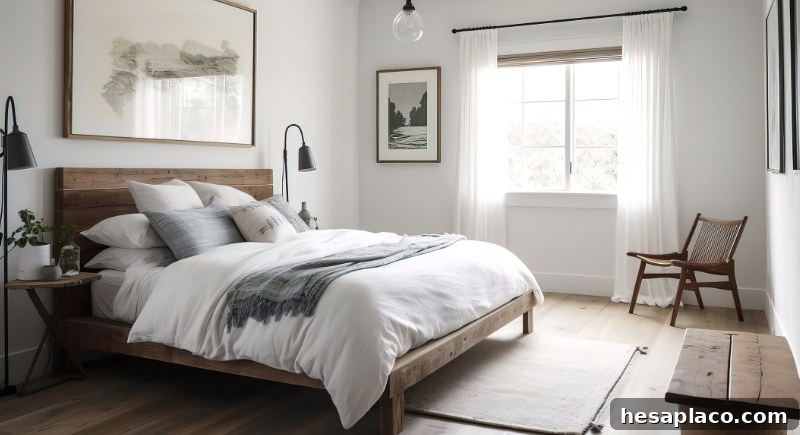
Guest Bedrooms Are Less of a Priority
Credit: Canva
Extra bedrooms dedicated to occasional guests are increasingly being replaced by flexible spaces. Rather than build an unused room, many buyers prefer multipurpose areas that can serve as a home office, hobby room, or guest space with a sofa bed or Murphy bed when needed.
Extra Bathrooms Are Being Reduced
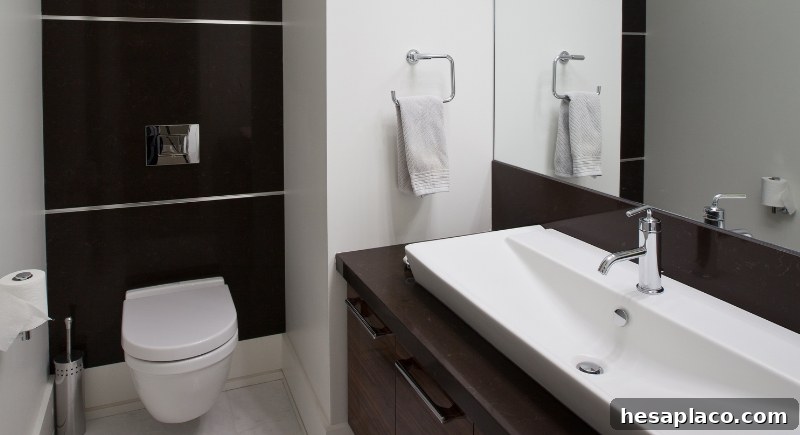
Credit: Getty Images
Multiple small bathrooms are giving way to fewer, better-designed bathrooms. Builders often choose one well-sized bathroom over several cramped ones, and shared baths between bedrooms are more common than private en-suites for every room.
Three-Car Garages Are Becoming Less Common
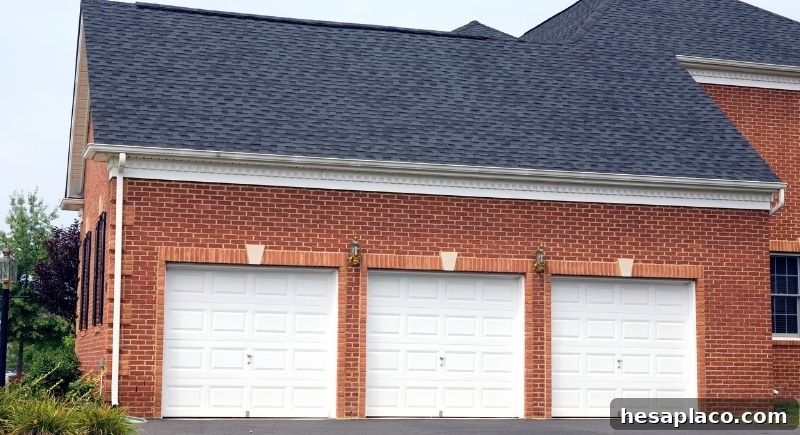
Credit: Getty Images
Once a suburban status symbol, the three-car garage is now rarer. Smaller lots and higher building costs mean most new homes offer one- or two-car garages, while storage needs are being met with attics, sheds, or offsite solutions.
Formal Dining Rooms Are Replaced by Flexible Spaces
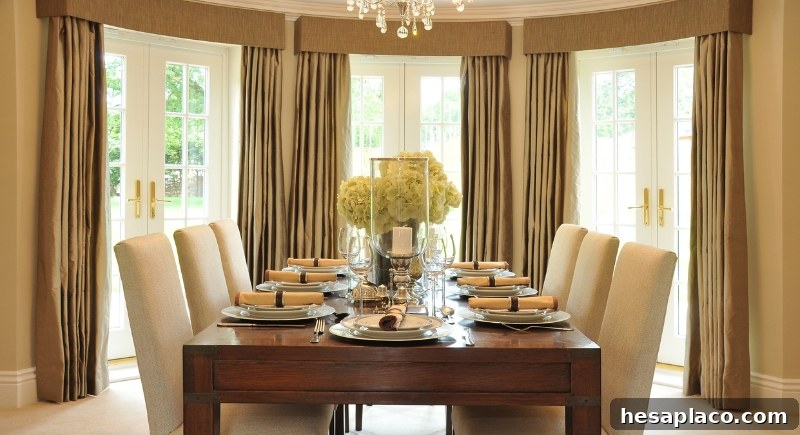
Credit: Getty Images
Dedicated dining rooms are less common as buyers favor flexible layouts. Open-plan areas that can transform from dining to office to playroom are more appealing than a formal space used only for special occasions.
Yards Are Shrinking as Lot Sizes Decline
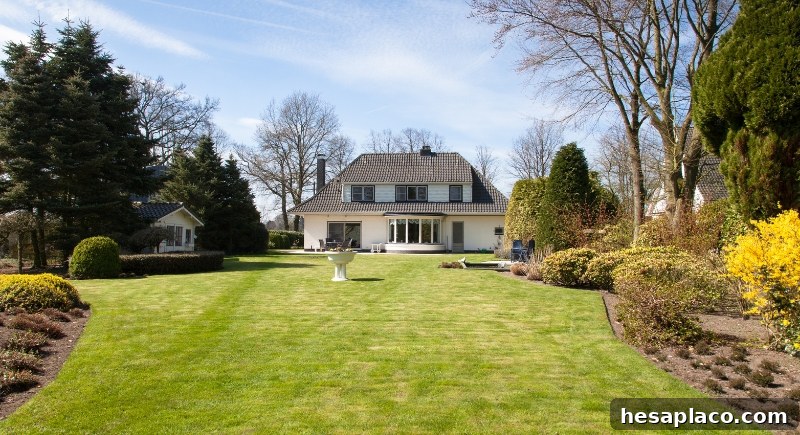
Credit: Getty Images
Land is increasingly valuable, and smaller lots help keep prices down. Large backyards are less common, replaced by compact patios, low-maintenance yards, or community green spaces in planned developments.
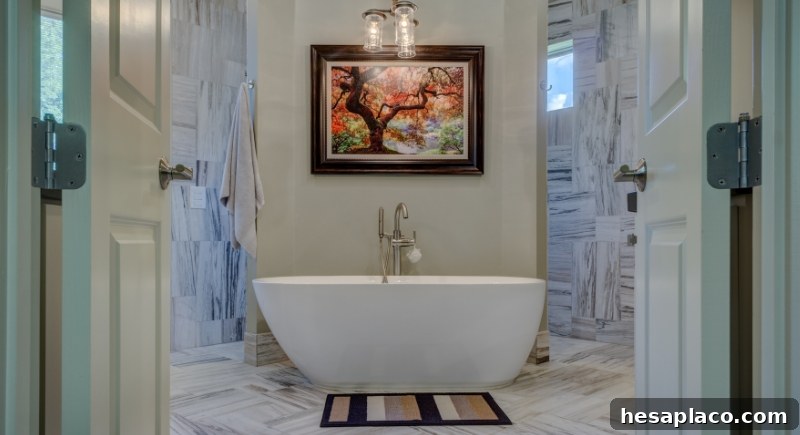
Bathtubs Are No Longer Standard in Every Bathroom
Credit: pixabay
Walk-in showers are replacing tubs, especially in secondary bathrooms and in smaller homes where space is at a premium. Tubs are now more likely to appear only in the main bathroom or in homes marketed toward families with young children.
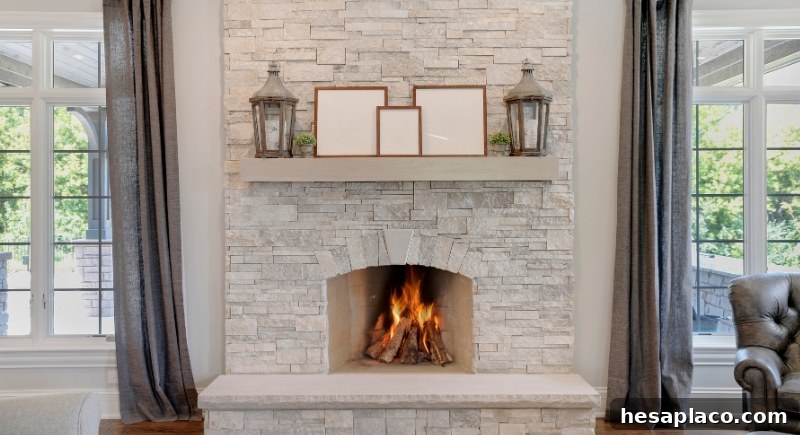
Fireplaces Are Less Common
Credit: Getty Images
Fireplaces add cost and complexity to a build, and energy regulations and regional climate considerations make them less appealing. Many builders omit them in favor of more efficient heating systems or simpler, lower-cost options.
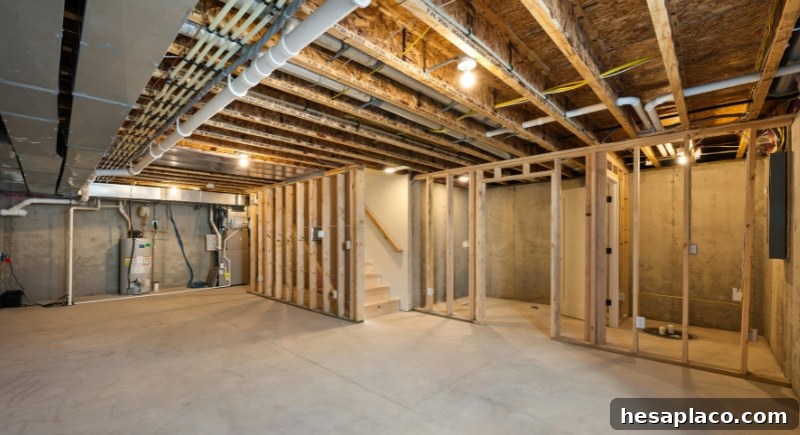
Basements Are Often Avoided to Reduce Costs
Credit: pexels
Excavation, waterproofing, and finishing basements significantly increase costs, especially where the water table or soil conditions complicate excavation. Builders increasingly choose slab foundations or crawl spaces to save money and speed construction.
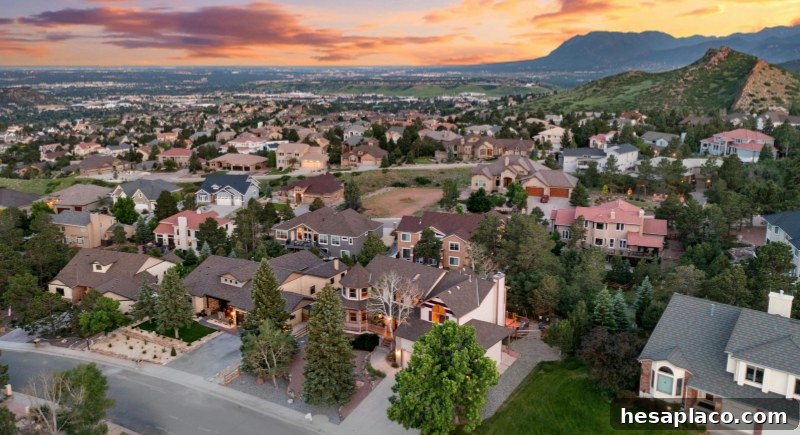
Super-Sized Suburban Homes Are Being Scaled Back
Credit: pexels
The era of oversized suburban homes is receding. With labor and material costs high, builders focus on smaller, smarter designs that emphasize efficient layouts and livability rather than excessive square footage. Buyers increasingly value practical, adaptable spaces over sheer size.