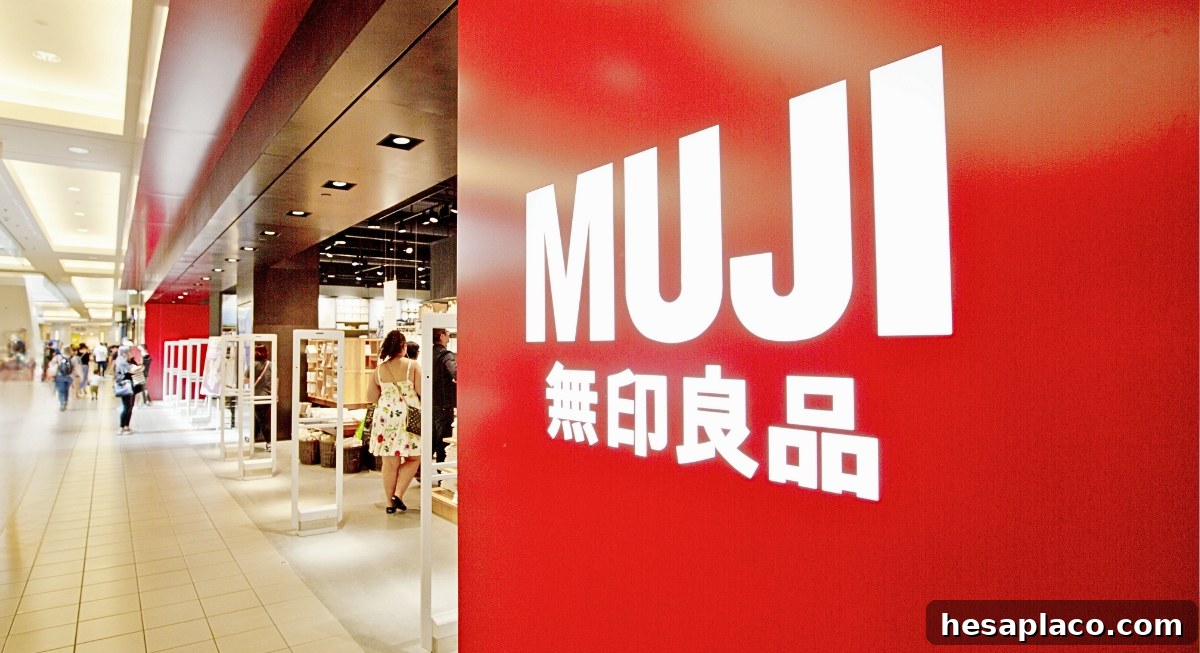
MUJI, short for Mujirushi Ryohin, began in Japan in 1980 as part of the Seiyu supermarket chain. At a time when many companies were raising prices and investing heavily in advertising—often to the detriment of product quality—MUJI identified an opportunity to offer modestly priced, durable goods. By 1983 the brand had grown enough to open its first independent store. Today, MUJI operates more than 1,300 stores across 29 countries and regions.
The brand’s philosophy rests on three core principles: careful material selection with an emphasis on sustainability and efficiency; streamlined production that eliminates unnecessary steps such as bleaching or excessive finishing; and minimal packaging that communicates only the essential information customers need. Together, these principles create a straightforward, honest retail approach that stands out in a crowded marketplace.
The Philosophy Behind MUJI’s Success
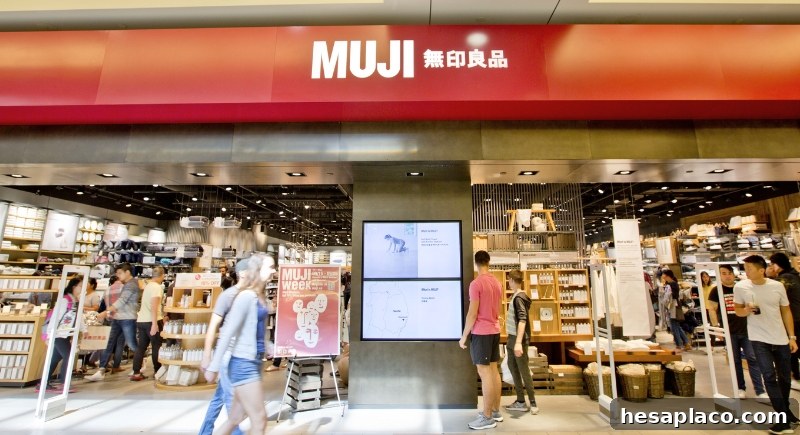
Image via Wikimedia Commons/GoToVan
MUJI’s product range is intentionally broad and unflashy: furniture, clothing, stationery, and kitchenware all follow the same minimalist aesthetic and neutral palette. This unified design language extends beyond retail: MUJI-branded hotels in cities such as Shenzhen, Beijing, and Tokyo apply the same restrained approach to everything from bedding to bathroom amenities.
Central to MUJI’s design ethos is usability. Products are created to be functional, durable, and comfortable in everyday life. The company prioritizes thoughtful design that supports long-term use rather than chasing trends or novelty.
Environmental responsibility is another pillar of MUJI’s identity. The company has implemented measures to reduce plastic waste, offers refillable containers, and minimizes excess packaging. These initiatives reflect MUJI’s commitment to sustainable, practical solutions rather than marketing-driven greenwashing.
Growing Without Shouting
Rather than rely on large advertising campaigns, MUJI pursues visibility through carefully chosen store locations and understated branding. Flagship stores in prominent retail corridors—such as Fifth Avenue in New York, Oxford Street in London, and Ginza in Tokyo—act as continual, tangible showcases for the brand. Digitally, MUJI emphasizes listening to customers: social media and online feedback guide product development more than they serve as a platform for aggressive promotion.
The brand also invests in community-oriented projects that reinforce its values. In Japan, MUJI BASE lets visitors experience restored farmhouses and learn about local agricultural practices. The ReMUJI program collects, refurbishes, and resells secondhand clothing, reinforcing the company’s circular approach to product life cycles.
Standing Apart From Copycats
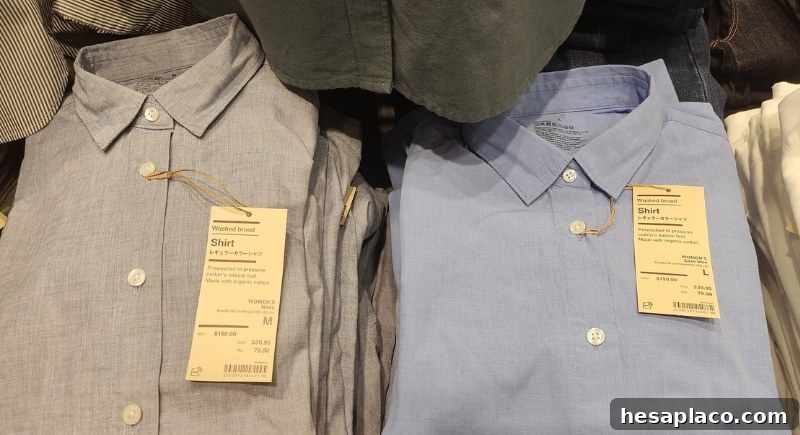
Image via Wikimedia Commons/Fanem WOO Huauimgy SAA
MUJI’s restrained aesthetic has inspired numerous imitators, particularly in China, where retailers have adopted a similar minimalist appearance. Rather than engage in a race to the bottom on price, MUJI has reinforced the elements that differentiate it: consistent quality, a focus on sustainability, and retail spaces that act as cultural hubs. Many flagship stores combine retail with cafés, bookstores, and areas for design consultation, creating a more complete brand experience.
The MUJI Passport app, downloaded by millions, mirrors the brand’s offline principles by helping users track recycling activities and discover local events, further connecting customers to MUJI’s values and services.
By choosing simplicity over spectacle, MUJI has demonstrated that a distinct identity can be built without loud branding. The company has cultivated a loyal following that values thoughtful design, environmental responsibility, and products made to be used for years rather than discarded after short-term trends.