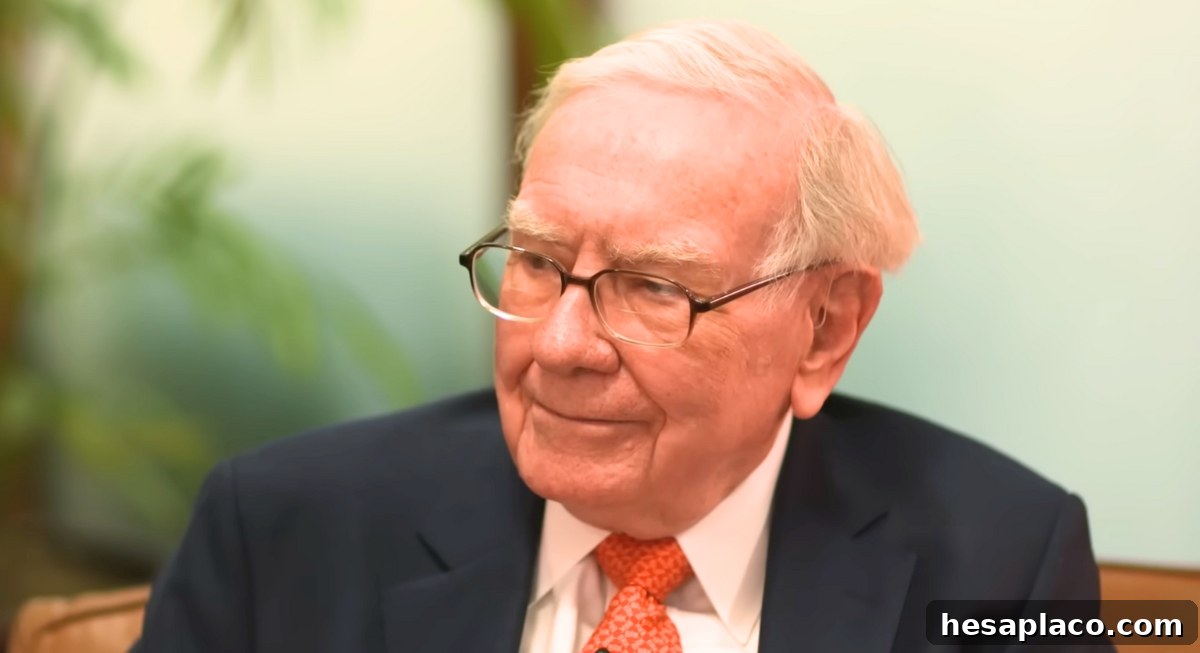
Warren Buffett has earned billions by backing businesses that many people wouldn’t recognize on a map. He has traveled the globe, met with world leaders, and invested Berkshire Hathaway’s capital in enterprises ranging from candy makers to railroads. Yet when it comes to food, the Oracle of Omaha’s tastes are remarkably simple—indeed, childlike.
Buffett himself says the foods he likes were chosen before he finished first grade, and that list has changed very little over the years. That lifelong preference explains why one of the world’s most influential investors famously avoids Japanese cuisine.
The Dinner That Changed Everything
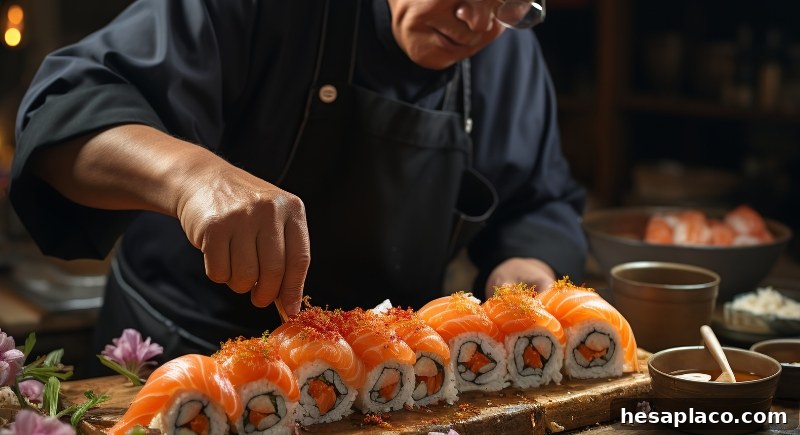
Image via Canva/Cristian Martin
To understand Buffett’s aversion to Japanese food, consider a famous evening in 1989. Sony’s chairman, Akio Morita, hosted Buffett at his Fifth Avenue residence in New York. The apartment overlooked Central Park and included a custom sushi station where chefs prepared a 15-course meal meant to impress.
Instead, Buffett spent the night silently uncomfortable. One dish after another arrived—raw seafood and unfamiliar preparations—and he sent each plate back untouched. By the end of the dinner he had not eaten a single bite. Later he called it “the worst” meal of his life and vowed never to eat Japanese food again.
For someone renowned for Midwestern courtesy, the experience was particularly awkward. He later admitted that he kept thinking how much happier he would have been with a hamburger and strawberry ice cream.
A Simple Palate for a Complex Life
The sushi dinner wasn’t a one-off. Buffett’s food preferences have long been limited and predictable. During a 2007 visit to China, he again faced an elaborate, multi-course meal and only felt relief when someone offered him a cheeseburger.
Daily, he favors McDonald’s at breakfast, drinks several cans of Coca-Cola, enjoys See’s Candies, and occasionally indulges in a Dairy Queen Blizzard. Vegetables like broccoli and Brussels sprouts are absent from his regimen—he’s quipped that eating vegetables every day would make him feel “like he was going to jail.”
Despite such a diet, Buffett has enjoyed a long and healthy life; he credits good fortune, genetics, and simple pleasures. For him, happiness often includes a cherry Coke and the comfort of familiar, nostalgic foods.
Investing Billions in the Country He Won’t Eat

Image via Canva/Creative Images
Buffett’s culinary preferences, however, do not determine his investment strategy. In 2020, Berkshire Hathaway quietly purchased stakes in five of Japan’s largest trading houses—Itochu, Marubeni, Mitsubishi, Mitsui, and Sumitomo. Since then, Berkshire has increased several positions; filings show its holdings in Mitsubishi and Mitsui have risen above 10 percent.
These moves came even as Berkshire held a record cash balance in the U.S., signaling long-term confidence in Japan’s economy. The trading houses have been returning more capital to shareholders through buybacks and dividends, making them more attractive to investors.
Buffett appears to view these companies as undervalued and well positioned to benefit as Japan works through decades-long deflationary pressures and restructures its economy. Some analysts estimate these trading firms still trade well below their intrinsic value, leaving room for potential gains as corporate reforms and macroeconomic shifts play out.
In short, Buffett’s palate and his portfolio operate independently: personal food dislikes haven’t stopped him from placing sizeable, strategic bets on a country whose cuisine he avoids. His approach illustrates a core investing lesson he often shares—separate emotional preferences from business fundamentals when making financial decisions.