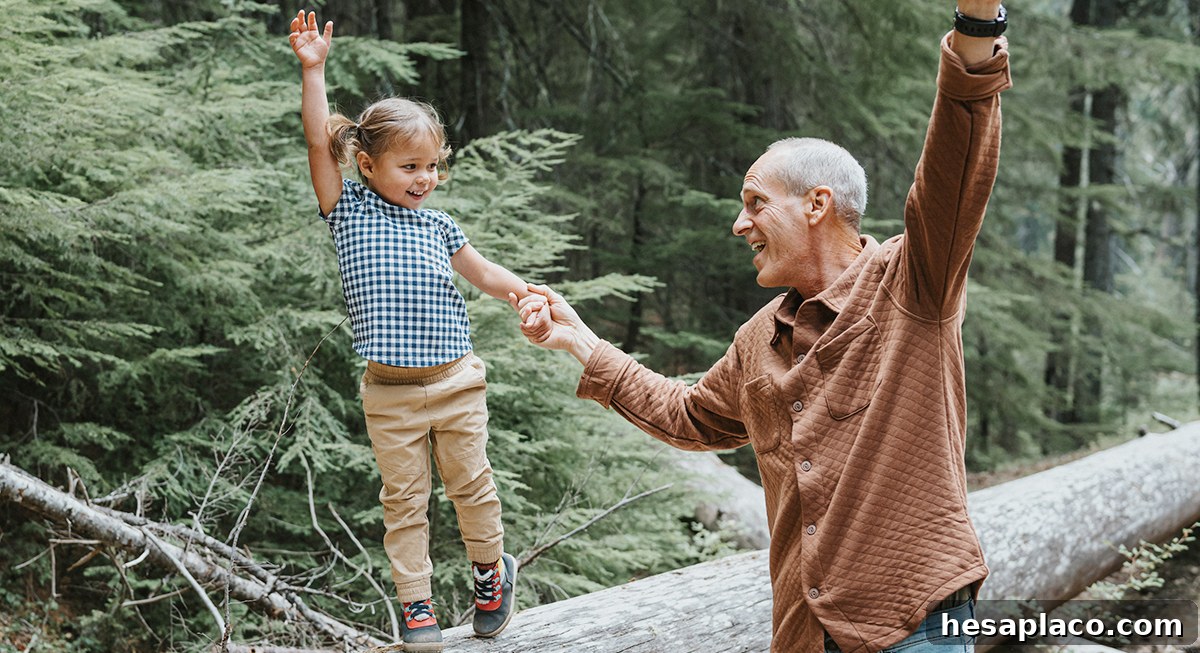
Objects can be passed down, but the most meaningful legacies are the ones you can’t hold. Tangible keepsakes may wear out or disappear, but memories, habits, values, and shared experiences endure. The skills you teach, the stories you tell, and the traditions you practice shape how future generations live. These are the gifts that continue to influence grandchildren long after any physical items are gone.
Family Stories That Bind Generations
Credit: Getty Images
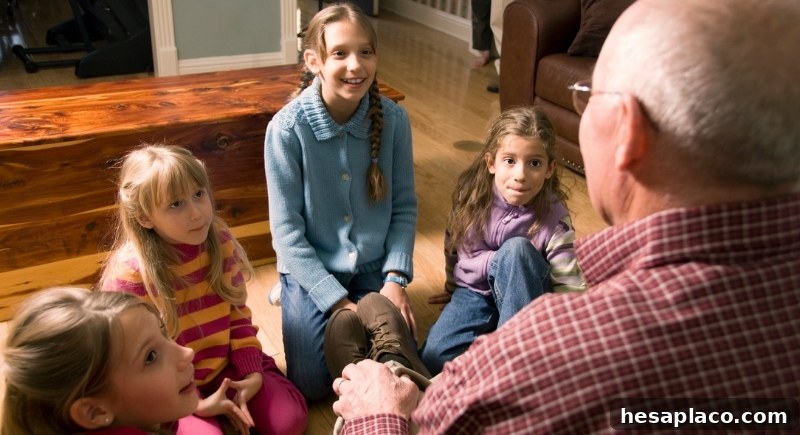
Every family has memorable characters—relatives whose triumphs, mistakes, quirks, and sense of humor become the stuff of retelling. Sharing those stories helps grandchildren connect names on a family tree to full, living personalities. Hearing about an ancestor’s courage or a great-aunt’s eccentric habits gives context to inherited traits and creates a sense of belonging that facts alone cannot provide.
Traditions That Shape Belonging

Credit: Getty Images
Traditions—whether it’s the same meal every New Year’s, an annual fishing trip, or a seasonal ritual—offer children predictable touchstones amid life’s changes. Those repeated experiences anchor memories and provide continuity between generations. When a tradition is shared, it becomes a living bridge to the past that grandchildren can carry forward, modify, or pass on themselves.
Values That Guide Choices
Credit: Canva
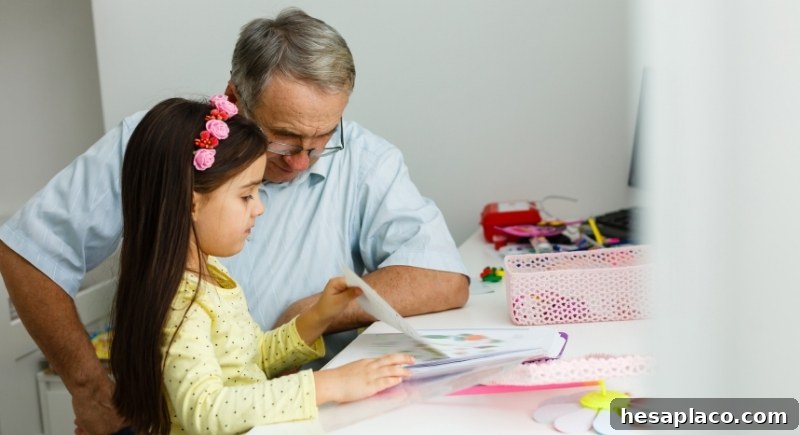
Stating values is one thing; living them is another. Grandchildren learn most from observation: returning an overpayment without hesitation, honoring commitments, showing kindness to strangers, or finishing a difficult task after a long day. These everyday demonstrations become an internal compass that helps them make decisions, handle relationships, and define what matters in their own lives.
Wisdom From Life’s Crossroads

Credit: Getty Images
Some guidance can’t be found in a search engine. Lessons learned from difficult choices—how to remain calm in a setback, choose a direction when the future feels uncertain, or accept what can’t be controlled—are invaluable. Sharing those hard-earned insights can help grandchildren steer around pitfalls or, at minimum, recognize challenges and respond with more confidence.
Skills That Last a Lifetime
Credit: pexels
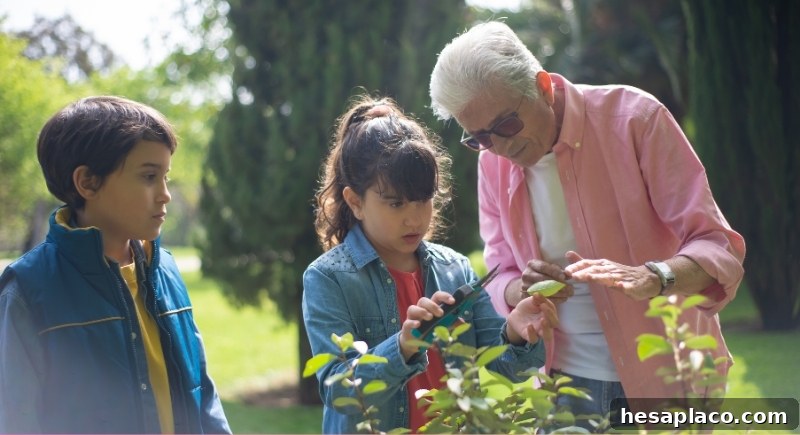
Practical skills—gardening, basic carpentry, cooking techniques, financial habits—provide functional value and emotional connection. Teaching a grandchild how to plant a garden, use hand tools safely, or manage a simple budget turns learning into shared time. When they perform those tasks alone later, they’ll remember who showed them how and feel rooted in that experience.
Favorite Family Recipes
Credit: Getty Images
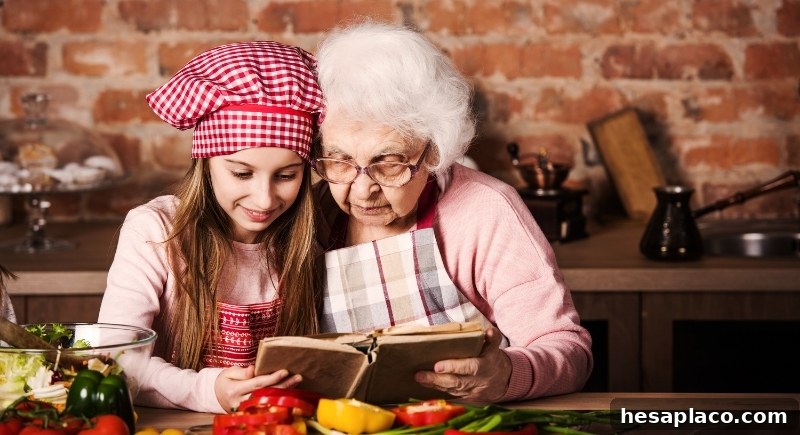
A recipe card written in your own hand is a small piece of personal history. When it’s accompanied by the story of who taught it to you, how it became part of holiday gatherings, or why a particular dish matters, it transforms into a sensory link to family life. Each time the recipe is made, grandchildren taste not just the food but a thread of family memory.
Letters and Journals

Credit: iStockphoto
Handwritten notes, letters, and journals carry a presence that digital messages rarely match. The choice of words, the handwriting, and the small marginal marks create intimacy. For grandchildren, these documents offer perspective, advice, and a clearer sense of who you were at different stages of life.
Old Photographs and Home Videos
Credit: Canva
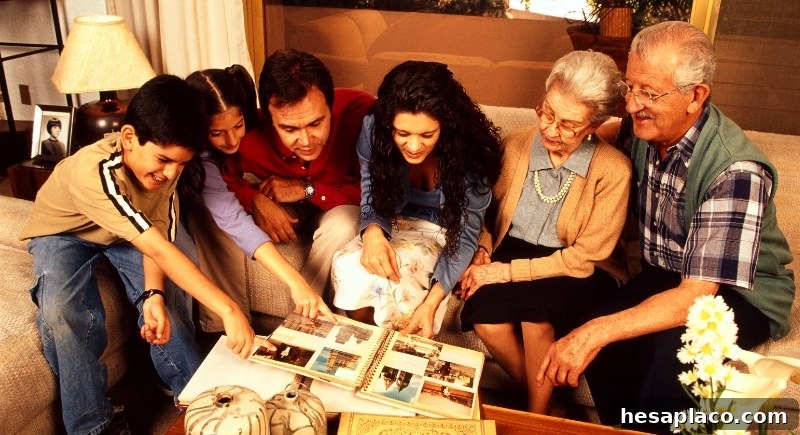
Photographs and home videos freeze moments that spark stories. Looking through albums or watching old footage together invites laughter, curiosity, and questions. These shared moments reveal family mannerisms, expressions, and gestures that recur across generations, helping grandchildren see themselves as part of a continuous story.
The Art of Forgiveness
Credit: Canva
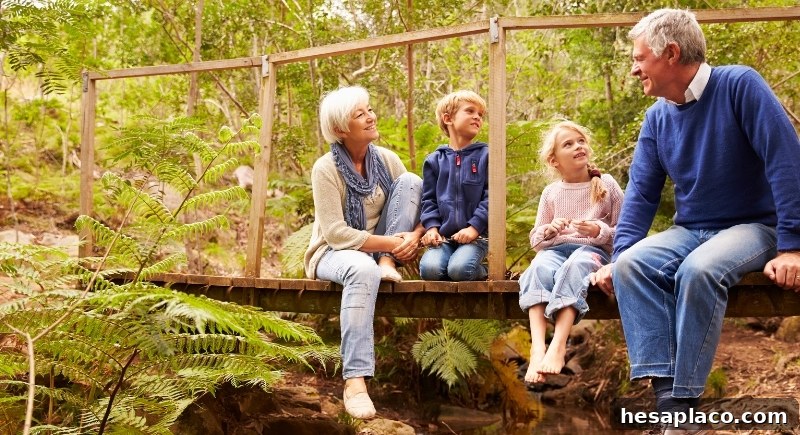
Forgiveness doesn’t always come naturally, but modeling how to let go of resentment teaches grandchildren the value of relationships over being right. Demonstrating patience, apologizing when you’re wrong, and moving forward after conflict are behaviors that preserve family bonds and provide a healthier template for future relationships.
An Appreciation for Humor
Credit: Canva
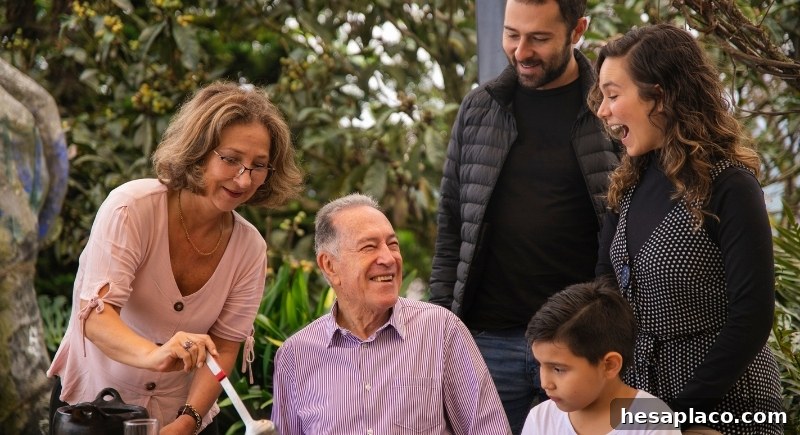
Humor lightens tense moments and builds resilience. Teaching grandchildren to laugh at small mishaps—a burnt cake, a missed turn, a silly mistake—helps them carry a lighter perspective into larger challenges. Inside jokes, family phrases, and playful nicknames can become anchors that bring comfort during difficult seasons.
Lessons in Resilience
Credit: Canva
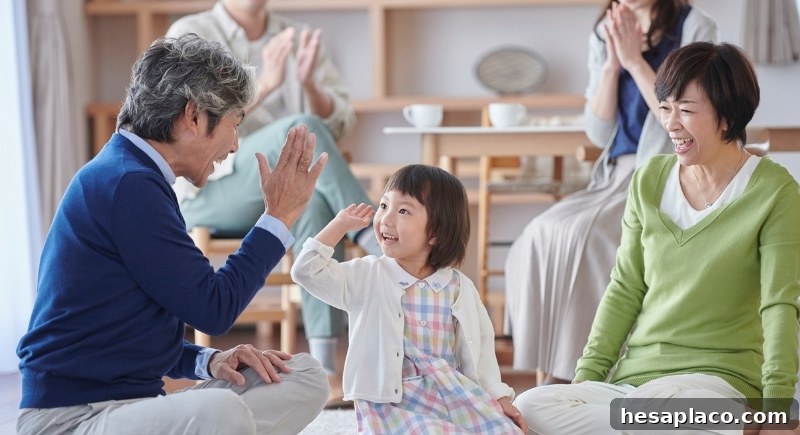
Stories about persevering through hardship—losing a job, rebuilding after illness, or navigating grief—offer practical examples of resilience. These accounts are powerful because they are grounded in lived experience, showing grandchildren that surviving setbacks and adapting to change are part of a life well-lived.
Love for Learning
Credit: Canva
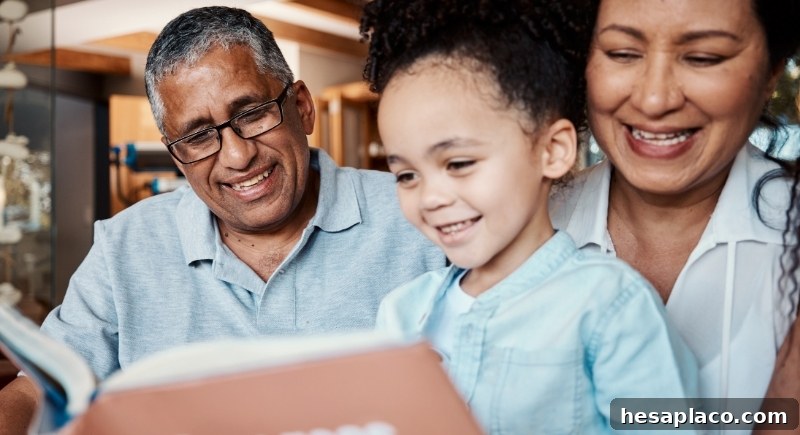
Curiosity often begins in small, everyday moments: reading together, exploring a new neighborhood, or asking open-ended questions. When learning is modeled as a joyful pursuit rather than a chore, grandchildren are more likely to adopt a lifelong love of discovery. That habit of curiosity will serve them across careers, relationships, and personal growth.
Acts of Service
Credit: Canva
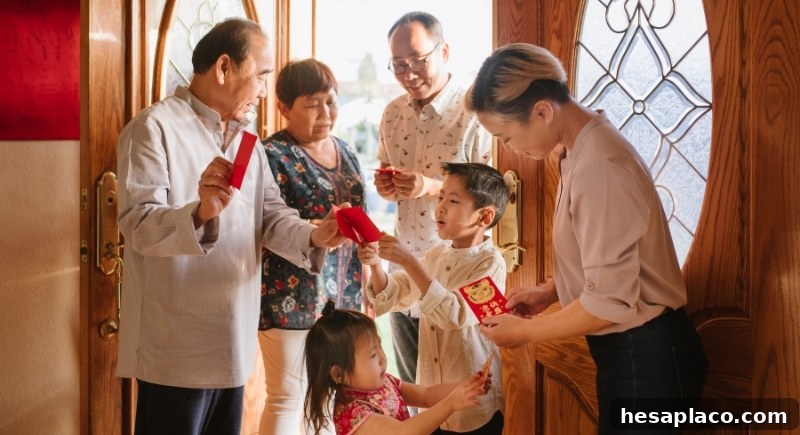
Generosity is most often learned by watching it practiced. When grandchildren observe you giving time, sharing resources, or helping others without seeking recognition, they internalize those values. Acts of service—small or large—model empathy and civic responsibility in ways that lectures cannot.
Family Songs or Sayings
Credit: Getty Images
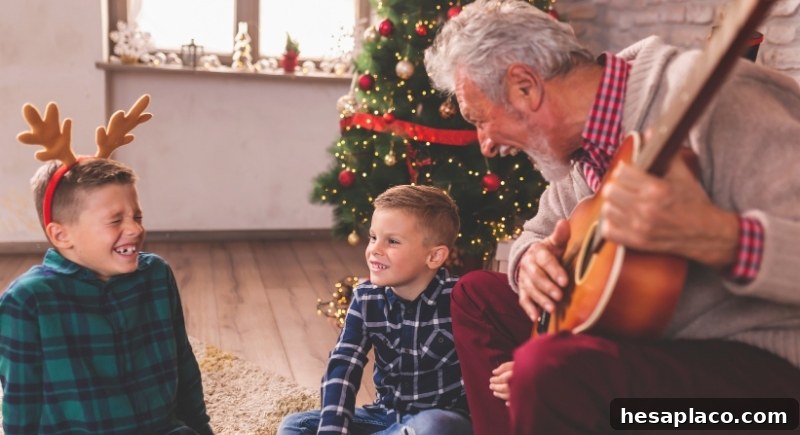
A made-up tune or a phrase repeated at the table can last for decades. These small cultural artifacts—songs, jokes, sayings—concentrate memory and emotion into a compact form. When they resurface, they create an immediate sense of connection that pulls everyone into the same shared moment.
Encouragement to Tell Their Own Stories

Credit: Canva
Encouraging grandchildren to document their own lives—through journals, recordings, photos, or letters—helps them become active participants in the family narrative. Rather than merely inheriting history, they add to it. Those personal records will someday be treasures for future generations and continue the family’s evolving story.